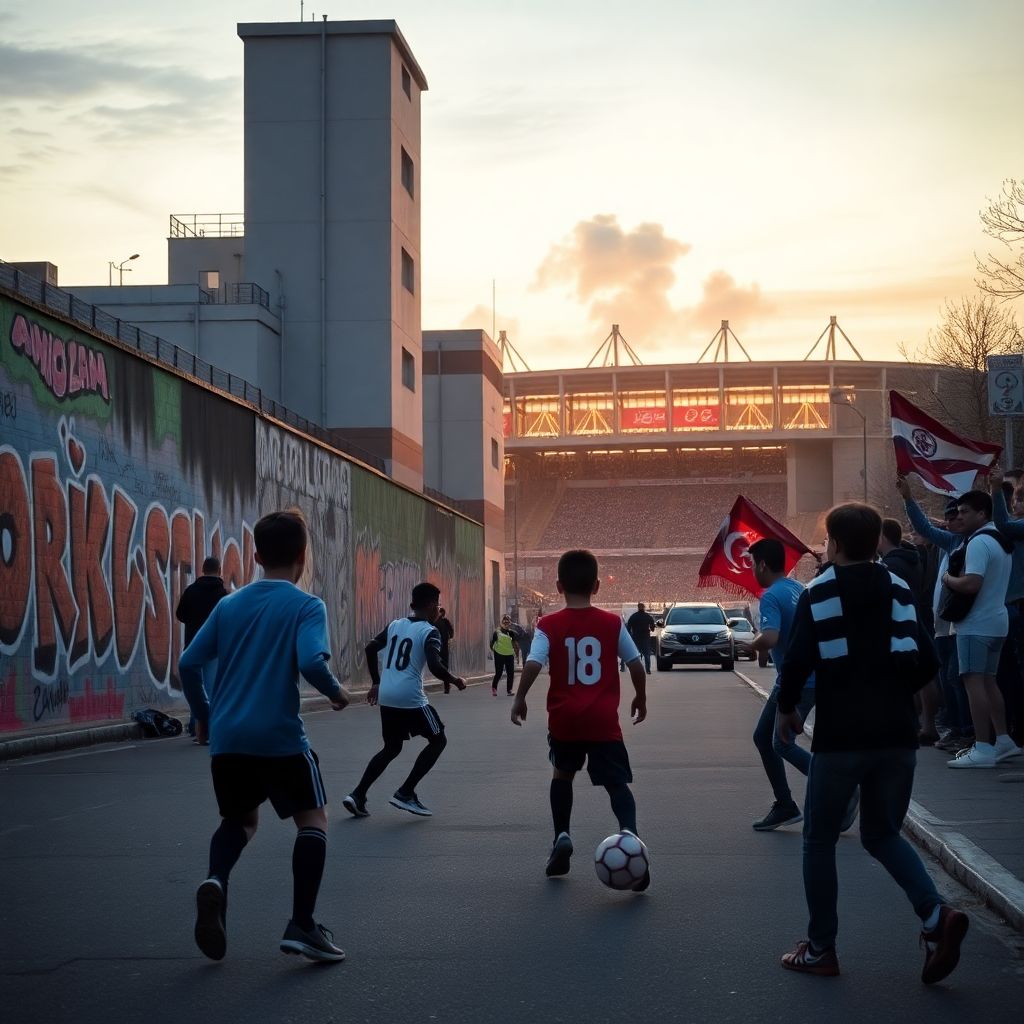
Urban football culture in Turkey is a living chain from street games to packed stadiums: if you understand how kids play in backstreets, how local clubs organise fans, and how city rivalries shape identity, then you can read, join, and enjoy Turkish football life much more deeply.
Snapshot: Football Culture Across Turkish Cities
- If you walk through Istanbul, Ankara, İzmir or Gaziantep, then you will see football played in streets, school yards and small cages at almost any hour.
- If you visit local clubs, then you discover they are social centres, not just teams that compete on weekends.
- If you attend a derby after researching turkey football tickets istanbul derbies, then you experience how football frames city pride, tension and solidarity.
- If you explore neighbourhood rituals before and after matches, then you understand how families and small businesses are woven into club culture.
- If you follow youth training and fan merchandise, then you see how informal play turns into careers, brands and full-scale football business.
Roots: Street Football and Neighborhood Playgrounds
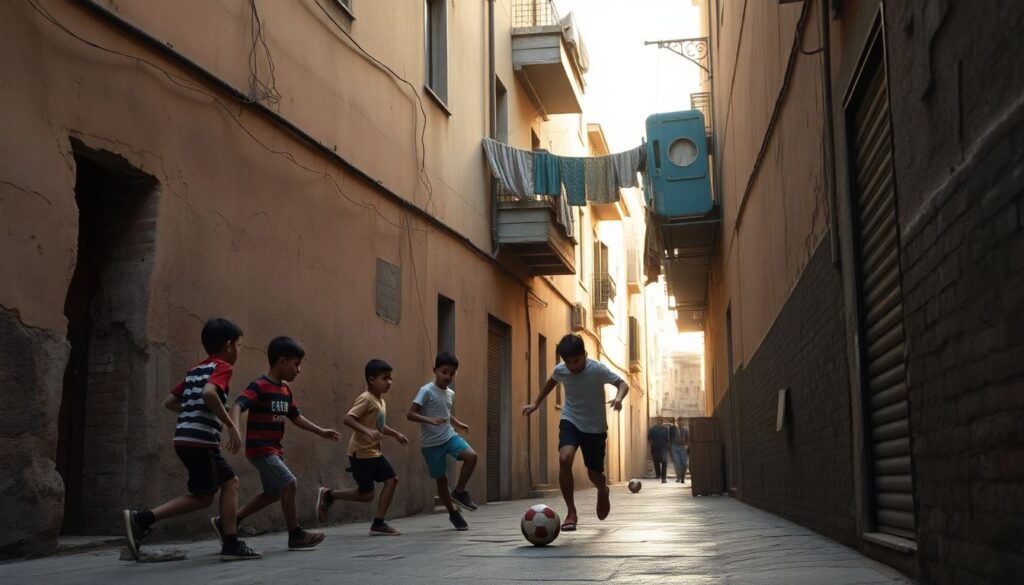
Street football in Turkish cities refers to informal games in alleys, empty plots, school yards and fenced mini-pitches where children and teenagers organise themselves. If you want to grasp the culture behind the professional game, then start from these everyday spaces, not from the stadium.
In Istanbul, kids turn steep side streets of districts like Kadıköy or Beşiktaş into improvised pitches; in Ankara, wider apartment courtyards host small-sided games; in İzmir and Gaziantep, seaside promenades or dusty lots serve the same role. If there is open space and at least one ball, then a match usually appears.
These games teach creativity, toughness and negotiation. If there are no cones, then bags or stones mark the goal. If teams are uneven, then older players shift sides to balance. Rules are flexible, but respect is strict: fouls, last goal wins, and who keeps the ball are decided socially, not by referees.
If you want to read Turkish footballers and fans accurately, then see street football as their first school. Skills, slang, pecking orders and even club loyalties often start here, long before any academy training.
- If you visit a Turkish city, then spend one afternoon just watching kids play in a neighbourhood cage or school yard.
- If you want authentic photos or stories, then go to backstreets one to two hours before sunset, when most street matches start.
- If you join a casual game, then follow local rules quietly first and copy how others behave before making suggestions.
Local Clubs as Community Hubs
Local amateur and semi-professional clubs in Turkish cities act as social anchors. If you only focus on big names like Galatasaray or Fenerbahçe, then you miss how everyday people experience football through district-level teams and facilities.
- If a neighbourhood has a club house or small stand, then it usually doubles as a meeting place for residents, not only players.
- If parents want safe structure for children, then they often choose local club training over pure street play, especially in Ankara and İzmir.
- If you look at weekend calendars, then local club matches organise social time: families shop, eat and visit relatives around kick-off.
- If migrants arrive from other regions, then supporting the same small club helps them blend into Istanbul or Gaziantep life.
- If local authorities need to reach young people, then club coaches and fan leaders are often their most effective partners.
- If informal rivalries between districts rise, then club friendlies or mini-tournaments can channel that energy into something constructive.
- If you are planning an istanbul football city break packages trip, then include one small neighbourhood match, not only a big stadium game.
- If you research community life in Turkey, then interview local club managers and volunteer coaches as key informants.
- If you want to support grassroots football, then donate equipment or time to a nearby amateur club instead of only buying top-division tickets.
Rituals and Matchday Traditions in Urban Districts
Matchday in Turkish cities is a chain of rituals that starts far from the stadium. If a derby or key league game approaches, then the whole district often shifts rhythm: shop decorations, street sounds and transport patterns all change.
Typical scenarios show how these rituals work:
- If it is early morning in Istanbul or İzmir, then café televisions replay goals and debates while regulars argue line-ups over tea.
- If it is three to four hours before kick-off, then fan groups meet at fixed squares or streets, singing on the way to metro or bus stops.
- If families prefer home viewing, then they organise food deliveries or cooking times around the match, especially in Ankara apartment blocks.
- If the game is a major derby, then distant cities like Gaziantep still echo with car flags, horns and impromptu celebrations or protests.
- If the team wins, then fans pour into central streets and seaside promenades; if it loses, then many stay in local tea gardens to dissect mistakes.
- If religious or national holidays overlap with big fixtures, then club colours mix with flags, making rituals even more intense.
If you understand these patterns, then you can move around cities more smoothly on matchdays, avoid crowded routes when needed, and appreciate why noise levels rise or fall at certain times.
- If you plan to attend a derby, then arrive near the stadium district at least two to three hours early to safely experience pre-match rituals.
- If you prefer calm, then avoid main fan gathering points and metro lines along stadium routes during peak pre- and post-match windows.
- If you want photos or videos, then be respectful: ask before filming close-up chants, and do not block fan movement.
Stadiums, Rivalries and City Identity
Major stadiums in cities like Istanbul, Ankara, İzmir and Gaziantep are symbols of local identity. If you call Istanbul just a single football city, then locals will quickly explain the deep divides between club territories and fan cultures.
Rivalries bring strong advantages for urban life, but also come with limits that visitors and new fans should recognise.
Benefits for identity and atmosphere:
- If you visit a home end on a big night, then you feel how collective songs and choreography unify very different social groups.
- If neighbourhoods share a club, then colours on walls, scarves in shop windows and player murals help residents feel rooted.
- If stadium tours open on non-matchdays, then they count among the best football stadium tours in turkey for understanding architectural and emotional history.
- If clubs succeed internationally, then cities enjoy soft power, tourism interest and pride that go beyond sport.
Constraints and tensions to watch:
- If rivalries harden into hostility, then some fans may avoid areas strongly linked to other clubs, especially around derbies.
- If you buy galatasaray fenerbahce match tickets online without checking sectors, then you risk ending up among rival fans, which can be unsafe.
- If clubs struggle or face scandals, then that same strong identity can quickly turn into protests, boycotts or deep frustration.
- If city planning ignores stadium traffic and noise, then neighbours may see matchdays as disruption rather than shared celebration.
- If you are neutral, then choose a mixed or VIP section rather than ultra blocks when attending high-tension derbies.
- If you join stadium tours, then ask guides about surrounding districts too, not just trophies and famous goals.
- If you paint murals or wear colours in new neighbourhoods, then first learn which club dominates that area.
Youth Development, Scouting and Informal Pathways
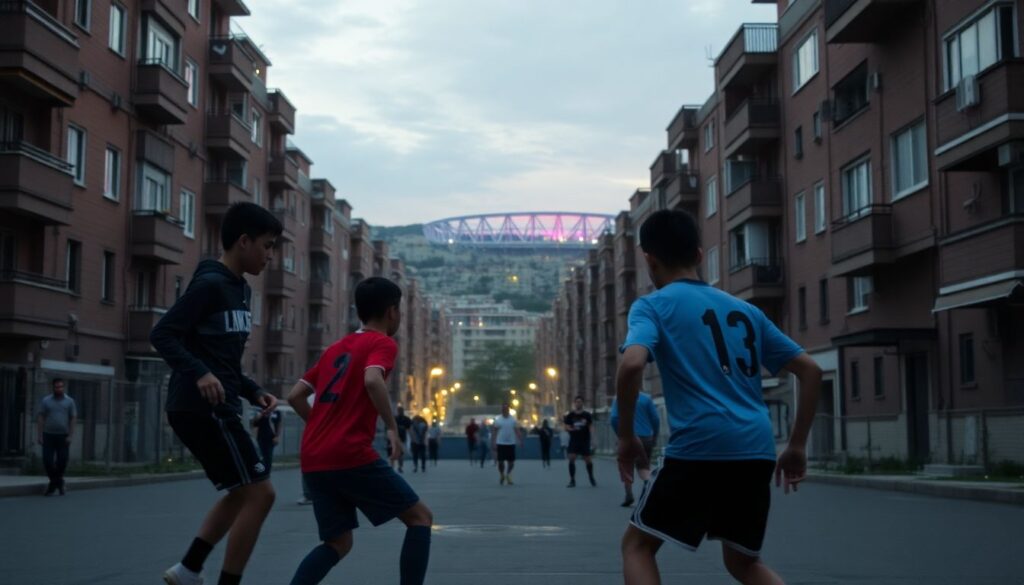
Youth development in Turkish cities blends academies, school teams and informal scouting in street games. If you imagine a simple ladder from academy to professional contract, then you miss the many side doors and dead ends that players experience.
Common mistakes and myths:
- If you believe only big club academies matter, then you ignore local coaches who often spot and polish talent first.
- If parents push children to specialise too early, then they may reduce the creativity learned from varied street games.
- If players think one failed trial ends their chances, then they underestimate how many times scouts re-check the same regions and age groups.
- If people assume city kids are always advantaged, then they forget that overcrowded schedules, transport and costs can block access to training.
- If young players focus only on technical skills, then they neglect schooling and social skills that clubs increasingly consider essential.
- If fans romanticise street football as pure meritocracy, then they overlook how family support, money and contacts still influence who gets noticed.
If you map these realities honestly, then you get a clearer picture of how many children play versus how few become professionals, and why grassroots quality still matters even for those who will never sign contracts.
- If you are a parent, then balance academy sessions with free play so your child keeps both structure and creativity.
- If you coach in a city, then maintain contact lists of school PE teachers and local cage pitch managers to widen your scouting net.
- If you are a young player, then treat education and language learning as part of your football career, not as a backup plan.
Media, Merchandise and the Business of City Football
Media coverage, fan products and travel offers turn urban football passions into organised business. If emotions drive the culture, then television, online platforms and retail translate those emotions into income streams that shape how clubs and cities evolve.
Digital platforms make this especially visible. If you search turkey football fan merchandise shop online, then you find official club stores, streetwear brands and fan-run sites competing for the same supporters. If you browse istanbul football city break packages, then hotels, tour guides and ticketing agents combine stadium visits with general sightseeing.
A simplified mini-case illustrates typical flows:
If a big Istanbul club launches a new shirt, then social media hype spreads clips and images; online pre-orders spike; physical shops in Ankara, İzmir and Gaziantep fill windows with that design; and broadcasters saturate half-time breaks with related adverts. If the team starts winning while wearing it, then demand grows even more.
If clubs and cities manage this responsibly, then the extra income can improve facilities, youth projects and neighbourhood pitches rather than only funding short-term transfers.
- If you buy tickets, then use official or verified partners when checking turkey football tickets istanbul derbies to avoid scams.
- If you shop online, then compare official club stores with independent sellers and check return policies before purchasing.
- If you design tourism products, then add local football history walks and stadium visits to your packages to connect culture and commerce.
Quick Self-Check for Understanding Turkish Urban Football
- If you can explain how a street game in Gaziantep connects to a televised derby in Istanbul, then you understand the basic chain from play to spectacle.
- If you can name at least one local club and one major stadium in any Turkish city, then you see both grassroots and elite levels.
- If you can predict how a big match will change traffic, noise and business in a district, then you grasp football as an urban force, not just a sport.
- If you can distinguish between fan passion and dangerous behaviour, then you are ready to enjoy matches safely and respectfully.
Practical Questions on Urban Football Culture in Turkey
How safe is it to attend a big derby match in Istanbul or Ankara?
If you follow police instructions, avoid ultra sections and buy tickets from official sources, then attending a derby is generally manageable for visitors. Choose neutral or family areas and arrive early so you pass security checks before crowds peak.
Can I buy match tickets online before travelling to Turkey?
If you plan ahead, then you can usually buy galatasaray fenerbahce match tickets online or tickets for other clubs through official platforms. Check club websites and approved resellers, and always confirm stadium sectors and ID requirements before payment.
What is the best way to experience grassroots football in Turkish cities?
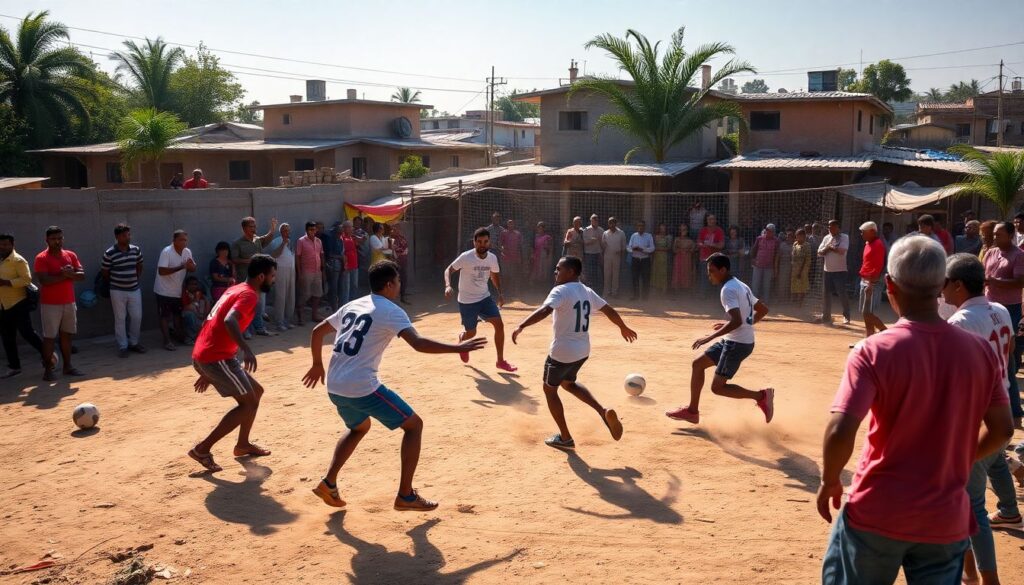
If you want grassroots experience, then visit local cage pitches, school yards or amateur club grounds on weekend afternoons. Watching a small neighbourhood match often reveals more about real football life than a single televised game in a bar.
Are stadium tours worth including in a city trip?
If you are interested in architecture, fan culture or club history, then the best football stadium tours in turkey add strong value to an Istanbul, Ankara or İzmir visit. They show dressing rooms, stands and museum areas that are inaccessible on regular days.
How do I avoid problems related to intense rivalries?
If you stay neutral in public, avoid provoking chants, and do not wear one clubs colours in another clubs stronghold on matchdays, then serious problems are unlikely. Listen to local advice about which areas can be sensitive around derbies.
Where can I buy authentic fan gear without overpaying?
If you seek reliability, then start with official club shops or their recognised online partners. Compare prices with other turkey football fan merchandise shop online options, but be cautious of unusually cheap offers that might indicate counterfeit products.
How many days do I need for a football-focused trip to Istanbul?
If you want both city sights and football, then plan several days so you can fit one live match, a stadium tour, and time in fan districts. Many istanbul football city break packages combine these elements with visits to key historic locations.