
High pressing in the Turkish Süper Lig is a coordinated team tactic where the block defends high up the pitch to regain the ball quickly and attack immediately. It is rising because clubs use better physical preparation, more data-driven analysis, and modern coaching ideas, especially among ambitious, possession-oriented and European-focused teams.
Essential tactical insights on the rising high press
- High pressing in the Süper Lig has shifted from a situational idea to a core game model for several top-half clubs.
- The main drivers are improved fitness, deeper video and data use, and foreign-influenced coaching methods.
- Pressing roles are now defined by zones, triggers and cover shadows rather than generic man-marking.
- Successful teams connect the first line press with compact midfields and proactive goalkeepers.
- Workload management and rotation are crucial to avoid late-season physical and mental drop-offs.
- Objective pressing metrics and clear video clips help align staff, players and recruitment profiles.
Quick practical adjustments for high pressing in the Süper Lig
- Shorten team distances in training games to 25-30 metres vertically and insist on constant communication.
- Start the season with 15-20 minute high-press blocks per half, then extend gradually instead of pressing non-stop.
- Define 2-3 clear pressing triggers (bad touch, back pass, lateral pass) and repeat them every session.
- Recruit at least one mobile centre-back and a proactive goalkeeper to defend the space behind your line.
- Use post-match Süper Lig tactical analysis high pressing clips to show players both good and bad pressing examples.
How pressing has evolved in the Süper Lig: a concise history
Historically, the Süper Lig was defined more by deep blocks, physical duels and transitional attacks than by collective high pressing. Teams often relied on experienced defenders sitting close to their box, compressing space centrally, and trusting individual brilliance in attack rather than coordinated off-ball structures.
Over the last decade, gradual tactical evolution has taken place. First, a few coaches imported more modern pressing concepts, mixing mid-block aggression with occasional high presses after goal kicks or bad touches. These were usually game-plan tools, not full identity pieces, and often abandoned once the team took the lead.
The recent phase is different. Some of the best high pressing teams in the Süper Lig now build their entire game model around winning the ball high and attacking quickly within seconds. You see coordinated forward jumps from the front three, synchronised central-midfield presses, and goalkeepers positioned higher to defend long balls behind the line.
This evolution has been accelerated by better access to video, Turkish Süper Lig pressing stats and analytics, and more international coaching exchanges. Modern staff define pressing in clear, repeatable patterns, measure it, and integrate it directly into recruitment, match planning and player development.
Structural and contextual drivers fueling the high-press trend
Several interacting factors explain why high pressing is becoming a dominant theme in Süper Lig data-driven tactics and performance analysis.
- Squad athleticism is improving. Clubs now sign more mobile, dynamic players in all lines, especially centre-backs and box-to-box midfielders, making repeated sprints and aggressive jumps more sustainable across the season.
- Goalkeeper roles have modernised. More keepers are comfortable sweeping behind the line and playing as an extra outfield player, which allows higher defensive lines and bolder pressing schemes against build-up.
- Match preparation is more detailed. With easier access to video platforms and advanced football analytics Turkish Süper Lig clubs scout opposition patterns closely, identifying where goalkeepers and centre-backs struggle under pressure.
- Fixture demands and European ambitions. Clubs fighting for European spots see high pressing as a way to bridge quality gaps against technically stronger rivals by controlling territory and chance quality through intensity.
- Refereeing and VAR trends. Stricter fouls around the box encourage teams to defend higher and foul earlier in transition, making advanced pressing zones more attractive than constant box defending.
- Fan and board expectations. Supporters increasingly associate aggressive high pressing with ambition and modernity, which pushes coaches towards proactive strategies, especially at big-city clubs.
Applied match scenarios in the Süper Lig
Consider a home match against a mid-table side who build short from the goalkeeper. Your front three lock onto their back four, the number 10 screens their pivot, and full-backs squeeze inside. A backwards pass to their keeper is the trigger: the striker jumps, wingers close full-backs, and you aim to win the ball within three passes.
In away fixtures on slower pitches, the plan might be more selective. You allow the opponent's centre-backs some space but fully commit the press when they play into one specific full-back who struggles under pressure. This targeted approach reduces physical cost while maintaining high pressing threat in pre-defined zones.
Formations, roles and player profiles that enable sustained pressing
High pressing is not tied to one formation, but certain structures and player profiles make it far easier to maintain intensity and compactness over 90 minutes.
- 4-3-3 with narrow wingers. The two wingers press diagonally, starting inside to block passes into midfield while jumping to full-backs on triggers. The holding midfielder covers behind the first line, and the number 8s jump aggressively to opposition pivots.
- 4-2-3-1 with a hard-working 10. The number 10 becomes the key pressing reference, screening the opposition’s holding midfielder and directing the first line. Double pivots slide across to close half-spaces, while full-backs step onto their wingers when wide presses are activated.
- 3-4-3 with wing-backs ready to attack. The front three press centre-backs and pivot, the two central midfielders stay compact, and wing-backs time their jumps to full-backs or wide centre-backs. This shape is useful for coaches wanting the extra security of a back three while still pressing high.
- Mobile centre-backs. Regardless of shape, your centre-backs must be comfortable defending large spaces and engaging in wide channels when full-backs jump. Slow or reactive defenders place a natural ceiling on how high you can press.
- Relentless central midfielders. Pressing systems live or die with the middle line. Your midfielders must anticipate passes, press forward instead of dropping, and still have enough composure to play the first forward pass after regains.
- Proactive goalkeeper. A keeper who stays high, intercepts long balls, and offers a pass option in build-up supports both sides of the press: braver possession to draw the opponent in, and quicker recovery when the press is broken.
Training methods and conditioning to support high-intensity press
To sustain high pressing in the Süper Lig schedule, you need both tactical clarity and well-planned physical work. Training should simulate match distances, accelerations and decision-making under fatigue rather than relying only on isolated running drills.
Benefits of embedding pressing in training microcycles
- Players internalise pressing triggers and communication patterns under realistic time and space stress.
- Fitness is developed in a football-specific context, aligning conditioning peaks with tactical demands.
- Squad depth is tested in training, helping staff see which players maintain pressing quality when rotated.
- Matchday intensity becomes more repeatable, reducing the gap between best and worst performances.
Constraints and risks that must be managed
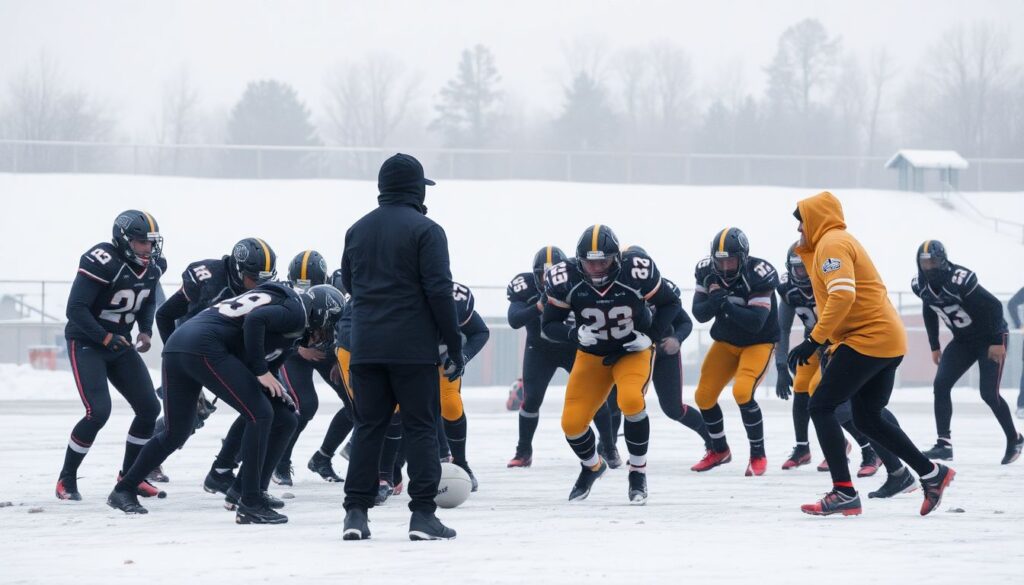
- Overloading high-intensity pressing drills can increase soft-tissue injury risk, especially on hard winter pitches.
- Players may lose composure on the ball if training emphasises pressure over decision quality.
- Veteran players with large histories of minutes need tailored loads and different recovery strategies.
- Over-committing to pressing can blind staff to alternative match plans required by specific opponents or conditions.
As a simple session idea, use an 8v8 + 2 goalkeepers on two-thirds of the pitch with the rule that every regain in the attacking third must lead to a shot or clear box entry within eight seconds. This connects tactical pressing details with decision speed and finishing.
In-game sequencing: implementing the press across match phases
Coaches often struggle not with designing a pressing structure, but with sequencing it logically across a full match. Many of the recurring mistakes and myths in the Süper Lig relate to when and how often the team should press.
- Myth: "We press for 90 minutes." No team can maintain their maximum pressing level all game. Elite pressing sides use waves: 5-10 minute bursts of very high pressure followed by more controlled, medium blocks.
- Error: pressing when the team is stretched. If your lines are already too far apart, jumping forward only opens larger gaps. Sequence the press after your team has reset its shape and compressed vertical distances.
- Myth: pressing equals reckless risk. Effective high pressing is actually risk management: you accept losing some deep cover to deny controlled build-up and dangerous entries around your box.
- Error: ignoring game state. Pressing at full power while protecting a narrow lead in stoppage time can be unnecessary. Instead, many top sides shift to mid-block and selective traps in wide areas.
- Myth: only young squads can press. While age matters, clear roles, smart distances and good rest can allow mixed-experience squads to press efficiently, even if total sprint volume is slightly lower.
- Error: not adjusting to subs. Fresh opponents after substitutions may suddenly escape a tired press. Your own subs must be prepared to either re-energise the press or stabilise a deeper block, depending on match context.
Evaluation frameworks: metrics, video analysis and performance thresholds
Proper evaluation connects numbers, video and subjective staff impressions into one coherent picture. Without this, coaches risk overestimating how well their team actually presses compared to league standards.
A practical approach is to combine simple internal metrics with clip-based meetings. For example, staff can track how often the first pressing wave forces the opponent to play long, how many regains in the attacking third lead to shots, and how many passes the opponent completes after breaking the first line.
During the week, analysts prepare a short Süper Lig tactical analysis high pressing segment: 10-12 clips from the last match showing good and bad presses, matched to numbers like "pressing regains in final third" or "opponent passes before clearance under pressure." This style of Turkish Süper Lig pressing stats and analytics presentation helps players see cause and effect rather than abstract data.
Across the season, staff can benchmark their team against league trends using advanced football analytics Turkish Süper Lig data. Even without publishing full models, internal dashboards can show whether pressing intensity, efficiency and chance creation from high regains are improving or stagnating, informing both tactical tweaks and recruitment choices.
To structure this evaluation clearly, many clubs use an internal ItemList-style categorisation: (1) intensity metrics; (2) effectiveness metrics; (3) structural stability indicators; and (4) video examples. This matches how Süper Lig data-driven tactics and performance analysis is slowly professionalising across the league.
Practical clarifications on implementing high pressing
How high up the pitch should a Süper Lig team press?
The ideal height depends on your centre-backs and goalkeeper. If they are comfortable defending big spaces, you can press from the opponent's box. If not, start your press slightly deeper, around the opposition's first line of build-up, and adjust in-game.
Can a mid-table squad with limited budget play effective high pressing?
Yes, if recruitment and training prioritise running power, mentality and clarity over star names. Define a few simple pressing patterns, focus on collective distances, and use the system to squeeze extra value from energetic, hungry players.
How many days per week should we train pressing?
Pressing should appear in some form in almost every football session, but the highest-intensity drills should be limited to 1-2 main days per week. On other days, integrate pressing decisions in smaller, lower-load games.
Which positions are most critical for a successful high press?
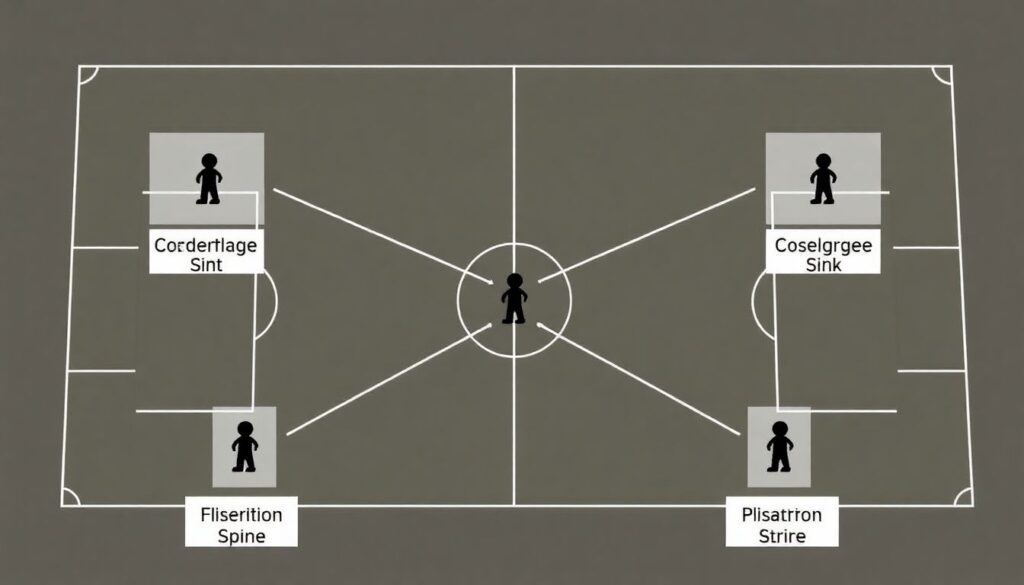
The central spine matters most: centre-backs, the holding midfielder and the number 9. If these three roles understand triggers, cover each other and communicate, the rest of the team can follow more easily and safely.
How do we protect ourselves against long balls behind the press?
Use a higher starting position for your goalkeeper, ensure at least one centre-back drops a step when the press starts, and coach backward recovery runs for full-backs and midfielders. Clear communication words for long-ball alerts help too.
Is high pressing compatible with a more controlled, possession-based style?
Yes. Many modern Süper Lig sides use high pressing to quickly regain the ball and then keep it with patience. The key is balancing moments of direct attack after regains with spells of calm possession to manage fatigue.
What is the simplest way to introduce high pressing mid-season?
Start with one or two clear triggers, such as backward passes to the goalkeeper or slow horizontal passes between centre-backs. Coach these in short, intense drills and apply them selectively in matches rather than changing the entire defensive system at once.