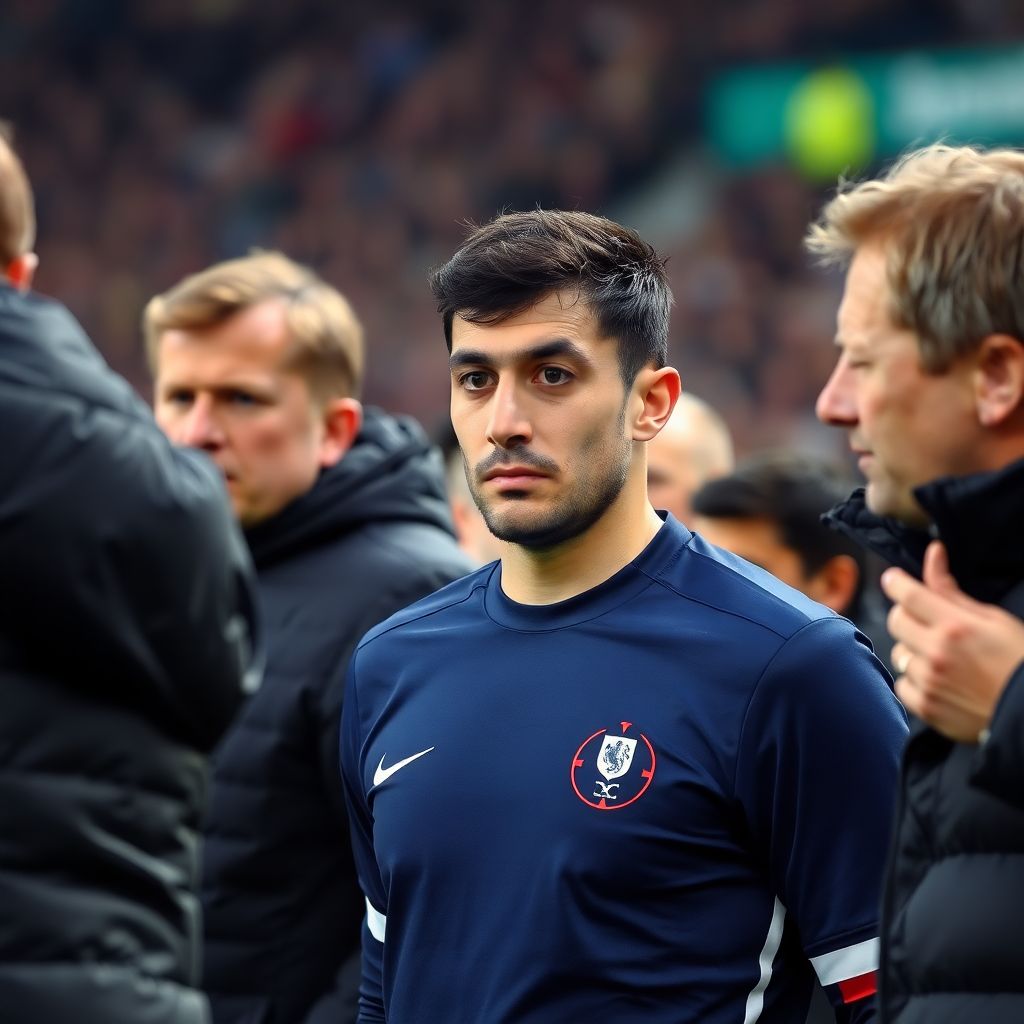
Turkish players often struggle in the Premier League because tactical habits from the Süper Lig, physical preparation, language and cultural adaptation, and club usage do not fully match English football’s intensity and structure. Safer progress comes from gradual adaptation, realistic roles, targeted conditioning, and stronger support systems from both clubs and agents.
Core Barriers Affecting Turkish Prospects in the Premier League
- Sudden tactical jump from Süper Lig rhythms to Premier League’s pressing and transition speed.
- Gaps in strength, pace, and recovery habits compared with English training standards.
- Language, lifestyle, and media pressure reducing early confidence and decision-making quality.
- Scouting bias and transfers based on reputation rather than clear tactical fit.
- Role misfits: creative players asked to focus mainly on defending or vice versa.
- Insufficient mentoring and individual development plans once the player arrives in England.
Tactical Adaptation: From Süper Lig Patterns to Premier League Demands
When people ask why turkish players fail in premier league environments, the tactical jump is usually the first explanation. The Süper Lig often has slower tempo phases, more space between the lines, and more tolerance for defensive lapses. The Premier League punishes every poor press, bad body shape, or slow reaction.
In English football, pressing triggers, rest-defense structure, and transition protection are non‑negotiable. A Turkish No.10 who is allowed to walk when the ball is lost in the Süper Lig will look lazy, even if he is technically brilliant. Turkish footballers in premier league analysis consistently shows that their natural instincts are often half a second too slow without targeted preparation.
A safe pathway is staged tactical exposure: first regular European competition, then a mid‑table league with similar intensity, and only then a Premier League move. Another safe step is pre‑transfer tactical work: watching and breaking down how players in the same position function for top English clubs, and drilling those behaviours (pressing angles, cover shadows, second‑ball reactions) before the move.
Clubs can also reduce risk with clear role definition. Instead of vague expectations like “work hard off the ball”, they should define 3-4 key behaviours for the first six months: where to stand in the block, which passing lanes to close, and which pressing triggers to follow. This narrows the tactical learning curve.
Physicality and Conditioning Gaps: Strength, Pace, and Recovery
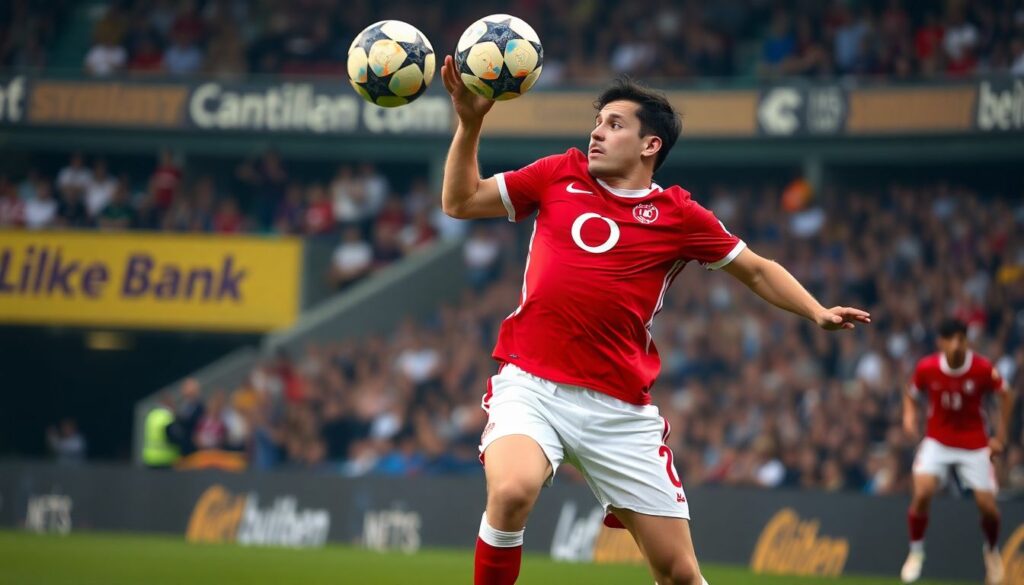
Another major group of reasons turkish players struggle in english football is physical. The intensity of sprints, aerial duels, and contact is different, as is the recovery rhythm between games. Many players underestimate this jump and pay for it with injuries or loss of confidence.
- Strength mismatch in duels
Strikers and midfielders often lose shoulder‑to‑shoulder challenges they would win in Turkey. Safe step: start a Premier League‑level strength program at least one season before moving, focused on core, hip, and upper‑body strength that translates into better balance and contact resistance. - Insufficient high‑intensity running base
The Premier League demands repeated sprints, not just straight‑line speed. Safe step: integrate repeated sprint training, small‑sided high‑tempo games, and GPS‑based monitoring early, so the body is ready for English sessions rather than shocked by them. - Recovery and sleep discipline
Match congestion and travel in England require strict recovery routines. Safe step: work with performance staff or personal coaches on sleep consistency, nutrition, and post‑match protocols before the move, then maintain them strictly despite lifestyle temptations. - Injury risk from overload
Players trying to “impress” by doing extra, on top of already intense sessions, often break down. Limitation: extra work must be periodised with medical staff; otherwise, it becomes unsafe rather than useful. - Body composition changes
Some Turkish players arrive either too light for duels or too heavy for repeated sprints. Safe step: adjust body composition gradually in the season before transfer, not in a rushed pre‑season with the new club.
Cultural and Language Integration: Off-field Factors Impacting Performance
On‑field problems are often amplified by off‑field stress. Even players with the right tactical and physical tools can underperform when they feel isolated or misunderstood. This is a frequent hidden layer behind the success rate of turkish players in premier league clubs.
- Language barriers in the dressing room
Missing tactical instructions or jokes isolates a player. Safe step: intensive English lessons at least one year before moving, plus continued weekly lessons in England. Limitation: relying only on a translator keeps the player dependent and slows integration. - Different coaching communication styles
English coaches may criticise more directly, which some players read as personal dislike. Safe step: agents and advisors should brief the player on typical communication norms and help interpret feedback in the first months. - Lifestyle and family adjustment
Weather, food, and schooling for children can all create background stress. Safe step: involve family early in the decision, visit the city several times before signing, and work with the club’s player liaison officer instead of improvising everything after arrival. - Media and social media pressure
Public scrutiny in England is intense, and fan reactions travel quickly back to Turkey. Safe step: pre‑planned social media rules, reduced online exposure on match days, and, if possible, light media training. - Lack of Turkish‑speaking support
Not every club has staff who understand Turkish culture. Limitation: without a cultural bridge (another player, staff member, or mentor), adaptation is slower and riskier, so smaller, more supportive clubs may be safer first destinations.
Scouting Biases and Transfer Strategy: Misaligned Recruitment and Valuation
Many transfers fail not because of the player’s absolute level, but because of poor fit and unrealistic expectations. When clubs ignore deeper turkish footballers in premier league analysis and rely on highlights or reputation, they take avoidable risks.
Upsides When Scouting and Strategy Are Done Well
- Clubs identify specific, transferable strengths (e.g., ball progression under pressure, set‑piece delivery) that fill a real need in the squad.
- Fees and wages reflect adaptation time, easing pressure on both player and coach to deliver instantly.
- Players are signed into roles similar to their Süper Lig usage, reducing the tactical learning curve.
- Data teams look beyond raw performance of turkish players in premier league statistics and model how the player’s numbers might translate across leagues.
Limitations and Risk Factors in Current Practice
- Highlight‑driven recruitment that overvalues flair actions and undervalues off‑ball discipline.
- Pressure from agents, fans, or presidents to sign “big names” rather than best fits for the coach’s system.
- Limited live scouting in different match contexts (home/away, strong/weak opponents), giving a partial view of mentality and resilience.
- No clear post‑transfer development plan; the player is treated as a finished product instead of a project needing 12-24 months of support.
Technical Profiles and Role Misfits: Positioning, Decision-Making, Ball-Playing Traits
Technical quality is rarely the core problem; misused technical profiles are. A player who looks like a failure may, in reality, be deployed in the wrong role or asked to make the wrong kind of decisions under pressure.
- Mistake: Assuming “creative” automatically means a Premier League No.10
Many Turkish creators are better as half‑space playmakers or deeper No.8s. Safe step: analyse their best games for where they receive the ball and how much defensive work they can realistically do. - Mistake: Ignoring first‑touch direction and scanning habits
The league’s speed punishes players who control first, look second. Remedy: targeted pre‑move training on scanning and open‑body receptions so technique matches Premier League time pressure. - Myth: Turkish players are “too soft” technically for England
In reality, many are technically strong but need adaptation in decision speed. Remedy: small‑sided, high‑pressure drills that force quick pass‑shoot‑dribble choices, ideally before the move. - Mistake: Asking ball‑playing defenders to go long too often
Centre‑backs comfortable building from the back can look average if forced into constant long balls. Safe step: sign them into teams that value their strengths instead of suppressing them. - Myth: Wide players must always beat full‑backs 1v1
Some Turkish wingers are more effective as inside forwards attacking gaps. Remedy: role design that emphasises smart movement and combination play over pure dribbling duels.
Club Support Structures: Coaching, Mentorship, and Development Pathways
Many “failed” moves could have become successes with better support structures. The difference between a struggling import and a settled starter is often what happens Monday to Friday, not only on Saturday afternoon.
Imagine two similar Turkish midfielders arriving at different English clubs:
Club A (unsafe pathway): Player is unveiled as a star, thrown straight into the starting XI, then dropped after a few inconsistent games. Training is generic, there is no assigned mentor, and communication about mistakes is unclear. After a season, both sides are frustrated and talk about “adaptation problems”.
Club B (safer pathway): Before the transfer, club and player agree on a 12‑month integration plan:
- First 3 months: mainly substitute appearances; focus on language, gym work, and learning pressing schemes.
- Months 4-8: starts in cup games and selected league matches; regular video sessions with an assistant coach.
- Months 9-12: clear starting role if performance and physical data reach agreed benchmarks.
In Club B, the player has a senior teammate as mentor, regular check‑ins with staff, and public messaging that adaptation takes time. This structure does not guarantee success, but it dramatically reduces unnecessary risk for both sides.
Actionable Checklist for Safer Turkish Success in England
- Start intensive English lessons and Premier League‑style strength and conditioning at least one season before any move.
- Choose clubs where the coach’s system and your natural role clearly match; avoid “big name” moves with vague plans.
- Agree on a realistic 12‑month integration pathway, including minutes targets, physical goals, and support staff.
- Use video and data to study your position in English football and rehearse specific off‑ball behaviours in advance.
- Limit social media exposure, seek mentoring, and involve family early to reduce off‑field stress during adaptation.
Practical Answers to Common Concerns about Turkish Players in England
Why do talented Turkish players look weaker in the Premier League than in the Süper Lig?
They face faster pressing, stronger opponents, and less time on the ball, so old habits are exposed. Without prior tactical and physical preparation, their strengths are neutralised before they can adjust.
Is the problem mainly physical, or mainly tactical?
It is a combination. Tactical misunderstandings create extra running, and insufficient conditioning makes that running harder. Addressing one without the other only partly solves the issue.
How can a Turkish player safely test if he is ready for England?

He should track his physical outputs in training, study video of his position in the Premier League, and get honest assessments from coaches who know both leagues. Short‑term loans to more intense European leagues can also be a safe intermediate step.
Do Premier League clubs underestimate adaptation time for Turkish signings?
Often yes. Many are treated like plug‑and‑play solutions rather than long‑term projects. Safer planning frames the first season as adaptation and development, not immediate dominance.
Can better data analysis improve the success rate of Turkish players?
Yes, if data is used to understand context and style, not just headline numbers. Clubs need to model how a player’s actions in Turkey will translate to English tempo, pressing, and space.
What can agents do to reduce the risk of failed moves?
Agents should prioritise fit over prestige, push for clear development plans, and prepare players off the pitch with language, cultural briefings, and realistic expectations about competition for places.
Is staying longer in the Süper Lig always safer than an early Premier League move?
Not always. A too‑late move can limit upside, but a too‑early move without preparation is equally risky. The safest timing is when the player has dominated locally and already adapted to at least one higher‑intensity environment.