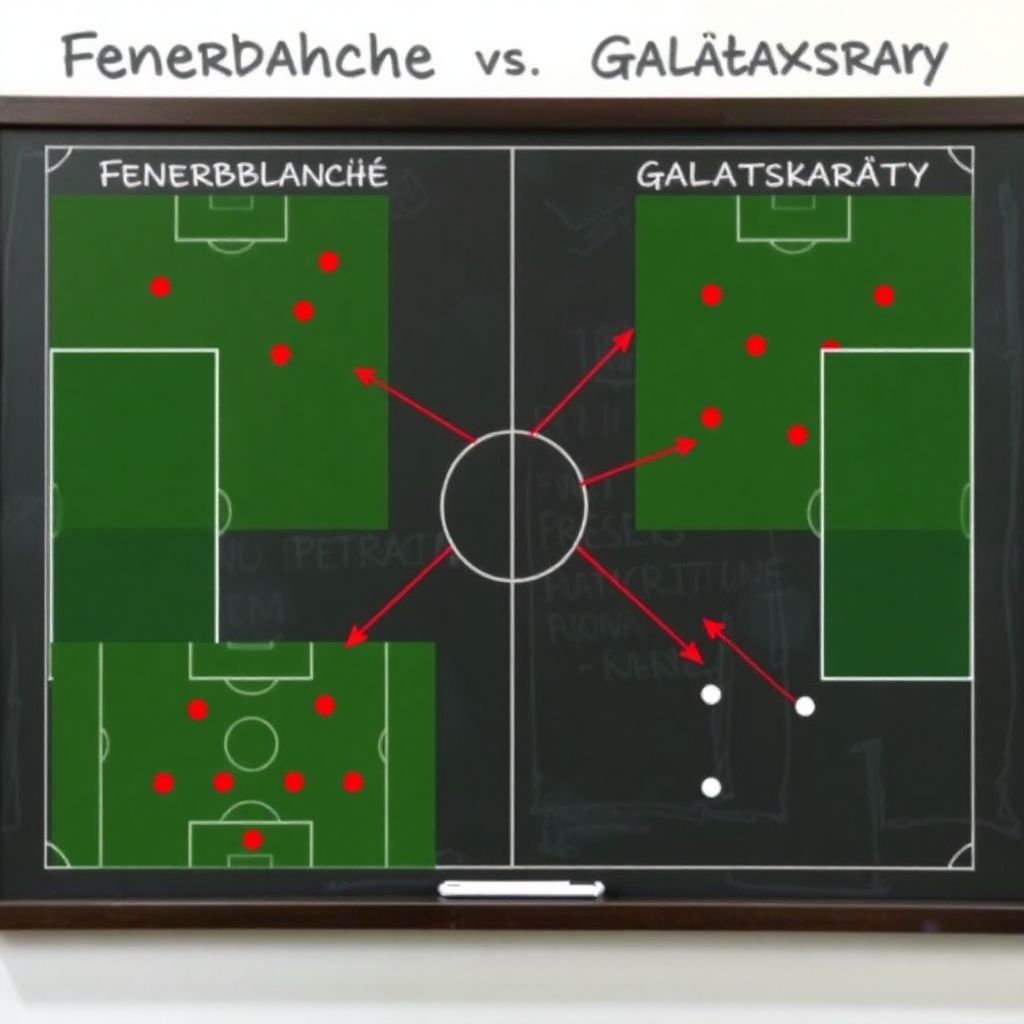
Over the last decade the Fenerbahçe-Galatasaray derby has shifted from rigid 4-2-3-1 battles into fluid hybrid systems, aggressive pressing traps and set-piece detail. If you coach, scout or bet on this matchup, then you must read it as a dynamic, evolving tactical ecosystem, not a fixed rivalry stereotype.
Core Tactical Shifts at a Glance
- If the starting shapes look like classic 4-2-3-1 vs 4-2-3-1, then expect them to morph quickly into asymmetrical 4-3-3 or 3-2-5 structures in possession.
- If Galatasaray build with a calmer tempo, then Fenerbahçe usually seek momentum through higher pressing and vertical transitions.
- If one full-back inverts into midfield, then the far-side winger must stretch the last line to prevent compact central blocks.
- If a team leads late at Kadıköy or Rams Park, then expect deeper 4-5-1 blocks and heavy set-piece emphasis rather than open exchanges.
- If you plan Fenerbahce vs Galatasaray betting tips, then analyse pressing intensity and rest-defence structure before focusing on individual star form.
- If supporters secure Fenerbahce vs Galatasaray VIP tickets or hospitality packages, then they are likely to witness a slower, tactical opening phase before the game stretches.
Formational Trends: From 4-2-3-1 to Hybrid Systems
Formational trends in this derby describe how the nominal starting shapes (often listed as 4-2-3-1 or 4-3-3) transform between phases of play. The definition goes beyond line-up graphics and focuses on real positional behaviour: rest defence, occupation of half-spaces and the number of players beyond the ball.
A decade ago, both teams frequently mirrored each other in 4-2-3-1: double pivot screening, wingers wide, full-backs overlapping in waves. In several Kadıköy derbies in the mid‑2010s, Fenerbahçe often maintained a strict double pivot to control central counter-attacks, while Galatasaray overloaded the No.10 zone with an aggressive playmaker roaming between the lines.
Recent meetings have featured more hybrid systems. For example, in Rams Park clashes around 2019-2022, Galatasaray often built in a 2-3-2-3 (full-back inverting next to the pivot, wingers tucking inside), while Fenerbahçe shifted from 4-2-3-1 to a 4-4-2 pressing shape with the No.10 joining the striker line. On paper nothing changed; on the pitch the rest-defence and pressing references were completely different.
If you coach an intermediate-level team and want to model this derby, then treat the line-up as a starting template only. If your opponent protects the centre with two pivots, then instruct one full-back to invert to form a 3‑2 base. If they defend in a flat 4‑4‑2, then use your No.10 to create a 3‑2‑5 in possession by joining the front line between centre-backs and full-back.
Pressing and Transition: Which Side Has Controlled Momentum
Pressing and transition sequences in this rivalry decide which side controls momentum, crowd emotion and rhythm. In practical terms, you can read this through pressing height, PPDA-like indicators (how often the opponent can pass before being challenged) and the number of passes before each shot.
- If the first line jumps onto centre-backs (high press), then the nearest sixes must lock onto pivots and full-backs to avoid vertical splits; otherwise Galatasaray or Fenerbahçe will break through with one wall pass.
- If one team drops into a mid-block (line of confrontation near the centre-circle), then they usually prepare to spring wide counter-attacks into the channels behind advanced full-backs.
- If the press is man-oriented on the ball side, then the far-side winger must narrow to protect the half-space, preventing the opponent’s switch that often leads to cut-backs.
- If Fenerbahçe overloads the second ball zone after long goal-kicks, then Galatasaray’s pivot should stay slightly deeper to collect clearances and immediately recycle into wide isolation duels.
- If Galatasaray sustain possession with slow circulation, then Fenerbahçe typically raise pressing intensity for short periods (5-10 minutes) to energise the crowd and steal transitions.
- If your team cannot maintain high physical output, then use a “press in waves” model: one or two intense high‑press phases per half, otherwise a compact mid-block.
Concrete examples: in the 2-2 derby at Kadıköy in 2018, Fenerbahçe changed the game by raising the press after halftime, forcing Galatasaray into rushed clearances and regaining momentum. In several recent Rams Park matches, Galatasaray controlled early phases through calm build-up, then used sudden counter-pressing bursts once Fenerbahçe tired.
If you want to watch Fenerbahce Galatasaray live stream as a coach or analyst, then focus less on the ball and more on the height and compactness of the first two defensive lines. If your opponent builds from the back under little pressure, then step your block 10-15 metres higher and trigger the press on the second or third centre-back touch, not the first.
Mini-application scenarios:
- If your winger is late in the press, then instruct your striker to angle his run to force play wide, buying time for the block to slide.
- If the opponent’s pivot keeps turning out under pressure, then change the cue: press when the ball travels into the full-back instead, and jump onto the pivot from the inside.
- If your side keeps losing the ball in transition, then set a three-pass rule: first pass out of pressure, second to secure, third to play forward or switch.
Flanks and Full‑Backs: Evolution of Wide Attacks in the Derby
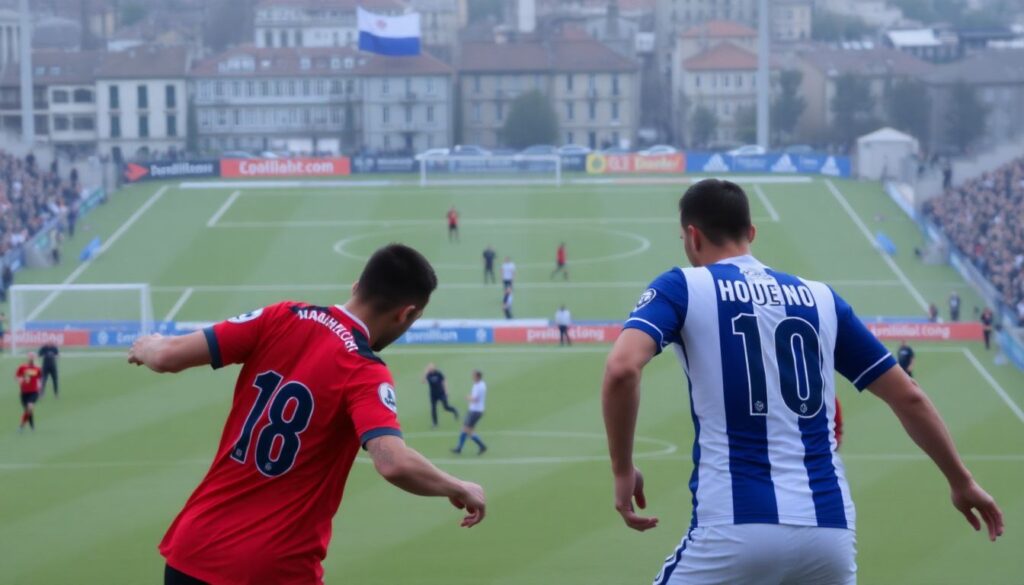
Wide attacks in this derby have evolved from classic winger-full-back overlaps to complex rotations with inverted full-backs and inside wingers. The key variable is who provides width and who occupies the half‑space between opposition full-back and centre-back.
In several mid‑2010s meetings at Kadıköy, Fenerbahçe relied on strong overlapping full-backs and wide wingers staying close to the touchline. Galatasaray answered with deeper full-backs, inviting crosses but protecting the half‑spaces. In more recent games at Rams Park, Galatasaray’s full-backs have often inverted, leaving wingers to stretch the width while attacking midfielders crash the box from the far side.
Typical application scenarios for coaches and analysts:
- If the opponent’s full-back jumps aggressively to your winger, then instruct your own full-back to underlap into the channel, turning the duel into a 2v1 inside rather than outside.
- If their winger does not track back, then create a 2v1 on the flank by pushing your full-back high and letting the near-side central midfielder drift wide.
- If both teams invert full-backs, then the wide zone can be empty: ask your winger to stay wide and high to pin the full-back, freeing the half-space for your No.8.
- If Galatasaray’s left side overloads your right half-space, then instruct your right-back to stay deeper and narrower, allowing your winger to handle the wide zone alone.
- If Fenerbahçe push both full-backs high at home, then leave one winger high in the opposite half-space ready to counter into the area they vacate.
Match examples: in multiple Kadıköy clashes, Fenerbahçe have used a right-sided overload with the No.8 drifting wide, mirroring Galatasaray’s attempts at Rams Park to create left‑side triangles. If you are planning Fenerbahce vs Galatasaray tickets as a neutral analyst, then choose seats with a wide angle view of both flanks to evaluate these rotations rather than just the ball.
Defensive Shape: Zonal Blocks, Line Management and Countermeasures
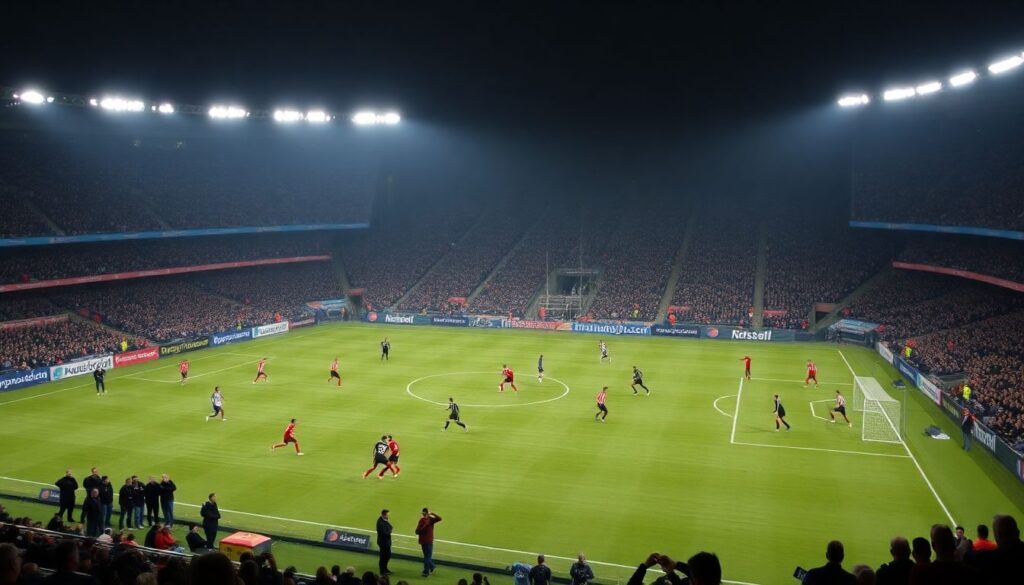
Defensive shape in the derby covers how the back four or back three co-operate with midfield lines to protect central areas while controlling the box and half-spaces. Over the last decade, both teams have alternated between compact 4‑5‑1 mid-blocks and more daring 4‑4‑2 or 4‑1‑4‑1 shapes.
At Kadıköy, Fenerbahçe traditionally prefer a slightly deeper, more combative block when defending a lead, while Galatasaray at Rams Park try to compress space closer to the halfway line, trusting their centre-backs in races towards their own goal. Coaches reading this must understand both what these blocks offer and what they expose.
Benefits of prevalent zonal blocks in the derby
- If you sit in a compact 4‑5‑1, then you protect central channels and force opponents to cross from wider, less dangerous zones.
- If your back four stay connected at 8-10 metres horizontally, then you reduce gaps for third‑man runs and wall passes into the box.
- If your wingers drop to form a second line of five, then you can double up on opposition wide players without dragging centre-backs out.
- If you co-ordinate a stepping centre-back on the striker, then you can break opponent rhythm between the lines and encourage backward passes.
Limitations and risks in these defensive structures
- If your block is too deep, then second balls from cleared crosses will be owned by the opponent, creating repeat attacks and cut-backs.
- If the midfield line does not press the ball-carrier, then even a seemingly compact 4‑5‑1 can concede long shots and diagonal switches behind the full-backs.
- If one centre-back steps without cover, then you open lanes for diagonal runs, frequently exploited by quick Fenerbahçe and Galatasaray forwards.
- If your full-backs are pinned two‑v‑one, then wingers will be forced to defend deep, leaving you with little counter-attacking threat.
Set-Pieces, Risk Management and Match-Defining Moments
Set-pieces in this rivalry-corners, wide free-kicks, and long throw-ins-often determine matches that are otherwise tactically balanced. Risk management means how you balance aggressive pursuit of goals with the need to avoid conceding on transitions and dead‑ball situations.
Across multiple Kadıköy and Rams Park derbies, set-piece schemes have decided games: screens on key markers, back‑post overloads, or creative short‑corner routines. Yet coaches and analysts still fall into recurring errors driven by emotion and derby pressure.
- If you concede one dangerous set-piece, then do not overreact by dropping everyone into the box; this often kills your counter-attacking outlet and invites more pressure.
- If your team wins many corners early, then resist the myth that “more bodies equals more danger” and maintain at least two players high to protect transitions.
- If your main aerial threat is tightly marked, then use him as a decoy to clear space for late-arriving midfielders rather than forcing balls directly at him.
- If you lead late in the game, then do not take flat, inswinging free-kicks with many players forward; instead, play short and keep your rest-defence stable.
- If people sell Fenerbahce Galatasaray derby hospitality packages promising “guaranteed goals from corners”, then treat this as marketing, not analysis; these matches are decided by the quality of execution, not the quantity of set-pieces.
- If you prepare Fenerbahce vs Galatasaray betting tips, then analyse which team currently defends zonally vs man‑to‑man on corners; mismatches here are often more predictive than general possession numbers.
Managerial Influence: How Coaching Decisions Rewrote Patterns
Managerial influence in this derby refers to how coaching decisions-system changes, substitutions, pressing triggers-alter the tactical narrative within 15-20 minutes. Across the last decade, several derbies have flipped completely after half-time adjustments or early substitutions driven by touchline reading of the game.
One example: in a Rams Park derby, a coach shifted from a cautious 4‑2‑3‑1 to a bolder 4‑4‑2 diamond mid‑game by pushing the No.10 next to the striker, pulling wingers inside as attacking midfielders and using full-backs as sole width providers. This change transformed pressing angles, made build-up more central, and forced the opponent’s pivots into permanent defensive roles.
Think of in‑game adjustments in a simple “if… then…” pseudo‑code for your own coaching practice:
if (opponent_fullbacks_high && transitions_weak) {
    keep_two_forwards_high;
    instruct_ball_winner_to_play_vertical_first;
}
if (your_pivot_overloaded) {
    drop_no10_into_second_line;
    push_wingers_high_to_fix_their_fullbacks;
}
if (you_lead_after_70) {
    switch_to_4_5_1_midblock;
    keep_one_fast_forward_high_for_counters;
}
For fans and analysts choosing Fenerbahce Galatasaray derby hospitality packages or trying to watch Fenerbahce Galatasaray live stream with a tactical eye, the key is to log every visible structural change: line of engagement, shape in possession, and roles of full-backs. If Fenerbahçe vs Galatasaray VIP tickets give access to warm-up views, then observe how both sides rehearse their pressing cues and set-piece patterns; these often foreshadow in‑game shifts.
Tactical Clarifications for Coaches and Analysts
How should I structure pre-match analysis for the Fenerbahçe-Galatasaray derby?
Start with last three to five derbies and current‑season league matches. Identify base formations, pressing heights, and how each coach manages leads and deficits. If those patterns repeat, then prepare at least two clear “if they press high, then we…” and “if they sit deeper, then we…” gameplans.
What metrics matter most when evaluating pressing in this rivalry?
Focus on how often the ball is forced long, where turnovers happen, and how many passes the opponent completes before entering your final third. If turnovers cluster in wide areas near halfway, then your press is guiding play well but may need better cover on switches.
How can an amateur coach copy useful derby ideas without overcomplicating things?
Borrow simple rules, not whole playbooks. For example, if your full-back goes, then your winger stays; if the striker presses, then the No.10 follows the pivot. Apply one or two derby-inspired principles per match, not ten.
Is it better to mirror the opponent’s formation in the derby or keep my own structure?
If your team is tactically mature, then mirroring can help create direct duels and simpler pressing references. If your squad is less flexible, then keep your best-known structure and adjust only roles: for example, deeper wingers or a more conservative full-back on one side.
How should I approach set-piece planning specifically for this matchup?
Review recent derbies to see whether opponents mark zonally, man‑to‑man or in hybrids. If they defend zonally, then design blocking runs to attack spaces; if they mark tightly, then exploit decoy movements by your best aerial threats and late runs from the edge of the box.
What is the safest in‑game adjustment if my team is being overrun in midfield?
If you are outnumbered centrally, then first drop your No.10 closer to the pivot to form a three; next, pull one winger slightly inside to congest the half-space. This usually restores control without a full formation change.
How should bettors and data analysts interpret derby form vs league form?
If league form contradicts long-term derby trends, then weigh tactical matchups more heavily than short-term results. Consider pressing styles, set-piece strength and wide overload patterns before using overall league tables in your models.