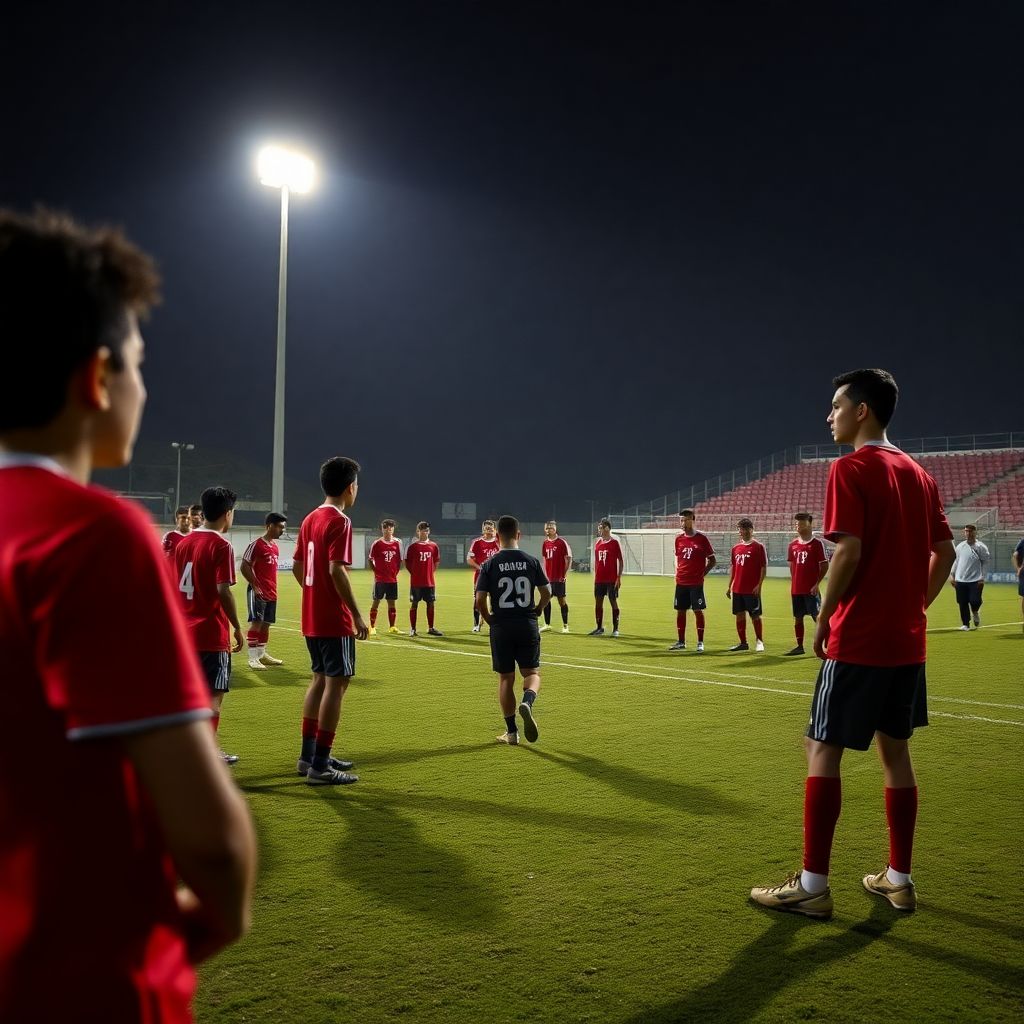
Anadolu’s smaller Turkish clubs act as low-cost, high-intensity talent labs: they identify local kids early, give them heavy game minutes in regional leagues, then sell the best to Istanbul giants or Europe. To use this pipeline well, you must understand local scouting, development models, contract timing, and realistic market expectations.
Talent Pipeline Snapshot
- Smaller Anadolu clubs combine school football, municipal pitches, and informal tournaments into a continuous scouting funnel.
- Relationships between local coaches, agents, and big clubs quietly drive the turkish football talents transfer market.
- Development focus: adaptability, physical resilience, and game intelligence over early specialization.
- Clubs rely on transfer income to survive, so timing of sales is as important as training quality.
- Good documentation and consistent turkish football academy scouting reports increase trust from buying clubs.
Historical Roots: Anadolu’s Grassroots Ecosystem
“From Anadolu to the world” describes how provincial Turkish clubs, often outside the Istanbul-Ankara-Izmir triangle, discover and shape players who later move to elite teams. These clubs work with minimal budgets, but with dense local networks: schools, municipal fields, amateur sides, and regional tournaments.
The ecosystem grew around three pillars: passion for football in small towns, strong local identity, and the need for big clubs to find affordable talent. Instead of copying full European academy models, many Anadolu clubs built hybrid systems: partly structured academies, partly informal community scouting through trusted local coaches and teachers.
Today, when fans or analysts look for the best young turkish football players 2024, they rarely start in Istanbul only. They check which provincial clubs are giving consistent minutes to 17-20-year-old players in TFF 1. Lig and TFF 2. Lig, because these environments often show who can handle physical and mental pressure.
- Map key Anadolu regions with strong youth traditions (Central Anatolia, Black Sea, Southeast).
- Track which provincial clubs regularly sell players to Süper Lig or Europe.
- Study how local schools and municipal programs feed those clubs.
- Prioritize leagues where under-21s actually play, not just sit on the bench.
Scouting Networks and Local Partnerships
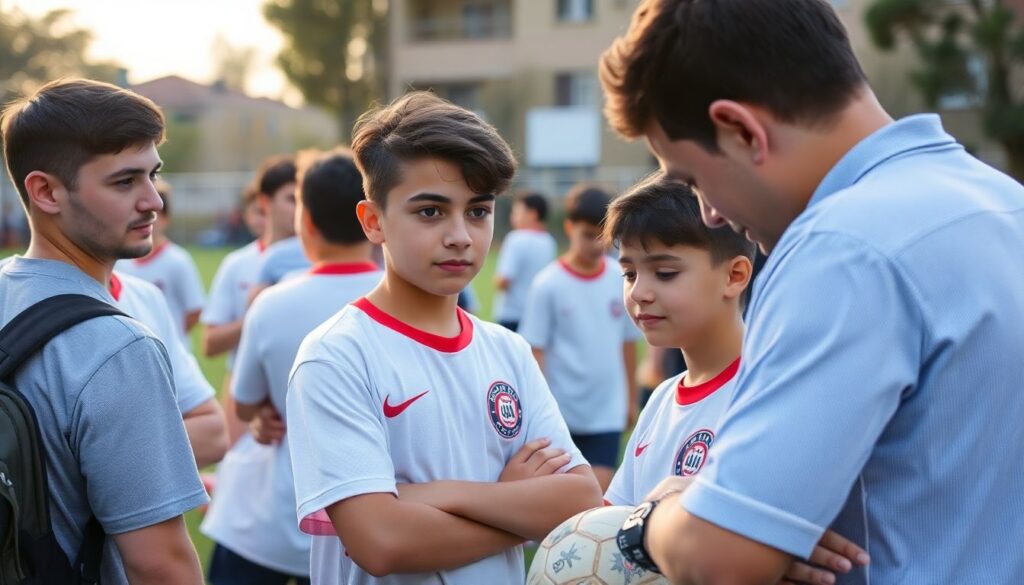
Smaller Turkish clubs cannot outspend top sides, so they out-connect them. Their scouting relies on relationships and constant presence in local football life rather than big data departments.
- School and Municipal Links: Youth coaches attend school tournaments, PE classes, and municipal events. Teachers tip off academy staff when they see unusually athletic or competitive children.
- Amateur and Regional Leagues: Scouts regularly visit weekend amateur games, veterans’ teams, and village tournaments. Many future professionals first show up for their town’s amateur side before joining a licensed club.
- Coach-to-Coach Referrals: Local coaches who lack infrastructure pass their best players to slightly bigger clubs in nearby cities in exchange for goodwill, friendly games, or small support packages.
- Agent and Intermediary Cooperation: Some agents specialize in provincial areas, monitoring U14-U19 players and maintaining databases that later become internal turkish football academy scouting reports for buying clubs.
- Partnerships with Elite Clubs: Anadolu clubs may sign cooperation agreements with one of the top turkish clubs for developing young players, organizing joint camps, friendly games, and early look opportunities.
- Community Reputation: Parents will not send their kids if a club has a bad record on education or payments. Maintaining trust sustains the flow of talent.
- Build a simple contact list of PE teachers, amateur coaches, and local officials.
- Schedule regular match-watching days for school and amateur tournaments.
- Standardize what information a local coach sends when recommending a player.
- Review and update local partnerships every season based on real player movement.
Youth Development Models in Smaller Clubs
Youth development in provincial Turkey follows several practical models depending on budget, facilities, and local player volume. No single template fits all, but understanding the main patterns helps you evaluate a club’s potential to produce and sell players.
Micro-Academy Attached to Senior Team
A limited but focused structure with 2-4 youth age groups (for example U15, U17, U19). Training happens on shared pitches, often after the senior squad. Coaches double as assistant or fitness coaches for the first team, ensuring alignment.
School-Centric Partnership Model
The club signs cooperation protocols with a few local schools. Football training partly occurs during or right after school hours, sharing facilities and minimizing travel costs. This is common in smaller towns where a single high school dominates local sports.
Satellite Club Network
One provincial club coordinates 3-8 “satellite” amateur clubs in nearby villages or districts. Satellites train kids up to a certain age (for instance U13-U14), then send the most promising ones to the central club for more rigorous work.
Loan-and-Play Development Route
Some clubs sign more youth players than they can use, then immediately loan them to even smaller teams. Players get senior football early and return if they progress. This is especially visible in lower professional tiers.
Hybrid Education-Football Programs
In cities with universities or strong high schools, clubs integrate academic support (tutors, exam prep) to convince families. The pitch time might be similar, but player retention and family support improve significantly.
- Identify which development model your target club actually follows, not just what is on paper.
- Check how many youth players reach the first team squad each season, even as substitutes.
- Evaluate whether the model supports both football and basic education needs.
- Prefer environments where players get regular competitive matches, not just training sessions.
Coaching Philosophy and Player Progression
Coaching in Anadolu clubs often balances old-school toughness with modern tactical ideas. The best environments create adaptable players who can switch clubs, leagues, and roles without losing confidence. Understanding the philosophy helps predict which players can make the jump to elite levels.
Typical Strengths of Anadolu Coaching
- Emphasis on physical duels, second balls, and work rate in real match conditions.
- High game exposure from a young age, often against older opponents.
- Coaches who know the realities of the turkish football talents transfer market and prepare players mentally for moves.
- Focus on versatility: full-backs who have played as wingers, midfielders who understand multiple roles.
Typical Limitations and Risks
- Limited access to specialized staff (analysts, psychologists, nutritionists).
- Overreliance on physicality instead of refined technical details in some clubs.
- Training pitches and equipment that make certain playing styles harder to develop.
- Pressure to win promotion or avoid relegation, which can reduce patience with young players.
- Ask how many minutes under-21s actually played for the first team last season.
- Watch training sessions to see if coaches correct details or just shout about effort.
- Look for evidence of individual development plans per player, even if informal.
- Check whether players improve decision-making over a full season, not only fitness.
Case Studies: From Provincial Teams to Top Leagues
Case studies show patterns, but they also highlight mistakes and myths that mislead scouts, agents, and fans. Below are common traps seen when interpreting “from Anadolu to the world” stories.
- Myth: “One breakout season proves everything.” A young player shining for half a season in TFF 1. Lig may still struggle with consistency, nutrition, and off-field habits. Always compare at least two full seasons of data and live observation.
- Error: Ignoring context of role and system. A centre-back protected by two defensive midfielders in a deep block may look better statistically than a more exposed defender in a high line. Understand the team’s tactical model before projecting the player to a higher level.
- Myth: “If he is not in Istanbul, he was missed.” Many Anadolu clubs intentionally keep players one or two more years to increase value and readiness. Staying provincial longer is not always a sign of lower ceiling.
- Error: Overweighting youth national team caps. Call-ups can reflect timing, coaching preferences, or politics. A non-capped 19-year-old starting every week in a tough league may be a better bet than a bench player with youth caps.
- Myth: “Wonderkid in Football Manager equals wonderkid in real life.” Fans who search “buy turkish wonderkids football manager” see game ratings, but in real scouting you must verify injury history, training habits, and adaptability through direct information and in-person viewing.
- Study at least two seasons of matches, not only highlight videos.
- Evaluate performance within tactical and physical context of the team.
- Balance national team reputation with real club minutes and impact.
- Use games and data tools as starting points, never as final proof.
Economic Drivers: Transfers, Contracts, and Sustainability
The economic engine of Anadolu talent development is simple: produce players cheaper than big clubs, then sell at the right time. Many provincial sides survive by one or two good transfers every few seasons, so contract strategy and timing are central.
A simplified “talent sale” flow looks like this:
// Pseudo-flow of an Anadolu talent pathway
Identify local U14 player
↓
Offer basic youth contract + school support
↓
Give U17-U19 minutes, then senior debut
↓
Extend contract before breakout season
↓
Sell to big Turkish or European club
↓
Reinvest part of fee into facilities and next age groups
For analysts following the turkish football talents transfer market, the most important indicators are: contract length remaining, club’s financial pressure, and recent player performance trend. For smaller clubs, sustainability means avoiding desperate late sales, keeping sell-on clauses, and spreading income into both facilities and coaching quality.
- Check remaining contract years on any target player and renew early if possible.
- Negotiate realistic but meaningful sell-on percentages when selling to bigger clubs.
- Use transfer income to improve pitches, medical care, and coaching education, not only short-term squad depth.
- Monitor wage structure so one big transfer does not create unsustainable salary expectations.
End-of-Article Self-Check for Practitioners
- Can you map at least three local sources of talent (schools, amateur clubs, municipalities) for a given Anadolu region?
- Do you know which development model a target club uses and how many youth players reach its first team?
- Have you watched full matches across at least one full season before judging a prospect?
- Can you explain a player’s transfer value by linking performance, contract length, and club strategy?
Practical Questions About Talent Pathways
How do smaller Turkish clubs compete with big academies for young players?
They offer quicker first-team pathways, strong local support networks, and lower pressure environments. Many families prefer nearby clubs that combine school and football, even if facilities are modest.
What should I look for in turkish football academy scouting reports from Anadolu clubs?
Check age, primary and secondary positions, minutes played, injury history, and specific match references. Reports that include coach feedback and tactical role descriptions are usually more reliable.
Which indicators show that a club is one of the top turkish clubs for developing young players?
Track how many academy graduates play in the first team, how often the club sells players upward, and whether it reinvests in pitches, coaching education, and youth infrastructure.
How can a scout avoid overrating the best young turkish football players 2024 from highlight videos?
Watch full matches, especially in difficult away games, and compare performances over time. Speak with coaches about training habits and mentality, not just technical skills.
Why do some promising Anadolu talents stagnate after a big transfer?
They may move too early, lose playing time, or struggle to adapt to new tactical demands. Without a clear progression plan and support, confidence and development can stall.
How should a small club time the sale of a young player for maximum benefit?
Ideally, extend the contract before a breakout season, then sell after sustained strong performances. Include sell-on clauses and performance bonuses instead of pushing for only the immediate fee.
Is it realistic for analysts and fans to track Anadolu talents without living in Turkey?
Yes, by combining streaming of lower-league matches, local media, club social channels, and reliable data platforms. Building a basic understanding of league structure and club reputations is essential.