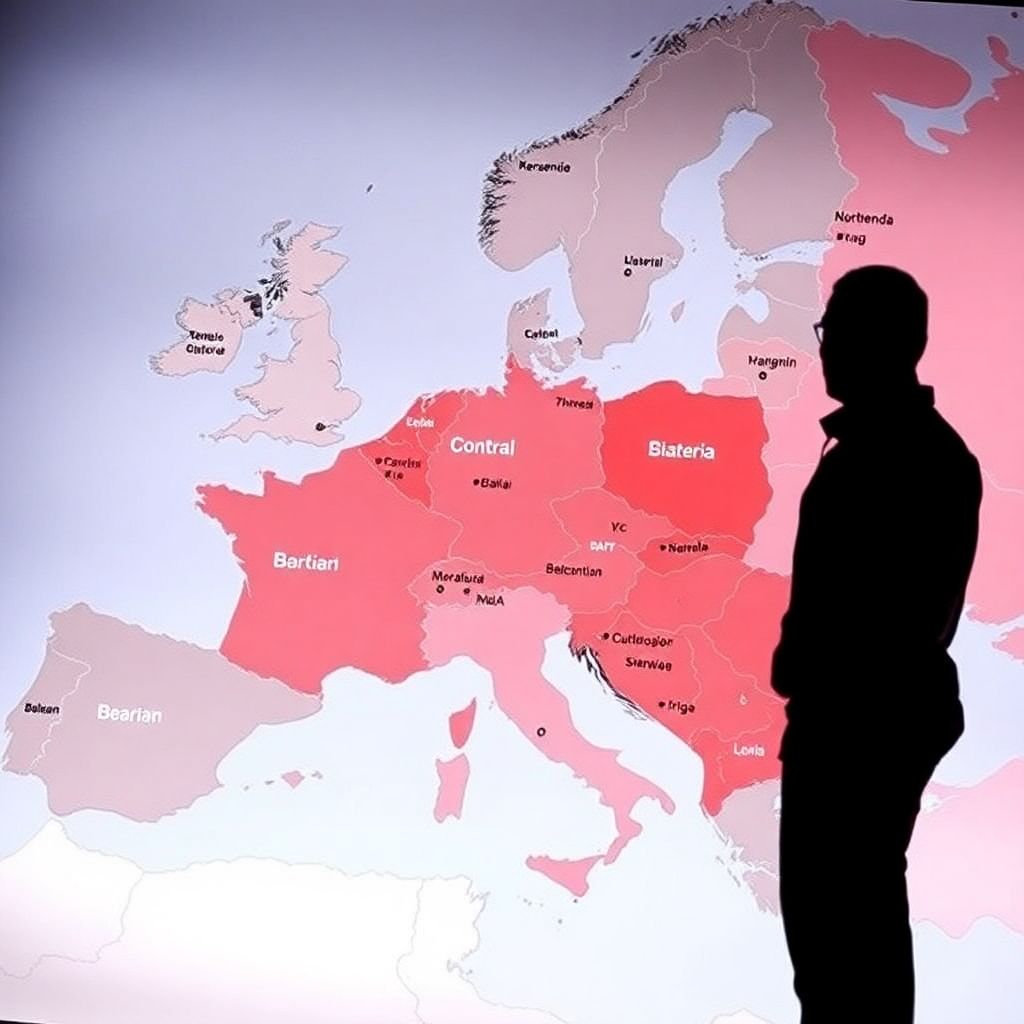
Under-the-radar European leagues give Turkish clubs cheaper access to minutes-rich players, but each region differs in adaptation risk, work-permit complexity and data reliability. Nordic and Central Europe are easier to plug into Turkish football, while Balkans and Iberia offer higher upside with bigger volatility in mentality fit, contract structures and resale outcomes.
Scout Priorities When Targeting Lesser-Known European Leagues
- Define clear age, minutes and salary bands before entering any new league market.
- Balance ease of integration (climate, culture, language) against ceiling for resale profit.
- Use trusted local contacts or a football scouting agency europe for turkish teams to reduce information gaps.
- Cross-check video impressions with tracking data, especially for high-intensity leagues.
- Start with 1-2 pilot signings in each region before scaling your scouting budget.
Nordic Markets: Finland, Sweden and Norway as Talent Pipelines
For turkish football scouts european leagues, the Nordic region is often the most practical entry point into under-the-radar markets. Finland, Sweden and Norway combine good physical preparation, clear contract structures and relatively transparent data. Players usually speak English and are used to professional environments, which lowers integration risk.
These leagues run on calendar-year or mixed calendars, so you can track full-season data before the Turkish summer window. It is realistic to target players in their early 20s with high domestic minutes and modest market values compared with the european lower leagues football players transfer market in the big five countries.
In Finland, you may find technically decent, tactically disciplined players slightly below top Scandinavian intensity levels but at lower cost. Sweden and Norway tend to produce more athletic profiles, especially box-to-box midfielders and wide forwards accustomed to pressing systems, which suits many Turkish tactical models.
- Checklist – Nordic:
- Filter for players aged roughly 20-24 with at least one full season of consistent starts.
- Prioritise leagues with reliable event and tracking data for sprint and duel metrics.
- Validate character and adaptation potential via two independent local references.
Benelux Alternatives: Belgium’s Lower Tiers and the Dutch Eerste Divisie
Belgium’s second tier and the Dutch Eerste Divisie are among the best under the radar european football leagues for scouting because of strong youth development and tactical sophistication. The convenience is high: short travel from Turkey, centralised data and clubs familiar with selling to foreign markets.
- Technical level: Dutch Eerste Divisie players are usually comfortable in build-up and positionally educated, which reduces coaching time after transfer.
- Minutes and age: You can target 18-22-year-olds with heavy senior minutes, a profile harder to find in bigger leagues where youngsters sit on benches.
- Risk profile: Defending can be loose, especially in the Netherlands, so attacking numbers may be inflated relative to Süper Lig defensive intensity.
- Contract dynamics: Many contracts include promotion-related clauses; if you move late in the season, prices can jump quickly.
- Resale: Players moving from Benelux to Turkey can later be sold back into Western Europe if they adapt well, increasing your upside.
- Checklist – Benelux:
- Use data filters to adjust for league attacking bias when evaluating forwards.
- Compare player performance in matches vs promotion contenders, not only mid-table sides.
- Clarify promotion and sell-on clauses before committing scouting time to specific targets.
Balkans and Adriatic: Serbia, Croatia and Slovenia’s Development Pathways
Serbia, Croatia and Slovenia are attractive to talent scouting services europe for turkish clubs because they blend strong football culture with lower wage demands. These pathways are especially relevant for positions where Turkish academies struggle to produce enough depth, such as aggressive central defenders and tactically flexible central midfielders.
One scenario is targeting players who shine in domestic leagues but have not yet moved to the top regional clubs. Here the risk is performance variance: some players are dominant mainly because of physical advantages that shrink once they arrive in Turkey.
Another scenario involves recruiting from academies of historically strong clubs that loan players out to smaller sides. These players often have solid tactical schooling and international youth experience, yet their contract situations can be complex, with percentages owed to third parties or previous clubs.
Finally, Slovenia can be a gateway for more diverse profiles, including African or South American players first landing in Europe. They may be undervalued in local markets but require extra work on adaptation and language support once in Turkey.
- Checklist – Balkans & Adriatic:
- Prioritise players with at least one season of consistent minutes in a senior league, not just youth competitions.
- Request full contract breakdown early to avoid surprises around shared rights.
- Assess emotional resilience and professionalism, not only technical quality, before making offers.
Iberian Dark Horses: Portugal’s Segunda Liga and Spain’s Lower Divisions
Portugal’s Segunda Liga and Spain’s lower divisions attract growing attention from a football scouting agency europe for turkish teams because the technical level is high and coaching is sophisticated. Turkish clubs can find creative midfielders and intelligent full-backs who are tactically adaptable and comfortable under pressure.
The main constraint is that these players are often already monitored by Western European clubs, so competition and transfer expectations can be higher than in the Balkans or Nordic regions. Additionally, some players may view Turkey only as a short-term stepping stone, raising medium-term squad-planning risk.
- Advantages:
- High technical and tactical base, simplifying adaptation to complex game models in Turkey.
- Large talent pool, including players blocked at big clubs but successful on loan.
- Frequent cup competitions and B-team structures, providing rich video and data samples.
- Limitations:
- Higher wage and fee expectations compared with similar quality in Central or Eastern Europe.
- Potentially shorter commitment horizons, with players quickly pushing for moves to top-five leagues.
- More complicated negotiations due to agents with multi-country portfolios and image-right clauses.
- Checklist – Iberia:
- Identify players slightly older than typical prospects who are blocked at bigger clubs but ready for responsibility.
- Analyse match footage specifically versus high-press opponents to test decision-making speed.
- Plan longer negotiation timelines and budget for agent fees when entering this market.
Central Europe Opportunities: Czech Republic, Slovakia and Poland’s Hidden Prospects
Central Europe offers an interesting balance between affordability and intensity, yet several myths can mislead Turkish decision-makers. Understanding these can help clubs navigate the european lower leagues football players transfer market more effectively and avoid overpaying for limited upside profiles.
- Myth: All Central European defenders are automatically aggressive and dominant in duels.
Reality: Many are system-protected; outside their usual low-block schemes, their weaknesses become visible. - Myth: These leagues are only good for physical profiles.
Reality: There are creative midfielders and technical wingers, but they might play in less-publicised clubs and need deeper video work to spot. - Myth: Fees are always cheap.
Reality: Some clubs price their best players aggressively, especially when multiple foreign clubs show interest at once. - Myth: Adaptation is guaranteed because the climate is similar.
Reality: Cultural and language barriers still exist, and not every player is ready for the intensity of Turkish crowds and media.
- Checklist – Central Europe:
- Focus on players who have performed well in European qualifiers or national-team setups, not only domestically.
- Cross-check physical test data with game footage to avoid overrating pure size and strength.
- Include psychological and communication assessments in final recruitment decisions.
Operational Factors: Work Permits, Transfer Costs and Data Reliability
When turkish football scouts european leagues, operational details often decide whether a transfer succeeds. Work-permit rules, medical standards, language support and data reliability are uneven across under-the-radar markets. Comparing regions on implementation ease and risk helps clubs allocate scouting resources more rationally.
Consider a mini-case: a Turkish club wants an energetic left-back. In the Nordics, the player likely has EU papers, clear medical history and comprehensive data, but the wage starting point may be higher. In the Balkans, the wage is lower, but contract structures and documentation could be more complex, increasing legal workload and timing risk.
Clubs can treat each region as a different risk band. Nordics and Benelux generally mean higher up-front cost but lower execution risk and better data. Balkans, Central Europe and Iberia can offer higher upside in resale, yet require stronger due diligence, local legal support and more time for adaptation planning.
- Checklist – Operations:
- Create a region-by-region risk matrix covering work permits, medical standards, contract opacity and data availability.
- Build relationships with at least one trusted legal advisor and one data provider per key region.
- Plan overlapping timelines so visas, medicals and adaptation support are ready before the player arrives.
| Region | Ease of Implementation | Key Risks |
|---|---|---|
| Nordics | High: clear contracts, strong data, good English | Higher wage baseline, physical style may hide technical limits |
| Benelux Lower Tiers | High: tactical education, accessible travel | Inflated attacking stats, promotion clauses |
| Balkans & Adriatic | Medium: strong talent, cultural proximity | Complex contracts, big step in pressure and media |
| Iberia Lower Leagues | Medium: very good technical base | Higher competition, shorter commitment horizons |
| Central Europe | Medium: good intensity and value | Stereotypes about physicality, varied professionalism |
- Final self-checklist for Turkish clubs:
- Have you defined league-specific profiles instead of using one template across all regions?
- Do you combine live, video and data scouting before contacting clubs or agents?
- Are legal, medical and adaptation plans budgeted from the start, not added later?
- Do you review each transfer after 12-18 months to update your regional risk assumptions?
Concise Answers to Practical Scouting Questions
Which under-the-radar region should a Turkish club prioritise first?
Start with one region that matches your current squad gaps and budget. For many clubs, Nordics or Benelux lower tiers are easiest because contracts, data and language are straightforward, which lowers early execution risk while you are still building experience.
How can smaller Turkish clubs use talent scouting services europe for turkish clubs effectively?
Define clear position and budget briefs, then use external providers mainly for first filters and background checks. Keep final video review and character assessment in-house so external partners support your process instead of replacing your sporting judgment.
Are european lower leagues football players transfer market prices really lower?
Headline fees can be lower than in top-five leagues, but the real advantage is usually in salary level and upside potential. Prices rise quickly if several clubs bid at once, so information speed and early decision-making are more important than chasing absolute bargains.
When is it better to work with a football scouting agency europe for turkish teams?
Agencies are useful when entering a new country with opaque contracts, language barriers or limited public data. They can open doors and clarify local practices, but you should avoid exclusivity arrangements that block direct relationships with clubs and academies.
How many regions can a Turkish club cover seriously at the same time?
Most clubs are better focusing on two or three priority regions and building depth there rather than scanning all of Europe superficially. Once workflows, contacts and success rates stabilise, gradually expand to new markets using the same structured approach.
How should we compare players from different leagues fairly?
Adjust for league intensity, tactical style and competition level by watching full matches, not only highlights, and using normalised data where available. Always ask whether a player’s strengths will translate into the specific game states common in the Turkish league.
What is the safest way to test a new league market?

Run a pilot: target one or two medium-cost players with strong minutes and clear roles. Track their adaptation and performance for at least one season, then update your regional assumptions, budgets and staffing before scaling that league in your scouting strategy.