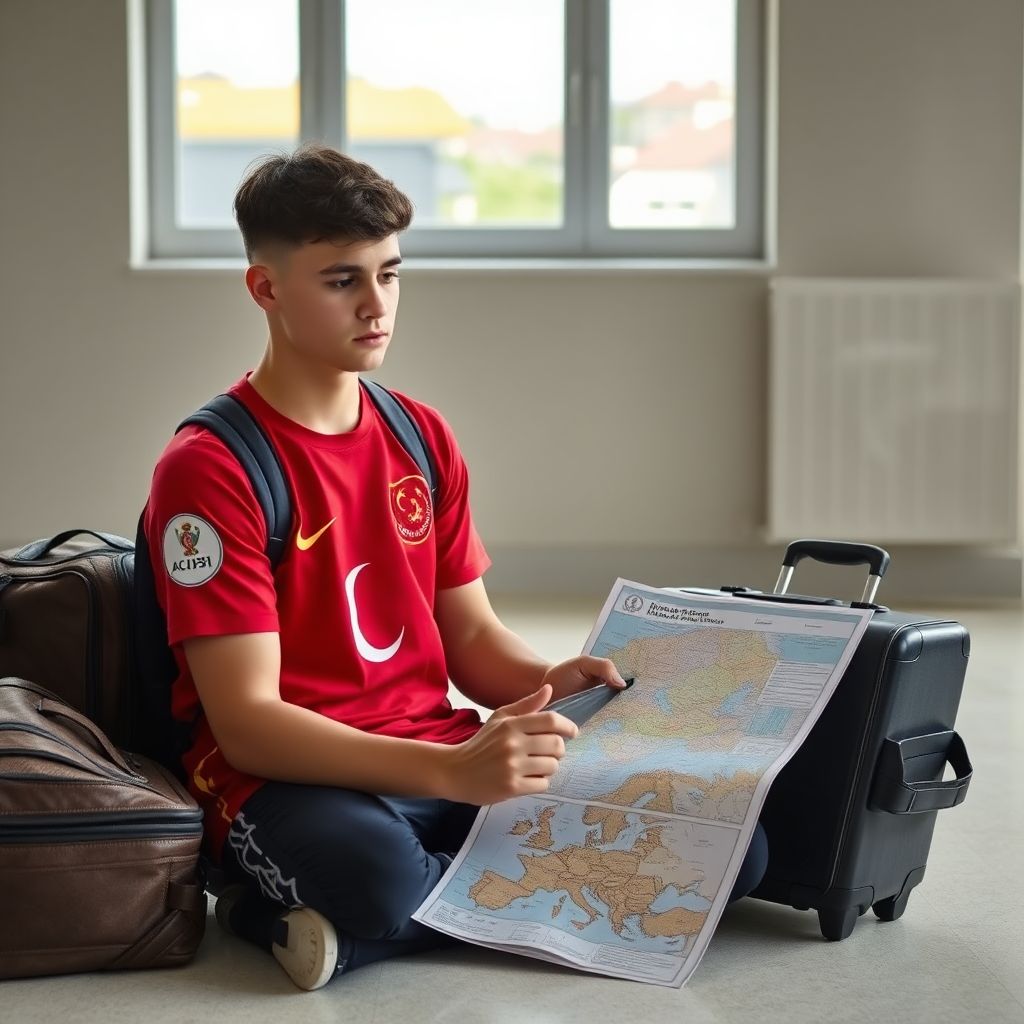
Turkish players aiming to move from Anatolia to Europe need a clear preparation plan: strong match footage, reliable representation, basic language skills, and a clean legal-medical file. This guide turns the journeys of Turkish football players in European leagues into a step‑by‑step checklist you can follow safely, from first scouting contact to long‑term adaptation.
Pre-departure Checklist for Turkish Players
- Update full‑match and highlight videos from the last season against strong opposition.
- Secure a licensed agent experienced with top Turkish football transfers to Europe.
- Prepare translated documents: passport, player passport, contracts, medical reports.
- Start learning basic English plus the language of your target country.
- Plan a realistic budget for 3-6 months abroad without guaranteed salary.
- Discuss the move with family and agree clear expectations about distance and support.
How European Clubs Identify and Value Turkish Talent
European clubs watch the Turkish league, youth national teams and European competitions to find young Turkish football talents in foreign clubs’ future plans. They value players who show consistency, tactical discipline and mental resilience more than one spectacular game.
Consider aiming for Europe if:
- You are a regular starter at your current level and perform well against stronger teams.
- You have recent high‑quality video and objective data (minutes, positions, basic statistics).
- Your training habits and lifestyle already match professional standards (sleep, nutrition, recovery).
- You are ready to live abroad without guaranteed playing time in the first season.
Pause or delay a move if:
- You cannot yet keep intensity for 90 minutes against top domestic opponents.
- You change behavior after setbacks (arguing with referees or teammates, losing focus).
- You rely on family for all decisions and are not ready to take responsibility alone.
- Your main motivation is only higher salary, not development and competition.
Case example: Several of the best Turkish players playing abroad were first noticed in youth national team tournaments, then confirmed by club data and video. Others were picked after strong performances in European competitions, proving they could handle speed and pressure.
Legal, Visa and Contract Essentials for International Moves
Before accepting any trial or offer, prepare these items so you can move quickly but safely.
- Core identity and player documentation
- Valid passport with enough remaining validity for the season and possible extensions.
- Player passport (club history by seasons) signed and stamped by your federation or clubs.
- Copies of current and past contracts, termination letters and loan agreements.
- Recent medical check results from a trusted clinic, preferably in English.
- Visa and work permission basics
- Check the entry visa rules and work permit requirements of the target country at official consulate websites.
- Clarify with the club who handles work permit applications, fees and timelines.
- Never start long‑term work on a tourist visa; ensure your status is legal and documented.
- Contract review and negotiation
- Use a licensed agent and, when possible, an independent lawyer who understands sports contracts.
- Verify salary, bonuses, accommodation, travel, insurance and tax responsibilities in writing.
- Check clauses about injuries, early termination, relegation and loan or transfer options.
- Ensure you receive a signed copy of every document before traveling or training.
- Special rules for specific leagues
- In some countries, non‑EU players count as foreign slots; understand how this affects your chances.
- In leagues hosting Turkish soccer stars in Premier League and Serie A, work permit criteria can include national team caps or transfer fee levels.
- Youth players usually face stricter protection rules; involve parents or guardians in every decision.
Case example: Many successful Turkish football players in European leagues had contracts first checked by an independent lawyer, avoiding long, one‑sided agreements that locked them into low salaries without clear exit options.
Tactical Adaptation: What Players Must Change on the Pitch
Before changing your playing style, confirm you have:
- Full‑match videos from high‑intensity games for objective self‑analysis.
- Feedback from a trusted coach on your strengths and weaknesses compared with European standards.
- A clear main position and one alternative role you are ready to learn.
- Basic fitness testing numbers (speed, endurance, strength) to track your progress.
- Study your target league’s typical style
Watch full matches, not only highlights, from your target league. Focus on your position, game tempo and defensive organization.
- Write short notes: pressing height, typical defensive line, ball circulation speed.
- Compare how players in your role move with and without the ball.
- Increase decision speed under pressure
European coaches often expect fewer touches and faster choices. Train this before you arrive, so you do not look slow at trials.
- Use small‑sided games with limited touches and strict time to shoot or pass.
- Practice one‑touch combinations and scanning over your shoulder before receiving.
- Adapt defensive work and pressing habits
Forwards and creative players abroad must also defend. Understand pressing triggers and your role in team shape.
- Ask a coach to design drills where you press, cover and drop as a unit.
- Review video after matches to see your distance to teammates and compactness.
- Refine physical profile for your role
Different leagues ask different physical qualities: some more sprinting, others more duels or endurance.
- With a fitness coach, build a weekly plan focused on your weakest area.
- Track progress with simple re‑tests every 4-6 weeks (sprint time, beep test, jump height).
- Clarify simple, repeatable strengths
Clubs sign players for clear qualities. Decide which 2-3 actions you will deliver every game at European level.
- Examples: winning aerial duels, dangerous crosses, progressive passes, pressing intensity.
- In every match, review how often you showed these strengths.
- Simulate matches abroad mentally
Use visualization to prepare for new stadiums, languages and refereeing styles.
- Before sleep, imagine key situations (pressing, finishing, defending) at European pace.
- Practice staying calm after mistakes and continuing to demand the ball.
Case example: Many top Turkish football transfers to Europe came from players who adjusted quickly to faster pressing and less time on the ball, impressing coaches in the first weeks of pre‑season.
Cultural Integration and Language Survival Steps
Use this checklist to test if you are integrating well off the pitch.
- You can handle basic daily tasks in the local language: greeting, shopping, ordering food, asking for help.
- You know essential football terms in the local language plus English (press, turn, man on, switch).
- You have at least one teammate you can call when you face a problem outside football.
- You keep regular contact with family and friends in Turkey without letting calls affect sleep or focus.
- You understand basic rules about punctuality, communication style and respect in your new country.
- You participate in at least one team or club social event each month.
- You know how to reach the club doctor, team manager and interpreter if something urgent happens.
- You have a simple daily routine for training days and rest days, including meals and sleep times.
- You avoid isolated habits: staying only in your room, gaming all night or skipping team meals.
- You feel comfortable asking coaches for clarification when you do not understand instructions.
Case example: Many young Turkish football talents in foreign clubs progressed faster once they built small routines, like post‑training coffee with two teammates and weekly language lessons, making them feel part of the group.
Establishing Professional Support: Agents, Coaches, and Mentors
A strong support network protects you from common mistakes during and after the move.
- Choosing unlicensed or inexperienced agents promising unrealistic contracts instead of showing real offers.
- Signing long‑term exclusive agreements with agents without clear performance conditions or exit options.
- Ignoring the need for a local mentor (senior player, staff member) who understands both Turkish and local culture.
- Not informing your current club properly and damaging relationships that may help future moves.
- Trusting verbal promises over written agreements regarding salary, housing and bonuses.
- Relying only on one person for every decision without getting a second opinion.
- Overlooking the value of individual coaches (technical, fitness, mental) to close your gaps to European standards.
- Mixing personal friendships and business too much, making it hard to say no to bad proposals.
- Ignoring financial planning and basic accounting support once your income increases.
- Failing to keep communication with coaches clear and professional during injuries or form dips.
Case example: Several Turkish soccer stars in Premier League and Serie A maintained both a main agent and a small trusted circle (family advisor, lawyer, fitness coach), reducing risk of rushed or emotional decisions.
Sustaining Peak Performance: Training, Nutrition and Recovery Abroad
Players abroad use different structures to stay at their best; choose the one that fits your budget and club environment.
- Club‑centered support model
Suitable when the club has strong performance staff and clear individual plans.
- Follow club training, nutrition and recovery programs exactly as provided.
- Schedule regular check‑ins with club fitness and medical staff to adjust loads.
- Use club facilities (gym, pool, physio) instead of random outside services.
- Hybrid club plus private specialists
Useful when club support is decent but you have specific needs or want extra work.
- Coordinate private fitness or technical sessions on days agreed with the club.
- Work with a nutritionist familiar with your culture to adapt local food choices.
- Use a mental coach to manage pressure, expectations and homesickness.
- Player‑driven minimal resource approach
Realistic in lower leagues with limited staff or budget.
- Build a simple weekly plan: strength twice, mobility twice, extra technical work once.
- Track sleep hours and hydration daily in a notebook or app.
- Use low‑cost tools: bodyweight exercises, stretching, ice, walking and basic home cooking.
- Off‑season return to Turkey for targeted work
Effective if you have trusted coaches and facilities at home.
- Plan off‑season blocks in Turkey focused on weaknesses identified during the year.
- Combine rest with intense but controlled training, avoiding last‑minute overloading.
- Review your season with coaches to set clear goals for the next year abroad.
Case example: Many Turkish football players in European leagues keep basic club routines but add short, well‑planned off‑season programs in Turkey to reconnect with family while sharpening specific physical or technical areas.
Practical Queries from Players Preparing to Move
When is the right age for a Turkish player to move to Europe?
The best age depends on your maturity and level, not only number. Moving too early without minutes can slow development. A good moment is when you are already an important player at your age group and have clear offers with a plan for game time.
How many highlight minutes do European scouts want to see?
Most scouts prefer several full matches plus a short highlight video. Focus on recent games against strong opponents, showing your decision making, defensive work and reactions after losing the ball, not only goals or skills.
Should I accept an unpaid trial in Europe?

Short trials can be useful if travel, accommodation and return plan are clear and safe. Avoid long unpaid stays, unclear promises or situations where you must pay large fees to middlemen without guaranteed official trials.
Can I move abroad while still under contract in Turkey?
Yes, but only through legal transfers or agreed terminations. Never sign anything with a new club before your situation with the current club is clarified in writing, including training compensation or solidarity payments when applicable.
How important is English compared with the local language?
English is usually the first bridge with foreign coaches and teammates. At the same time, learning the local language shows respect and speeds integration. Start with football vocabulary and daily phrases in both English and the destination language.
What should my family check before supporting my move?
They should confirm contract terms, living conditions, legal status, distance from the club to housing and who is responsible at the club in emergencies. Clear communication with your family reduces anxiety and helps you focus on performance.
How do I know if the agent contacting me is reliable?
Check official licensing, ask for references from other players and verify that communication goes through professional channels, not only social media. A reliable agent explains risks clearly and is ready to involve a lawyer for contracts.