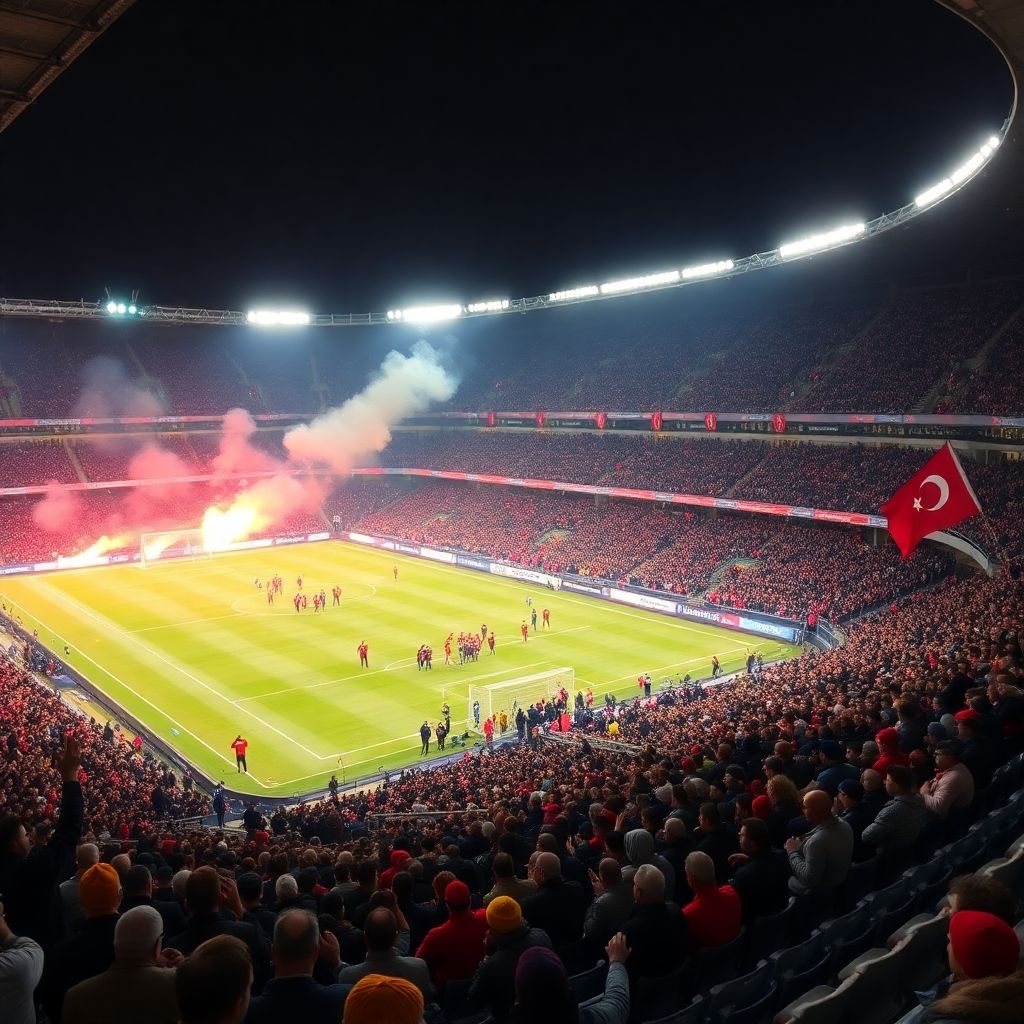
Turkish derbies differ from most European derbies through denser urban rivalry, stronger political symbolism, vertically organized fan groups and heavier security demands. For clubs, municipalities and supporters, the best choice depends on budget, risk appetite and experience goals: high-intensity Istanbul clashes, more accessible Anatolian derbies, or comparatively standardized top European fixtures.
Essential Distinctions Summary
- Turkish derbies are more tightly linked to city politics, class lines and neighbourhood identities than most European derbies.
- Crowd choreography, noise and emotional volatility tend to be higher, but so do policing and risk‑management costs.
- Ticket pricing and informal resale are less regulated, making budgeting harder for visitors and local planners.
- Fan groups in Türkiye are more vertically structured, which helps coordination but also amplifies flashpoints.
- Media narratives in Türkiye often frame derbies as existential battles, increasing pressure on coaches and players.
- For a first experience, mid‑tier Anatolian derbies balance atmosphere, cost and safety better than Istanbul mega‑derbies.
Historical Roots and Socio‑Political Stakes
When comparing derbies in Turkish football with those across Europe, you are really comparing different histories and power structures. Istanbul rivalries like Galatasaray-Fenerbahce evolved inside a single megacity, while many European derbies are cross‑city or regional, with more physical distance and clearer boundaries.
To decide whether Turkish or European derbies best fit your objectives as a coach, planner or visiting supporter, focus on specific criteria rather than stereotypes about “passion”. Below is a practical filter set to guide that choice.
- Urban density and proximity: How compact is the city, and how easily can rival groups meet before and after the match?
- Political entanglement: Are clubs clearly linked to parties, unions or ideological blocs, or are they mostly civic brands?
- Socio‑economic divides: Does each club map to particular income levels, professions or education groups?
- Historical grievances: Are there non‑football triggers (ethnic, religious, regional) that resurface on derby days?
- Institutional maturity: How stable are league governance, disciplinary bodies and security protocols?
- Media heat: Does the local media escalate pre‑match tension, or emphasize tactical and commercial storylines?
- Travel and logistics: How easy is it to segregate fan flows through public transport and city layout?
- Budget predictability: Can you reliably forecast costs for policing, stewarding and emergency services?
- Regulation of secondary markets: How controlled are resales of high‑demand tickets and hospitality packages?
Checklist: if your main constraint is public‑order risk, prioritize derbies with lower political entanglement and more predictable travel flows, even if the headline atmosphere seems less explosive.
Fan Culture: Rituals, Risk Factors and Local Identities
Fan culture is where Turkish derbies diverge most sharply from typical European experiences. Ultras groups in Türkiye are deeply embedded in neighbourhood networks, universities and political movements, which multiplies both organizing capacity and volatility. In many European settings, fan identities are strong but more detached from everyday local governance.
The table below compares practical options for clubs, municipalities and visitors choosing between different derby environments, including Istanbul clashes, Anatolian encounters and major European fixtures.
| Variant | Best for | Pros | Cons | When to choose |
|---|---|---|---|---|
| Istanbul mega‑derbies (Galatasaray, Fenerbahce, Besiktas) | Experienced supporters, documentary makers, advanced coaches studying pressure football | Maximum noise and choreography, intense tifos, rich socio‑political subtext, global visibility, strong learning value for pressure management | High ticket prices, complex security, resale risk for turkish football derby tickets istanbul, emotional overload for first‑timers | Choose when you specifically want peak intensity and are prepared for elevated costs and tighter restrictions. |
| Anatolian city derbies (e.g. Izmir, Ankara, Black Sea) | Budget‑conscious visitors, youth coaches, municipalities testing crowd strategies | Authentic local rituals, strong identity but smaller scale, lower policing and ticketing costs, better access for families | Less international coverage, smaller stadiums, variable infrastructure around grounds | Choose when you want a Turkish derby feel with relatively lower financial and security exposure. |
| Prime European derbies (e.g. Milan, Manchester, Madrid) | Analysts comparing systems, sponsors, first‑time derby tourists | Generally more standardized ticketing, predictable policing, clearer segregation, strong but more commercially framed rivalries | Higher base prices for travel and hospitality, atmosphere can feel more corporate, ultras sometimes marginalised | Choose when you prioritise organisational reliability and corporate hospitality over raw volatility. |
| Televised Turkish Super Lig derbies at home | Remote fans, data analysts, coaches focusing on tactics not logistics | Low cost, possibility to watch turkish super lig derbies live stream, easy to pause and review phases, no travel or safety risk | No direct experience of sound, smell and crowd pressure, limited learning about logistics and in‑stadium behaviour | Choose when budget is tight but you still want to study tactical responses to extreme pressure. |
| Commercial tour packages for Turkish derbies | Visitors wanting curated, lower‑risk experiences | Integrated logistics, guides, often include extra activities; the best turkish football derbies tour packages reduce language and safety friction | Premium pricing, less autonomy, sometimes sanitised experience away from core ultras areas | Choose when you accept higher upfront cost in exchange for predictability and time saving. |
Decision tip: if you are selecting a case study for fan‑culture training, Istanbul mega‑derbies reveal maximum complexity; for repeatable, scalable policies, Anatolian derbies and prime European derbies offer clearer, more transferable models.
Stadium Atmosphere, Policing and Crowd Management
Turkish stadiums amplify noise through architecture and tightly packed stands, making home advantage more pronounced than in many European grounds with more corporate seating and looser acoustics. This shifts the risk‑management balance: controlling entrances, pyrotechnics and choreographies becomes both harder and more critical.
Budget constraints are usually sharper for Turkish municipalities and clubs, which means crowd management must prioritise interventions with high impact and low recurring cost, instead of copying expensive Western European templates. Scenario‑based planning is more efficient than generic “maximum security” models.
Use the following scenario logic when choosing approaches or deciding which derby environment to engage with:
- If you are operating on a tight public‑safety budget, then prioritise derbies in smaller stadiums or Anatolian cities, where fewer critical junctions and shorter perimeters reduce stewarding and policing needs.
- If your objective is to test premium, high‑tech control systems, then Istanbul mega‑derbies or major European derbies are better environments, as they justify investments in surveillance, smart turnstiles and integrated command centres.
- If you must allow large away contingents, then prefer European or Anatolian derbies with clearer buffer zones and pre‑existing away‑fan protocols, rather than the most inflamed Istanbul fixtures.
- If rival fan bases share public transport corridors, then invest first in timed departures, temporary segregation barriers and targeted communication instead of more officers inside the stadium.
- If your priority is to minimise spontaneous clashes, then co‑design march routes, banners and tifo zones with recognised fan leaders, especially in Turkish contexts where these groups have strong local authority.
- If budget allows for only one significant upgrade, then choose better training and staffing for stewards over one‑off hardware; well‑briefed stewards reduce cascading failures in both Turkish and European derbies.
Takeaway: in Türkiye, low‑cost cooperation with fan groups plus targeted steward training usually outperforms expensive but under‑staffed hardware installations.
Club Ownership, Budgets and Economies of Rivalry
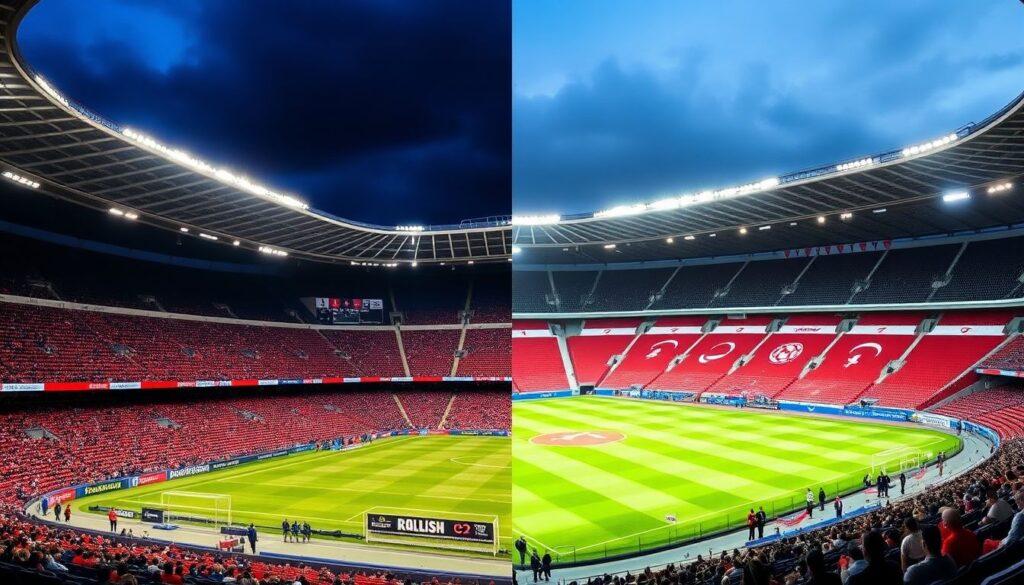
Ownership and finances shape how pressure is absorbed or amplified. Many Turkish clubs juggle political expectations, short planning cycles and narrower commercial bases; elite European clubs often spread risk across global sponsorships, data departments and diversified matchday income.
To select the derby context that best aligns with your financial and strategic objectives, use this quick checklist.
- Map your budget horizon: decide how many seasons of derby‑related spending (security, marketing, staff) you can sustain without new revenue streams.
- Assess ownership tolerance for volatility: politically exposed Turkish clubs endure more scrutiny after derby failure; some European clubs treat derbies as one indicator among many.
- Estimate derby‑driven revenue: broadcasting uplifts, sponsors, hospitality and, if relevant, fan interest to bet on turkish super lig derby matches online compared with standard fixtures.
- Audit ticketing leverage: are you closer to the flexible but unstable model around galatasaray vs fenerbahce derby tickets, or to the tightly controlled systems in most Western leagues?
- Define your risk‑reward profile: do you want maximum global visibility (Istanbul or top European derbies) or more stable, moderately intense rivalries (Anatolian, regional European)?
- Check local partner capacity: hotels, transport, and municipal services must absorb derby spikes; this is often tighter in Turkish mid‑sized cities.
- Choose your investment focus: in Türkiye, inexpensive community projects and supporter liaison officers often yield better returns than marginal squad spending aimed purely at one derby.
Rule of thumb: if your business model depends on predictable cash flow, prefer derby environments with mature ticketing and commercial contracts; if you seek upside from volatility, Turkish mega‑derbies offer more leverage but higher downside.
Tactics, Coaching Responses and Matchday Psychology
Tactical behaviour in derbies is partly universal and partly shaped by local expectations. Turkish fans and media often demand visible aggression and emotional “ownership” of the match, which can push coaches toward riskier setups than they would choose under neutral pressure.
While European top derbies also carry weight, club hierarchies and analytics departments frequently buffer coaches from the daily emotional cycle, allowing more consistent tactical identities across match types. When learning from derbies, avoid the following common selection mistakes.
- Choosing a Turkish derby as your main tactical model without adjusting for the extreme emotional intensity that distorts decision‑making.
- Ignoring the influence of media narratives when evaluating whether a coach’s conservative approach was rational or simply fear‑driven.
- Over‑weighting one spectacular Istanbul derby in your scouting instead of aggregating multiple Turkish Super Lig and European derbies.
- Copying pressing structures from high‑noise Turkish stadiums into low‑noise environments where communication dynamics differ.
- Assuming that psychological routines that work in well‑regulated European settings (silent warm‑ups, minimal fan contact) transfer directly to Türkiye.
- Underestimating how proximity to ultras sectors affects player risk‑taking on the ball, especially full‑backs and young centre‑backs.
- Selecting derbies for leadership training without budgeting time for structured debriefs on emotional control and communication breakdowns.
- Studying only home‑team behaviour in Turkish derbies and ignoring how visiting sides manage time‑wasting, tempo and referee interactions.
Coaching takeaway: blend Turkish and European derby case studies; use Turkish matches to explore stress extremes, and European ones to refine repeatable tactical frameworks.
Broadcasting, Media Narratives and Commercial Pressure
For media, sponsors and remote audiences, Turkish derbies and elite European derbies serve different purposes. Turkish Super Lig clashes are best for understanding how dense local politics, flexible ticketing and vocal fan cultures turn football into a city‑wide ritual. European derbies are best for benchmarked commercial models, cross‑border broadcasting and scalable sponsorship structures.
Practical Questions From Coaches to Supporters
Are Turkish derbies too risky for first‑time visitors compared with European derbies?
Not necessarily, but Istanbul mega‑derbies are intense and logistically demanding. First‑timers usually do better starting with mid‑profile Turkish games or Anatolian derbies, where security is serious but crowd density, travel complexity and emotional overload are lower.
How should a club on a small budget prepare for a high‑pressure Turkish derby?
Invest in steward training, fan liaison officers and clear pre‑match communication rather than expensive one‑off hardware. Coordinate routes and timings with supporter groups, and use simple, repeatable contingency drills instead of trying to mimic big‑budget European control rooms.
Is it better for tactical study to focus on Turkish or European derbies?
Use Turkish derbies to study extreme stress responses, crowd‑driven momentum swings and referee management, and European derbies for more stable tactical identities. Combining both gives a fuller view of how systems hold up under different levels of external pressure.
Do media narratives distort derby preparation more in Türkiye or in Europe?
In Türkiye, local media often frame derbies as existential identity battles, which can heavily influence presidents and fans. In many European leagues, coverage is intense but more commercially structured, giving coaching staff slightly more freedom to maintain long‑term plans.
When do tour packages make more sense than planning a derby trip yourself?
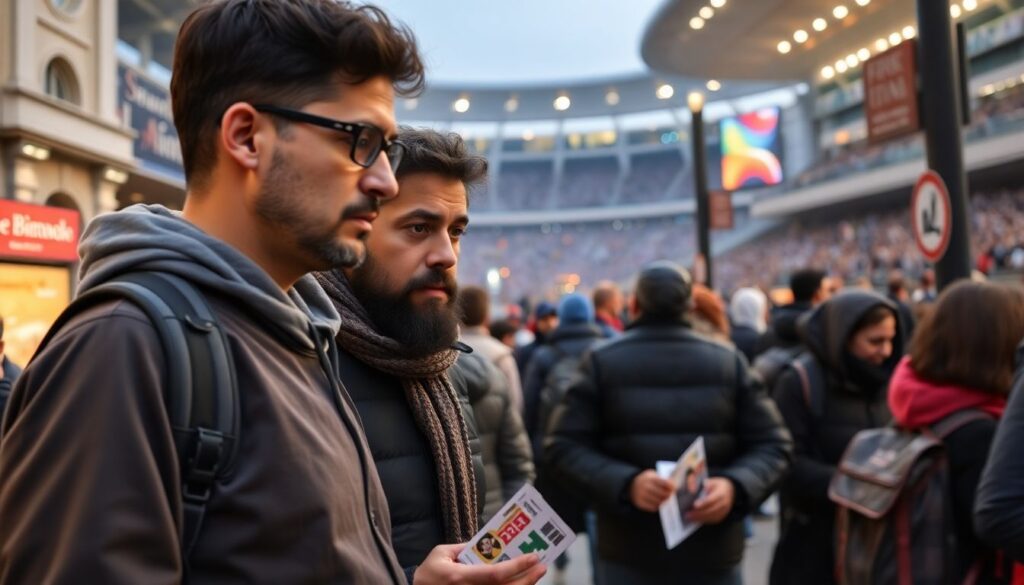
Packages are preferable if you do not speak Turkish, have limited time, or are concerned about ticket authenticity and transport. They cost more upfront but simplify logistics around high‑demand games, especially in Istanbul, where informal resale can be confusing.
Can online betting markets teach coaches anything about derby dynamics?
Odds for derby matches, including Turkish Super Lig derbies, reflect public sentiment and some analytics, but they compress many factors into one price. They are useful for gauging perceived volatility, not for detailed tactical planning.