Turkish clubs are reshaping European football by combining passionate fan culture, smarter financial strategy and evolving tactics that travel well in UEFA competitions. From Galatasaray’s Champions League pedigree to Fenerbahçe’s ambitious rebuild, the “big three” and emerging Super Lig sides now aim to be sellers of talent, exporters of playing styles and sustainable European regulars.
What’s Changing: Core Shifts in Turkish Clubs’ European Impact
- Shift from sporadic European runs to building repeatable participation and deeper campaigns.
- Movement away from short-term, high-wage stars toward tradable assets and academy value.
- Adoption of modern pressing, structured build-up and data-led scouting aligned with Europe.
- Expansion of global brand reach through digital, merchandising and international fan bases.
- Greater focus on UEFA compliance, governance and long‑term budgeting under tighter scrutiny.
- Smaller Turkish clubs copying big-club models with scaled, low-cost versions of the same ideas.
Historical Trajectory: From Domestic Dominance to Continental Ambition
Then: Local powerhouses with occasional European flashes
For decades, the story of Turkish football clubs in European competitions was simple: fierce domestic rivalry, emotional home atmospheres and only sporadic deep runs abroad. Traditional giants like Galatasaray and Fenerbahçe targeted the Super Lig title first; Europe was often treated as a prestige bonus, not a strategic priority.
Investment patterns reflected this mindset. Budgets went into experienced veterans who could dominate locally, with less concern for resale value or tactical fit at Champions League level. When fans scrambled for galatasaray tickets uefa champions league, it was usually for glamour ties against heavyweights rather than for a carefully mapped European campaign.
Infrastructure and analytics were also primarily geared toward winning the big derbies. Training centres, medical teams and scouting networks were strong enough to keep a competitive edge at home but rarely optimised for the demands of away nights against high-intensity European opposition.
Now: Europe as a core strategic objective
The new era puts continental performance at the centre of long-term planning. Galatasaray, Fenerbahçe and others now treat European qualification as essential both for reputation and for revenue cycles, influencing transfer windows, contract structures and even coaching hires.
Demand for galatasaray vs fenerbahce derby tickets still defines the domestic calendar, but club boards increasingly judge success by UEFA coefficients, knockout appearances and player sales to top-five leagues. Smaller Istanbul and Anatolian clubs emulate this mindset, betting that one strong European campaign can unlock sponsorship and broadcasting leverage.
For resource-limited sides, the shift is more incremental: prioritising a compact, defensively solid European game plan, target recruitment of undervalued players from nearby markets, and using even qualifying rounds as a shop window rather than overreaching financially for one-off glory.
Financial Strategy and Investment Models Driving Competitiveness
- From wage-heavy squads to asset-based rosters: Clubs are moving away from stocking squads with high-salary, low-resale veterans. The focus is shifting toward players with potential resale value, often arriving younger, on shorter contracts, and with clear exit strategies tied to European exposure.
- Tiered squad-building for Europe and domestic play: Instead of one bloated senior squad, more clubs design clear role tiers: European-level starters, rotation players for congested schedules, and youth prospects groomed through cup matches, reducing the need for expensive depth signings.
- Balanced risk between marquee names and hidden gems: Big-name arrivals still matter commercially, but they are increasingly balanced by smart, data-led signings from secondary markets. For clubs with limited resources, the emphasis is on finding undervalued profiles from the Balkans, Africa or lower European divisions rather than chasing headline transfers.
- Creative commercial monetisation: As global interest in turkish football clubs in european competitions grows, teams diversify income through regional sponsorships, international tours and targeted digital subscriptions. Even smaller clubs leverage European qualification to negotiate better local sponsorships without needing huge foreign deals.
- Strict budgeting around UEFA rules: Financial planning now integrates UEFA cost-control frameworks from the start. Instead of patching holes after sanctions, clubs build scenarios: base budget from domestic revenues; upside paths tied to European progression; and downside protection via sellable players and staggered contracts.
- Supporter-friendly alternatives for tight budgets: Not every fan can afford match tickets, new shirts or travel. Clubs increasingly promote flexible season passes, installment payments, and budget merchandise lines as more accessible ways for fans to contribute financially without over-stretching.
Talent Pathways: Scouting, Youth Development and International Signings
Elite Turkish clubs now treat the academy as both a sporting engine and a financial pillar. Modernised youth setups aim to produce technically secure, tactically educated players capable of stepping straight into European-level intensity, reducing reliance on costly imports.
Scouting networks extend deep into regional markets. Instead of waiting for fully formed stars, clubs search for players with specific traits that fit their system: pace for transition football, press resistance in midfield, or aerial dominance in defence. This targeted approach allows even mid-table teams to find affordable talent that can shine on European nights.
International signings are increasingly backed by video analysis, data metrics and multi-scout reports rather than solely agent relationships. Turkish teams look for players whose previous environments mirror European competition demands, such as those used to high-tempo leagues or regular continental qualifiers.
At the same time, pathways to the first team are being clarified. Loan strategies are more deliberate, sending prospects to clubs whose style and pressure levels resemble European away fixtures. For budget-conscious clubs, a well-structured loan network can substitute for expensive second-choice players.
Supporters also play a role. When fans choose official merchandise, such as buying from a fenerbahce jerseys official store rather than unlicensed vendors, the extra revenue makes it easier for clubs to keep investing in youth, infrastructure and scouting instead of stretching on transfer fees alone.
Tactical Evolution: Coaching Trends and Playing Styles Imported to Europe
Then: Emotion-driven, individual-heavy approaches
Older Turkish sides relied heavily on atmosphere, individual brilliance and reactive tactics. In Europe, this often meant deep defending at home, counter-attacks away and less focus on structured pressing or build-up patterns that could hold up against sophisticated continental opponents.
Coaching changes were frequent, with stylistic overhauls each season. This instability made it hard to create a recognisable European identity, leaving clubs dependent on moments rather than repeatable game plans when stepping into Champions League or Europa League fixtures.
Now: System-based, exportable tactical models
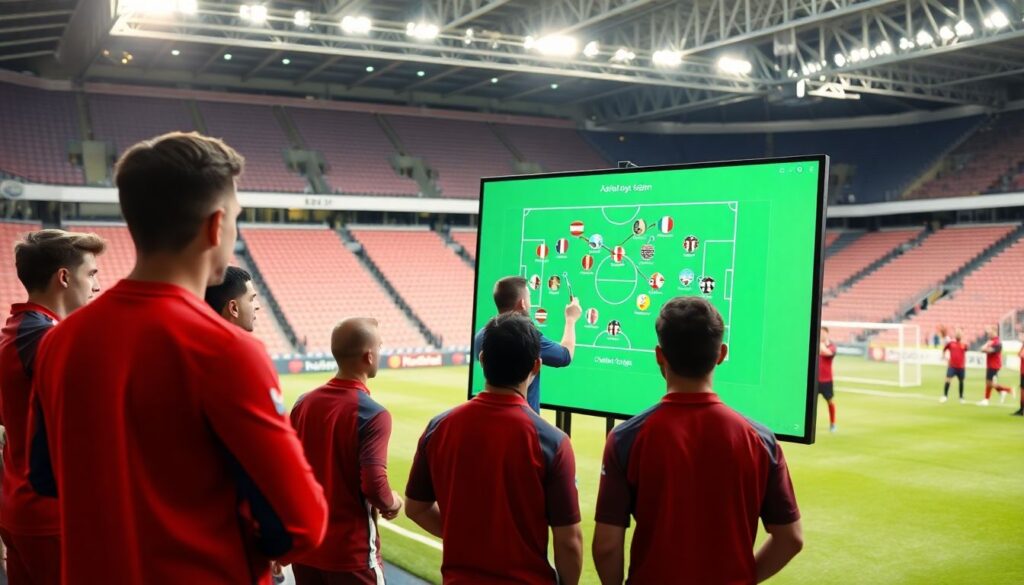
The new generation of Turkish coaches and foreign hires emphasises repeatable systems. High pressing, compact mid-blocks, and orchestrated build-up play are trained weekly to ensure that the same structures function against both domestic rivals and European sides with stronger individual talent.
Clubs increasingly recruit coaches whose philosophies have already been tested in continental tournaments. For cash-strapped teams, hiring tacticians from smaller but tactically advanced leagues can be a cost-effective way to import modern methods without paying top-tier salaries.
Advantages of the new tactical direction
- Better control of tempo in European matches, reducing chaos and energy spikes that tire squads.
- Clear role definitions, helping players adapt faster when facing unfamiliar opposition and stadiums.
- Improved development of young players within a stable structure that matches top European trends.
- Greater appeal to ambitious footballers and coaches who want tactically serious environments.
Limitations and ongoing challenges
- Implementing complex systems demands time and patience; frequent coaching changes still disrupt continuity.
- Squads built over several transfer windows may include players unsuited to high-intensity tactical demands.
- Domestic refereeing standards and game rhythms sometimes clash with the more controlled European style.
- Smaller clubs struggle to maintain high sports-science and analytics staff levels needed to support such models.
Branding, Media Rights and Commercial Growth Beyond Borders
Turkish clubs increasingly see themselves as regional and global brands rather than purely local institutions. Social media strategies, multilingual content and international fan clubs aim to convert casual followers into long-term supporters who engage beyond match days.
Broadcasting and digital products are evolving too. As demand for super lig streaming watch turkish football online grows, clubs and league stakeholders experiment with packages for international audiences, highlight bundles and localized content that explains rivalries and histories to new fans.
However, several myths and mistakes still hold clubs back. One mistake is assuming that a few high-profile signings automatically guarantee international attention. Without consistent communication, storytelling and accessible digital platforms, even big-name players fail to translate into durable global followings.
Another common error is overpricing merchandise and tickets for overseas fans. While short-term income may rise, it often limits the size of the fan base. Budget-friendly products, local reseller partnerships and periodic discounts can build a wider, more loyal audience over time.
A final misconception is that smaller or provincial clubs cannot build international profiles. Smart use of English-language content, collaborations with diaspora communities and targeted campaigns around surprise European runs can create a modest but meaningful foreign fan base even without superstar signings.
Risks and Governance: Compliance, Sustainability and Political Factors
Competing in Europe exposes Turkish clubs to stricter financial and regulatory oversight. UEFA rules demand transparent budgeting, clean accounting and credible long-term plans. Poor governance leads to sanctions, reputational damage and greater difficulty attracting investors or strategic sponsors.
Political dynamics and local regulations add complexity. Stadium deals, public subsidies and tax regimes can change with electoral cycles, so clubs need buffers: diversified revenues, independent business units and risk-aware boards who plan for policy shifts rather than react to them late.
Consider a mid-sized club qualifying unexpectedly for Europe. If it reacts by over-spending on transfers and wages, a single early exit leaves a budget hole. A better approach is a conditional plan: a core squad sustainable on domestic income, with performance-linked bonuses and short-term, low-risk deals only activated once group-stage revenue is guaranteed.
Fans and independent media play a quiet governance role. Transparent reporting, pressure for ethical leadership and support for long-term strategies over impulsive big-name signings help keep clubs from repeating financial crises that hurt both domestic ambitions and European credibility.
Five-point checklist for understanding Turkey’s club revolution
- Identify how each club balances domestic priorities with clear European objectives in its public statements and transfer moves.
- Look for evidence of asset-based squad building rather than short-term veteran-heavy line‑ups.
- Assess whether a club’s playing style is system-based and repeatable against stronger European opposition.
- Check how clubs monetise global interest through streaming, merchandise and regional partnerships.
- Evaluate governance signals: transparency, realistic budgeting and responsiveness to UEFA regulations.
Clarifying Common Doubts About Turkey’s Club Revolution
Are Turkish clubs really more sustainable now or just spending differently?
They are moving toward sustainability, but the transition is uneven. Some clubs now plan budgets around realistic European income and player sales, while others still gamble on short-term success. The direction is positive, yet governance quality varies widely between institutions.
Can smaller Turkish teams compete in Europe without big-club resources?
Yes, if they focus on a clear tactical identity, smart scouting and realistic wage structures. Compact defensive systems, targeted signings from undervalued markets and disciplined budgeting can yield competitive European performances without matching big-club spending.
How important are fans in supporting this new era?
Fan choices directly affect financial stability and visibility. Buying tickets and official merchandise, engaging with club content and supporting long-term strategies rather than demanding constant superstar signings all help create conditions for sustainable European progress.
Is it still worth chasing last-minute European qualification at any cost?
Chasing qualification with reckless spending usually backfires. It is more effective to build a squad and budget that can survive without Europe, then treat continental income as upside to strengthen the club gradually instead of covering structural weaknesses.
Do foreign coaches automatically improve Turkish clubs in Europe?
Not automatically. What matters is tactical clarity, adaptability and alignment with the squad’s profile. Both Turkish and foreign coaches can succeed if given time, resources and a clear brief to build an exportable European playing style.
How can fans with limited budgets still engage meaningfully?
Streaming matches through official services, choosing budget merchandise lines, supporting youth and women’s teams, and sharing club content online are cost-effective ways to contribute. Strategic digital engagement helps clubs grow audiences without requiring every fan to spend heavily.
Will Turkish clubs consistently challenge Europe’s elite soon?
They are better positioned than before, but consistent elite status requires years of stable governance, smart recruitment and coherent tactics. Progress is visible, yet matching Europe’s richest clubs will remain a long-term project rather than an immediate leap.