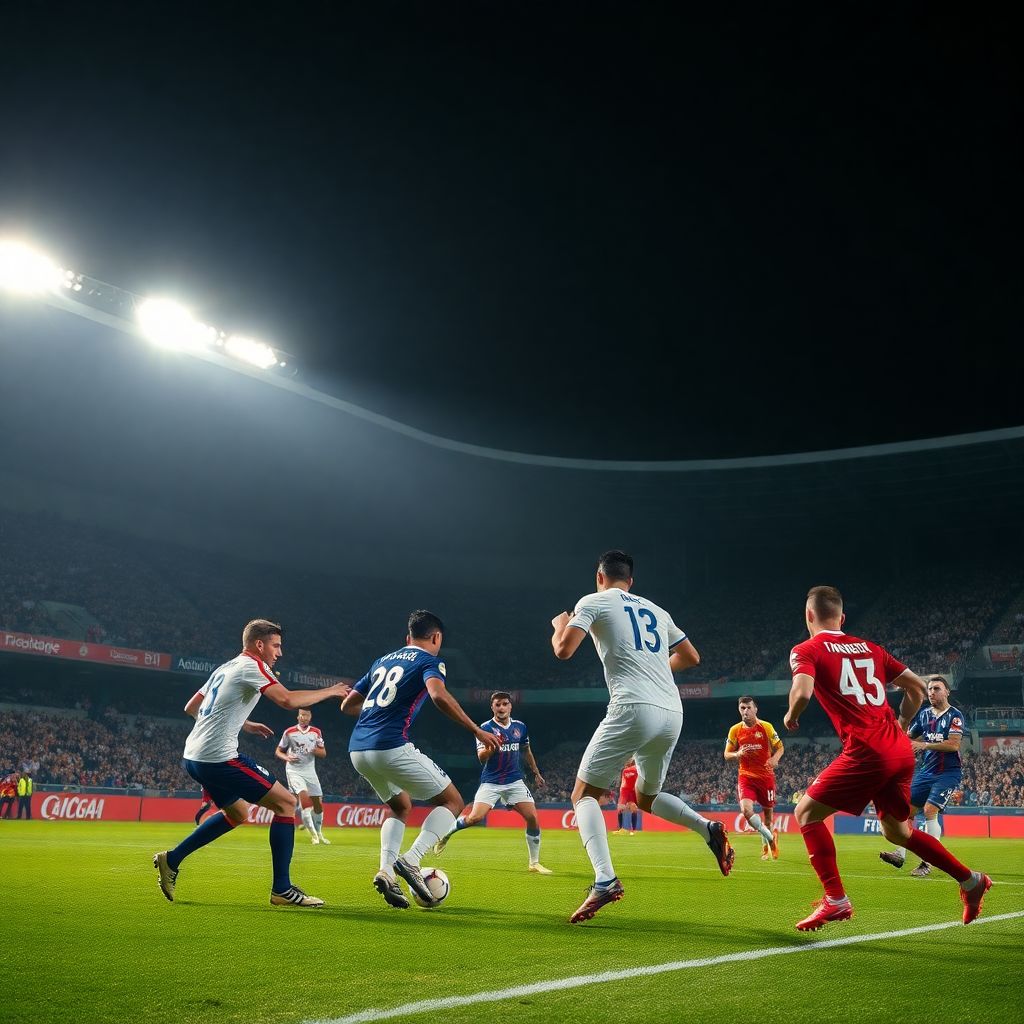
Foreign players increase tactical diversity in Turkish football by importing new positional profiles, pressing schemes and set-piece routines that local systems rarely produce alone. In the Süper Lig, their impact is visible in formation flexibility, ball progression patterns and role competition that forces domestic players and coaches to adapt, learn and refine tactical execution.
Core tactical impacts of foreign signings
- They broaden formation options, making 3‑at‑the‑back, double pivots and fluid front threes more viable in the Turkish context.
- They reshape positional roles, especially creative 6/8s, inverted wingers and ball‑playing centre‑backs.
- They accelerate ball progression through cleaner build‑up, angle creation and risk management under pressure.
- They diversify set‑pieces with new delivery zones, blocking patterns and decoy movements.
- They raise tactical standards for domestic players via daily training, role competition and shared decision‑making.
- They influence club strategy, forcing better data use, coaching hires and alignment with the foreign player rule in the Turkish Super Lig 2024.
Historical waves of foreign players and shifts in Turkish tactical identity
In Turkish football, foreign player waves have repeatedly nudged the league from direct, emotionally driven styles toward more structured tactical systems. Early imports mainly upgraded individual quality; later generations brought full game models, pressing ideas and positional play that changed how teams prepared and trained.
Looking back through Turkish Super Lig foreign players statistics, you see phases: from classic number 10s and penalty‑box strikers to ball‑playing centre‑backs, deep playmakers and high‑intensity wingers. Each wave expanded what coaches considered “normal” for Turkish football, driving a gradual analysis of tactical diversity in Turkish football across media and clubs.
Practically, when coaches review the impact of foreign players on Turkish Super Lig tactics, they are really asking: which imported ideas now define our league identity? Today, that means more structured pressing triggers, coordinated rest‑defence and multi‑purpose forwards who can press, combine and run in behind.
Takeaway: when you evaluate a foreign signing, you are not just adding talent; you are choosing which tactical history and school of football to plug into your club.
Positional roles reshaped: how imports redefine formations
Foreign players often occupy tactically demanding roles that local academies produce less frequently. This changes how formations function on the pitch, even when the nominal system (4‑2‑3‑1, 4‑3‑3, 3‑4‑2‑1) stays the same on paper.
- Ball‑playing centre‑backs
Foreign centre‑backs comfortable under pressure enable build‑up through the middle and invite pressing. This turns traditional low blocks into proactive high or mid blocks, with defenders stepping into midfield and triggering counter‑presses after losses. - Creative defensive midfielders (6s)
Imports with scanning and press‑resistance let teams keep an extra player higher. Instead of a flat double pivot, the “6” dictates tempo, receives between centre‑backs and full‑backs, and connects to half‑spaces with vertical passes. - Hybrid 8/10s
Foreign box‑to‑box players who can both arrive in the box and press immediately after loss make 4‑2‑3‑1s behave like 4‑3‑3s without formal formation changes. They close passing lanes while offering late runs into the penalty area. - Inverted wingers
Right‑footed left wingers and left‑footed right wingers shape shot profiles and half‑space overloads. They dictate whether full‑backs overlap or underlap, and they trigger rotations with central midfielders and the “9”. - Press‑leading strikers
Foreign forwards with European pressing schooling often direct the entire block. Their angles, cues and hand gestures set the timing for the team, turning passive mid‑blocks into organised high pressing units. - Modern full‑backs/wing‑backs
Signings who can invert into midfield or act as true wingers instantly unlock back‑three variations and asymmetrical structures, even without changing the starting formation graphic.
Example: one of the best Turkish Super Lig teams with foreign players recently shifted from a reactive 4‑2‑3‑1 to a fluid 3‑2‑5 in possession because a foreign full‑back could invert and a centre‑back could step into midfield. Takeaway: analyse any foreign signing first as a role reshaper, not just a position filler.
Influence on ball progression and build-up patterns
Ball progression in Turkey has traditionally leaned on long diagonals, individual dribblers and second balls. Foreign players with strong positional training change this by offering new passing angles, patience under pressure and coordinated rotations in the first and second phase.
- Goalkeeper and first line
Keepers and centre‑backs from possession‑based leagues stay calmer versus the press, using lay‑offs, wall passes and third‑man runs instead of long clearances. They invite pressure to open central lanes rather than avoid it. - Pivot receiving between lines
Foreign pivots often receive with open body shape on the half‑turn, allowing forward play after one or two touches. This converts aimless side‑to‑side circulation into intentional “up‑back‑through” patterns. - Half‑space occupation
Imports in the 8/10 roles are used to timing runs into the half‑spaces. They show to feet, bounce the ball wide, then attack the box, making entries into the final third more repeatable and less random. - Wide overloads and underlaps
Wingers and full‑backs from tactically drilled leagues create consistent 2v1s and 3v2s wide, with clear rules for who goes in behind and who offers support. This reduces blind crosses and increases cut‑backs and low pulls. - Transition management
Foreign players with strong game intelligence know when not to force the final ball. They stabilise possession after regains, connecting three to four passes before the vertical attack to maintain rest‑defence.
Mini‑scenarios for practice application:
- When analysing Turkish Super Lig foreign players statistics, focus less on total passes and more on passes into the final third and progressive carries under pressure.
- In video sessions, tag sequences where foreign players act as the third man in build‑up and use these as teaching clips for domestic midfielders.
- Design small‑sided games where foreign signings must initiate build‑up patterns (e.g., specific rotations) that the whole team must reproduce consistently.
Takeaway: track how foreign players change your routes into the final third; treat them as pattern anchors and build training design around their best progression habits.
Set-piece creativity and variability introduced by foreign specialists
Set‑pieces in the Süper Lig have become more sophisticated as foreign takers, screeners and blockers import routines from other competitions. They add new delivery types, starting positions and deception patterns that force opponents to rethink standard defensive schemes.
Advantages for coaches and analysts:
- More varied delivery (driven, outswing, inswing, cut‑backs) from corners and free‑kicks.
- Pre‑planned blocking and screening movements to free main targets.
- Decoy runners who drag zonal markers out of their lanes.
- Short‑corner routines that create 2v1s and better crossing angles.
- Improved rest‑defence structure, as experienced foreigners manage positions on the edge of the box.
Constraints and potential drawbacks:
- Over‑reliance on one foreign set‑piece taker can make the team predictable when that player is absent.
- Complex routines may be too demanding for squads with high turnover or limited training time.
- Coaches sometimes import routines unsuited to local refereeing standards and aerial profiles.
- If communication is poor, mixed‑language calls can cause timing errors and missed runs.
Example: many analysts cite matches where a foreign left‑footer transformed dead‑ball threat simply by combining short options and edge‑of‑box cut‑backs rather than constant aerial deliveries. Takeaway: embed two or three core routines built around your foreign specialists, and rehearse them until they are automatic.
Pathways for domestic players: tactical learning and role competition
Foreign signings can either block or accelerate domestic development, depending on how clubs structure learning around them. The goal is to turn daily training with imported profiles into a live tactical school for Turkish players.
- Mistake: treating foreigners as “ready products” only
Myth: they will fix everything on matchday. Reality: without integrating their habits into team training, domestic players do not internalise new tactical standards. - Mistake: assuming locals cannot play complex roles
Myth: only foreigners can be playmaking 6s or inverted full‑backs. This blocks Turkish players from even being trialled in these positions during friendlies and cup games. - Mistake: poor role clarity
When foreign and domestic players share a position with no clear role description, competition turns chaotic. Both profiles play safe, and tactical risk‑taking disappears. - Mistake: no structured knowledge transfer
Clubs rarely formalise “peer coaching”. Without targeted video and position‑specific meetings, the best habits of imports remain individual, not collective. - Mistake: misreading statistics
Focusing on surface metrics from Turkish Super Lig foreign players statistics (goals, assists only) hides pressing quality, positioning and communication that locals could learn from.
Example: a domestic 8 who regularly reviews pressing clips with an experienced foreign 6 will often improve orientation and timing within a single season. Takeaway: build explicit learning structures (shadowing, joint analysis, role plans) around foreign players to turn competition into development.
Club strategies: recruitment, coaching changes and long-term tactical planning
Strategic use of foreign players means aligning recruitment, coaching hires and tactical planning. Each signing should serve a clear game model rather than being a random market opportunity, especially under the foreign player rule Turkish Super Lig 2024.
Mini‑case (conceptual):
- Club defines identity: proactive, high‑pressing, possession‑oriented with 3‑2 build‑up and 5‑lane occupation in attack.
- Recruitment brief: target a foreign ball‑playing centre‑back, a press‑resistant 6, and an intense pressing “9” to anchor the system.
- Coaching hire: staff experienced with back‑three build‑up and counter‑pressing, capable of teaching detailed roles to domestic players.
- Implementation cycle:
- Phase 1: train build‑up patterns around the foreign CB and 6.
- Phase 2: add pressing triggers coordinated by the foreign 9.
- Phase 3: develop domestic understudies for each key role.
- Review loop: use video and data to assess the impact of foreign players on Turkish Super Lig tactics every half‑season and adjust recruitment.
In practice, the best Turkish Super Lig teams with foreign players tend to show this kind of alignment: clear tactical identity, targeted imports, and a plan for how locals will eventually replicate or complement those roles. Takeaway: think in three seasons, not three matches, when integrating foreign players into your tactical strategy.
Practical questions coaches and analysts ask
How do I quickly see if a foreign player improves our tactical diversity?
Check how many new patterns appear when they are on the pitch: different passing lanes, new pressing triggers or set‑piece routines. If your analysis of tactical diversity in Turkish football for your team shows more varied solutions with that player, they are adding tactical value.
Which metrics matter most when evaluating foreign players for build-up roles?
Prioritise actions that influence structure: progressive passes, passes into the final third, successful under‑pressure receptions and involvement in third‑man combinations. Traditional metrics like total passes are less useful than where and how they move the ball.
How should training change after signing key foreign profiles?
Design drills that force teammates to interact with the foreigners’ strengths: for example, rondos that funnel the ball to a press‑resistant 6, or pressing games led by an experienced striker. Make their habits the reference point for the whole group.
Can a team become too dependent on its foreign players?
Yes, especially if game plans revolve around one or two individuals without domestic understudies. Reduce risk by developing backups in similar roles, and by embedding principles (pressing, build‑up patterns) that survive individual absences.
How do foreign signings interact with the foreign player rule Turkish Super Lig 2024?
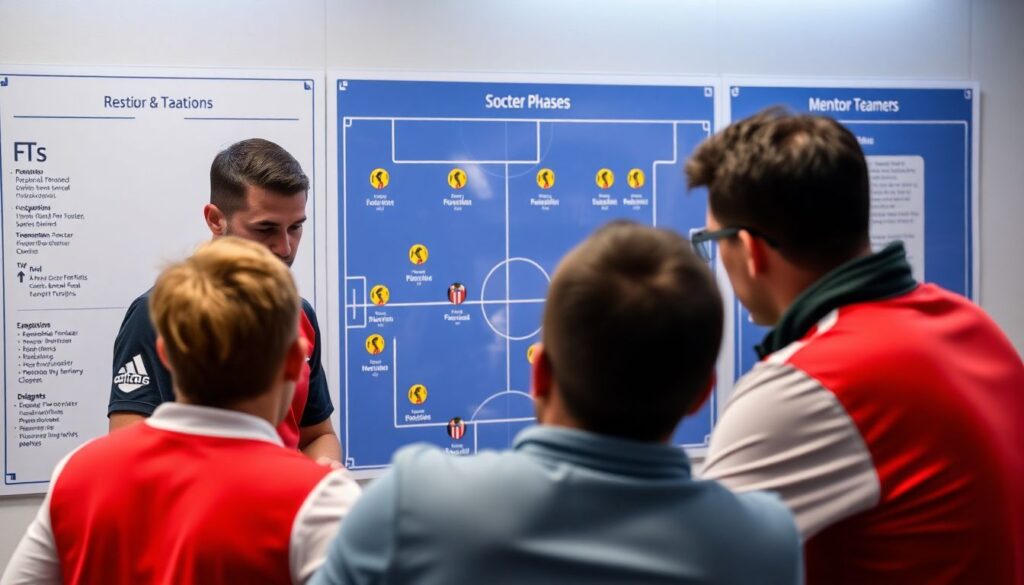
The rule forces clubs to prioritise profiles that deliver maximum tactical impact per slot. Each foreign player should either unlock a new formation option, stabilise a key phase (build‑up, pressing, set‑pieces) or serve as a learning reference for domestic players.
What is a realistic time frame to see tactical impact from foreign newcomers?
Impact on set‑pieces and simple pressing cues can appear within weeks. Deeper changes in build‑up and positional play usually need sustained training blocks and half a season of consistent line‑ups to stabilise.
How can analysts communicate these impacts to head coaches effectively?
Use short, focused clips showing before‑and‑after patterns: for example, previous build‑up routes versus sequences involving new foreign players. Combine video with concise notes on how specific behaviors improve control, progression or chance creation.