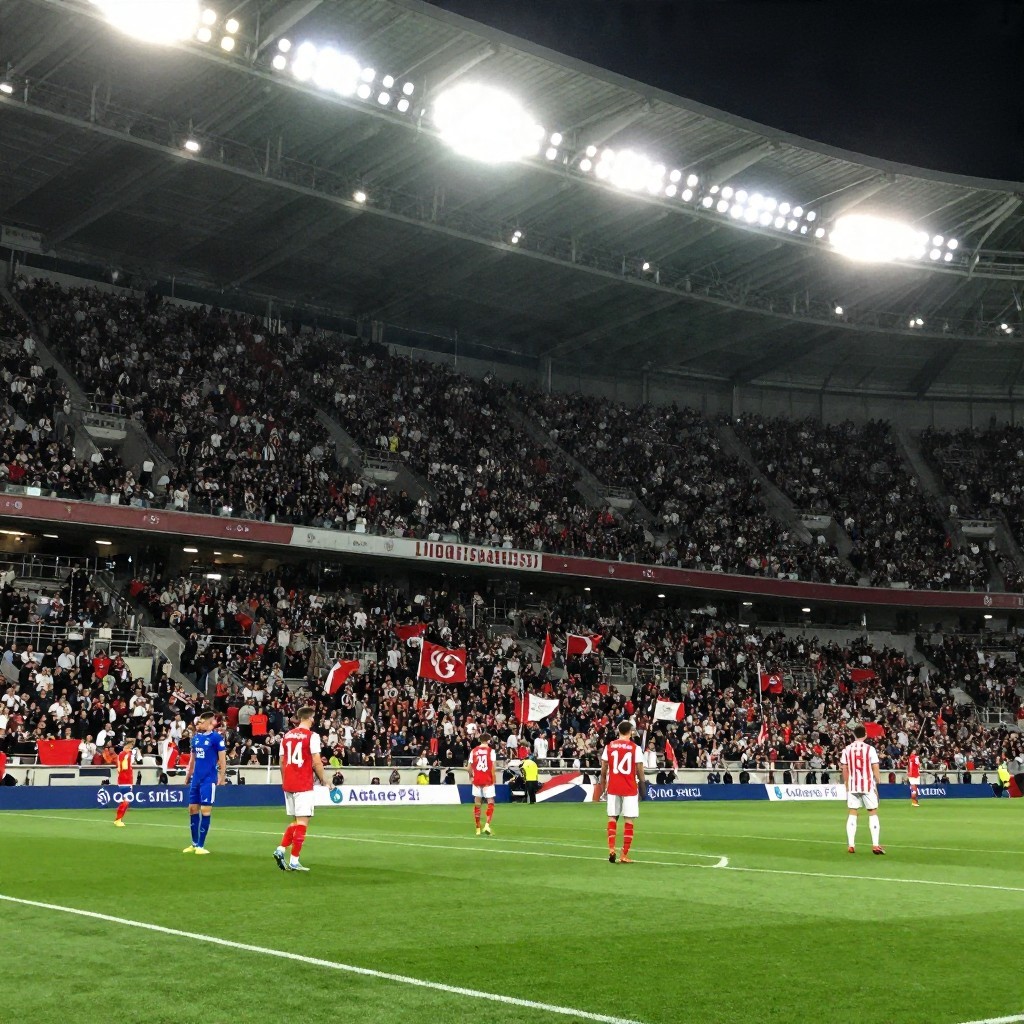
European nights in Turkey can feel hostile to visiting teams because intense home support, sustained noise, match-day rituals and high stakes place extra demands on attention and emotional control. “Hostile” describes the pressure a crowd can create, not permission for unsafe or abusive conduct. Teams can prepare by rehearsing clear communication, simple decisions and routines for resetting focus.
The Mental Dynamics Behind European Nights in Turkey
- A loud crowd can make communication and concentration more demanding, especially during transitions and set pieces.
- Pressure tends to rise when the score, time remaining or competition context makes each decision feel consequential.
- Players benefit from agreed signals and short, repeatable instructions that remain usable under noise.
- Emotional control is a team skill: teammates can help each other reset after mistakes or provocations.
- Preparation should cover the stadium environment without treating every Turkish ground or supporter group as the same.
What Makes a Turkish Away Ground Feel Hostile
A hostile away ground is an environment in which home support makes visiting players feel watched, challenged or under pressure. In Turkey, the experience may include concentrated vocal support, coordinated chants, visual displays and strong reactions to important moments. The effect varies by club, stadium, match and individual player; it should not be treated as a fixed national characteristic.
For a visiting team, the practical definition is functional: can players hear one another, maintain attention and follow their tactical plan when the crowd reacts? The term describes perceived pressure, not necessarily danger. Supporters’ enthusiasm and a challenging atmosphere do not by themselves imply disorder or misconduct.
Fans researching football tickets in Turkey or football matches in Istanbul tickets may encounter lively match-day settings, but the experience depends on the fixture and venue. For players, understanding likely crowd intensity is useful preparation; predicting exactly how a particular match will feel is not.
How Crowd Noise Changes Players’ Attention and Decisions
Noise does not automatically make a team perform poorly. It can raise the effort needed to communicate and filter distractions, so simple, rehearsed responses become especially valuable.
- Spoken instructions become harder to hear. Agree on concise calls, hand signals and a clear way to confirm key information.
- Attention can shift toward the crowd. Use a consistent refocusing cue, such as scanning for the next passing option or checking the team’s shape.
- Hasty decisions may follow a surge of emotion. Rehearse the next action after a mistake: recover position, communicate, then rejoin the plan.
- Dead-ball moments can feel especially exposed. Assign responsibilities in advance and use the same routine for organising the line or marking.
- Communication errors can spread. A nearby teammate can repeat a call or point to the relevant space rather than relying on longer instructions.
This is a practical application of football away game psychology: prepare for predictable demands instead of trying to eliminate pressure altogether.
Why European Stakes Intensify the Pressure
European competition can add significance to a match through its consequences, visibility and uncertainty. UEFA Champions League tickets draw interest from supporters, but ticket demand alone does not determine how players experience pressure. For the team, the key issue is what the result means in the competition and how players interpret that meaning.
- A decisive group or league-phase fixture: Players may feel that one error could affect qualification, so coaches can direct attention to the next controllable action.
- A knockout tie: The aggregate score and remaining time shape decisions. Teams should agree in advance how their approach changes in different score situations.
- A late lead or deficit: Players can become either too cautious or too urgent. Brief reminders about spacing and risk can help retain structure.
- A hostile response after a key incident: A disputed decision, a conceded goal or a near miss can trigger a burst of emotion. Use a quick team reset before play resumes.
- A high-profile away fixture: External attention can amplify expectations. Keep match preparation focused on roles, cues and the game plan rather than speculation.
The Role of Rituals, Rivalry, and Home Support
Supporter rituals can create a shared sense of occasion and make the home side feel connected to its crowd. Rivalry can sharpen the emotional stakes, while coordinated support may help home players feel encouraged. These effects are not identical for every player or fixture, and crowd energy does not guarantee a particular result.
Potential benefits for the home side
- A sense of collective support during difficult periods.
- Strong emotional momentum after a goal, tackle or successful spell of play.
- A familiar match-day setting that can reinforce players’ routines.
Limits and risks to keep in view
- Noise can also increase pressure on home players to meet expectations.
- Emotion may lead to rushed choices or unnecessary confrontations if players lose focus.
- Rituals and crowd behaviour differ by venue; assumptions based on one match may not transfer to another.
How Visiting Teams Regulate Emotion Under Pressure
Preparation is more useful when it identifies common reactions and gives players a practical response. Avoid these recurring errors and myths:
- Myth: the crowd will decide the match. Crowd influence is part of the setting, not a substitute for tactical execution. Plan for the environment while keeping attention on the play.
- Error: trying to communicate with long speeches. Under noise, use agreed short calls and visual signals; save detailed discussion for quieter moments.
- Error: reacting to every chant or gesture. Rehearse a simple reset cue and return attention to position, opponent and next action.
- Myth: experienced players are immune to pressure. Experience can help, but every player benefits from role clarity and preparation for specific match situations.
- Error: treating emotional control as silence. Useful communication matters. Encourage calm, specific instructions rather than asking players to suppress all emotion.
Away-Day Mental Readiness Checklist for Turkish Stadiums
Consider a visiting team preparing for a European away fixture. In training, it rehearses short defensive calls over background noise, agrees who leads the reset after a conceded goal, and practises the response to a late lead. Players then review the cues before kick-off rather than trying to invent them under pressure.
- Have we agreed on short calls and visual signals for noisy moments?
- Does every player know the first action after a mistake, goal or disputed decision?
- Have we rehearsed the tactical response to the likely score situations?
- Can each player name one cue that brings attention back to the next task?
Practical Answers on Handling Turkey’s European Match Atmosphere
What does a hostile stadium mean in this context?
It means a setting where home support creates added psychological pressure for visiting players. It does not automatically mean the stadium is unsafe or that supporters will behave abusively.
Does crowd noise affect every player in the same way?
No. Players differ in how they respond, and the effect can change with the match situation. Teams can reduce avoidable communication problems by rehearsing concise calls and signals.
How can a visiting team prepare for a loud ground?
Practise communication under noise, clarify individual roles and rehearse reset routines for mistakes and major match events. Keep the preparation specific to the team’s plan and the expected demands.
Should players ignore the crowd completely?
They do not need to deny that the crowd is present. They can acknowledge the atmosphere, then use a familiar cue to return attention to positioning, communication and the next action.
Does a European fixture always create more pressure than a domestic match?
No. Pressure depends on the competition context, the stakes as players perceive them and the match situation. European fixtures may carry added significance, but the experience varies.
What can players do after a mistake in a hostile away match?
Use a rehearsed sequence: recover position, communicate the immediate adjustment and focus on the next task. A short reset helps prevent one error from driving the next decision.