
Fixture congestion in the Süper Lig and European Cups mainly affects sprint intensity, recovery quality and rotation depth; performance drops when rest days fall below a sustainable threshold. For Turkish clubs, the best option depends on your goal: title challenge, European push or survival, and on how you structure rotation, travel and data‑driven load management.
Performance snapshot: core findings on congestion effects
- Süper Lig congestion is more about long domestic travel and variable kick-off times, while European Cup pressure adds midweek high-intensity games and tighter turnarounds.
- Squads with at least two reliable players per position tolerate three matches in seven days better than thin rosters relying on the same core XI.
- Performance dips show first in high-intensity actions (sprints, repeated accelerations) before visible technical errors or results decline.
- Rotation strategy matters more than raw fixture count; targeted rotation around high-travel trips is often superior to fixed A/B teams.
- For coaches, structured prioritisation by competition brings clearer decisions than week-to-week improvisation under pressure.
- For analysts, integrated Süper Lig fixtures and European cup schedule analysis creates earlier red-flag alerts than isolated league-only tracking.
- For players, proactive sleep, nutrition and travel routines can partially offset schedule stress but cannot replace smart squad management.
Understanding fixture congestion: metrics and thresholds
To compare Süper Lig and European Cup schedules intelligently, define clear metrics and thresholds instead of relying on feel. Below are practical criteria you can use as a coach, performance analyst or player when assessing how dangerous a coming period of matches will be.
For a coach, these criteria translate into selection and rotation rules. For a performance analyst, they define alerts and reporting structure, ideally inside the best football statistics tool for tracking fixture congestion you already use. For a player, they explain why certain recovery protocols become non-negotiable in specific weeks.
- Rest days between matches: Count full days between final whistle and next kick-off; flag anything under three days as high risk, especially with added travel.
- Total matches per 28-day window: Track rolling monthly load rather than only weekly; identify peaks where league and European dates cluster.
- Travel burden: Combine distance, time zones and arrival time; late-night returns before a weekend Süper Lig game significantly increase fatigue.
- High-intensity running load: Monitor sprints and repeated high-speed efforts per match; congestion is more harmful when tactical style demands constant pressing.
- Squad depth per position: Rate positions as well-covered, adequate or vulnerable; congestion punishes vulnerable lines (often full-backs and attacking midfielders).
- Injury and niggle history: Identify players with previous muscle issues; double-booking them in congested weeks raises injury risk sharply.
- Match importance index: Classify fixtures by competition, table situation and knockout context; this drives where you accept performance drops.
- Environmental conditions: Heat, cold, altitude and poor pitches amplify the load; important for away games in Europe versus domestic climate familiarity.
From here, build simple thresholds: for example, if a player exceeds a certain number of high-intensity minutes with limited rest and heavy travel, they become a strong candidate for rotation in the next match. Keep thresholds conservative for older players and those crucial to your tactical model.
Süper Lig calendar: structure, travel patterns and recovery windows
The Süper Lig calendar combines weekend league matches, national cup ties and, for top clubs, European dates. Travel inside Türkiye can be long and irregular, with weather and airport logistics adding hidden fatigue. Choosing the right competition focus strategy is essential once the schedule compresses.
Below is a comparison of five strategic variants you can adopt. Each option fits a different profile: title-chasing coach, underdog in Europe, squad with strong depth, or a team fighting relegation. The Süper Lig specific travel and recovery patterns make these choices more impactful than in some smaller countries.
| Variant | Who it suits | Pros | Cons | When to choose |
|---|---|---|---|---|
| League-first, cups-second focus | Clubs targeting Süper Lig title or top-four, limited depth | Protects league performance, simpler rotation logic, clearer messaging to squad | Lower European ambitions, possible financial and prestige cost | When domestic position is critical and European group is very strong |
| Aggressive European push | Clubs in favourable European group with strong starting XI | Maximises European progress, higher exposure and potential revenue | League form can dip during midweek runs, increased fatigue for key players | When early European results are positive and league position is stable |
| Rotation-heavy balance | Squads with two near-equal players per position | Shares load, maintains competitiveness in both competitions, reduces injury risk | Requires strong data and communication; occasional loss of rhythm | When you trust your bench and can accept small short-term drops for long-term stability |
| Youth-integrated rotation | Clubs with strong academy, mid-table security | Gives minutes to prospects, protects seniors in congested blocks | Higher error risk in tough away games, especially under pressure | When survival is likely and long-term development is a board priority |
| Short-term survival mode | Teams near relegation zone or in crisis | Focuses best XI on six-pointers, may sacrifice other competitions | Minimal rotation leads to fatigue; high risk if key players get injured | When avoiding relegation is the only objective that matters |
For coaches, pick one variant and stick to its principles during congested phases, instead of changing philosophy weekly. For performance analysts using a football data subscription for Süper Lig and European competitions, tag matches according to the chosen variant so that your reports measure success against the right strategic goal.
For players, understand which variant your staff has chosen. In a league-first, cups-second focus, you may need to accept reduced minutes in Europe. In an aggressive European push, travel and sleep routines become a personal priority to avoid the cumulative toll of repeated late-night flights.
European Cup schedule pressures: midweek travel, intensity spikes and rotation
European Cup weeks create a different pattern than domestic congestion: midweek matches, cross-border travel and often higher tactical intensity. Successful Süper Lig clubs anticipate these patterns with clear if-then rules, not vague intentions about rotation and workload balancing.
Use the following scenario-based guidelines to connect match context with concrete choices. They help align the head coach, the performance department and the leadership group of players, avoiding last-minute emotional decisions after a big win or a painful loss.
- If a European away game involves long travel and late return, then prioritise rotation in the following domestic away match, especially for full-backs and wingers who carry large sprint loads.
- If your team loses the first leg of a European knockout by a wide margin, then shift to a more league-first, cups-second focus in the second leg, protecting league starters unless a comeback is realistically possible.
- If you secure early qualification from the group stage with one or two matches to spare, then heavily rotate in remaining group fixtures and use them to test tactical tweaks and young players.
- If a decisive league match (title race or relegation clash) falls three days after a European Cup away match, then cap key players' minutes in Europe or substitute early when the result is secure.
- If multiple players return from international duty just before a European tie, then reduce their domestic minutes in the previous Süper Lig game to avoid stacking three high-intensity matches in eight to nine days.
For analysts and betting professionals, these decision rules are the backbone of Süper Lig betting tips for tight fixture schedules: correctly predicting when a club will rotate or mentally down-prioritise a competition is often more valuable than any single tactical insight.
Comparative data analysis: match load, injury incidence and outcome trends
In practice, comparing Süper Lig and European Cup effects on performance means building a repeatable checklist and aligning it with your data tools. Many clubs now use a professional sports performance analysis service for congested schedules to automate part of this process.
The table below summarises typical qualitative differences between domestic and European loads for Turkish clubs. It is a framework rather than a strict rule set; adapt thresholds to your own squad, style and medical history.
| Metric | Süper Lig pattern | European Cup pattern |
|---|---|---|
| Match frequency | Mainly weekly, with occasional midweek domestic cups | Regular midweek matches added to weekend league games |
| Travel profile | Long domestic trips, familiar time zone | International flights, possible time zone and climate shifts |
| Intensity demands | Varied by opponent; some low-pressing games | More consistent high-intensity, especially versus top-five leagues |
| Rotation expectations | Often conservative; many clubs lean on a stable XI | Higher necessity for planned rotation in certain positions |
| Injury risk pattern | Linked to domestic schedule peaks and travel clusters | Spikes when long trips overlap with league pressure runs |
- Define your analysis window (for example, four to six weeks around each major congestion peak) and list all Süper Lig and European fixtures.
- For each player, track minutes, high-intensity metrics and travel exposure, using your best football statistics tool for tracking fixture congestion or an internal dashboard.
- Overlay medical data: niggles, days modified training, and missed sessions, not only confirmed injuries.
- Tag each match with squad choice (full-strength, mixed, rotated) and competition importance.
- Review outcomes: performance ratings, physical data and results; identify where performance dipped and what combination of load and rotation preceded it.
- Adjust future thresholds: tighten limits for vulnerable profiles and relax them for robust players where evidence supports it.
For coaches, this checklist turns raw Süper Lig fixtures and European cup schedule analysis into practical decisions. For players, knowing which metrics the staff tracks helps you communicate early when you feel accumulating fatigue, backing up your perception with objective trends.
Tactical and squad-management responses to dense scheduling
Even with good analysis, many teams in Türkiye repeat the same mistakes once the calendar gets tight. Understanding these patterns helps coaches, analysts and players avoid avoidable drops in performance at the worst possible moments of the season.
- Relying on the same pressing intensity and defensive block height in congested weeks as in single-match weeks, leading to late-game collapses.
- Rotating half the team at once without preserving a stable tactical spine, which destroys automatisms and confuses roles.
- Ignoring travel timing in planning; late-night flights followed by early tactical meetings reduce sleep and concentration.
- Underusing sports science input or treating red-flag reports as optional suggestions rather than constraints.
- Failing to prepare a clear communication plan for star players who will be rotated, creating dressing-room tension.
- Not adapting set-piece routines when rotation changes key takers and blockers, losing an important low-energy attacking weapon.
- Overloading training sessions between congested matches instead of shifting focus to short, sharp tactical work and recovery.
- Players neglecting individual routines (hydration, sleep, mobility work) on travel days, assuming club staff will solve everything.
- Clubs without a structured football data subscription for Süper Lig and European competitions relying on intuition instead of integrated evidence.
- Coaches refusing to alter game model slightly (for example, pressing triggers) to save energy in low-priority matches.
For a coach persona, the priority is defining a smaller set of non-negotiable tactical principles that survive rotation. For a performance analyst persona, the task is clear visualisation of congestion risks so that the staff sees the cost of these mistakes. For a player persona, self-management off the pitch becomes a competitive advantage.
Predictive modeling and scenario planning for compressed fixtures
Across these options and patterns, the best approach for a title-chasing Süper Lig coach is usually a rotation-heavy balance that protects key league matches while keeping European ambitions alive. The best for an underdog with limited depth is a league-first, cups-second focus. For analysts and bettors, the best edge comes from anticipating when clubs shift between these variants based on form, injuries and table position.
Concise answers for coaches, analysts and players
How many matches in a short period are too many for a Süper Lig squad?
It depends on squad depth and playing style, but repeated three-match weeks with travel quickly expose teams that rely heavily on one core XI. Monitor high-intensity metrics and recovery quality rather than only match count to decide when rotation becomes essential.
Does European Cup travel always damage domestic league performance?
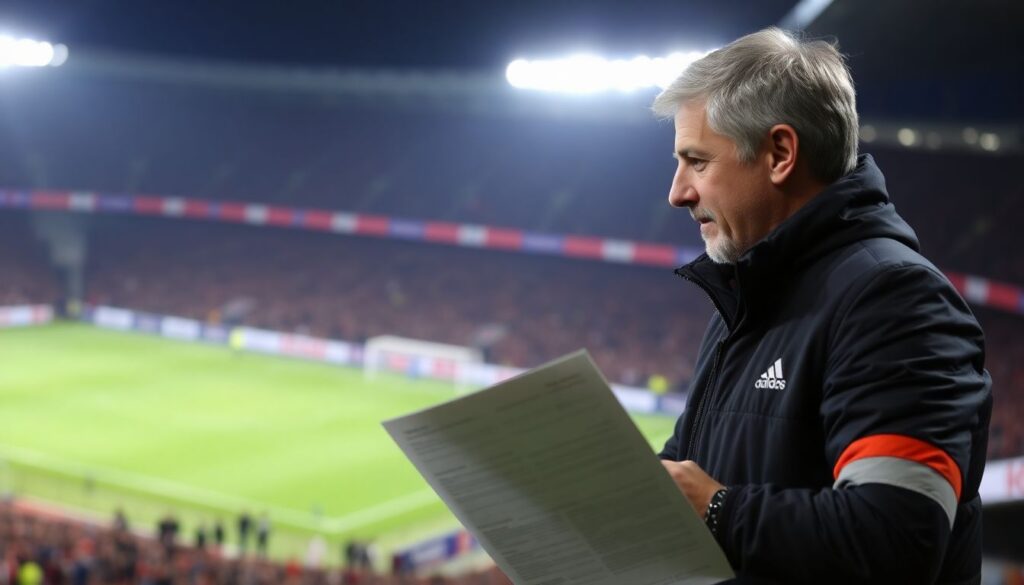
Not always, but risk rises when long European trips overlap with crucial domestic runs. Well-planned rotation, smart travel logistics and clear competition priorities can stabilise league form even during busy European periods.
What should a coach prioritise first when congestion appears on the calendar?
Clarify competition priorities with staff and board, then map a rotation plan for key positions around travel-heavy weeks. Communicate this clearly to players to avoid confusion and emotional decisions after individual results.
How can performance analysts add value during congested schedules?
Provide integrated reports on minutes, intensity and travel across all competitions, plus simple red-amber-green flags for key players. Support coaches with scenario models showing likely fatigue and injury risk under different rotation choices.
What can players personally do to handle fixture congestion better?
Focus on sleep, nutrition and simple mobility routines, especially on travel days. Communicate early about fatigue and niggles, and respect rotation decisions as part of long-term performance protection, not punishment.
Is it worth sacrificing domestic cups to improve league and European results?
For thin squads fighting for league position or European progression, yes, de-prioritising domestic cups can be rational. For deeper squads or clubs focusing on trophies, cups can offer valuable minutes to rotation players.
How do these principles help with betting or forecasting match outcomes?
Understanding congestion strategies, travel patterns and likely rotation improves prediction of performance swings. This is the basis for more informed Süper Lig betting tips for tight fixture schedules and for any model projecting results.