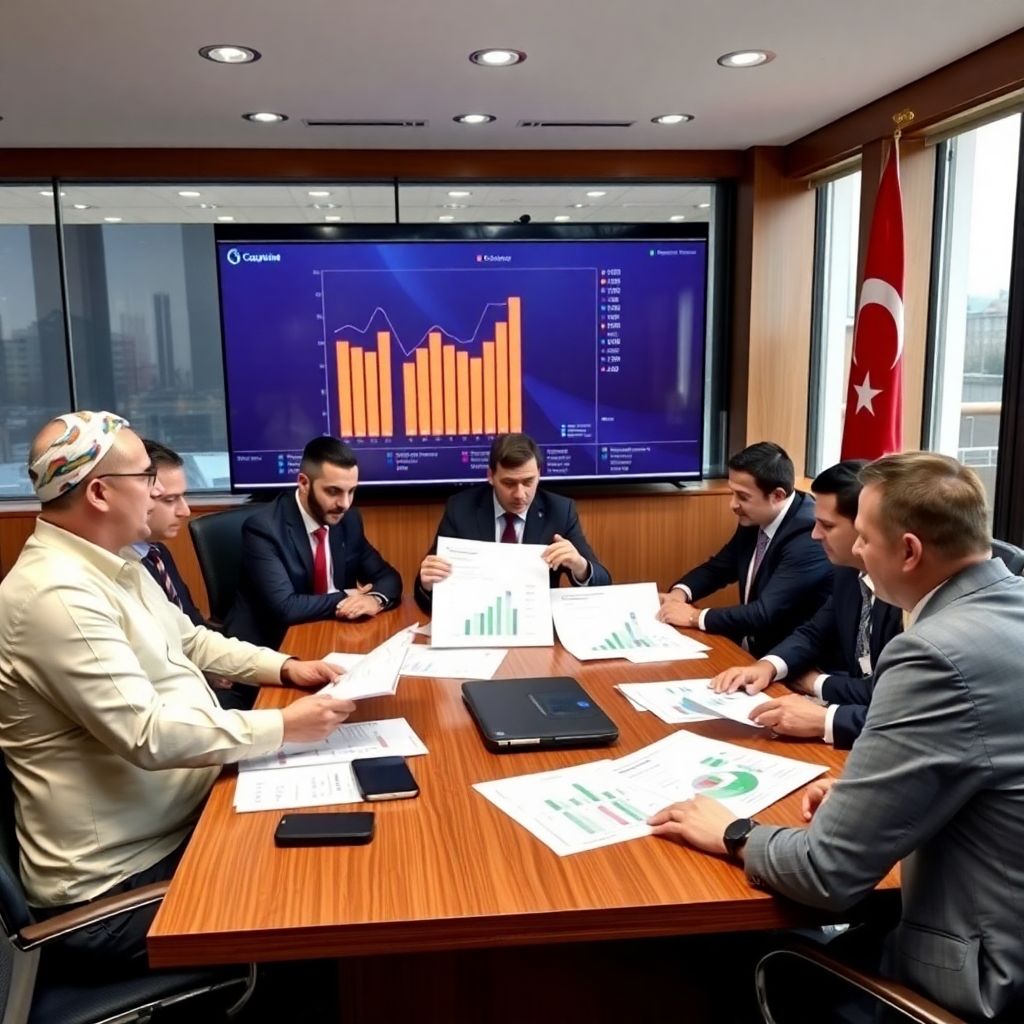
Financial Fair Play is forcing Turkish clubs to live within their real income: earn first, then spend. In practice this reshapes transfer policy, wages, debt use and academy investment. Clubs that clean balance sheets, grow stable revenues and control salaries can stay competitive, avoid sanctions and attract serious long‑term investors.
Core implications of Financial Fair Play for Turkish clubs
- Clubs must align spending with recurring revenues instead of relying on short‑term debt or owner bailouts.
- Transfer strategies shift from expensive short fixes to younger, resale‑value players and academy graduates.
- Wage bills become a central management target, often capped as a percentage of annual income.
- Better reporting, auditing and board control are required to satisfy turkish football clubs financial fair play rules.
- Commercial growth (broadcasting, sponsorship, matchday income) becomes as important as on‑pitch success.
- Failure to adapt risks fines, squad restrictions and bans that directly hit sporting performance.
Debunking common myths about FFP in Turkey
Many fans think FFP is a UEFA invention designed to weaken Turkish clubs. In reality, the rules apply to all European competitors and are now embedded in national licensing, so they shape how economic problems of turkish football clubs and solutions are discussed inside Türkiye itself.
Another popular myth says rich owners can simply pay whatever is needed and bypass FFP. They can add equity or long‑term loans within limits, but the club’s football‑related revenue still sets the sustainable spending level. Losses beyond certain thresholds trigger monitoring and sanctions, regardless of who owns the shares.
A third misconception is that FFP only matters if you play in Europe. Turkish super lig club finances and ffp compliance are now connected through TFF licensing. Even if a club misses Europe for a few seasons, domestic monitoring still pushes them toward cleaner books, less short‑term gambling and more predictable cash flow.
Finally, some argue FFP kills ambition. In practice, it changes the form of ambition: from chasing quick glory with aging stars toward building squads with value growth potential, stronger academies and professional commercial departments. Clubs that adapt early can outperform rivals who resist the new financial reality.
Regulatory evolution: UEFA rules, national adaptations and enforcement
- From break‑even to sustainability: Classic UEFA FFP focused on limiting cumulative losses. The newer sustainability rules broaden this to overall cost control (wages, transfers, agents) relative to revenue, which increases the uefa financial fair play impact on turkish clubs across more spending lines.
- Domestic licensing by TFF: The Turkish Football Federation integrated UEFA principles into its club licensing system. To receive a license, clubs must provide audited accounts, no overdue payables to players and staff, and realistic budgets for the next season.
- Monitoring periods and action plans: If indicators look risky (for example, rapidly rising wage bill or delayed payments), TFF and UEFA may demand a written financial recovery plan. This can include agreed limits on new signings and wage growth.
- Graduated sanctions: Sanctions typically start with warnings and fines, then move to squad registration limits, spending caps, prize‑money withholdings and, for persistent non‑compliance, exclusion from UEFA competitions.
- Club cooperation and transparency: Clubs that share data early and propose credible self‑restrictions usually receive more flexible timelines. Those that hide liabilities or use aggressive accounting face stricter oversight and reputational damage.
- Shift from past debts to future behavior: Enforcement increasingly looks at whether boards change their decisions going forward: restructuring existing debt, reducing risky short‑term borrowing and adopting realistic revenue forecasts.
Revenue anatomy: broadcasting rights, sponsorship and matchday income
Because FFP connects spending to income, understanding and growing revenue streams is now central to how economic rules reshape Turkish football. Practical work here often has more impact than cutting one more player’s salary.
- Broadcasting rights: TV money remains the backbone of many budgets. Clubs should map how much of this income is guaranteed and how much depends on league position and European qualification, then plan a “base scenario” budget that only uses the safe portion.
- Local and international sponsorship: Instead of relying on one big shirt sponsor, successful clubs build a portfolio (front of shirt, sleeve, training kit, digital, regional partners). Each deal should be at arm’s length, properly documented and priced at market value to pass FFP scrutiny.
- Matchday income: Stadium utilization is often under‑optimized. Simple actions like dynamic ticket pricing, better scheduling of family sections and improving in‑stadium food and merchandising can grow revenues without major capital expenditure.
- Commercial use of brand: Licensing, e‑commerce and international fan engagement (English websites, social media, overseas academies) can diversify income. These help reduce the seasonal volatility that makes turkish super lig club finances and ffp compliance difficult.
- Player trading as a revenue pillar: Clubs need a structured approach to selling at the right time, turning scouting and academy production into a regular income stream instead of rare windfalls.
- Non‑football events: Using stadiums for concerts, corporate events and conferences can provide stabilizing off‑season cash, as long as contracts are transparent and consistent with fair‑value principles.
Managing costs: wages, transfers and sustainable squad construction
Cost management is where turkish football clubs financial fair play rules touch daily sporting decisions. Boards, sporting directors and coaches must align on clear limits and priorities.
Practical levers to control spending
- Set a wage‑to‑revenue ratio target: Decide a maximum percentage of recurring income that can go to player and staff wages, then build the squad inside that ceiling.
- Shorter, performance‑based contracts: Prefer contracts with clear bonuses for minutes played, European qualification and trophies instead of high fixed salaries that are hard to move later.
- Structured transfer planning: Approve transfers only if the total package (fee, wages, agents) fits a multi‑year budget and resale scenario, reflecting how financial fair play affects turkish football transfers.
- Loan strategy: Use loans to test players before committing to big fees and to offload surplus wages, but avoid stacking expensive loaned players without options to buy.
- Injury and age profiling: Reduce reliance on older, injury‑prone stars whose cost per minute played is high and whose resale value is limited.
Benefits and trade‑offs under FFP
- More predictable cash flow: Controlled costs reduce emergency borrowing and delayed payments, which supports both compliance and a calmer sporting environment.
- Better bargaining position: Knowing your limits helps negotiations; the club can walk away from unrealistic wage demands without financial panic.
- Lower relegation and crisis risk: When performance dips, a leaner, more flexible cost base prevents a financial spiral.
- Potential short‑term sporting pain: Cutting inflated contracts may mean a temporary drop in star quality before academy and smart scouting fill the gap.
- Pressure on talent identification: Success depends more on data‑driven scouting, youth development and coaching quality than simply outspending rivals.
Institutional responses: club governance, ownership models and privatization
Governance and ownership shape how clubs react to the new economic environment. Some patterns of behavior repeatedly cause trouble under FFP‑style rules.
- Short‑termism in elected boards: Member‑owned clubs often elect boards for short mandates. Chasing immediate trophies with back‑loaded contracts and hidden guarantees is a frequent mistake that later blocks turkish super lig club finances and ffp compliance.
- Opaque related‑party deals: Overpriced sponsorship from owner‑related companies can trigger FFP scrutiny. All such deals must be clearly documented and benchmarked against independent market valuations.
- Ignoring risk management: Many clubs approve budgets based on optimistic targets (group stages in Europe, big player sales) but fail to prepare a realistic “downside” financial plan.
- Privatization without governance reforms: Selling shares or listing on the stock exchange can bring fresh money, but if internal controls and professional management do not improve, new capital is often wasted on the same bad habits.
- Underpowered finance departments: Relying solely on charismatic presidents without strong CFOs, controllers and legal advisors leads to weak contract structures and late reactions to FFP alerts.
- Failure to integrate sporting and financial strategy: Coaches push for signings without understanding the medium‑term budget. Modern clubs use joint committees where sporting and finance staff share responsibility for every major decision.
Outcomes and projections: competitive balance, investment flows and long-term viability
In practice, the mix of FFP and domestic economic pressure is already reshaping the league landscape. The uefa financial fair play impact on turkish clubs combines with inflation, currency moves and high borrowing costs to punish old debt‑heavy models and reward leaner operations.
Consider a simplified mini‑case. Club A cuts its wage bill, restructures bank debts and invests in a data‑driven scouting department. Club B maintains high wages, relies on late‑paid transfer instalments and hopes for one big sale. After three seasons, Club A has stable cash flow, sells two developed players at a profit and steadily qualifies for Europe. Club B faces delayed salaries, transfer bans and emergency player sales on weak terms.
This kind of divergence illustrates how economic problems of turkish football clubs and solutions are now intertwined. Clubs that accept the new constraints, professionalize governance and treat FFP as a planning framework, not an external punishment, are better placed to attract credible investors, protect their fanbase’s trust and stay competitive over the long run.
Practical answers on compliance, sanctions and economic effects
Do FFP rules apply if my club is not playing in UEFA competitions this season?
Yes. Domestic licensing by TFF already includes FFP‑style requirements. Even if a club misses European football, it must still meet financial criteria to receive a license and avoid sanctions such as transfer limitations or warnings.
What are the most common triggers for FFP problems in Turkish clubs?
The typical triggers are overdue payments to players and staff, unrealistic budgets that depend on uncertain transfer income and wage bills that grow faster than stable revenues. Weak internal controls and late financial reporting make these issues harder to fix.
How can a club quickly improve its FFP position without ruining the squad?
Focus on renegotiating a few top‑heavy contracts, selling one or two players with good market value, and cutting non‑essential expenses. At the same time, protect and promote academy talents to fill minutes cheaply while the balance sheet recovers.
Are big sponsorship deals from an owner’s company always a problem under FFP?
They are allowed, but they must reflect fair market value and be properly documented. If a deal looks inflated compared to similar clubs or the wider market, UEFA and TFF may adjust the recognized revenue downward for FFP calculations.
What happens if a club repeatedly ignores its financial recovery plan?

Sanctions escalate. After initial warnings and fines, the club can face squad registration limits, wage and transfer caps, and eventually exclusion from UEFA competitions. Persistent non‑compliance also damages reputation with banks, investors and players.
Does FFP stop new investors from putting money into Turkish clubs?

No. Investors can inject funds through equity and long‑term planning, but they cannot mask structural losses forever. FFP encourages investors who bring governance and revenue expertise, not just cash for short‑term transfer spending.
How should fans evaluate whether their club is adapting well to FFP?
Watch for timely financial reports, clear communication about budgets, gradual wage‑bill control and visible investment in scouting and youth. Panic buying, last‑minute expensive transfers and frequent coach changes are red flags for poor adaptation.
Комментарии