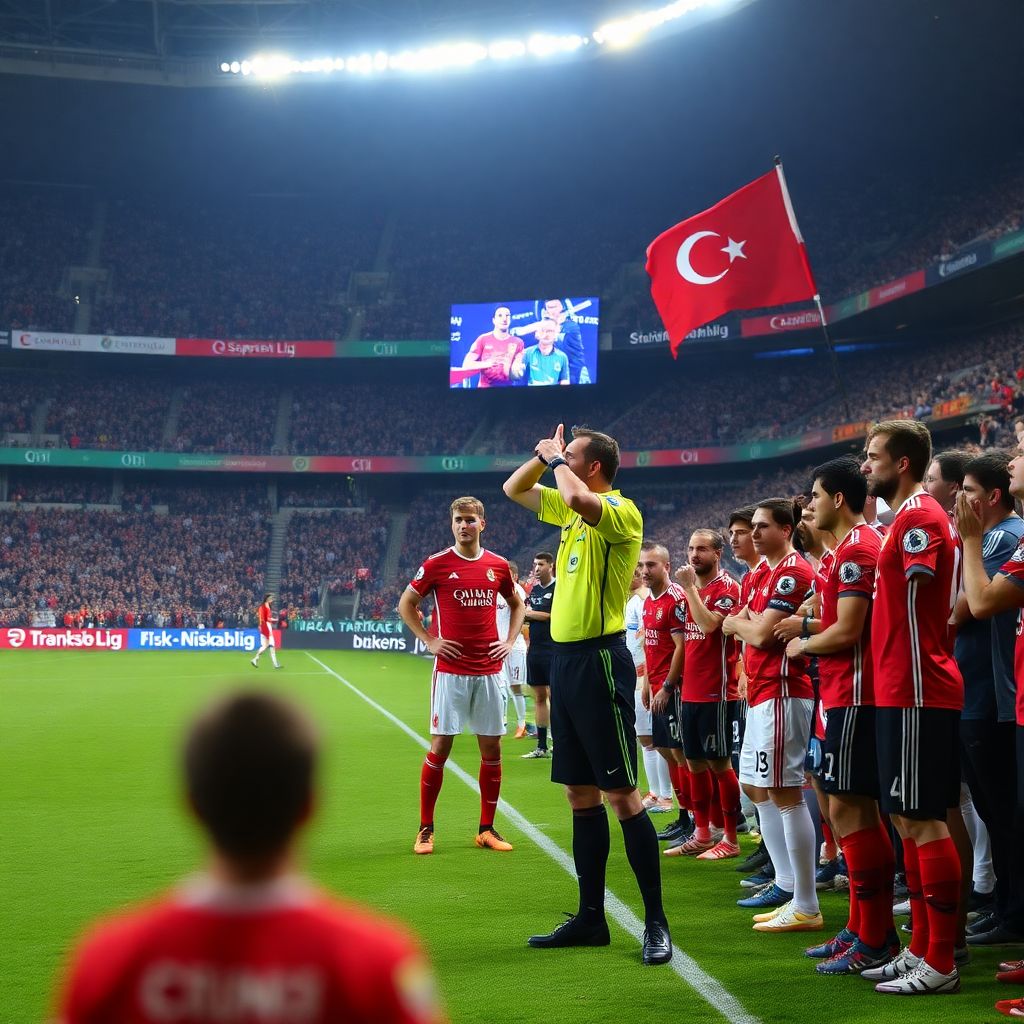
VAR has made the Turkish Süper Lig fairer in some decisions but not free of error or controversy. It corrects clear, objective mistakes in goals, penalties and red cards, yet it cannot fix every subjective judgement. Used with strict protocols and transparency, VAR is a safety net, not a magic solution.
Quick verdict: VAR’s reshaping of Süper Lig outcomes
- VAR in the Süper Lig is designed to fix clear, match‑changing errors, not to re‑referee every contact or handball.
- It has reduced obvious mistakes in goals, offsides and mistaken identity, but grey‑area fouls still cause heated debate.
- Slow‑motion and endless lines create an illusion of certainty; some decisions remain interpretative even with many camera angles.
- Clubs, referees and the federation must follow safe, transparent protocols to keep VAR from becoming the main actor of the show.
- Fan trust depends on communication: clear explanations and easy access to replays and incidents after Turkish Süper Lig VAR decisions today.
Debunking common myths about VAR in the Süper Lig
In the Süper Lig, VAR (Video Assistant Referee) is a system where a team of officials checks video feeds to help the on‑field referee with match‑changing decisions. It supports four areas only: goals, penalties, direct red cards and mistaken identity. Everything else stays with the referee on the pitch.
Myth 1: VAR checks every single foul. In reality, the VAR room intervenes only when there is a clear and obvious error or a serious missed incident in those four categories. Soft fouls, midfield pushes and most yellow cards do not reach the review threshold and will differ from league to league and referee to referee.
Myth 2: VAR removes all bias and controversy. The Süper Lig remains emotional, and interpretation still matters. Handball, shoulder‑to‑shoulder contact or goalkeeper challenges often sit in a grey zone. Even when fans follow Süper Lig VAR controversy latest news, many incidents stay debatable because the Laws of the Game leave room for judgement.
Myth 3: More cameras mean perfect justice. Extra angles help, but slow‑motion can make normal contact look worse and can distort the speed and force of a challenge. VAR improves decision‑making in obvious cases, yet it cannot transform subjective calls into mathematical facts, especially in a high‑pressure environment like major derbies.
What the numbers say: goals, penalties, offsides and error rates
Even without quoting specific figures, it is clear how VAR shapes the flow of Süper Lig matches in key decision types.
- Goals awarded or disallowed: VAR checks every goal for offside, fouls in the build‑up and handball. This reduces clearly illegal goals but also cancels some borderline ones that previously stood.
- Penalties given and taken away: The system can both grant penalties for missed fouls and overturn soft decisions. Over a season, this balances out some extreme errors, but the exact penalty count depends on refereeing style.
- Offside precision: Semi‑automatic or line‑drawing offside checks reduce blatant missed offsides. However, millimetre calls on toes and shoulders fuel arguments about whether the spirit of the game is respected.
- Error correction rate: Many clear mistakes from the referee’s first look are fixed through silent checks and on‑field reviews. However, small delays and communication issues can allow some errors to survive, keeping scrutiny alive.
- Match rhythm and added time: Reviews slow the game and extend added time. Coaches must plan for long stoppages, especially in tight title‑race fixtures, and broadcasters adjust timings for Süper Lig live stream with VAR replays.
- Psychological impact on referees: Knowing that every big call is reviewable, some referees delay whistles or prefer “let it flow, VAR will fix it”, subtly changing the balance between on‑field authority and video support.
How refereeing practice changed: protocols, training and transparency
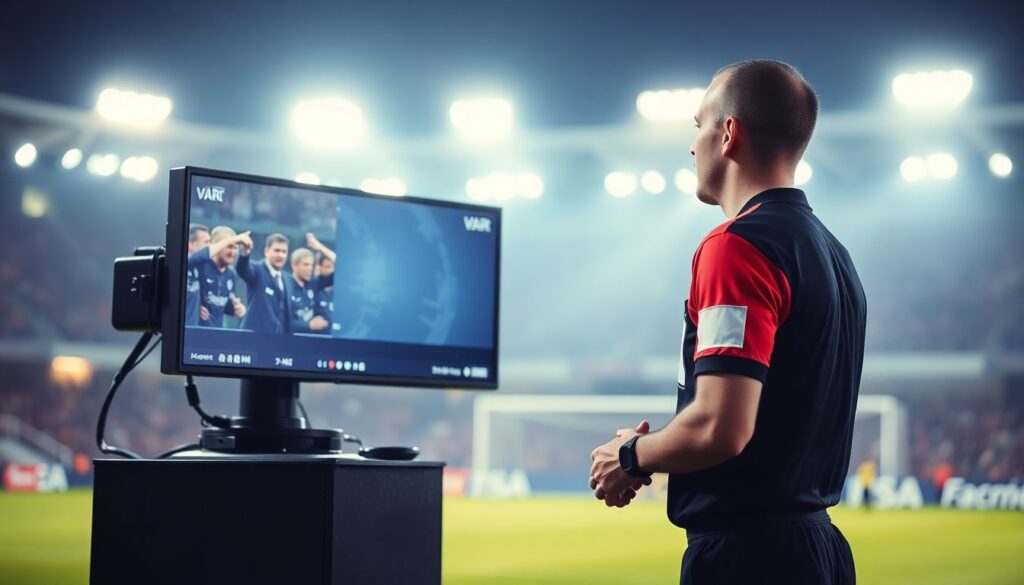
Referees in the Turkish Süper Lig have adapted their routines to a VAR‑centred workflow. Clear protocols define when VAR can intervene and how the on‑field referee uses the pitch‑side monitor. The key is to protect referee independence while using technology as a backup, not as the main decision maker.
- Pre‑match preparation: Referee teams now study camera layouts, communication signals and expected tactical patterns. They plan who monitors what in the VAR room and how to react quickly to possible incidents in crowded penalty areas.
- On‑field communication: The referee uses specific hand signals and headset codes to manage silent checks and formal reviews. Calm, clear language reduces confusion, especially when stadium noise is intense and emotions are high.
- Use of the on‑field review monitor: The monitor should be used only for subjective decisions. Objective offsides can be confirmed from the booth. Safe practice is to watch real‑time speed first, then slow‑motion, and to take one clear decision without rewatching endlessly.
- Post‑match debrief and education: After games, referee departments review VAR clips and communication logs. They identify good interventions, late calls or missed checks to refine future practice and to keep consistency between different crews.
- Public transparency measures: Federations experiment with releasing audio or detailed explanations for controversial moments. While not all audio goes public in Turkey, structured summaries and highlight packages with VAR graphics help fans understand the process.
- Alignment with media and data analysts: As clubs and journalists look for the best sites for Süper Lig VAR analysis and stats, referee bodies must align on terminology and share correct interpretations to prevent myths spreading unchecked.
Turning points: high-profile incidents that defined the debate
Specific match incidents shape how fans talk about VAR in any league. In the Süper Lig, derby penalties, last‑minute handballs and marginal offsides often dominate talk shows and social media. These moments highlight both the strengths and limits of the system and feed long‑term narratives about fairness.
Positive impacts highlighted by major VAR interventions
- Blatant offside goals in key title‑race matches being correctly ruled out after a quick VAR check, calming immediate protest on the pitch.
- Dangerous tackles upgraded from yellow to red after video review, improving player safety and sending a clear message on reckless challenges.
- Clear penalty fouls missed in real time being awarded, especially when the referee’s view was blocked by defenders or the goalkeeper.
- Wrong player being cautioned or sent off corrected via VAR, avoiding unjust suspensions and ensuring the real offender is sanctioned.
- Incidents clarified later in broadcast analysis, where replays show that the original outrage was based on a poor angle or incomplete information.
Limitations and recurring pain points exposed by incidents
- Long delays in deciding tight offside calls that disrupt celebrations and frustrate fans in the stadium and those watching Süper Lig highlights with VAR incidents.
- Handball decisions where different referees interpret “unnatural position” differently, even after all have access to the same slow‑motion angles.
- Inconsistent thresholds for “clear and obvious” errors, causing confusion about why some fouls trigger reviews while similar ones are ignored.
- Perception that big clubs receive more benefit from VAR, even when season‑long reviews show a more balanced pattern of corrections.
- Limited communication to spectators during reviews, leaving fans guessing about which specific action is under investigation.
Tactical and competitive effects on clubs and managers
Coaches and players in the Süper Lig have adjusted their behaviour, sometimes with useful discipline, sometimes with misunderstandings about what VAR can and cannot do.
- Expectation that VAR will reward every fall in the box: Some attackers exaggerate contact, thinking any fall equals a possible VAR penalty. Safe coaching is to focus on staying on the feet and finishing the action, as simulation can still be punished.
- Belief that shouting for VAR changes outcomes: Managers often surround the fourth official demanding a review. VAR, however, does not respond to protests; it responds to protocol. Emotional reactions risk cards without any impact on the decision.
- Over‑defensive tactics because of handball fear: Defenders sometimes keep arms behind their backs in unnatural ways, which can actually harm balance and positioning. The better response is training on body shape rather than panic about every deflection.
- Complacency about discipline: Some teams assume rough play can be moderated later by VAR intervention. This is risky: VAR only steps in for clear reds, so repeated small fouls and tactical fouls remain under the referee’s direct control.
- Misreading momentum around reviews: After a long VAR delay, concentration often drops. Well‑prepared teams train restarts after reviews, treating them like set‑piece moments that can decide tight matches.
- Strategic media use of incidents: Clubs now study VAR clips in detail, using them in press conferences and social channels to influence narratives about future Turkish Süper Lig VAR decisions today.
Wider repercussions: legal disputes, broadcasting and fan trust
VAR has effects beyond the pitch: in legal disputes, TV production and the emotional contract between the league and its supporters. How the Turkish federation, broadcasters and clubs manage these elements will decide whether VAR is seen as a fair safety system or an endless source of controversy.
Broadcasters adjust cameras, graphics and commentary to integrate VAR moments into Süper Lig live stream with VAR replays. Fans want fast, clear visuals explaining why a goal stands or is cancelled. Highlight shows and digital clips must package these sequences logically so that audiences can easily see which law was applied.
Disputed VAR calls can trigger formal complaints, disciplinary hearings and sometimes civil or arbitration discussions when financial stakes are high. While technology provides more objective evidence than before, it also exposes more borderline cases. Safe governance requires documented protocols, audit trails of VAR communication and clear, timely public explanations.
Fan trust depends not only on accuracy but also on perceived neutrality and openness. Supporters now search for the best sites for Süper Lig VAR analysis and stats to cross‑check official narratives. If communication is weak, conspiracy theories fill the gap. If clips, explanations and laws are easily accessible, discussion can mature from raw anger to informed criticism.
Mini‑case sketch of a VAR process in a critical Süper Lig match:
if (goal_scored) {
  VAR.check(goal, build_up, offside, handball);
  if (clear_obvious_error) {
    referee.onFieldReview();
    referee.finalDecision();
    broadcaster.showReplaySequence();
  }
  federation.publish_explanation_after_match();
}
This simplified logic shows the safe sequence: check, review only if clearly necessary, one final decision, then transparent communication. When every step is respected, fans watching where to watch Süper Lig highlights with VAR incidents can see not just the outcome but the reasoning behind it.
Practical answers to recurring VAR questions from stakeholders
Does VAR review every contact in the penalty area?
No. VAR only intervenes for potential penalties when there is a clear and obvious error or a serious missed incident. Normal physical contact, even if it looks harsh from one angle, usually stays with the on‑field referee’s original judgement.
Can players or coaches demand a VAR review like a challenge?
No. The protocol does not allow teams to request reviews. Only the VAR team and the referee can initiate a check. Excessive pressure, gestures or crowding around officials can lead to yellow or red cards for dissent.
Why do some VAR decisions still feel inconsistent?
Many calls, especially on handball and fouls, are partly subjective. Different referees may apply the same criteria with small variations. Without shared clips and education, fans notice these differences and interpret them as inconsistency or bias.
Is VAR audio between referees ever made public?
In some competitions worldwide, selected clips are shared for educational purposes. In Turkey, practice is more limited, but federations can release explanations or use seminars and media programmes to walk through key incidents and the reasoning.
How can fans better understand VAR decisions after a match?
Checking official highlight packages, federation explanations and reliable tactical or refereeing blogs helps. These sources usually show the full build‑up, multiple angles and the relevant law, which is far clearer than a single replay on social media.
Does VAR affect how much added time is played?
Yes, reviews and long checks add to stoppage time. Referees now include VAR delays when calculating additional minutes, so late phases of matches can last longer than before, affecting fitness management and tactical substitutions.
What is the safest mindset for players under VAR?
Play as if every action is recorded and reviewable, but do not rely on VAR to repair reckless choices. Focus on discipline, clean technique and emotional control; this reduces both fouls and the risk of being caught by an unexpected replay angle.