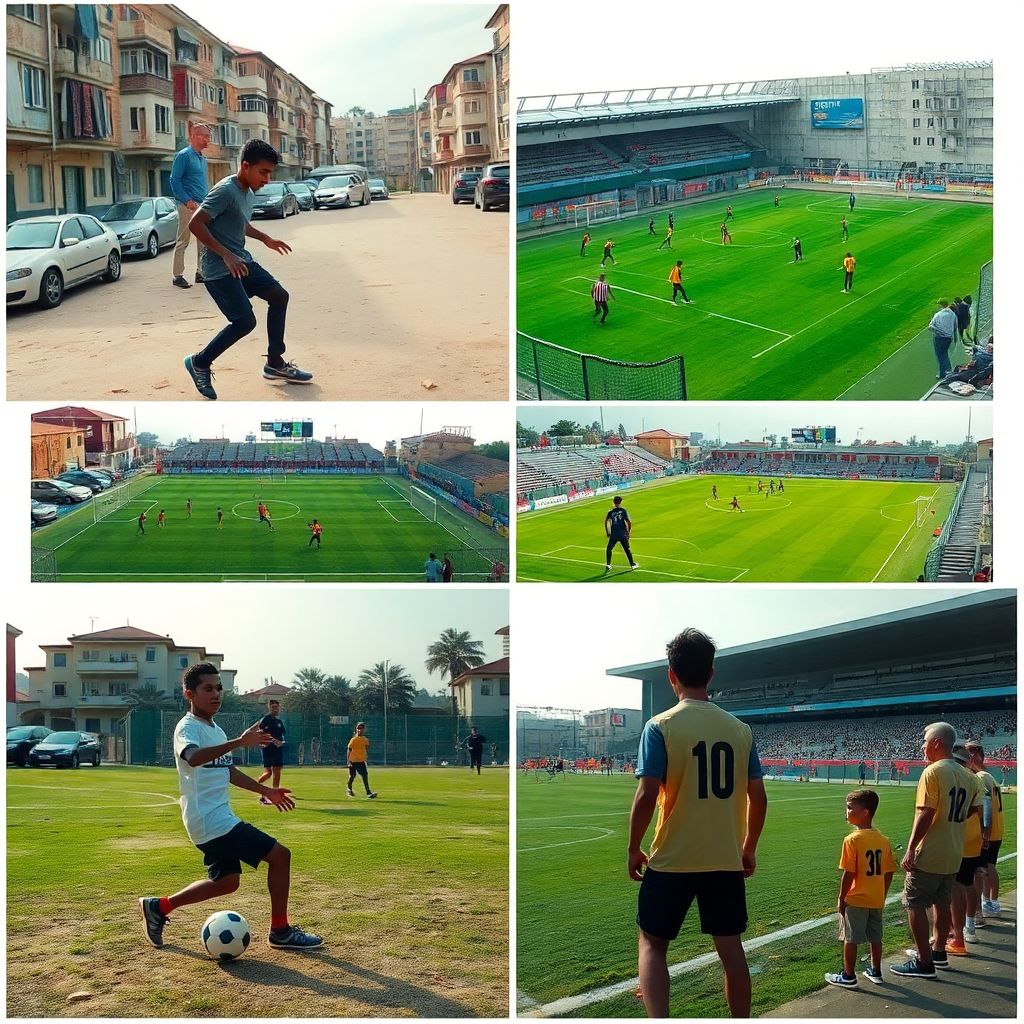
In Turkey, the road from dusty side streets to spotless stadiums has changed fast. Ten–fifteen years ago, a kid could impress the local coach in a neighbourhood tournament and suddenly train with a professional youth team. Now, there’s more structure, more competition, and more eyes watching. That’s not a bad thing, but it means raw talent isn’t enough. You need a simple plan: where to train, who should notice you, how to avoid traps, and what to expect from modern talent development. Let’s walk through it step by step, keeping one foot on the asphalt and the other on the professional pitch.
Step 1: See how the street is still your first coach
Street football in Turkey hasn’t disappeared; it just moved. Empty parking lots, cages between apartment blocks, school yards after class – that’s where players still learn close control, bravery in 1v1, and creativity under pressure. If you’re starting out, don’t underestimate these games. Play often, play against older and stronger opponents, and try different positions. The trick is to treat each small match as a lab: “Today I focus on weak foot,” “Today I only play one-touch.” Street games teach you to improvise; later, coaches will polish what you learned there, not replace it.
Step 2: Connect street skills with football academies in turkey
At some point, the chaos of street matches must connect with the structure of an academy. Modern football academies in Turkey look at more than who scores the most in a neighbourhood game. They check how you move off the ball, listen to instructions, recover after losing possession. For you, the practical move is clear: find two or three nearby academies, watch one or two training sessions if they allow it, talk to parents of current players, and then decide where the coaching style fits you. Don’t chase the club with the biggest logo; chase the one where coaches actually correct your mistakes and explain why.
Step 3: Understand how to join football club in turkey in practice
The phrase “how to join football club in turkey” sounds huge, but the steps are surprisingly down‑to‑earth. Usually it starts with open trials or test trainings. You fill in a form, show up on time, warm up properly, and then you’re placed in small games or drills. Coaches don’t only watch if you score; they notice attitude. Simple habits help you stand out: greet the coach, communicate on the pitch, don’t complain about positions, and sprint back when you lose the ball. Many players blow their chance not because they’re bad, but because they act like they already made it. Humility plus intensity is a powerful mix.
Step 4: Use the best football training camps in turkey wisely
Summer and winter camps can speed up your growth if you choose them carefully. The best football training camps in Turkey don’t just run you until you drop; they offer clear session plans, video feedback, and coaches who talk to you one‑on‑one. Before you pay anything, ask direct questions: “How many hours of ball work per day?”, “Will we play full matches against other teams?”, “Do scouts actually visit, or is it just advertising?” A camp should give you two things: new tools (tactical understanding, specific drills you can repeat at home) and honest evaluation of your current level. If it’s only about fancy photos for social media, skip it.
Step 5: Avoid classic mistakes when chasing trials
As the system got more professional, scams grew with it. Be very careful with anyone promising guaranteed contracts after one weekend trial, especially online. Real clubs and real turkey professional football trials for foreign players never ask for big “registration fees” through shady transfers. Another frequent error: jumping between too many trials without building your base. If you change clubs, camps, and coaches every few weeks, no one truly tracks your progress. Pick opportunities that fit your age and level, prepare 3–4 weeks in advance, then analyse what went well and what didn’t after each trial. Treat trials as exams you study for, not lottery tickets.
Step 6: Work with scouting agencies for football players in turkey, not against them

Scouts and intermediaries are now part of the landscape. Some scouting agencies for football players in Turkey genuinely connect young talents with clubs; others just collect fees. Practically, you should treat an agency like you would a serious training program. Check which players they’ve placed, which clubs they deal with, and what exactly they offer besides “exposure.” Never sign anything you don’t fully understand, and never give away long‑term rights to your career for small short‑term help. A good agency will talk first about your development plan – which league suits you, what position you should specialise in – not only about quick transfers or Instagram highlights.
Step 7: Train like a pro even before you become one

Talent development is no longer just two evening sessions and a weekend match. To keep up, build a weekly routine: technical work with the ball, strength for injury prevention, and recovery methods like stretching and sleep. You don’t need fancy gear. A wall, a ball, and a clear plan already put you ahead. For example, set 20 minutes a day for first touch and passing against the wall, 10 minutes of weak‑foot shooting, then simple bodyweight exercises. Keep a small notebook: write what you trained and how you felt. This sounds nerdy, but it turns your football from a vague dream into a measurable project.
Step 8: Use camps and trials if you’re coming from abroad
For foreign players, Turkey has become a popular door into European and Asian markets. Many come looking for turkey professional football trials for foreign players or short‑term showcases. If that’s you, manage expectations. Arrive fit, not “getting fit.” Learn basic Turkish football terms – simple words like “sağ, sol, dön, pres” help a lot. Choose one region or city instead of jumping across the country. And remember: a 10‑day stay is rarely enough. Plan at least one full pre‑season or half‑season if you really want clubs to trust you. Quick visits are good for testing the waters, not for building a stable career.
Step 9: Let data and video support your street reputation
In the past, someone might say, “This kid from our district is a monster,” and a coach would show up. Now, coaches also want to see clips and numbers. You don’t need a film crew – a friend with a decent phone and a tripod is enough. Record full matches, then cut 3–5 minutes that show your decision‑making, not just goals or tricks. Basic data like minutes played, goals, assists, and positions used through a season add weight to your story. When combined with that old‑school street reputation, video and stats make it easier for coaches and scouts to convince their clubs to take a real look at you.
Step 10: Balance education, family, and the dream
Professionalization brought pressure. Kids feel they must choose between football and everything else at 13. That’s dangerous. Injuries, club politics, or simple bad luck can derail even very talented players. Keeping school and basic education in the picture isn’t a backup “just in case you fail”; it actually helps your football. Understanding tactics, contracts, languages, and even basic nutrition requires some study. Parents should support, not suffocate: push your child to be disciplined, but allow space for fun and normal teenage life. A balanced player stays calmer during trials, handles setbacks better, and lasts longer in the game.
Step 11: Choose environments, not just badges

It’s tempting to chase the biggest club name in your city, but development often happens faster in places where you actually play and get coached. Sometimes a smaller local club with one or two sharp coaches can do more for you than a crowded academy where you’re player number 150. When you visit clubs or camps, notice the details: do coaches arrive on time, is the warm‑up organised, do they stop drills to correct technique, or just shout and play endless matches? The environment you train in every week shapes your habits far more than the logo on your shirt.
Step 12: Use Turkey’s changing system to your advantage
Turkey’s talent pathway is no longer a straight line from street to senior team. Now it’s a network: local clubs, regional academies, private schools, national youth leagues, and international camps. This can look confusing, but it also means more doors. The smart approach is to map your next two or three realistic steps instead of obsessing over the final destination. Maybe that’s joining a decent local youth team, then targeting one of the best football training camps in Turkey next summer, then using that exposure to reach a bigger academy. Step by step, with honest self‑assessment, you turn a childhood game into a serious, but still enjoyable, journey.