Comparing Turkish and European Approaches to Injuries and Workload
Context in 2026: Why This Topic Matters
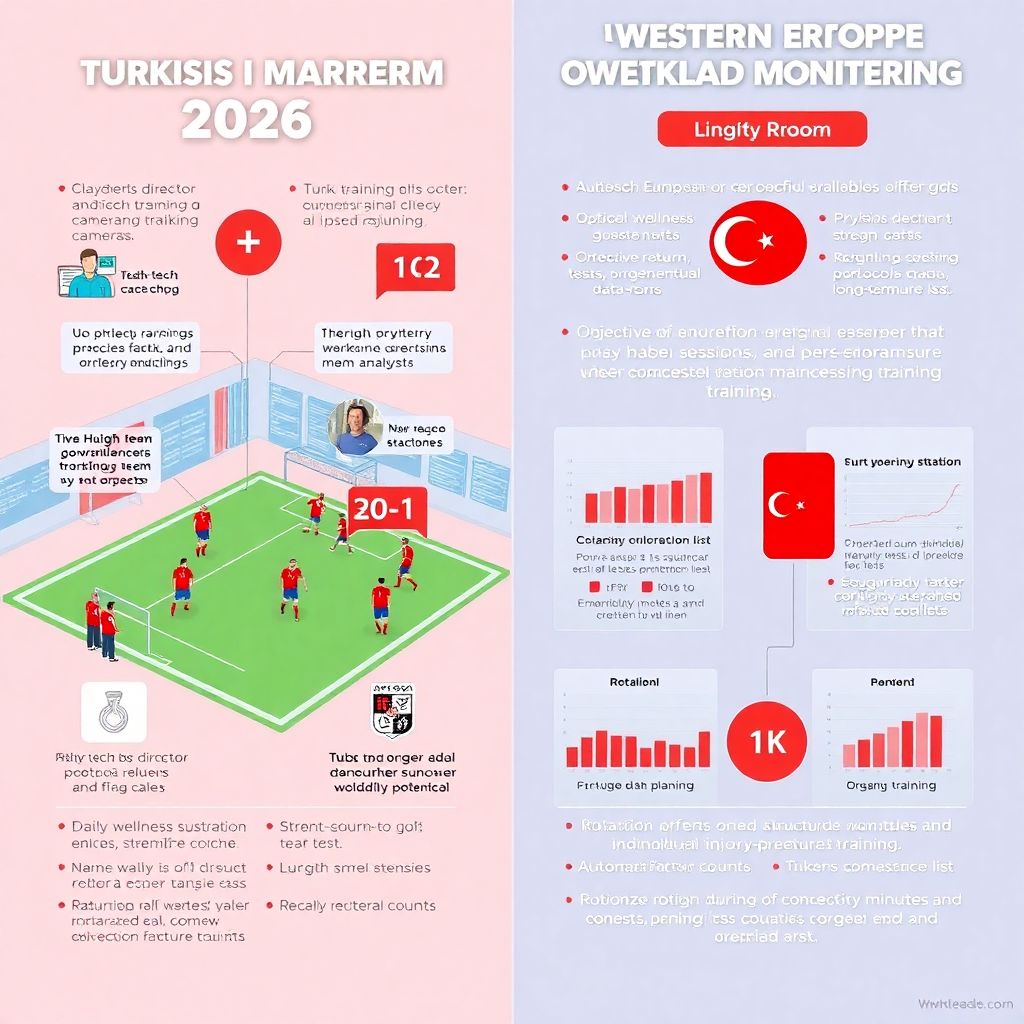
By 2026, nobody in top‑level football can ignore data anymore, but how clubs actually use it still varies a lot between Turkey and the big European leagues. In Western Europe, sports injury management in professional football has become almost industrialized: standardized protocols, deep integration of medical and performance teams, and long‑term planning that outlives individual coaches. In Turkey, the landscape is more mixed. Big Istanbul clubs now lean heavily on foreign experts and modern tech, while some provincial teams still rely on the head coach’s intuition and short‑term results. If you work in or around the game, understanding these contrasts helps you copy the best European ideas without ignoring the specific realities of Turkish football culture, media pressure and finances.
Necessary Tools and Staff Infrastructure
Core tech and data systems
The backbone of modern workload control, whether in Turkey or Europe, is a coherent tech stack instead of a pile of unrelated gadgets. European clubs typically combine GPS vests, optical tracking, force plates, wellness apps and centralized databases into unified football workload monitoring and recovery systems. Turkish giants have mostly caught up on hardware, but integration is where gaps still appear: devices from different vendors, spreadsheets instead of proper dashboards, and inconsistent data entry on away trips. To keep things practical, every club should focus on a minimal but reliable setup: player tracking and performance analytics solutions for soccer that talk to the medical record system, simple daily wellness questionnaires, and a clear rule about who owns the data and who decides which metrics actually matter for training and match selection.
Human resources and organizational setup
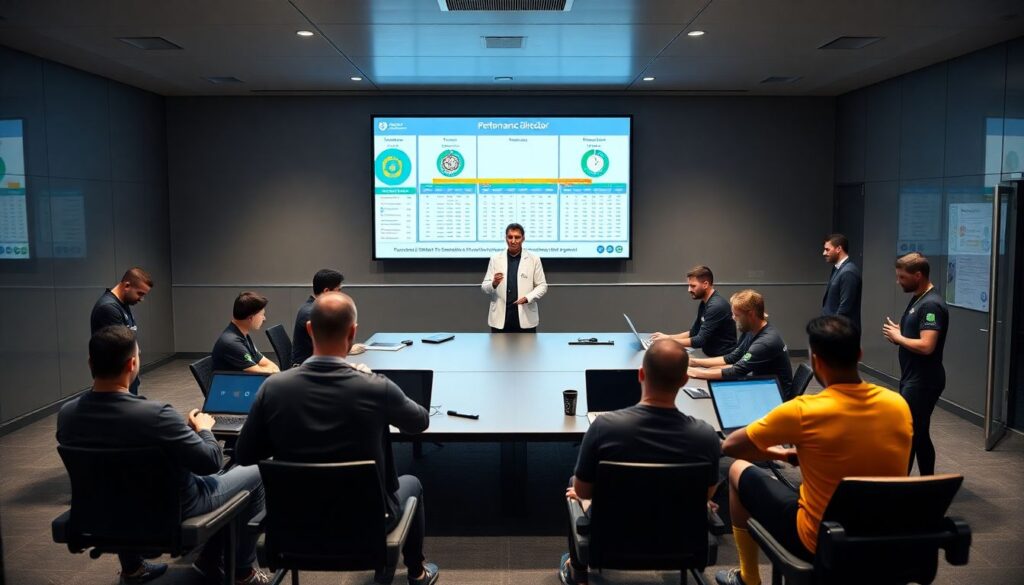
No system will work if the staffing model is stuck in the 2000s. In many European clubs, there is now a performance director who sits between coach, doctor and sporting director and coordinates everything related to load, recovery and return‑to‑play. This role is supported by physios, strength coaches, data analysts and often external sports science consulting for football clubs, especially during congested periods or European campaigns. In Turkey, staff structures are improving but still fluctuate heavily with each coaching change; entire performance departments may be replaced overnight. To stabilize things, clubs need clear job descriptions, written workflows and at least one senior performance professional whose contract is slightly decoupled from the head coach’s, so long‑term injury prevention goals cannot be reset every time results dip for a few weeks.
Step-by-step Process of Managing Workload and Injuries
Daily and weekly workload planning
On a practical level, European teams usually start from the match and work backwards, building the week around target high‑intensity minutes and sprint counts, then adjusting for travel and competition density. Coaches receive short, visual summaries every morning, not 20‑page reports. In Turkey, the same philosophy is spreading, but application is less consistent: some coaches still design sessions purely from tactical ideas and only later check whether the physical load was appropriate. A robust step‑by‑step routine looks like this: set match‑day load targets, translate them into drill choices and durations, verify in real time using tracking data, then cross‑check with subjective wellness scores next morning. Over a few weeks, the club refines this loop, learning how each player responds, rather than blindly copying foreign periodization models that may not suit the league’s travel and climate specifics.
Acute injury handling on and after match day
When a player goes down in a match, the gap between top European leagues and much of Turkish football is less about medical competence and more about process discipline. In Europe, acute decisions follow clear algorithms: on‑field check, tunnel or dressing‑room screening, rapid imaging if needed and immediate load restrictions logged into the central system. Turkish big clubs mostly mirror this, but lower‑budget teams can still skip imaging or structured follow‑up to “keep the player available,” which often backfires later. A solid workflow in both contexts should start with conservative protection in the first 24‑48 hours, followed by graded movement tests and honest communication with the coach about timelines. The key modern trend is to connect these acute steps with long‑term data, so every new injury also updates risk profiles and training plans instead of being treated as an isolated accident.
Return-to-play and long-term prevention
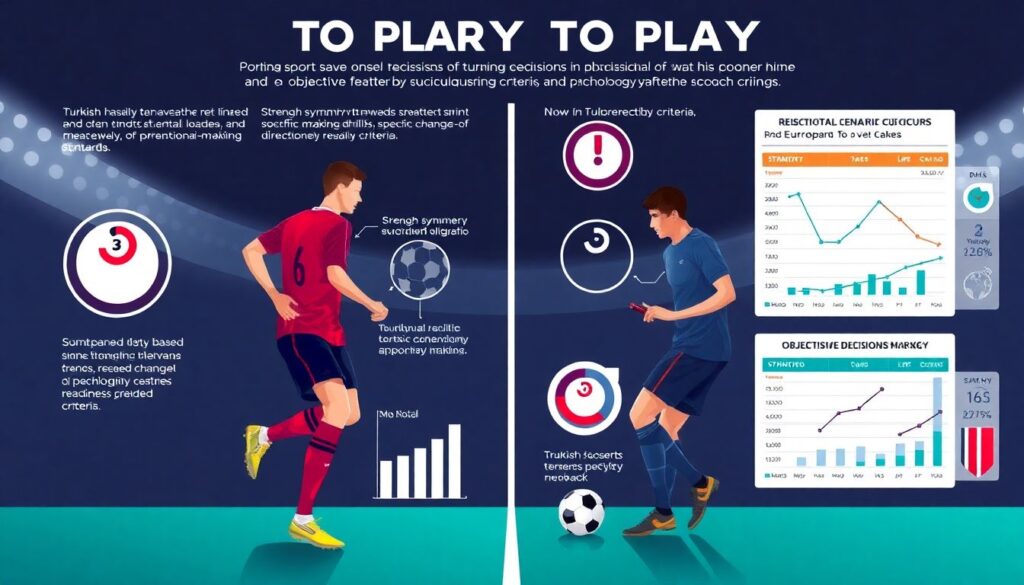
Return‑to‑play was once based mainly on how the player “felt” and whether the coach needed him; now, European clubs are tightening objective criteria: strength symmetry thresholds, repeated sprint tests, specific change‑of‑direction tasks and psychological readiness scales. Turkish teams are increasingly adopting the same benchmarks but are still more likely to compress timelines in big derbies or relegation battles. For sustainable results, clubs should think of every rehab as a chance to improve the player’s movement quality and not just rebuild old deficits. This is where well‑designed injury prevention programs for elite soccer teams blend into daily training: individualized strength work built from screening data, micro‑dosed neuromuscular drills before sessions and scheduled “freshness blocks” during heavy fixture runs. The clubs that manage this best tend to protect their stars through full seasons, not just get them ready for the next high‑profile match.
Troubleshooting Common Problems
Overload, underload and fixture congestion
Both Turkish and European clubs complain about calendar chaos, but the reaction often differs. In big European leagues, coaches are increasingly willing to rotate aggressively and accept short‑term performance dips to protect key players’ long‑term health. In Turkey, media and fan pressure can make rotation harder, which leads to hidden overload: same core players doing heavy minutes plus intense training. When injuries spike, the first troubleshooting step is brutally simple: map not just matches but every high‑intensity exposure for each player over the last six weeks and compare it to their historical tolerance. Many clubs discover the problem is not one brutal week but a slow accumulation of double sessions and travel fatigue. Modern systems allow automatic alerts when players drift outside safe ranges, but only if someone actually sets realistic thresholds based on the squad’s physical profile and age structure.
Cultural resistance and communication gaps
Even with perfect tools, workload programs collapse if the coach views them as interference. In several European clubs, this conflict has been softened by embedding performance staff directly into football discussions, not keeping them in a lab. They attend tactical meetings, speak the coach’s language and present data in terms of football problems, not abstract metrics. In Turkey, there can still be a sharp divide between “science guys” and “football men,” especially in more traditional clubs. To troubleshoot this, start by reframing: instead of saying, “GPS shows he must rest,” explain, “If he plays three full games this week at current speed, his risk of missing the next month doubles.” Over time, consistent, football‑relevant messaging builds trust, and load management stops being perceived as a threat to authority and becomes another tool for winning, which is ultimately what both sides care about most.
Budget limits and smart compromises
Not every club can afford the full European super‑club setup, but that doesn’t mean they must accept high injury rates as inevitable. Smaller Turkish teams and lower‑tier European sides can still apply core principles by prioritizing what truly moves the needle. Instead of chasing every shiny gadget, invest first in stable staff, basic tracking and a clear injury database, then add complexity slowly. Lightweight player tracking and performance analytics solutions for soccer are now far cheaper than a decade ago, especially cloud‑based ones, and can be combined with simple wellness surveys to cover most monitoring needs. When money is tight, focus on non‑negotiables: consistent warm‑up standards, hinge and hamstring strength work, sleep and travel routines and honest timelines for return‑to‑play. Modern sports science does not have to be glamorous; it just has to be systematic enough that decisions are no longer made on guesswork or short‑term emotion.