The modern defensive midfielder: why this role runs the show
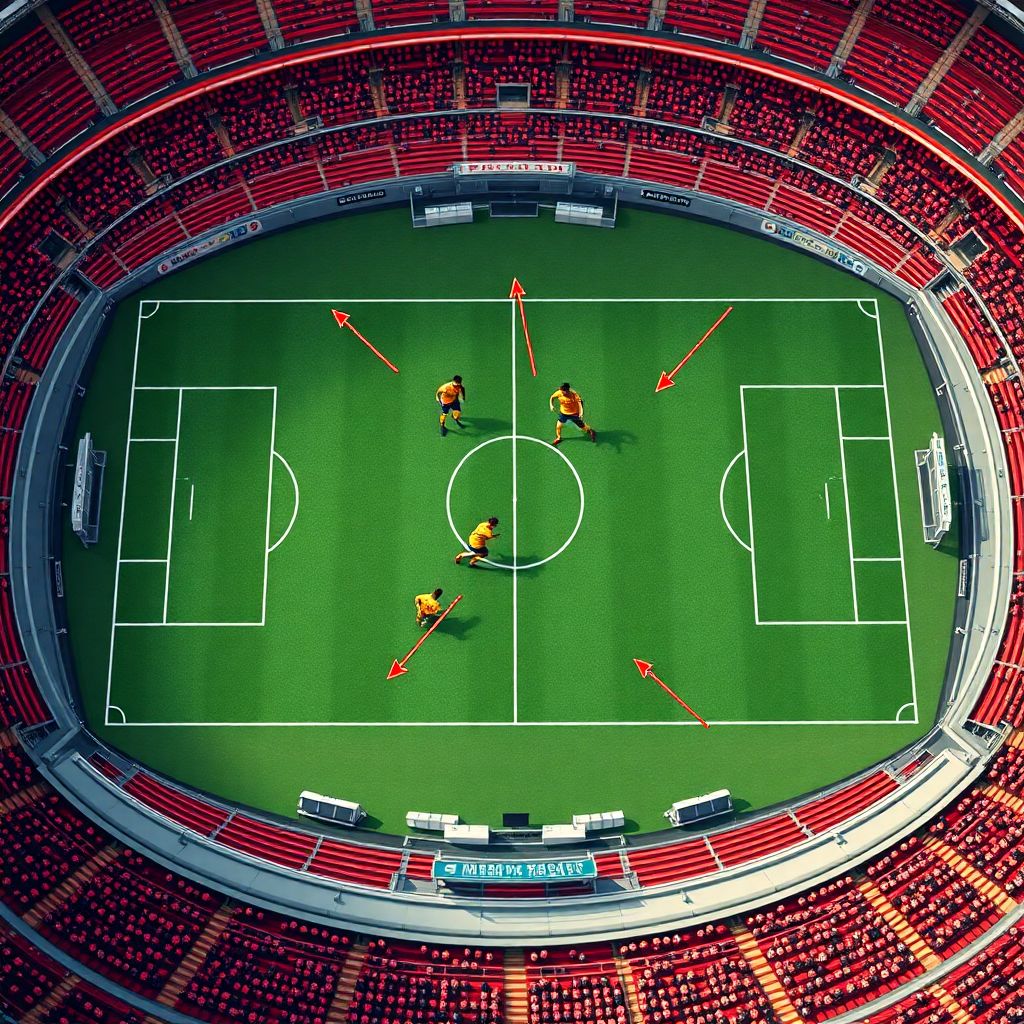
In today’s game, the defensive midfielder is less about “destroy and pass sideways” and more about running the entire rhythm of the team. Watch how Lucas Torreira at Galatasaray or İsmail Yüksek at Fenerbahçe constantly scan, adjust their body angles and drag the block five meters higher or lower. That micro‑management of space is why coaches in both Turkey and Europe often design match plans *starting* from the No. 6. If your holding midfielder reads pressing triggers half a second faster, your team wins second balls, controls transitions and suddenly looks tactically “smart”, even without superstar forwards or centre‑backs.
Real cases: how Turkish and European sixes change matches
Take a typical Super Lig game where one side defends deep. A savvy No. 6 like Torreira doesn’t just sit in front of the centre‑backs; he positions slightly wider to close half-spaces and lure the opposition into predictable passes. That small shift creates turnovers that launch counters through the wings. In Europe, Rodri at Manchester City offers another blueprint: he rarely slides into reckless tackles, but constantly blocks passing lanes, forcing the ball into zones where City’s pressing traps are prepared. Both examples show a key principle: elite defensive mids don’t chase the ball; they manipulate where the ball is allowed to go.
Training smarter: from drills to tailored role design
Most academies still overload young sixes with generic physical drills, while the game demands targeted cognitive work. Modern defensive midfielder training programs Europe focus on scanning habits, orientation of the first touch and recognition of pressure cues. A practical upgrade for any Turkish club: film 15-minute segments of training games from a high tactical camera and ask the DM to narrate what they see in freeze-frames—passing options, threats, cover. This bridges “video analysis” and on‑pitch reality. Over time, players stop reacting out of panic and start operating from clear, repeatable decision patterns that hold under fatigue and scoreboard pressure.
Non‑obvious solutions: pressing from the six instead of the striker
Many coaches still trigger the press from their centre-forward, but in leagues with strong build-up like the Bundesliga or Süper Lig’s top clubs, that’s easy to bypass. A less intuitive idea is to key the main pressing trigger off the defensive midfielder. When the opposition pivot receives on the half-turn, the No. 6 jumps aggressively, while the striker blocks the back pass. This flips roles: the six becomes the first presser, not the last shield. It works particularly well with mobile players such as İsmail Yüksek who can both step high and still recover. The pay-off is more central turnovers and fewer desperate recovery sprints toward your own box.
Alternative methods: individual game plans for your No. 6
Instead of giving your holding midfielder the same instructions every week, build opponent-specific tasks. Against a team that overloads the left half-space, you may ask your six to defend slightly asymmetrically, drifting to that side while trusting the weak-side full-back to tuck in. Against a target-man side, the No. 6 can be told to attack second balls rather than track runners tightly. European clubs that produce detailed defensive midfield scouting reports European leagues already assign these micro-roles by opponent profile. Even without a big analytics department, a coach and DM can co-design two to three “if-then” rules before every match to simplify on-field choices.
Education as a weapon: courses and self-coaching
Players often talk about “football IQ” as if it’s innate, but it can be trained. Access to tactical analysis courses for defensive midfielders is growing, from online modules to club-run workshops. A 20-year-old six in Turkey can clip their own involvements with free software, then sit down with a mentor or analyst to label each action: delay, press, cover, anticipate. That process turns vague feedback like “be more aggressive” into specific cues—press on the back pass, delay when isolated, drop when the full-back steps out. Over a season, the player effectively becomes their own assistant coach, seeing patterns that used to blur together at match speed.
Lifehacks and micro-skills for pros
Here are a few practical hacks that many top holding mids use but rarely talk about openly:
1. Count touches behind you. Every 5–10 seconds, quickly check how many team‑mates are behind the ball; this controls your risk level in passing.
2. Use “false pressure” with your body shape: step toward the carrier but angle your hips to block the forward lane, baiting a lateral pass.
3. Communicate in verbs, not shouts: say “drop”, “hold”, “switch” instead of vague yelling.
4. Pre‑assign zones on set pieces where you *never* leave your post, even if the ball looks tempting.
These small habits compound into a calmer, more reliable presence in the most chaotic part of the pitch.
Data, scouting and the hidden side of the role
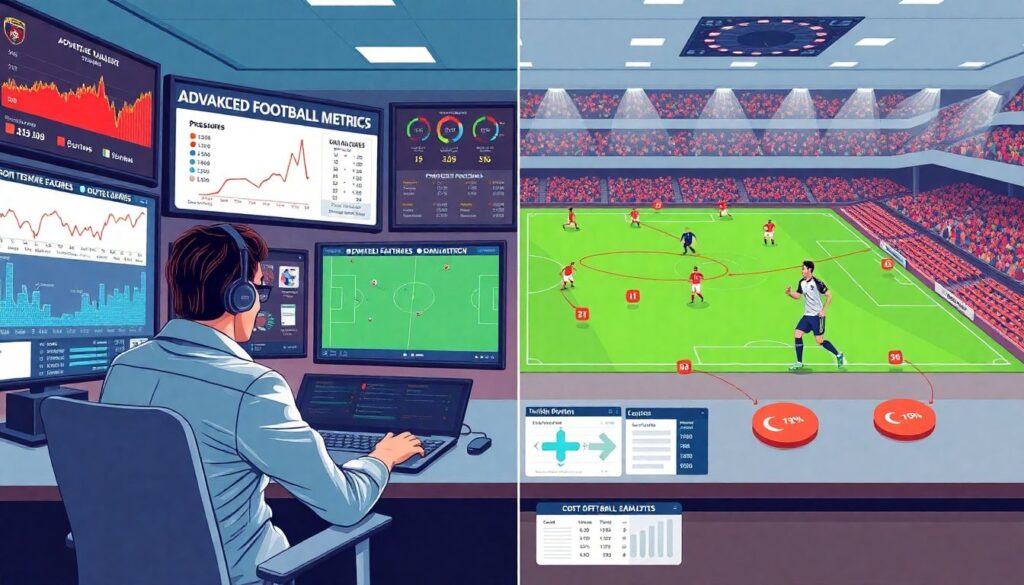
Clubs increasingly lean on numbers to evaluate sixes, but the right metrics matter. Instead of counting only tackles, serious football analytics services for midfield player performance focus on pressures leading to turnovers, blocked lanes and progressive passes after regains. In Turkey, where budgets can fluctuate, accurate data helps identify undervalued players from second tiers or smaller European markets who fit a club’s pressing style. Blend that with live assessment of communication and positioning, and you avoid signing a highlight-reel tackler who secretly breaks your defensive structure five times per game. For the player, understanding these metrics means knowing exactly what future scouts will be watching.
Best in class and what they teach Turkish football

When people debate the best defensive midfielders in Turkish football 2024, names like Torreira, Yüksek or even deeper-lying hybrids such as Fred inevitably come up. What unites them isn’t just work-rate; it’s versatility. They can screen in a low block on Thursday, then start attacks in a high-possession derby on Sunday. For young Turkish players, the lesson is clear: specialising only as a “destroyer” narrows your career path. Building a skill set that covers pressing, build-up under pressure and transition management makes you adaptable to both domestic and European styles, and much more attractive to clubs operating with modern tactical frameworks.