
Why Turkish clubs are suddenly obsessed with data
If you’ve followed the Süper Lig over the last few seasons, you’ve probably noticed a quiet revolution. Staff titles like “Head of Analytics” and “Data Scientist” are popping up on club websites, GPS vests have become as common as training bibs, and even post-match interviews now mention expected goals.
This isn’t a gimmick. Over the last three years (2023–2025), analytics has moved from “nice-to-have” to “we can’t keep up without it” for most top Turkish sides. The shift has been driven by three hard realities:
– Transfer inflation in Europe forcing Turkish clubs to extract more value per euro
– Growing revenue gaps between clubs with European football and everyone else
– The simple fact that data is now cheap, accessible and far more user‑friendly than it was even five years ago
Before we dive into tools and step‑by‑step processes, one clarification: precise public statistics specific to football data analytics turkey are limited. Turkish clubs don’t publish detailed analytics budgets or adoption rates. Where solid global numbers exist, I’ll mention them; for Turkey itself, I’ll focus on well‑documented trends and concrete examples rather than invented percentages.
What’s actually changed in the last 3 years (2023–2025)
1. Analytics is moving from “consultants” to “in‑house teams”
From 2023 onwards, several Süper Lig clubs began publishing job ads for full‑time data analysts, video/data scouts and performance scientists. The pattern is clear:
– Big Istanbul clubs: already had analysts, but expanded teams and integrated them more tightly into recruitment and performance.
– Ambitious Anatolian clubs: went from outsourcing everything to hiring at least one full‑time data specialist plus part‑time external help.
Compared to pre‑2022, where many clubs only used external reports a few times per transfer window, the last three seasons saw a clear shift towards daily, training‑ground‑level integration of data.
2. Match and tracking data coverage has effectively gone “league‑wide”
By 2025, every Süper Lig game and most 1. Lig games have detailed event data (passes, shots, pressures, etc.) and tracking data (player positions, speeds, distances). This makes it possible to:
– Model playing styles and tactical patterns
– Monitor physical loading and recovery
– Benchmark players in Turkey against those in other leagues
The key change over these three years is not that data suddenly appeared, but that more clubs actually learned how to read it and turned raw numbers into decisions: who to sign, who to sell, how to structure training, and how to adjust the squad profile.
3. Recruitment has become the main entry point for analytics
Scouting is still the “gateway drug” for data. Starting around 2023, more Turkish sporting directors began insisting that any final shortlist for a transfer includes:
– Traditional live / video scouting reports
– Objective data profiles: age curve, injury history, style fit, pressing intensity, set‑piece contribution
– Salary + resale projections
That doesn’t mean every transfer is a moneyball masterpiece, but it does mean the days of signing players purely based on name recognition and highlight reels are slowly fading—especially for clubs without huge budgets.
Necessary tools: building a modern data stack for a Turkish club
Let’s break down what a realistic toolset looks like for a Süper Lig or 1. Lig team that actually wants to be data‑driven, not just talk about it.
Core data sources
You usually need three layers of information:
– Event data (passes, shots, duels, pressures, carries) – the backbone of most models.
– Tracking data (player positions 10–25 times per second) – crucial for tactical and physical analysis.
– Medical and training data (RPE, wellness, GPS, gym loads) – to manage injuries and conditioning.
This comes from a mix of league providers, optical tracking systems and GPS units worn in training.
Software and platforms
Most clubs create a hybrid stack: off‑the‑shelf tools plus some custom work. A typical setup includes:
– A commercial platform for scouting dashboards, league comparisons and shortlist management
– A performance platform to integrate GPS, wellness and match loads
– Video analysis software linked to event data
– A central database (often cloud‑based) to merge everything
This is where sports analytics software for football teams in turkey has exploded in variety: from international platforms localised for Turkish leagues to small domestic startups building tactical and recruitment tools specifically for Süper Lig realities.
People and roles
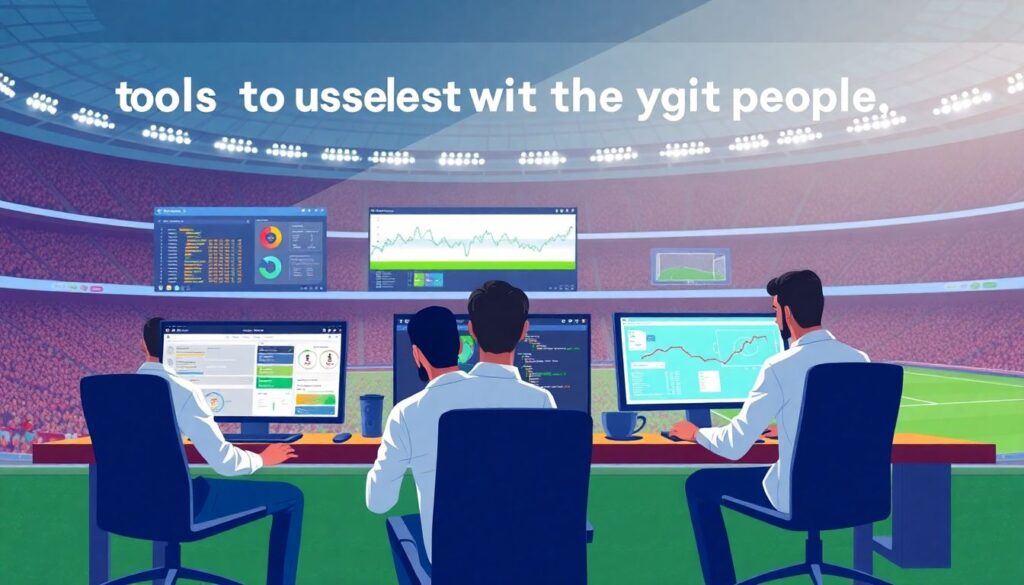
Tools are useless without the right people. At minimum, a club that’s serious about analytics needs:
– 1–2 data analysts with strong coding and stats skills
– 1 video analyst comfortable with tagging and integrating data
– 1 performance scientist or sport scientist to handle GPS and physical data
– A sporting director and head coach willing to actually use their work
Some bigger clubs now also work with football performance analytics companies turkey has attracted in recent years—external specialists that help with model building, opponent analysis or custom metrics when internal staff are overloaded.
Step‑by‑step: how data reshapes squad building
Step 1: Define the game model before touching spreadsheets
Everything starts with how you want to play. High press or mid block? Heavy crossing or cut‑backs? Build short or go direct?
If the head coach and sporting director can’t explain the intended playing style in simple terms, any data‑driven squad plan will be chaos. Good clubs write this down as a “game model document” and then translate it into measurable criteria.
For example, a high‑pressing team might define:
– Minimum pressures per 90 for forwards
– Defensive actions in the final third
– Sprint volume and high‑intensity runs
Once that’s clear, analysts can search for players who actually fit, instead of ones who just look good on highlight clips.
Step 2: Build the squad profile and depth chart
Next, the club maps the current squad against that game model.
Analysts create a living “depth chart” by position and role:
– Who’s the starting left‑back now?
– Who’s his backup?
– What’s their age, salary, contract length and injury history?
– How do their key metrics compare to league average?
Over the last three seasons, Turkish clubs have increasingly added contract data to this view to avoid “cliff edges” where multiple starters’ contracts all expire at once.
Step 3: Use data to flag weak spots and future gaps
With that depth chart in hand, data can highlight:
– Positions with ageing starters (e.g., 31+ with declining physical outputs)
– Roles where the current player’s style clashes with the intended game model
– Players with high injury risk based on historical patterns
– Under‑utilised talents who might deserve more minutes
Instead of waiting for a player to break down or regress fully, clubs can act a year earlier—either to sell at a good time or to gradually phase in a replacement.
Step 4: Data‑driven scouting and shortlisting
Here’s where things get interesting. Modern data-driven scouting solutions for turkish football clubs don’t replace live scouting; they narrow the funnel from thousands of options to a manageable list.
Analysts query massive databases across Europe, South America, Africa and Asia using filters tied directly to the game model:
– Age range and contract situation
– Physical and technical metrics (pressures, aerials, progressive passes, etc.)
– Style similarity to successful reference players
– Salary and potential resale value
Then scouts watch those players in detail, checking intangibles: decision‑making, body language, tactical intelligence. Over 2023–2025, more Turkish clubs have formalised this dual process: data first for width, live scouting second for depth.
Step 5: Financial and risk modelling
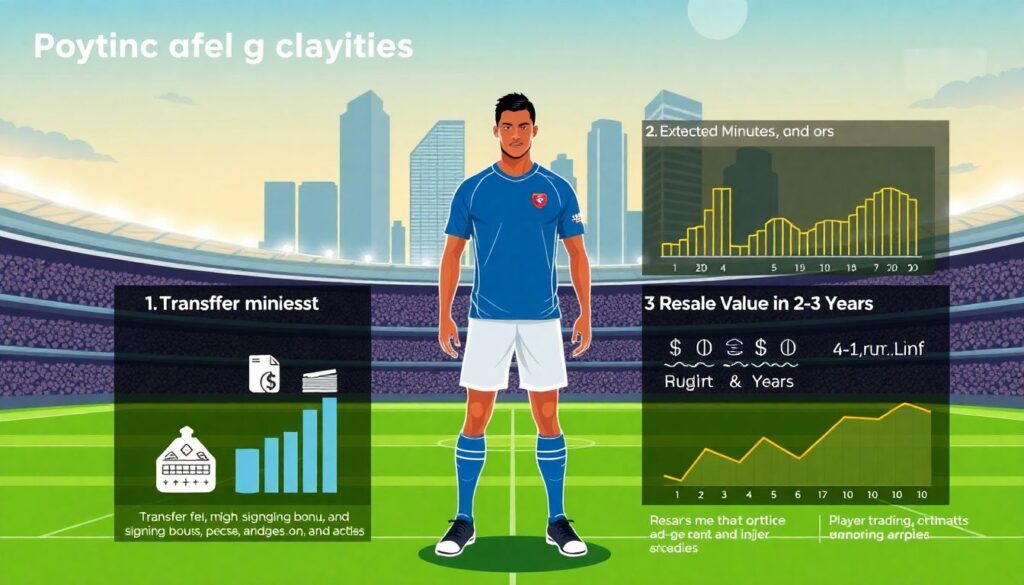
A transfer is a financial decision as much as a sporting one. For each target, analysts now routinely estimate:
– Total cost (transfer fee + signing bonus + wages + add‑ons)
– Expected minutes over the contract, adjusted for age and injury history
– Possible resale value in 2–3 years based on market trends
Global research over the past three years has consistently shown that younger players with strong underlying metrics but lower “brand value” offer better risk‑adjusted returns. Turkish clubs increasingly lean on these insights, especially those that must sell to survive.
Step 6: Post‑transfer monitoring and feedback loop
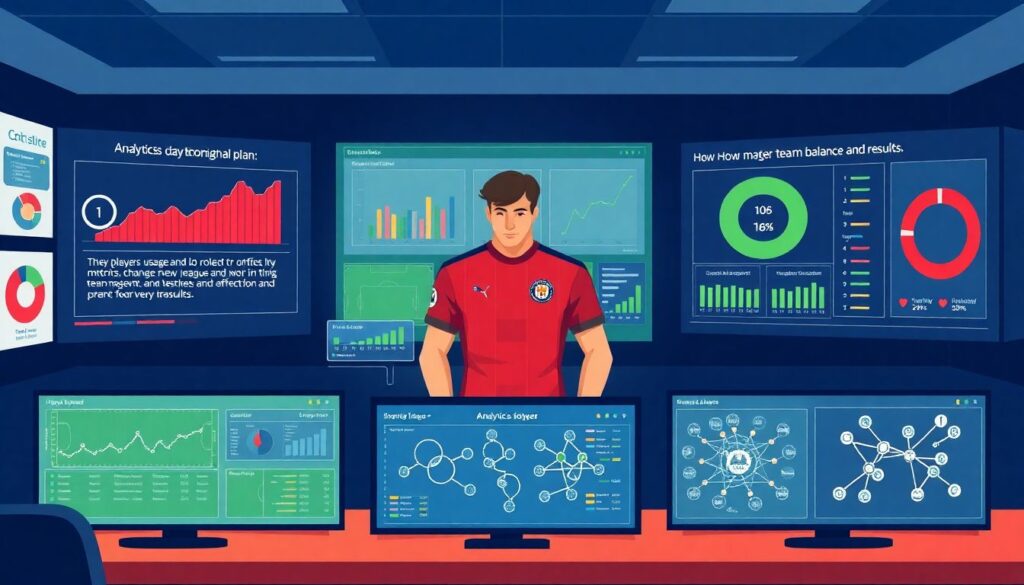
The analytics story doesn’t end once the player signs. Clubs monitor:
– Whether the player’s usage and role match the original plan
– How his key metrics change in a new league and tactical system
– How the signing affected team balance and results
The point is to learn. If a transfer fails, was the data wrong, the context wrong, or the tactical use wrong? The last three years have seen more Turkish clubs hold internal “transfer autopsies”—structured reviews using both numbers and qualitative feedback.
Troubleshooting: common problems and how Turkish clubs are tackling them
Problem 1: “The coach doesn’t trust the numbers”
This is still the biggest barrier. A beautifully designed dashboard means nothing if the head coach ignores it.
What works in practice:
– Speak football, not statistics. Present clips with simple metrics (“he wins the ball here more often than our current 6”) instead of throwing advanced models at the coach.
– Show, don’t preach. Use one or two clear case studies where data‑backed decisions worked (or where ignoring them hurt).
– Start small. Offer one or two actionable insights per week, not 40‑page reports.
In Turkey, the clubs that made the most progress between 2023 and 2025 are the ones where analysts sit in tactical meetings and training sessions, not in a separate office.
Problem 2: Data quality and league comparability
Turkish clubs scout heavily in leagues with very different styles and data coverage. Comparing a winger from the TFF 1. Lig to one from the Dutch Eredivisie is far from trivial.
To reduce noise:
– Adjust for league strength and pace of play
– Use possession‑ and tempo‑adjusted metrics rather than raw counts
– Combine relative metrics (percentiles vs. league peers) rather than absolute numbers
External turkish football clubs data analysis services often help smaller teams with this normalisation step, providing calibrated models that make cross‑league comparisons safer.
Problem 3: Overfitting to metrics and ignoring context
The opposite error is also common: falling in love with a player’s numbers and forgetting the messy human side.
Ways to avoid this:
– Always pair data with multi‑game video review
– Cross‑check character and adaptability through background checks
– Consider language, culture and dressing room dynamics
The past three seasons are full of examples where numerically “perfect” signings struggled because they couldn’t adapt off the pitch—even when the on‑ball metrics looked good.
Problem 4: Infrastructure and budget constraints
Not every Turkish club can afford a full team of analysts or the most expensive software. But being data‑driven is scalable.
A minimal but effective setup might include:
– One good analyst comfortable with Python/R and SQL
– Basic event data plus GPS in training
– Open‑source tools where possible, supplemented by one commercial scouting platform
As demand has grown, more mid‑range and modular tools have appeared, allowing clubs to pay only for what they use.
Practical checklist: how a club in Turkey can start (or restart) with analytics
Foundations
– Write down the playing philosophy and squad‑building strategy in clear language.
– Assign a single decision‑maker (usually the sporting director) to own the process.
– Hire at least one analyst who can both code and communicate with coaches.
Quick wins in the first 6–12 months
– Build a simple, shared squad depth chart with age, contract and key metrics.
– Standardise a transfer workflow: data shortlist → video review → live scouting → unified report.
– Start basic physical load monitoring (at least for starters and key prospects).
– Hold regular debriefs after transfer windows, using data to assess outcomes.
Clubs that do just these few things consistently tend to see the clearest benefits early—fewer rushed signings, better succession planning and a more coherent squad profile.
Where this is heading by 2028
The trajectory is clear. As more data‑literate Turkish coaches emerge and more automated tools appear, we’ll see:
– Deeper integration of tracking data into tactics (pressing traps, rest‑defence, spacing)
– More targeted development plans for academy players based on longitudinal data
– Wider use of predictive models for injury risk and performance decline
And as costs drop, the “analytics gap” between Istanbul giants and mid‑table clubs will narrow. That’s why many observers expect the market for football performance analytics companies turkey interacts with to keep growing, particularly around niche offerings—set‑piece modelling, opposition analysis, and academy optimisation.
In parallel, the local ecosystem of sports analytics software for football teams in turkey is likely to get more sophisticated, with better localisation, Turkish‑language interfaces, and tighter integration with domestic league data.
Final thoughts: data as a competitive edge, not a magic wand
Data won’t guarantee a title. It won’t stop a star striker from missing a sitter in the 90th minute or a defender from slipping on a wet pitch. But in a league where financial margins are tight and the talent market is global, the clubs that use information better will, on average, make fewer costly mistakes.
That’s the real story of the last three years in Turkish football: not robots replacing scouts, but a subtle re‑balancing. Intuition is still crucial—but it’s now checked, sharpened and sometimes corrected by numbers. And as football data analytics turkey continues to mature, the clubs that blend both worlds smoothly will be the ones shaping the league’s future.