Why Game Models Matter in the Süper Lig Right Now
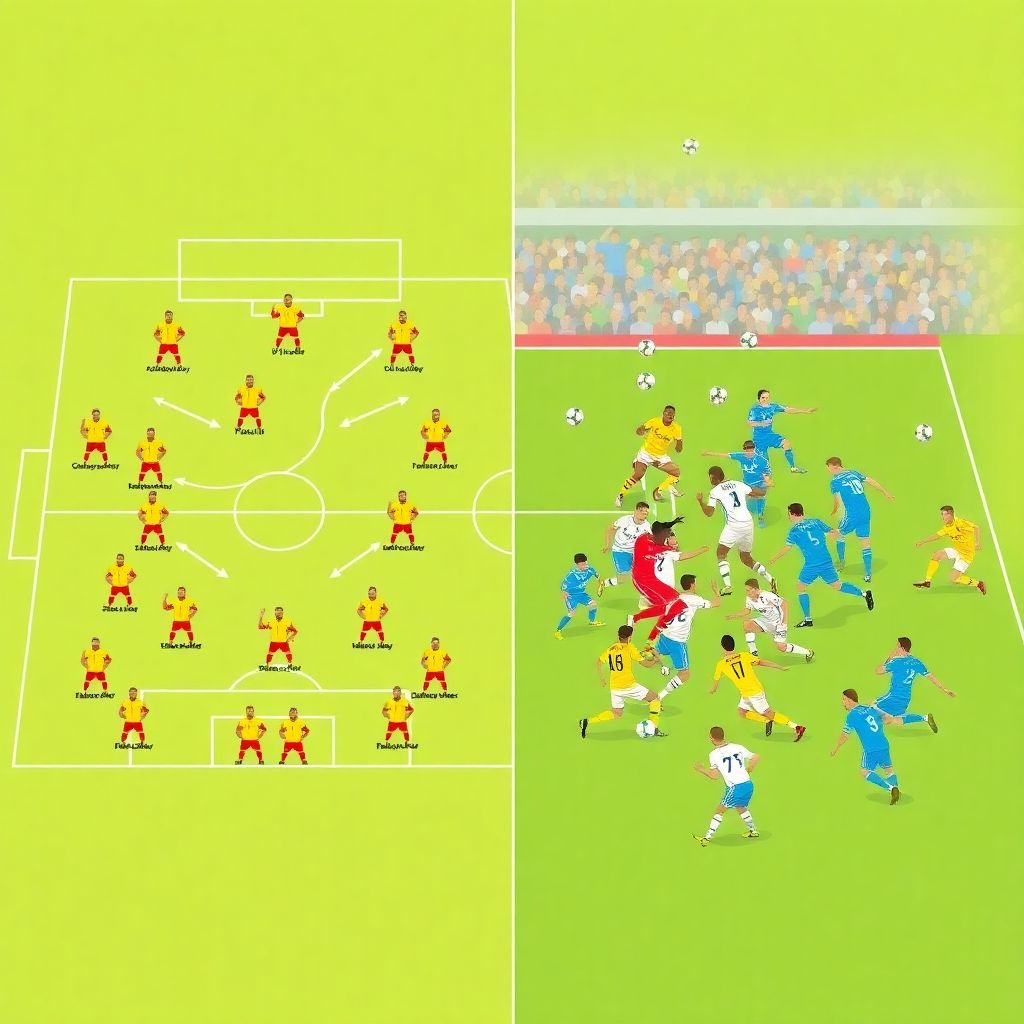
Tactical talk in Turkey used to revolve around “Who has more fight?” or “Who wants it more?”. These days, conversations are shifting toward something more structural: game models. In the Süper Lig, the contrast between positional play and direct play has become one of the clearest lenses to understand why some clubs keep overperforming while others burn money without building anything stable.
This isn’t just chalkboard theory. It affects transfer policy, academy design, media rights, and even how analysts and scouts are hired. Let’s unpack it in plain language, but with the depth you’d expect from a solid Süper Lig tactical analysis positional play vs direct play.
—
Positional Play vs Direct Play: Simple Definitions First
What Positional Play Actually Means
Positional play isn’t just “keeping the ball”. It’s about using space in a structured way so that, at almost any moment, the player on the ball has at least two or three clean options that break lines.
In practice, positional play teams in the Süper Lig tend to show:
– Clear spacing between lines (defense–midfield–attack).
– Fixed “zones” for players in possession, especially in build-up.
– Patience: recycling the ball backwards is not a reset but a tool to move the opponent.
– Pre-planned mechanisms: third-man runs, rotations in midfield, wide overloads.
You can see this in the best phases of recent Galatasaray and Fenerbahçe sides under coaches who insist on structured build-up, where the 6 drops between center-backs, full-backs invert, and the attacking 8s receive between the lines. The idea: arrive in the final third with superiority, not chaos.
What Direct Play Actually Looks Like
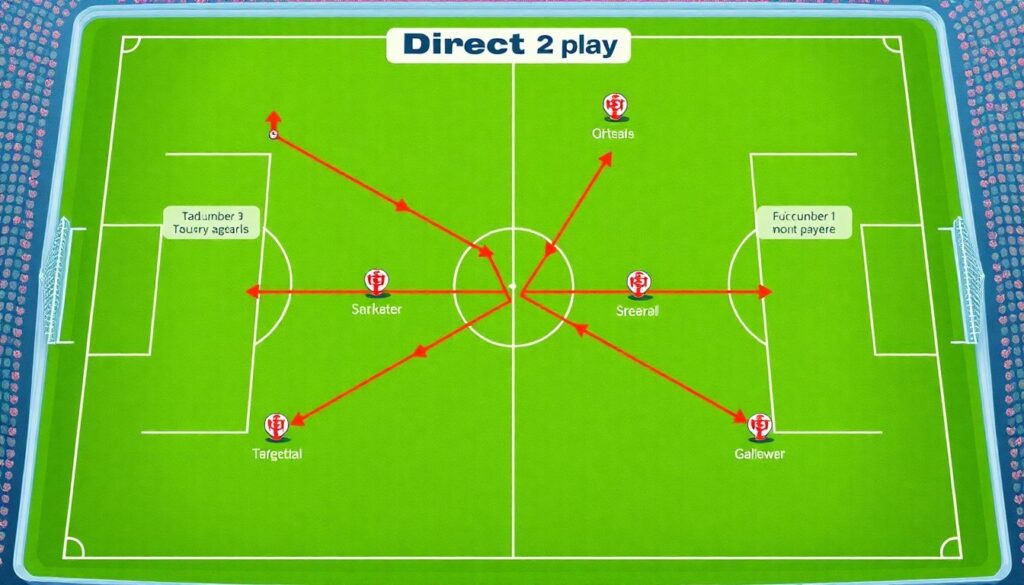
Direct play is not just “long ball and hope”. At its best, it’s a calculated attempt to reach the final third with as few passes as possible, using verticality and physical profiles.
Common patterns in Süper Lig direct play teams:
– Goalkeeper or center-backs target a tall 9 or wide forward early.
– Second-ball structure: 2–3 midfielders close to the landing zone.
– Quick, often risky switch of play after winning the second ball.
– Defensive block sits mid or low, saving energy for transitions.
Clubs fighting relegation, or those with budget constraints, often lean into this strategy because it’s cheaper to recruit tall forwards and hard-running midfielders than a full set of technically secure defenders and press-resistant 6s.
—
Real Cases from the Süper Lig: How Game Models Look on the Pitch
Case 1: Big Club with a Positional Base, Direct Finish
Take a recent top-3 version of Galatasaray (conceptually, even as coaches change):
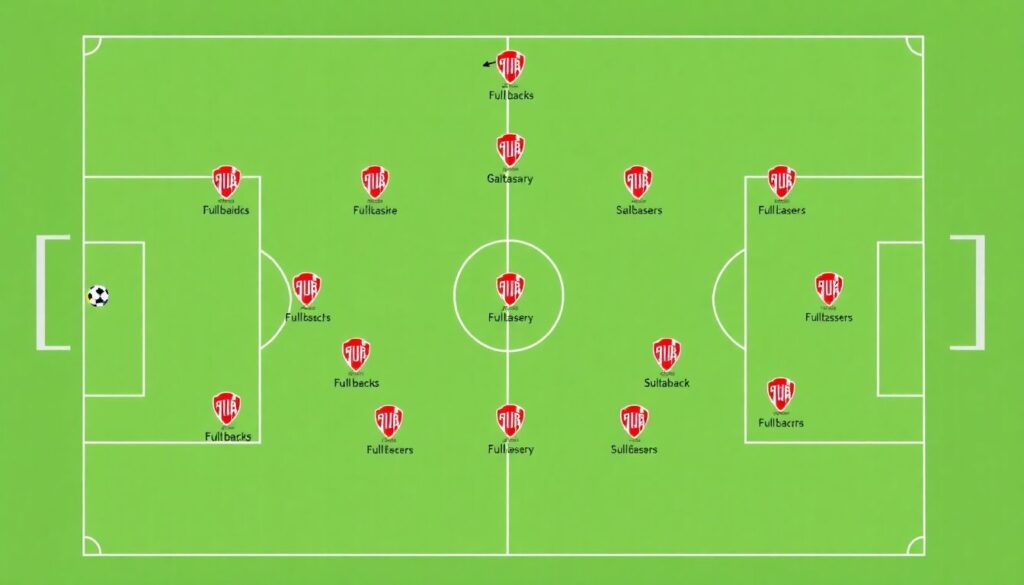
– Build-up phase: clear positional structure, goalkeeper involved, CBs split, pivot shows in the first line, wingers stay wide to stretch.
– Progression: interior 8s receive between lines, full-backs either overlap high or invert to create 3v2 in midfield.
– Final third: the structure becomes more direct — high volume of low crosses, cutbacks, and quick one-twos around the box.
Match data from recent seasons shows them regularly among the league leaders in possession share and passes into the final third, while also ranking high in expected goals (xG) from inside the box. That hybrid is important: positional play to reach good zones, directness to finish attacks before the block resets.
Case 2: Mid-Table Side Surviving via Direct Play
Contrast that with a club like Kasımpaşa or Hatayspor in certain seasons, often operating with smaller budgets:
– They frequently rank mid-to-low in possession percentage.
– Long passes per 90 and progressive long balls are noticeably higher than the league average.
– xG per shot is not always great, but volume comes from quick transitions and counter-attacks after regains.
If you look at Süper Lig stats and data for direct play teams over the last few years, you’ll usually spot the same pattern: fewer passes per sequence, more passes from the keeper into the final third, and a high proportion of shots within 10 seconds of ball recovery. These teams aren’t trying to control; they’re trying to exploit.
—
Numbers Behind the Styles: What the Metrics Tell Us
Key Statistical Trends
Without turning this into a physics lecture, a couple of metrics separate positional sides from direct ones:
1. Passes per possession sequence
– Positional clubs: long sequences, 4–6+ passes on average before a shot.
– Direct clubs: many attacks ending after 2–3 passes or a single long ball.
2. Field tilt (territorial dominance)
Teams with a positional game model often hold higher field tilt (more passes and touches in the final third compared to their opponent). It doesn’t automatically mean they win, but over a season it correlates strongly with top-half finishes.
3. Pressing and recovery zones
Positional teams press higher and recover the ball more often in the opponent’s half. Direct teams are more likely to regain the ball around their own third and middle third, then go vertical quickly.
4. Shot creation time
A revealing split: positional teams may take 15–25 seconds from possession start to shot; direct teams often shoot within 8–12 seconds of recovery.
These patterns hold year to year, even as coaches rotate. The game model leaves a statistical fingerprint.
—
Economic Dimensions: Why Game Model Is Also a Budget Question
Cost of Building a Positional Play Squad
Positional play demands:
– Center-backs comfortable under pressure.
– Press-resistant 6s and 8s.
– Full-backs who can both defend and contribute in build-up.
These profiles are rare and globally expensive. When a Süper Lig club tries to implement pure positional football but shops in the bargain bin, the result is often catastrophic build-up errors and fans losing patience.
There’s also a hidden cost: time. Structures in positional play require long training weeks, tactical meetings, video breakdowns. That’s a big ask in a league with huge external pressure and frequent coaching changes.
Why Direct Play Often Appeals to Smaller Budgets
A direct game model lets you:
– Invest heavily in 1–2 key players (target striker, dynamic winger).
– Use more affordable, physically strong defenders and midfielders.
– Simplify training content: focus on rest defense, set pieces, transitions, and rehearsed long-ball patterns.
From an economic perspective, this can be attractive: fewer “specialists”, more generalists. Some smaller Süper Lig clubs intentionally flip their squad every 1–2 seasons, signing undervalued physical profiles, overperforming on xG-to-points via set pieces and transitions, then selling their best players abroad.
—
How Clubs in Turkey Are Learning and Upgrading
Education: From Courses to Books
The spread of game models in Turkey is heavily linked to education. Younger coaches and analysts increasingly enroll in the best online course for football tactics positional play, often from European providers, and bring that language—half-spaces, rest defense, occupation of zones—back to their Süper Lig environments.
In parallel, staff rooms are finally stocked with advanced football coaching books on positional play, not just generic “motivation” literature. Coaches dissect Guardiola, De Zerbi, Nagelsmann, then ask: “What part of this can I implement with my resources, pitches, and players in Turkey?”
That question is key. Copy-pasting a La Liga or Bundesliga blueprint into the Süper Lig without adaptation usually fails because of pitch quality, refereeing style, weather, travel, and squad construction constraints.
Case 3: Hybrid Models at Ambitious Clubs
Ambitious mid-table or upper-mid-table clubs are now experimenting with hybrid models:
– In-possession: strive for 3+1 (or 2+1) structures in build-up, short passing from the keeper, deliberate attempts to find the 10 or wide players between lines.
– Out-of-possession: more pragmatic, dropping into a compact mid-block if high press doesn’t pay off in 5–6 seconds.
– Game state dependence: leading? More direct, less risk. Chasing? Shift to heavier positional principles, pushing the full-backs higher and allowing defenders to carry the ball more.
This flexibility is becoming a competitive edge, especially across 38 matchdays in a chaotic league.
—
Data & Scouting: The New Tactical Infrastructure
Why Analysts Have More Power Than Ever
There’s been a quiet revolution: more Süper Lig clubs now use subscription scouting platforms for Süper Lig match analysis to align recruitment with game model. This is where style and data finally meet.
Instead of just checking goals and assists, analysts filter:
1. Centre-backs with:
– High pass completion under pressure.
– Above-average progressive passes and carries per 90.
– Composure metrics (turnovers in own third, pressed actions).
2. Midfielders with:
– High reception between the lines.
– Good “turn under pressure” stats.
– Carry distance into the final third.
3. For direct models:
– Forwards with top aerial duel success.
– Midfielders excelling in second-ball recoveries.
– Wingers with high sprint metrics and xG from transitions.
The numbered list above isn’t theory—this is similar to how modern Turkish clubs now brief their data departments: “We play this way; find me profiles that reinforce it.”
—
Forecast: Where the Süper Lig Is Heading Tactically
Short-Term: More Hybrids, Fewer Purists
Full positional purists and pure direct sides will still exist, but most coaches are sliding toward the middle. Expect:
– More teams pressing high in specific game phases, not all the time.
– More build-up from the keeper in the first 10–15 minutes to “set a tone”, then a switch to more direct patterns when the pitch/weather deteriorate.
– Context-driven shifts: against low blocks at home, positional; away to big clubs, more direct and pragmatic.
We’ll likely see a growing gap between clubs with clear, consistent game models and those that sack coaches every 3–4 months and oscillate wildly between styles. The former will accumulate marginal gains season after season.
Medium-Term: Game Model as a Club Asset
Over 3–5 years, the clubs that lock in a coherent game model stand to benefit economically:
1. Academy alignment
Youth sides are trained in the same principles, making it easier to promote players to the first team. That cuts transfer costs.
2. Transfer value
Players who can operate in structured positional systems tend to have better resale markets in Europe. Their ability to play under pressure and within clear principles is more legible to buyers.
3. Staff continuity
When the club defines the model, it hires coaches to fit it, not the other way around. That stabilizes philosophy despite coaching changes.
In other words, the game model itself becomes an intangible asset that generates value through consistent recruitment and player development.
—
Impact on the Wider Football Industry
Media, Fans, and the Narrative Shift
Turkish media coverage is slowly moving beyond “heart” and “will” toward vocabulary like “rest defense”, “occupation of half-spaces”, “pressing triggers”. Once TV pundits and fan accounts talk about positional play vs direct play with more nuance, the club leaderships feel more pressure to justify their choices in those terms.
That, in turn, grows the audience for tactical content: podcasts, YouTube breakdowns, and even local language explainers that mirror the level of European analytics channels. This supports a micro-economy of analysts, video creators, and coaches.
Educational and Tech Ecosystem
As tactical sophistication grows, demand rises for:
– Better GPS and tracking data.
– More advanced xG and possession value models adapted to the Süper Lig.
– Continuous education for staff via online seminars and certifications.
International providers of data and education already see Turkey as a growing market. Courses, consultancy, and analytics software are increasingly marketed with Süper Lig case studies, creating a feedback loop: more tools lead to more advanced usage, which leads to further demand.
—
So, Positional or Direct? The Real Answer
In isolation, neither positional play nor direct play is “better” for the Süper Lig. The winning approach is the one that:
– Matches the club’s budget and recruitment reach.
– Fits the physical and technical profile of local and foreign players.
– Can be trained and communicated clearly within the pressure-cooker of Turkish football.
For big clubs with continental ambitions, a strong positional base plus selective directness in the final third and transitions seems inevitable. For smaller sides, a disciplined, data-informed direct model with smart set pieces can still deliver survival and occasional overperformance.
What’s non-negotiable now is this: every Süper Lig club needs a conscious, articulated game model. Whether you’re reading analytics threads, diving into advanced football coaching books on positional play, enrolling in an online module, or working inside a club, the days of “we’ll see on matchday” are over. The league is moving toward structure—how each club chooses its place on the positional–direct spectrum will shape the next decade of Turkish football.