
Historical background: how Turkey became a talent goldmine
If you talk to veteran scouts, they’ll tell you Turkish football didn’t suddenly start producing gems; the soil has been fertile for decades. The 2002 World Cup bronze, the 2008 EURO run, the rise of clubs like Galatasaray and Beşiktaş in Europe — all that created a culture where kids grew up with the ball and big dreams. What’s different now is structure. After the financial crashes of several Süper Lig clubs, academies became a cheaper, smarter solution than overpaying fading stars. As a result, databases of young turkish football talents to watch started to fill up fast, and regional scouting networks shifted serious attention from South America and Africa towards Anatolia and the Turkish diaspora.
Basic principles: what European scouts actually look for
When people hear “best young turkish football players 2024”, they often picture just flashy dribblers. In reality, high‑level scouts use a colder checklist. First, decision‑making under pressure: how a player reacts in tight spaces after a bad touch or a tactical trap. Second, adaptability: can a winger move inside, press as a second striker, drop as an eight if required? Third, psychological profile: resilience after mistakes, body language on the bench, communication with older teammates. Finally, developmental headroom: do the physical and technical traits project to a top‑five league, or is the player already near his ceiling? Turkish youngsters are now screened with tracking data, video models and detailed benchmarks, not with “gut feeling” alone.
Basic principles: inside a modern Turkish academy
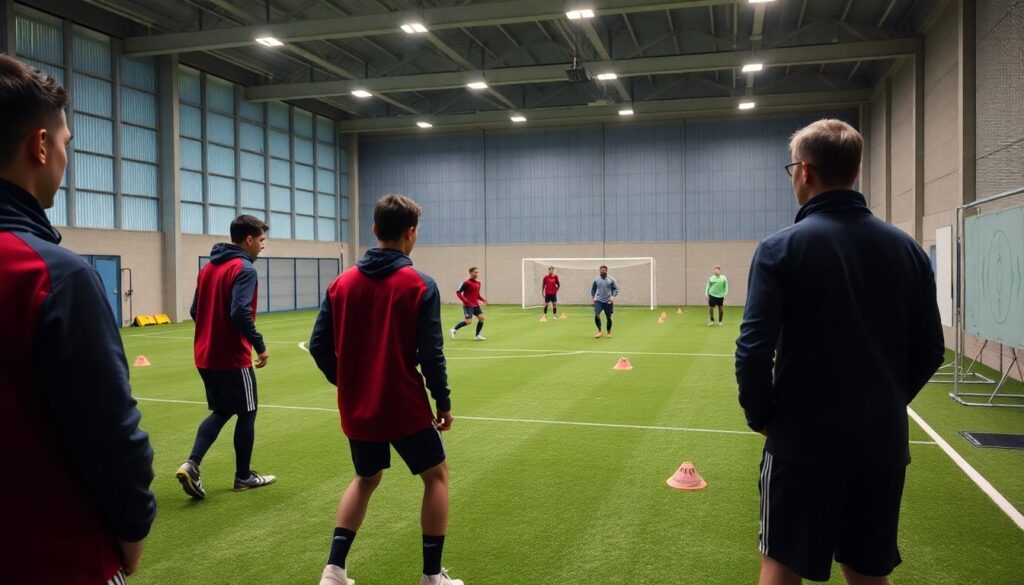
Look under the hood of a serious academy in Istanbul or Izmir and you’ll see why turkish wonderkids transfer market numbers are climbing. Training is split into micro‑blocks: cognitive drills to speed up scanning, position‑specific patterns, and game‑like small‑sided scenarios where players must solve problems, not just follow orders. Nutrition, sleep monitoring and GPS vests are standard even for U15 squads at top clubs. Many academies also run dual‑passport support programs because a big share of talent comes from Turkish families in Germany, Netherlands or France. The best setups don’t simply sharpen technique; they cultivate language skills, media awareness and cultural flexibility so a move to Belgium or Italy at 18 doesn’t crush the player mentally.
Examples in practice: profiles of hidden gems
Let’s get concrete and talk about the type of profiles filling every next big turkish football stars scouting report. Think of a left‑footed inverted winger from the Anatolian interior, raised on heavy pitches, who learned to protect the ball with his body instead of relying on pure speed. Or a deep‑lying playmaker from the German‑Turkish diaspora, comfortable breaking lines with disguised passes and pressing like a modern eight. These are not social‑media darlings yet, but they dominate internal metrics: progressive carries, expected threat, high‑intensity actions. Scouts from mid‑tier Bundesliga and Serie A clubs quietly bookmark them, betting that with better spacing and coaching the numbers will translate to European competitions.
Examples in practice: top U21s on the radar
In discussions about top u21 turkish players scouted by european clubs, you’ll hear a mix of famous and almost‑unknown names. Arda Güler and Kenan Yıldız are already mainstream, but the real “hidden gems” are a tier below. There are right‑backs in Anatolian clubs who clock elite sprint times and cross on the run with either foot, yet play in front of 8,000 fans every weekend. There are lanky centre‑backs in the second division who win aerial duels effortlessly and break pressure with vertical passes. These players don’t trend on TikTok, but they light up data dashboards; smart recruitment teams specialise in finding exactly this mismatch between public visibility and underlying performance.
Common misconceptions about Turkish wonderkids
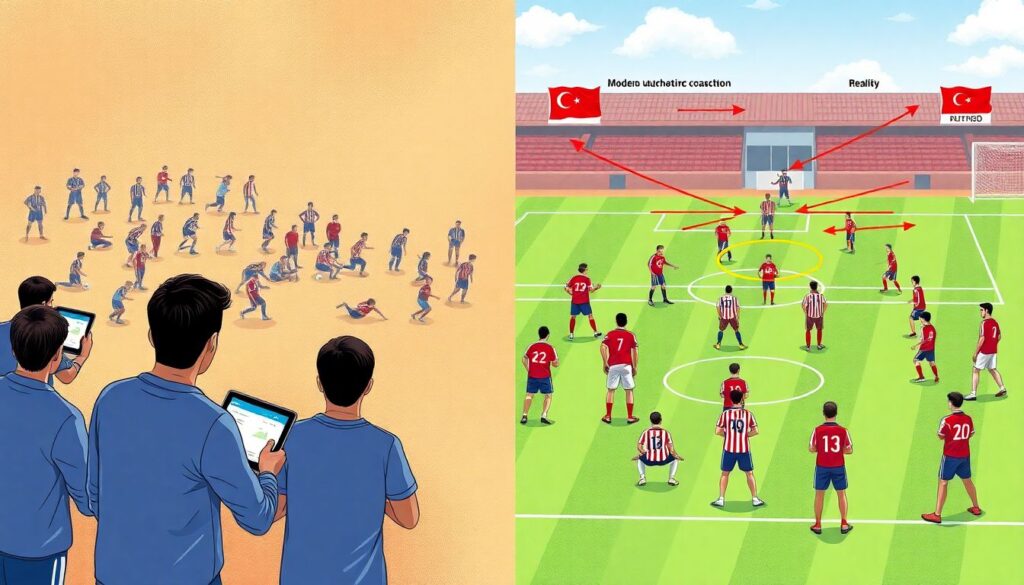
One widespread myth says Turkish youngsters are technically gifted but tactically naïve. That was partly true fifteen years ago, when academy coaching was chaotic and positional play concepts were rare. Today, even modest clubs use game models borrowed from Spain and Germany, and kids learn pressing triggers from the U13 level. Another misconception is that they can’t handle life abroad. In reality, many current prospects grew up bilingual, consuming European football daily and travelling for youth tournaments. Finally, some fans still believe a player is “too small” or “too skinny” for the Süper Lig; modern strength programs and periodisation show that frame can be built, while game intelligence is far harder to teach.
Common misconceptions in the transfer market
Another trap is assuming every teenager labelled as one of the best young turkish football players 2024 is ready for a Premier League move. Agents and social media hype can distort reality. European clubs that succeed with Turkish signings usually avoid bidding wars and instead buy one or two years before the boom, often from lesser‑known teams. They accept that the first step might be Belgium, Austria or the Eredivisie instead of a superclub. Fans also underestimate the importance of role fit: an explosive winger from a transition‑heavy side may struggle badly in a possession‑dominant team. Scouting departments now run scenario analyses to predict how a player’s strengths survive in different tactical contexts.
Expert recommendations: how clubs should scout Turkey
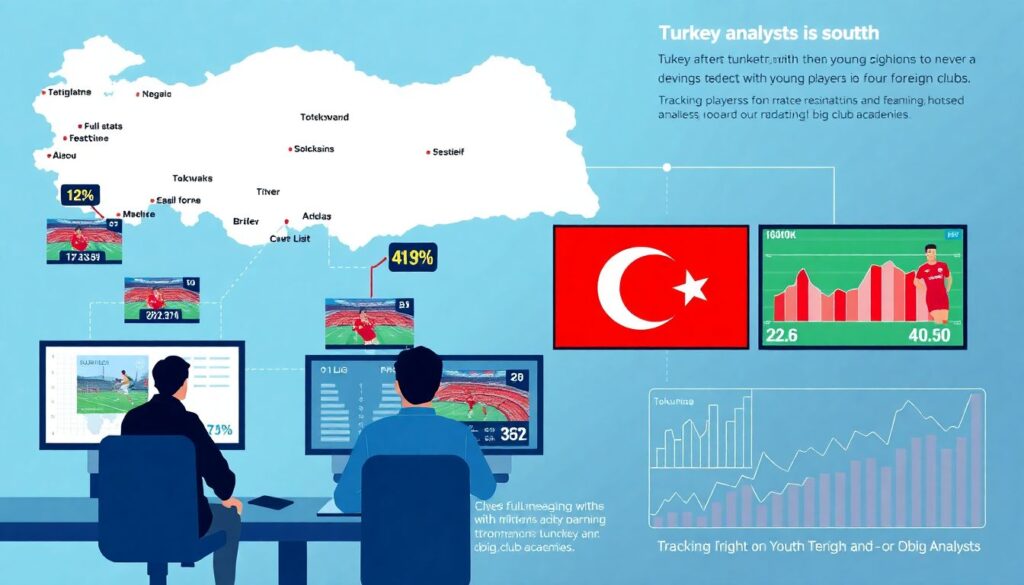
Analysts who specialise in Turkey give a few consistent recommendations to foreign clubs. Most importantly, don’t rely only on highlight clips or big‑club youth tournaments; the most interesting profiles often play senior minutes early in the 1. Lig or in reserve teams. Secondly, track players over full seasons, not just hot streaks after a coaching change. Finally, blend local knowledge with neutral data: a regional scout may love a kid’s “personality”, while metrics quietly reveal he fades after 60 minutes every game. The sweet spot is where cultural insight and hard numbers agree, especially for positions like goalkeeper or defensive midfielder where mistakes are punished the most.
Expert recommendations: a step‑by‑step roadmap for scouts
To turn Turkey into a consistent recruitment channel rather than a lottery ticket, many experts suggest a clear process:
1. Build a live database of 17‑21 year‑olds across Süper Lig, 1. Lig and key diaspora academies, tagging games watched and data reports.
2. Prioritise repeat observations in different contexts: home/away, under pressure, after travel, and during bad form patches.
3. Engage early with families and agents, focusing on education, language courses and mental support, not just salary.
4. Plan a gradual pathway — B team or partner club loans — instead of throwing the player straight into a top league.
Used consistently, this turns scattered “finds” into a sustainable, long‑term flow of talent.
Комментарии