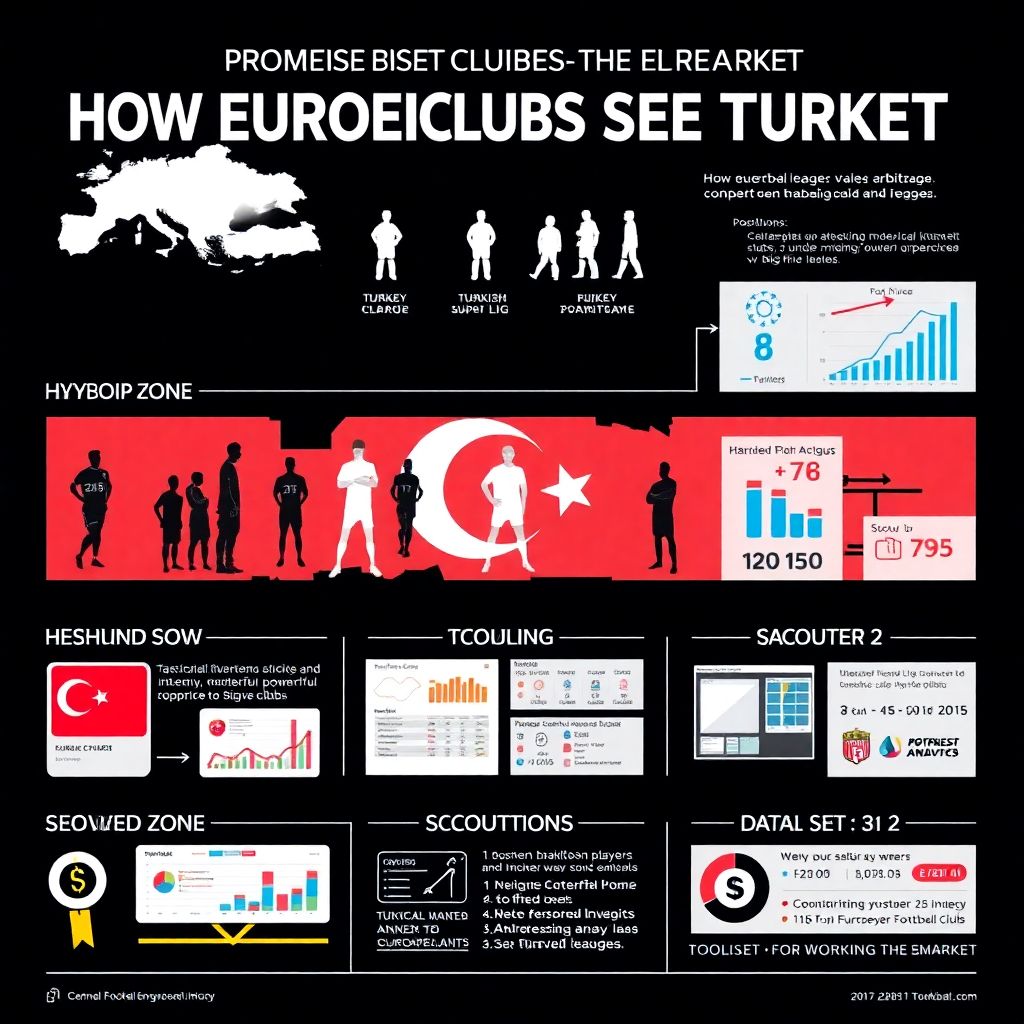
How European Clubs Frame the Turkish Market
European departments treat Turkey as a hybrid environment: part development league, part value arbitrage, and part shop window. The turkish football transfer market analysis usually starts with benchmarking salaries, contract lengths, and age curves against similar tier leagues like Portugal or Belgium. Decision-makers see the Super Lig as tactically diverse, physically demanding, yet still underpriced compared with the Big Five. That mix attracts clubs searching for rotation-level signings, upside bets, or quick plug‑and‑play solutions in wide areas, attacking midfield, and physically strong number eights. Loans are used to test adaptation before committing capital.
Necessary Tools for Working the Turkish Market
To operate efficiently, clubs compile a toolset integrating data, video, and local intelligence. Analytics teams require granular event data for european clubs scouting turkish league talents, including defensive actions and high-intensity runs, not just goals and assists. Video platforms with multi‑angle coverage of Super Lig and 1. Lig fixtures are mandatory to assess tactical discipline and pressing habits. Equally critical are reliable local intermediaries who understand club politics and payment behavior. Language skills (Turkish or strong English intermediaries) and legal support for contract, tax, and image-rights structures round out the infrastructure. Without these, risk rapidly outweighs value.
Step‑by‑Step Workflow: From Longlist to Decision
Most clubs follow a structured pipeline rather than impulse buying. A standard workflow looks like this:
1. Define role profiles and budget ranges for each position.
2. Use data filters to build a longlist across Super Lig and 1. Lig.
3. Run coordinated video scouting cycles to stress‑test that list.
4. Prioritise live scouting on the top 10–15 names.
5. Start discreet background checks and soft contact.
At that stage, internal staff begin contextual turkish football transfer market analysis, modelling resale potential, adaptation risk, and tactical fit in the target league.
Operational Process: Transfers, Loans, and Price Discovery

When a player passes technical and character filters, the negotiation stack begins. Sporting directors cross‑reference salary bands and historic fees to establish a ceiling offer, while agents provide real‑time reads on turkey football transfer rumours and loan deals to avoid overbidding. Loans with options or obligations to buy are common for players jumping from mid‑table Super Lig sides to top‑five European divisions. Clubs use these structures as live stress tests under new tactical demands. Continuous communication between scouting, performance, legal, and finance teams ensures every scenario—injury, relegation clauses, early recall—is priced in correctly.
Transfers vs Loans: Risk Management Logic
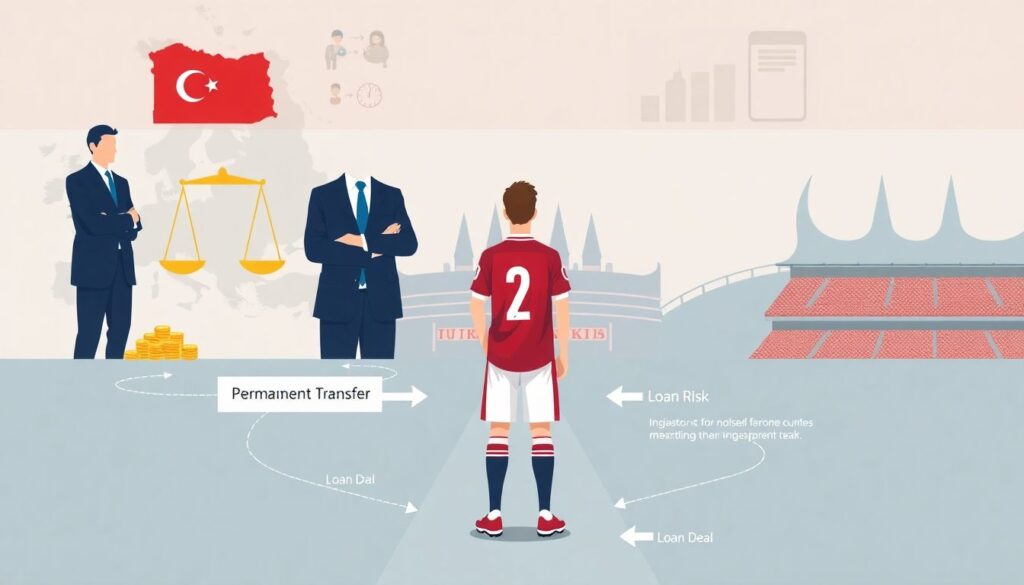
European clubs view permanent deals in Turkey as high‑variance assets: big upside but notable integration risk. Loans mitigate that by externalising part of the gamble back to the parent club. For younger profiles, particularly those blocked at the Big Three in Istanbul, short‑term loans into mid‑tier Europe are used as proof‑of‑concept. Senior recruitment directors stress that loans only work if role definition is crystal clear: minutes, position, and tactical tasks must be agreed ex‑ante. Otherwise, both development and asset value suffer, and relationship capital with Turkish clubs erodes for future business.
Finding Hidden Gems and Future Starters
The real competitive edge lies in systematically identifying hidden gems in turkish super lig for european clubs rather than chasing obvious stars. Analysts flag under‑used players with strong per‑minute data, undervalued roles such as inverted full‑backs, and late bloomers from Anatolian clubs. When building shortlists of the best turkish super lig players to buy 2025, progressive clubs scan secondary metrics—pressing efficiency, carry volume under pressure, weak‑foot usage—rather than focusing solely on goals. They also scout 1. Lig for physically mature, tactically schooled players who can handle the step up, treating the second tier as a discounted option market.
Troubleshooting Common Pitfalls
Clubs repeatedly hit the same obstacles: inflated asking prices after a single strong season, misleading highlight reels, and overreliance on noisy media narratives. To counter this, departments maintain internal benchmarks and ignore most turkey football transfer rumours and loan deals unless validated by trusted local sources. Adaptation issues—climate, cultural distance, and family adjustment—are tackled with structured onboarding, language tutors, and clear support channels. Another recurring problem is inconsistent training data from certain clubs; performance staff compensate by prioritising physical tests at medicals and heavily weighting live observations over pure analytics.
Expert Recommendations for Clubs Entering the Market
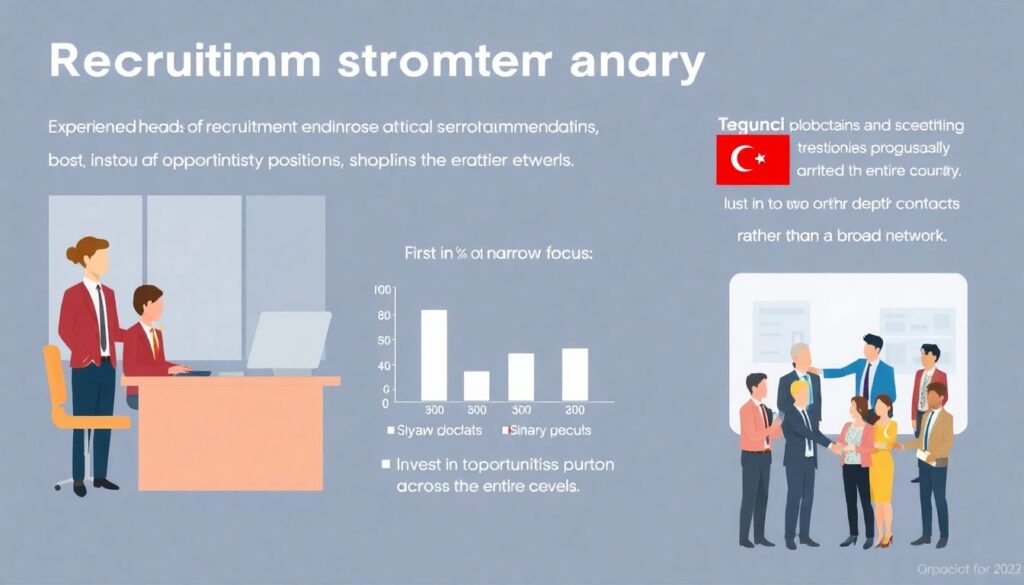
Experienced heads of recruitment emphasise three tactical recommendations. First, lock in a narrow focus: specific age bands, positions, and salary levels, instead of “opportunistic” shopping across the entire country. Second, invest in two or three deeply trusted Turkish contacts rather than a broad, shallow network; relationship quality drives access and early information. Third, align coaching staff early: if the head coach is sceptical of the league, the signing will likely be under‑used. Experts also advise reviewing each window’s hits and misses, updating models and heuristics so institutional memory compounds over multiple cycles.