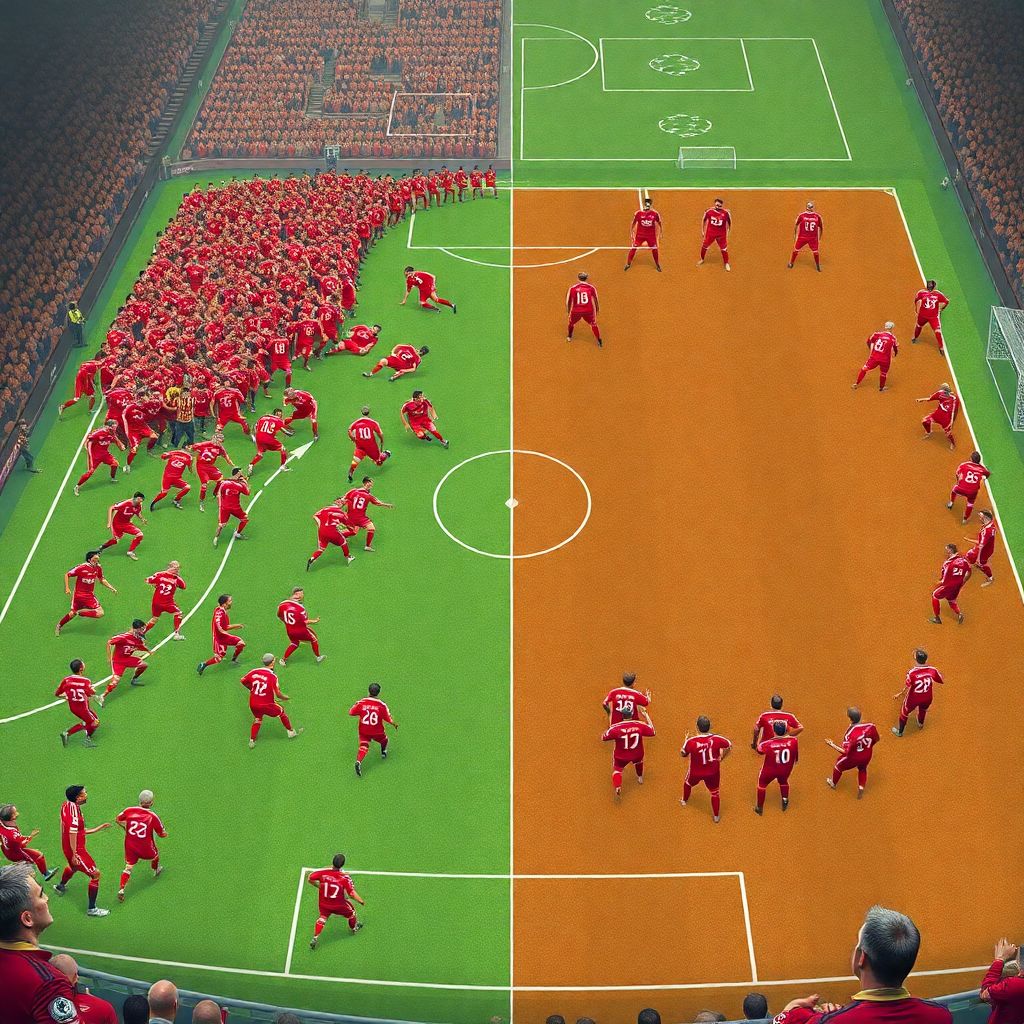
The big picture: from chaos to controlled aggression
Over the last ten years the Turkish national team quietly moved from pure emotion and individual flair toward a more structured, data‑driven model. Early 2010s Turkey often pressed in waves, but without clear triggers: fun to watch, hopeless to manage across 90 minutes. By Euro 2016 and especially Euro 2020, coaches tried to slow the game down, leaning on a low or mid‑block and counter‑attacks. That swing from wild pressing to deep defending shows how the staff kept searching for balance between the traditional “heart on the sleeve” style and modern positional football where distances, rest‑defence and pressing schemes matter as much as passion.
From direct transitions to patient buildup
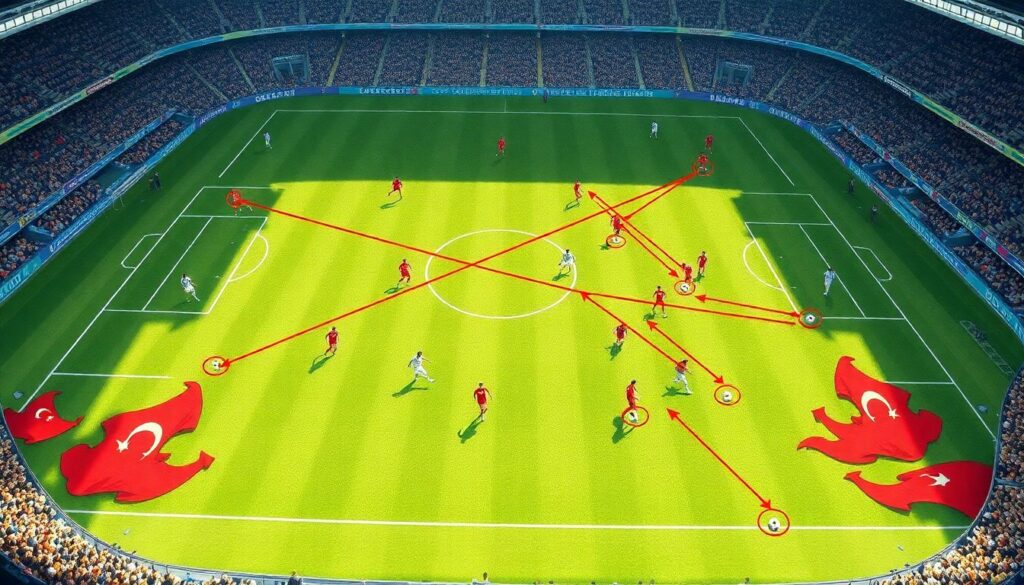
If you rewatch qualifiers from a decade ago, you’ll see constant vertical balls into the channels and huge gaps between lines. The idea was simple: win it, play forward fast, rely on individual quality. Against weaker teams this worked; against compact sides Turkey’s national team just kept giving the ball away. The newer approach under more modern coaches leans on controlled buildup from the back, using the goalkeeper as an extra passer and asking the pivot to drop between centre‑backs. The payoff is cleaner progression into the final third, but it demands defenders who are calm on the ball and a collective understanding of pressing traps, which Turkey has not always had consistently.
Comparing coaches: system coaches vs “man‑managers”
The last decade also feels like a tug‑of‑war between two coaching archetypes. On one side you have the “man‑manager” who trusts senior players, keeps the shape loose and lets stars improvise, prioritising dressing‑room harmony over tactical detail. On the other, the system coach drilling automatisms, synchronized pressing and rehearsed patterns in the half‑spaces. With the man‑manager, Turkey often looked dangerous but wildly inconsistent; big nights against top sides were followed by flat, disjointed performances. System coaches raised the team’s floor but sometimes dulled its edge, especially when key talents were forced into rigid roles that didn’t quite fit their club habits.
Pressing evolution: from emotional sprints to scripted pressure
Pressing is where the change is most visible. Old‑school Turkey pressed when offended: concede a goal or suffer a bad tackle and suddenly everyone sprinted at the ball. There was energy but no synchronization. The newer model uses clear cues: back‑pass to a centre‑back, a sideways ball to a full‑back with a weak foot, or a loose touch from the pivot. For fans following a Turkey national football team match live stream, you can now almost predict the moment the front three jump. The trade‑off is that calculated pressing needs time on the training pitch; with limited national‑team windows, mis‑timed pressure can still open huge gaps behind the first line.
Set‑pieces and “small details” as a competitive edge
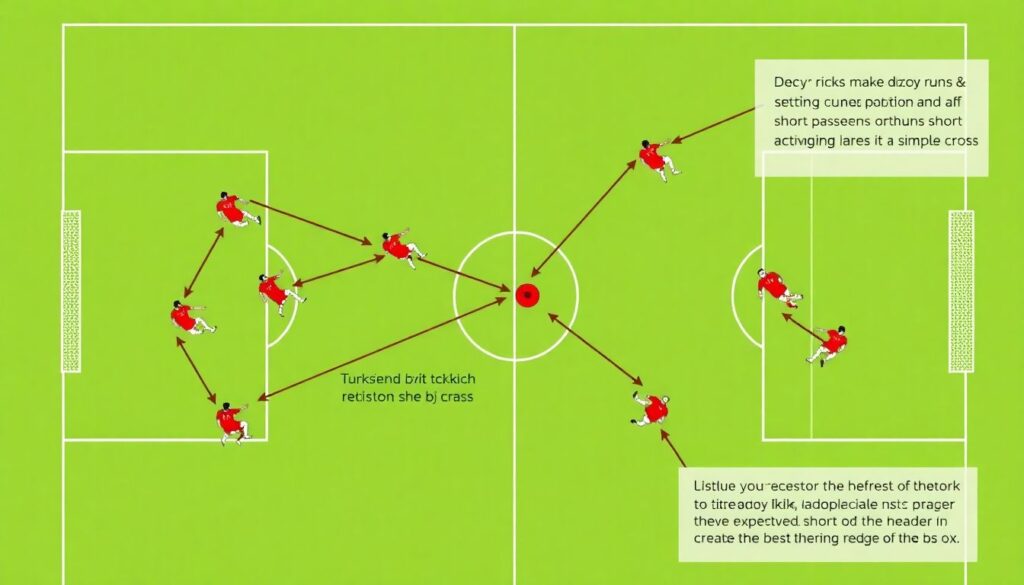
One under‑appreciated area of tactical evolution is set‑piece design. A decade ago corners and free‑kicks were mostly about good delivery and aerial power. More recent Turkish setups use screens, decoy runs and short routines to isolate the best header or create a cut‑back. Defensively, there’s been a clear move toward hybrid marking: mixing zonal coverage of key zones with man‑marking on main aerial threats. This shift mirrors what top clubs do and has shaved off cheap goals. However, it also demands discipline; if just one marker switches off, the whole structure collapses, something that occasionally still haunts Turkey in high‑pressure qualifiers.
Technology and data: tools, not magic wands
Video analysis and tracking data: pros and cons
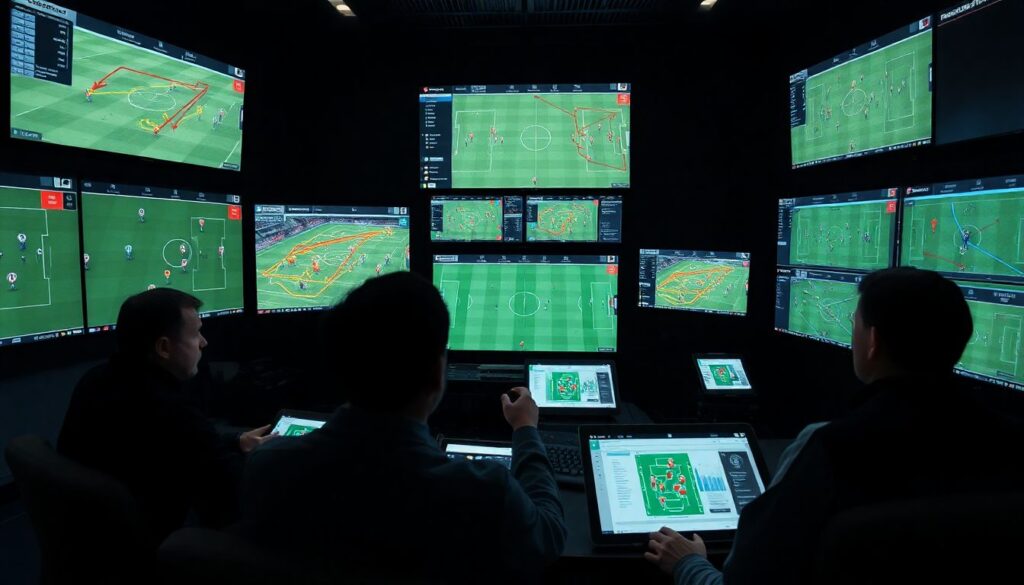
Over the last decade, Turkey’s staff embraced video platforms, tracking data and heatmaps. Analysts now cut clips showing defensive spacing, third‑man runs and rest‑defence structure, instead of relying on memory and gut feeling. The upside is obvious: clearer feedback for players and more precise opponent scouting. The downside is overload. National‑team camps are short, and if you throw twenty pages of charts at players who just flew in from different leagues, very little sticks. The sweet spot has become short, focused video sessions that highlight two or three key patterns rather than an encyclopaedia of every possible scenario.
Wearables, GPS and performance tech on the pitch
Training now uses GPS vests and heart‑rate tracking, helping tailor workloads to players arriving in very different physical condition. For a squad mixing youngsters from domestic clubs and stars from top European leagues, that’s vital. Coaches can dial up high‑intensity drills for those who haven’t played much and protect overused regulars. Yet these technologies have limits: they tell you how fast and how often someone runs, not whether they choose the right moments to accelerate or press. Numbers can tempt staff to chase athletic benchmarks instead of improving timing, angles and compactness, which are where many Turkish defensive issues truly sit.
Education boom: tactical analysis courses and fan literacy
As tactics became mainstream, a small ecosystem formed around them. It’s now normal to see a Turkey national team tactical analysis course advertised online, promising to break down pressing structures or explain how to defend in a 4‑4‑2 diamond. This shift affects more than future coaches; it also shapes how fans watch games, making them more aware of things like rest‑defence, half‑space occupation and overloads. The plus side is healthier debate and higher expectations. The risk is armchair analysts judging complex decisions from a single camera angle, assuming every conceded goal is proof the system is “wrong” rather than the product of individual execution errors.
How these changes affect fans and the wider ecosystem
Tickets, jerseys and the product on the pitch
Tactical evolution isn’t just for nerds; it influences how casual supporters experience the national team. When the side plays more structured football, fans buying Turkey national football team tickets know they’re likely to see a coherent game plan rather than pure chaos. The commercial side picked up on this too: modern, data‑era aesthetics are reflected in the Turkey national team jersey 2024 design, which leans into a cleaner, more minimal look that mirrors the attempt at controlled aggression on the pitch. Style and substance quietly reinforce each other, packaging the team as both emotionally charged and tactically up‑to‑date.
Streaming, betting and the search for edges
Because tactical patterns are clearer now, people watching a Turkey national football team match live stream often talk about pressing intensity or defensive height in real time, not just who scored. That feeds into Turkey football betting tips national team enthusiasts share online: they no longer look only at form or injuries, but at whether the upcoming opponent struggles against high pressing or packed low blocks. This can be helpful, yet it also leads to overconfidence in small tactical narratives, ignoring randomness, refereeing and individual errors. Even the sharpest tactical read doesn’t eliminate variance, it just nudges the odds slightly in your favour.
Recommendations and trends heading into 2026
Finding the right blend of structure and spontaneity
Looking toward 2026, the main recommendation for the Turkish setup is to keep the tactical skeleton but allow more freedom in the final third. You want rehearsed mechanisms to progress the ball – coordinated rotations between full‑back, winger and eight, clear rest‑defence to stop counters – yet once the ball reaches the attacking line, the system should open up. Younger Turkish attackers thrive when allowed to improvise 1v1 or attack the half‑spaces on instinct. The best national teams balance this: strict without the ball, guided but flexible with it, accepting a degree of chaos where creativity lives.
Future trends: hybrid systems and flexible roles by 2026
By 2026 the global trend will likely favour hybrid formations and role‑fluid players, and Turkey is already nudging that way. Expect more in‑game switches between a back four and a back three, full‑backs stepping into midfield, and wingers who can act as interior playmakers. With shorter international windows, rehearsing multiple systems is tough, so the recommendation is to build one core structure and two clearly defined “modes”: a higher‑pressing, aggressive version for weaker opponents and a compact, counter‑punching one for elite rivals. If Turkey keeps refining that dual identity, the next decade could be more about consistent deep runs than occasional heroic upsets.
Комментарии