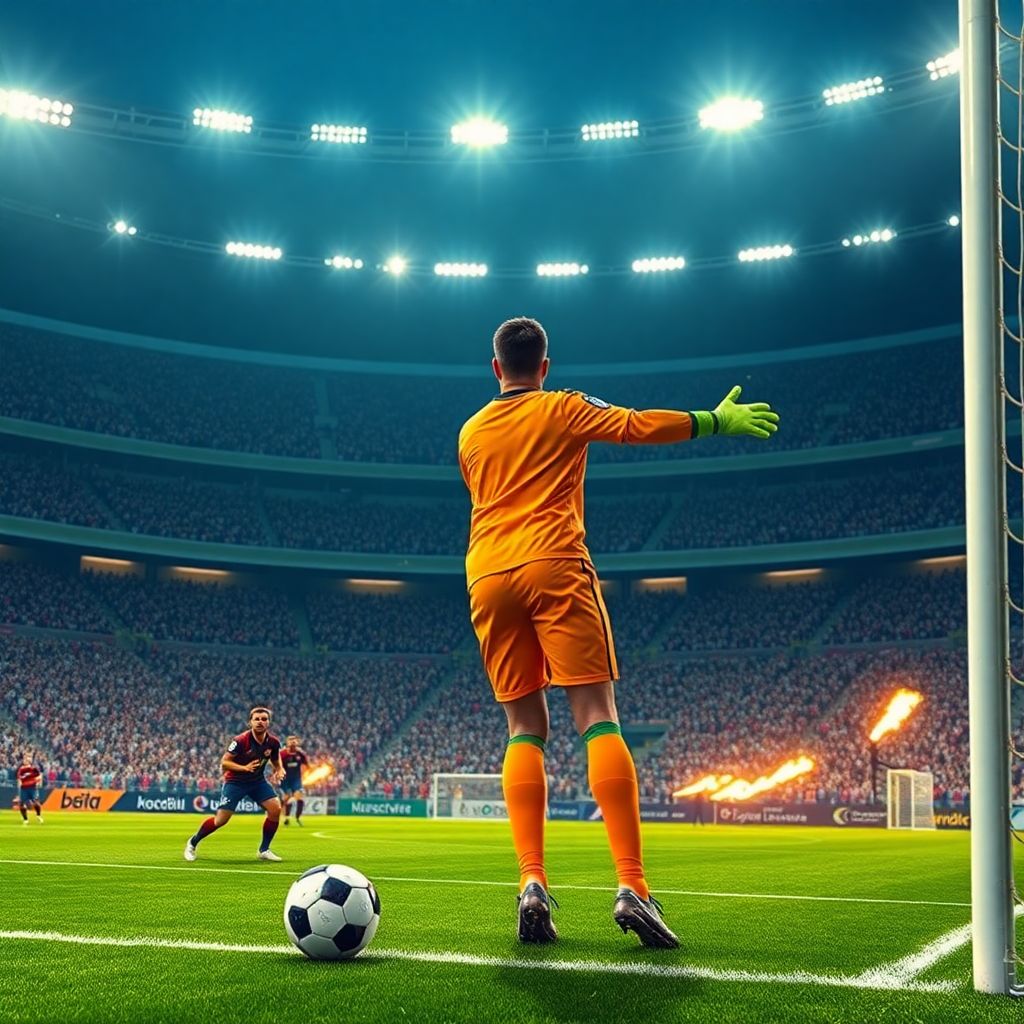
From Line-Hugger to Playmaker: How the Sweeper-Keeper Took Over
In 2026, it’s hard to remember that not so long ago coaches panicked when their goalkeeper left the six-yard box. For decades keepers were judged almost исключительно by shot-stopping: stay on the line, claim crosses, boot it long. The real turning point came with the back-pass rule in 1992, forcing goalkeepers to actually play with their feet instead of picking the ball up under pressure. Later, the rise of high pressing and compact blocks in Europe made it obvious: if the last man can’t pass, your build-up collapses. From Neuer redefining the role at Bayern and Germany, to Ederson turning long passes into assists, the sweeper-keeper stopped being an exotic option and became an essential structural piece. Turkey, watching European trends closely, began its own transition about a decade later, adaptируя эту модель к своим тактическим и культурным особенностям.
Why the Modern Sweeper-Keeper Is Basically a Fourth Defender
Today’s top clubs don’t see the goalkeeper as a specialist isolated from the team; they treat him as a hybrid defender-playmaker. When teams push the defensive line to the halfway line, space behind them explodes, and only an aggressive keeper who anticipates long balls can keep that risk under control. This means the keeper manages depth, triggers pressing traps with his distribution and constantly adjusts his starting position by reading body shape of opponents and teammates. In Turkey’s Süper Lig, where games can swing wildly from cautious to chaotic, this ability to control tempo with the first pass is invaluable. A sweeper-keeper cuts out through balls early, compresses the pitch and lets the centre-backs hold brave positions instead of retreating in panic every time the ball is played in behind.
Key Tactical Jobs of a Sweeper-Keeper
The tactical role now goes far beyond “come out for one‑on‑ones”. A modern keeper must constantly scan the field, track the opposition’s runners and predict where the next vertical pass may appear. He needs the courage to defend thirty metres from his goal, yet the discipline to retreat when the press is broken. Under pressure, his short passing must survive aggressive forwards, while his long passing should find wingers or full-backs with accuracy, not just “clear the danger”. For Turkish teams in European competition, where tempo is higher and pressing more coordinated, the keeper’s first touch regularly decides whether the team can exit the press or spends ninety minutes camped in its own third, desperately defending crosses and cutbacks.
Turkey’s Late but Rapid Embrace of the New Goalkeeping Model
The Turkish goalkeeping tradition was long built on emotional leadership and spectacular saves rather than calm possession play. Stadiums expect passion, and keepers were often seen as warriors more than technicians. The shift began as Turkish clubs tried to stay competitive in European tournaments and noticed how badly they struggled against high-pressing sides. Around the mid-2010s, several Süper Lig teams hired foreign goalkeeping coaches with experience in Spain and Germany, bringing structured footwork drills, passing patterns and positional cues. By the early 2020s, youth academies in Istanbul, Ankara and Izmir started integrating build-up play into goalkeeper sessions, instead of treating “playing with the feet” as a bonus skill. Now, in 2026, a young Turkish keeper who can’t pass under pressure will struggle to reach top-flight level, no matter how spectacular his dives.
How Turkish Keepers Differ from Western European Ones
Despite the convergence in training methods, Turkish goalkeepers often retain distinct traits compared with their Western European counterparts. Many grew up facing chaotic street football games and unstructured pitches, which tends to produce strong reflexes and creativity when dealing with broken plays or odd bounces. At the same time, some lack the early, systematic exposure to positional passing that Spanish or Dutch keepers receive from age ten. The best Turkish sweeper-keepers mix both worlds: emotional intensity and bravery in duels, combined with a learned calm in build-up situations. Clubs that deliberately pair local keepers with experienced foreign goalkeeper coaches are now closing the gap faster, especially in academies linked to first-division teams that take European competition seriously.
Europe as the Laboratory: New Trends in Sweeper-Keeping
Across Europe, tactical experimentation over the last decade has pushed the role even further. Some coaches use the keeper as the free man in the first line, creating a temporary back three or even a back two during build-up. Others ask him to step into the right-half space to connect with a full-back and pivot, almost like a deep-lying midfielder when the ball is safely in the opposition half. In high-possession systems, the keeper’s main job becomes preventing transitions: good positioning to sweep counter-attacks before they become shots. Countries with long-term technical development cultures, such as Spain, Germany and the Netherlands, now churn out keepers comfortable executing complex passing sequences under heavy pressure. This has forced attackers to press smarter, triggering an arms race of decision‑making speed between strikers and goalkeepers.
Role of Elite Academies and International Camps
Behind this revolution stands a whole ecosystem of specialised training environments. Elite goalkeeper academies in europe now design yearly programs around tactical scenarios instead of isolated shot-stopping. Sessions include rondos with outfield players, pressing-resistance exercises, and build-up rehearsals under functional pressure. Young keepers learn not only how to pass, but when to reset, when to lure the press and when to go long. Meanwhile, modern goalkeeping training camps in europe attract players from Turkey and the Middle East looking for intensive, short-term adaptation to these demands. The cross-pollination of ideas means a teenager from Ankara can train one month under a Spanish methodology, the next under a German approach, then bring that knowledge back to his home club environment.
Practical Advice for Keepers Who Want to Become Sweeper-Keepers
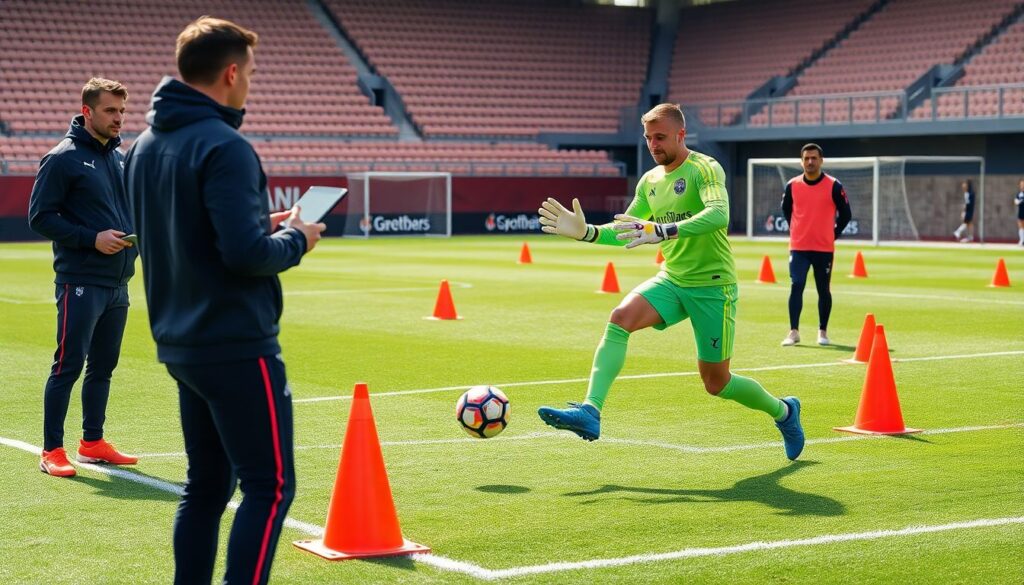
If you’re a goalkeeper aiming to thrive in this new reality, you need a plan that goes beyond extra diving drills. Start by accepting that you are effectively an outfield player during build-up. Dedicate at least half of your technical work each week to passing and first touch under pressure. Work with your coach to define clear reference points for your starting position depending on ball location: not “somewhere high”, but exact zones relative to your back line. Study match footage of top sweeper-keepers, pausing often to check their body shape before receiving the ball, their scanning frequency and how quickly they reset if a progressive pass is blocked. This analytical habit will help you react earlier rather than purely relying on athletic recovery ability.
Positioning and Reading the Game
Sharp positioning is what separates daring from reckless. As a rule of thumb, align yourself diagonally behind the ball and your nearest centre-back, giving an obvious passing lane while still being close enough to sweep long through balls. Constant scanning is crucial: look up before the ball travels to your defender, again as it’s moving and again as it arrives, so you already know your next pass options if he plays back to you. Don’t stand flat; keep your body slightly open to the far side, ready to play across or out wide in one touch. In Turkey’s often emotionally-charged games, maintaining this technical discipline when the crowd roars for you to “clear it” is the hardest step, but also the one that differentiates a sweeper-keeper from a traditional shot-stopper.
Footwork, Passing Patterns and Daily Micro-Drills
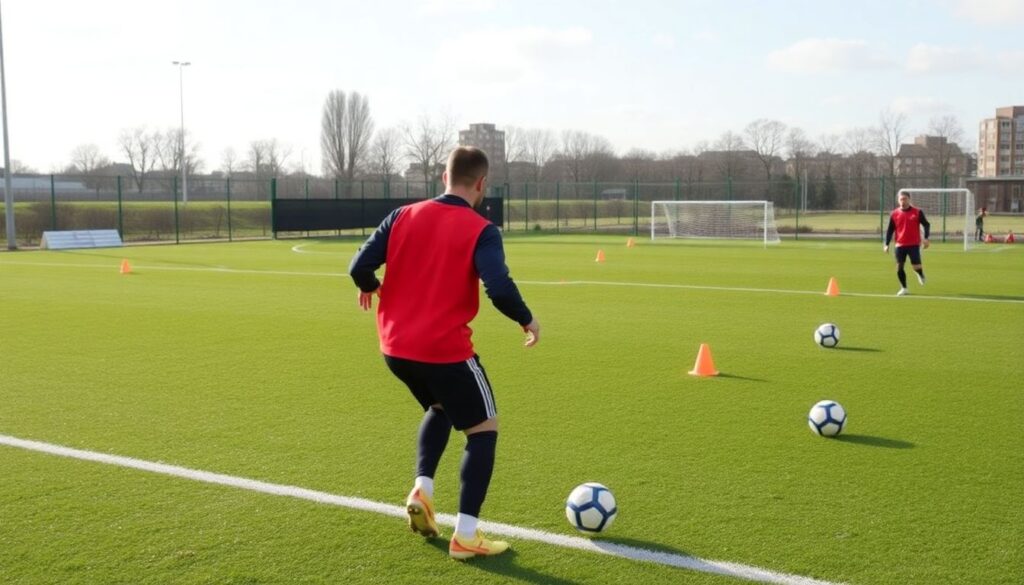
Transforming into an effective sweeper-keeper is more about repetition than talent. Introduce daily micro-drills that simulate game movements: quick shuffles along the edge of the box, opening your hips to receive a back-pass, then playing driven passes to target cones or mini-goals. Alternate one-touch and two-touch sequences to develop adaptability. Train your weak foot every session; elite keepers no longer survive with a single passing leg. Add opponents or dummies to block central lanes, forcing you to find angled passes into full-backs or dropping midfielders. The objective is simple: by match day, every back-pass feels like a routine pattern you’ve solved a thousand times, not an emergency. Over time, this approach radically lowers your stress levels and improves decision speed when pressed by aggressive forwards.
Working With Coaches and Technology in 2026
The smartest keepers in 2026 treat technology as a personal assistant rather than a gimmick. Many clubs now rely on goalkeeper analysis software for football clubs that tags every involvement: first touch, pass direction, distance from goal, pressure level. Instead of skimming highlights of spectacular saves, top keepers study mundane moments: how their body shape changed the pressing angle, whether they could have stayed higher between possessions, how often they forced their centre-backs into awkward body positions. In Turkey, even ambitious second-division teams are investing in such tools, narrowing the gap to top European environments. The point is not to copy what Ederson or Ter Stegen did, but to understand why they chose each option, then translate those ideas to your own league’s tempo and physicality.
Choosing the Right Coaching Path
Structured guidance accelerates progress. For young keepers in or around Turkey, professional goalkeeper coaching courses turkey have become a reliable route to updated methodologies and modern training ideas. These courses don’t only improve coaches; they also expose keepers to terminology and tactical language used at higher levels, making communication with back lines cleaner and faster. In Europe’s main football hubs, specialised goalkeeper consultants now travel between clubs, offering short blocks of intensive training focused on specific topics like high-line defending or distribution under press. If you’re serious about evolving into a sweeper-keeper, seek environments where keepers are treated as playmakers, not just shot-blockers. Ask potential coaches how much time they dedicate to video analysis, passing patterns and positional games, and choose accordingly.
Equipment: Gloves and Gear That Fit the New Role
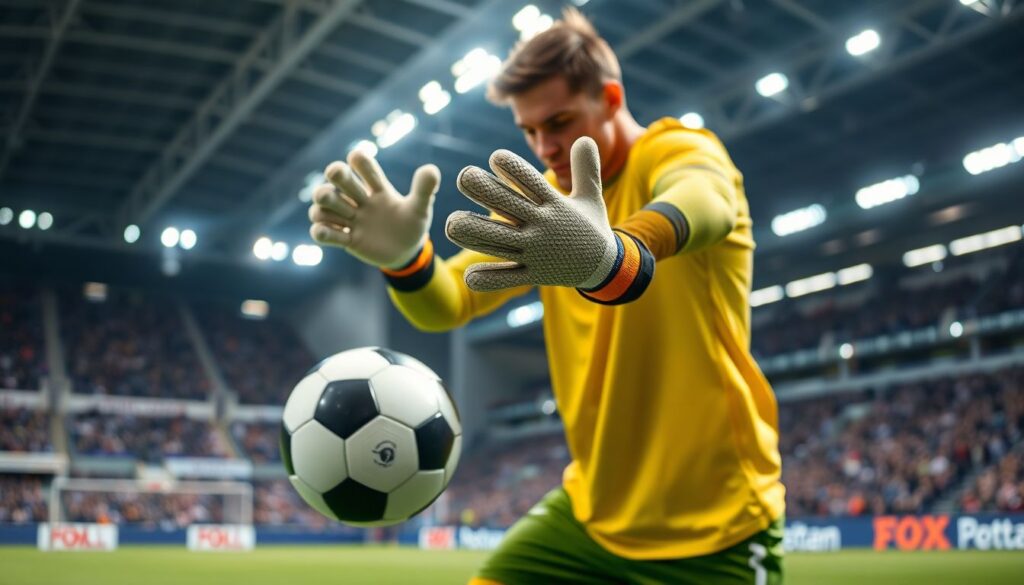
The increased volume of passing and sweeping changes the demands on your equipment too. The best goalkeeper gloves for sweeper keepers are not necessarily the thickest or most cushioned; they prioritise grip and flexibility for quick distribution, plus a cut that allows cleaner contact on driven passes. Lighter boots with a clean striking surface make chipped passes and diagonal switches easier to control. Some keepers prefer slightly shorter gloves or more elastic wrist straps to improve wrist mobility on long throws. None of this replaces technique, of course, but small adjustments in gear can reduce friction—literally and figuratively—when you’re constantly moving outside the box, sliding to intercept through balls and then needing a precise pass within seconds.
Future Outlook: Where the Sweeper-Keeper Role Is Headed
By 2026, the trajectory is clear: the gap between “goalkeeper” and “outfield player” continues to shrink. As more coaches experiment with back-three build-up structures and false full-backs, we may soon see keepers spending extended periods in advanced positions during sustained possession, almost like auxiliary centre-backs. Data-led training will push positioning and decision-making to new levels, while kids who grew up playing futsal and small-sided games will enter professional academies with far superior ball skills than previous generations. For Turkey, staying plugged into this evolution means maintaining strong links with elite goalkeeper academies and European clubs, while preserving local strengths in mentality and reflexes. The revolution is no longer about copying Neuer or Ederson; it’s about integrating the sweeper-keeper logic so deeply that every new Turkish or European keeper grows up thinking like a defender, passing like a midfielder and still saving like a traditional number one.
Комментарии