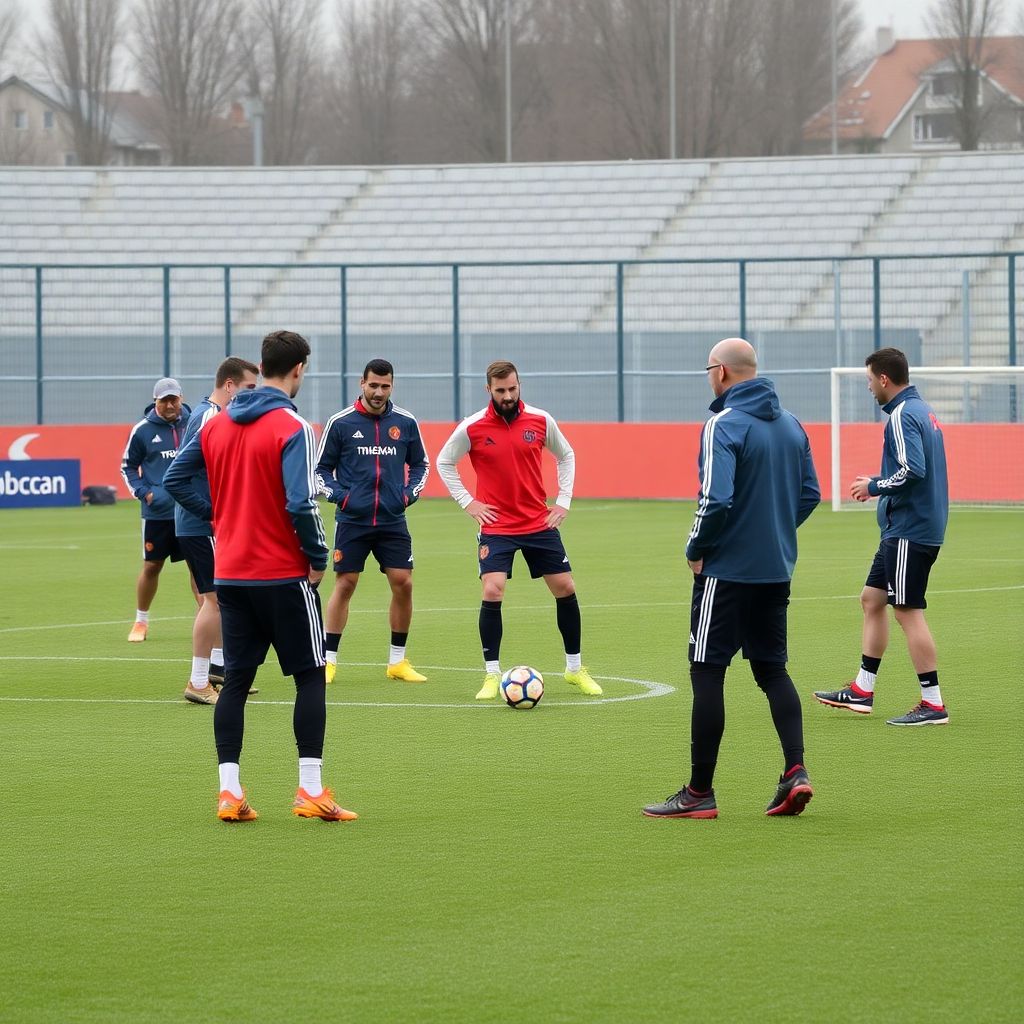
Turkish players adapt to European tactical demands by upgrading positional versatility, pressing discipline and decision speed, especially in hybrid roles (fullback-winger, 6-8, 8-10). Focus on role clarity, repeatable physical outputs, simple passing patterns under pressure and clear communication with coaches. Build adaptation in small, measurable steps, not overnight reinventions.
Core Adaptation Objectives for Turkish Players
- Understand exactly what your role means in your team’s main system (4-3-3, 4-2-3-1, 3-4-2-1).
- Reach a repeatable physical level to press, sprint and recover for the full match.
- Execute safe, progressive passing options under pressure with minimal touches.
- Switch between defensive and attacking tasks without losing positional discipline.
- Communicate clearly in football language (press triggers, cover, half-space) regardless of spoken language limits.
- Use basic football analytics services for Turkish players in European leagues to track and improve key metrics.
- Integrate smoothly into the club’s culture, training rhythm and video-analysis habits.
Understanding European Tactical Expectations for Midfielders and Fullbacks
This guidance suits ambitious Turkish football players in European clubs or those aiming to move from Süper Lig or 1. Lig to a top-5 league. It is especially relevant for hybrid fullbacks and midfielders who must defend, build and attack in one role.
It is not ideal for very young grassroots players who still lack basic technique, or for late-career players unwilling to change habits. If a player refuses video work, positional rotation or feedback-based coaching, intensive European football tactics training for Turkish players will bring frustration instead of progress.
Checklist: What European Coaches Expect From Hybrid Roles
- Clear understanding of the team’s main formations and 1-2 alternative shapes.
- Comfort defending both in a back four and as part of a back three or inverted line.
- Ability to receive the ball facing your own goal, turn and play forward safely.
- Consistency in pressing and counter-pressing within agreed triggers, not randomly.
- Discipline in protecting half-spaces and central zones, not chasing the ball wide.
- Willingness to make “unseen” runs to open space for teammates, not always demanding the ball.
Micro-Session: Role-Clarity Video and Walkthrough (20-30 minutes)
- Pick one match of a top club that uses your position in a similar way (for example, for scouting Turkish hybrid midfielders for European leagues you might compare roles with modern 6-8s).
- Watch only your position for 10-15 minutes: starting positions, body shape, first movement after loss.
- Walk these movements slowly on the pitch, stopping in each main zone you noticed.
Scouting Checklist for European Tactical Fit (Section 1)
- Does the player naturally hold structure (line and block) instead of following the ball?
- Does the player scan before receiving and choose forward or diagonal passes when safe?
- Does the player react instantly to transition (press, drop or run deep) with no hesitation?
Technical and Physical Benchmarks Turkish Players Must Achieve
To join the best Turkish football talents in Europe 2025, technical consistency must match a stable physical base. These are realistic, safe targets that can be built gradually without extreme loads or risky training methods.
Checklist: Core Technical Targets
- First touch: control passes on both feet while moving (not standing), opening body to play forward.
- Passing: reliable 10-20m passes under light pressure; basic chipped pass to escape the first line.
- Crossing or cut-backs: one main delivery pattern trained from your typical zone.
- Finishing: at least one repeatable finish type (cut-back edge of box, late run to second line, etc.).
- 1v1 defensive duels: body orientation that shows opponent outside, not diving in.
Checklist: Core Physical Targets
- Comfortable repeating short sprints with complete control of deceleration (safe knees and ankles).
- Ability to maintain concentration and basic technique at the end of intense runs.
- Stable core strength to hold duels without pulling or pushing dangerously.
- Regular recovery habits: hydration, light stretching and sleep routines after heavy sessions.
Micro-Session: Passing and Endurance Link (25-30 minutes)
- Set up a triangle of 10-15m sides; pass and move continuously, alternating feet.
- After each full triangle, jog or lightly sprint to a cone 20m away and back, then restart passing.
- Focus on safe technique under mild fatigue; stop if movement quality drops badly.
Scouting Checklist for Benchmarks (Section 2)
- Does the player’s first touch usually face away from pressure and into open space?
- Does technical level stay stable after repeated runs, or does it collapse under fatigue?
- Does the player avoid risky body positions and over-committing in duels that could cause injury?
Tactical Intelligence: Reading Systems and Embracing Role Fluidity
Tactical intelligence is the main difference-maker for Turkish football players in European clubs who already have good technique. Before following the step-by-step process, complete this short preparation checklist.
Pre-Work Checklist Before Tactical Drills
- Learn common tactical words in English (or the club language): press, drop, cover, hold, switch.
- Ask your coach for the 2-3 main team principles in each phase (build-up, defending, transition).
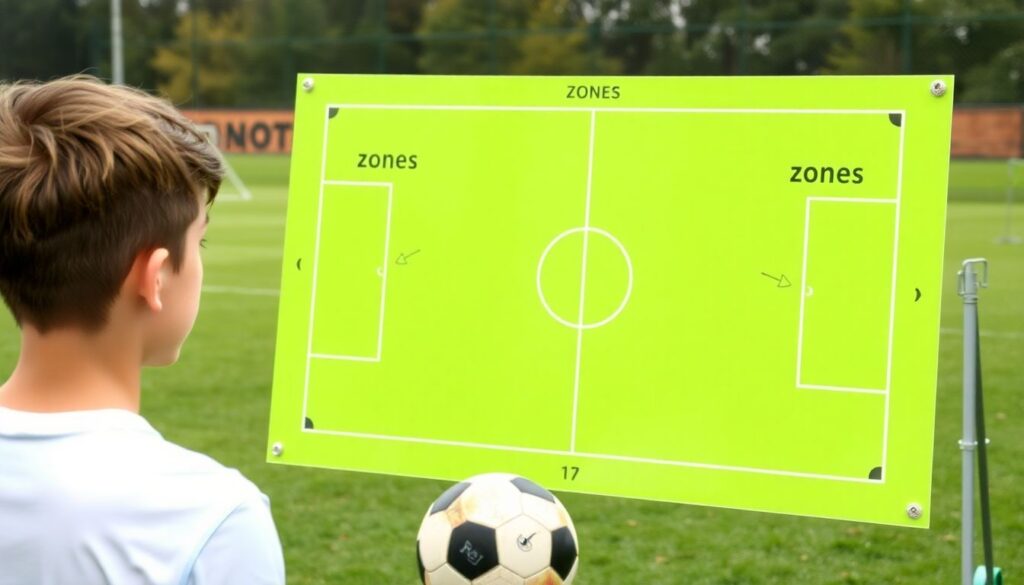
- Print or save one page with your position’s zones and preferred movements in attack and defense.
- Confirm that your boots, pitch and training partners are ready to do low-contact, safe tactical work.
-
Map Your Role in Two Main Systems
On paper, draw where you stand and move in your club’s main formation plus one alternative used often. Note starting height, width and which teammates you must connect with first.
- Highlight pressing and defensive references: ball, man, zone or line.
- Mark your typical passing lanes forward and back.
-
Practice Scanning and Decision Timing
Good tactical intelligence starts with scanning before the ball arrives. In simple rondos or passing drills, include a rule to check both shoulders before each reception and say “yes” out loud when you scan.
- Keep intensity low at first to avoid collisions.
- Add pressure only when scanning becomes automatic.
-
Link Your Movements to Triggers
Define 2-3 clear triggers for pressing, stepping up or tucking inside (for example, bad opponent touch or backward pass). Connect each trigger with one automatic, safe movement you will repeat every time.
- Never press alone without cover behind you.
- If unsure, prioritize compactness and delay instead of risky jumping forward.
-
Rehearse Role Swaps and Inversions
Hybrid players often move inside (fullback to midfield) or push high (midfielder into the box). In training, walk through these rotations with one or two teammates and agree who covers which zone every time.
- Practice slowly at first, then increase speed while keeping body control.
- Stop and reset if spacing breaks; safety and structure first.
-
Connect Video Feedback to On-Pitch Corrections
Use match clips and basic football analytics services for Turkish players in European leagues to spot repeated tactical habits. For each mistake seen on video, rehearse one simple correction on the pitch three to five times.
- Focus on one theme per week (for example, pressing height or cover shadow).
- Avoid changing many behaviors at once; this leads to confusion and unsafe reactions.
Micro-Session: 3-Zone Fluidity Game (25 minutes)
- Divide the pitch into three vertical lanes (left, central, right).
- Play a small possession game where you must change lane after every successful pass.
- Emphasize communication and awareness of which teammate protects the lane you leave.
Scouting Checklist for Tactical Intelligence (Section 3)
- Does the player scan regularly and adjust position before the ball moves?
- Does the player react to clear triggers instead of chasing the ball without structure?
- Can the player handle simple role swaps without leaving big gaps in the block?
Training Modules to Build Hybrid Defensive‑Offensive Skillsets
Hybrid fullbacks and midfielders must defend deep, press high and contribute to build-up and finishing. These training modules can be done safely with low contact and gradual intensity, suitable for Turkish players aiming at European leagues.
Outcome Checklist: Have You Built a Hybrid Profile?
- You can defend 1v1 on the wing and also protect central spaces without diving in.
- You can receive from centre-backs, turn out of pressure and switch play calmly.
- You can time forward runs so the team keeps balance behind you.
- You can deliver at least one quality ball per attack from your typical crossing or cut-back zone.
- You can join counter-attacks but still recover into a compact block quickly when the attack breaks.
- You stay technically clean under controlled fatigue and light pressure.
- You adapt comfortably to both aggressive pressing plans and deeper mid-block instructions.
Micro-Session: Hybrid Line Drill (30 minutes)
- Start as a fullback or 6; receive from a centre-back, play to a wide player, then overlap or underlap.
- After the attack, turn and sprint back into a defensive line, adjusting your position off a coach’s signal.
- Keep contacts light, with clear stop words agreed to avoid clashes or unsafe tackles.
Scouting Checklist for Hybrid Skillsets (Section 4)
- Does the player contribute to both defensive stability and ball progression?
- Does the player choose moments to join attack without leaving the team exposed?
- Does the player maintain safe technique and body control when transitioning quickly?
Club Integration: Communication, Coaching Alignment and Cultural Fit
Many moves fail not because of talent but because the player never fully integrates into the new club’s methods and culture. This is decisive for Turkish football players in European clubs who face language and style changes.
Frequent Integration Mistakes to Avoid
- Ignoring tactical meetings or video sessions because of language difficulty instead of asking for simple explanations.
- Keeping only with other Turkish-speaking teammates and missing daily informal tactical talk.
- Reacting emotionally to rotation or bench roles instead of viewing them as tactical decisions.
- Copying old Süper Lig habits that do not fit the new league’s tempo or discipline.
- Not clarifying your role directly with the head coach or assistant when confused.
- Over-training alone without coordination, leading to fatigue and reduced training quality.
- Under-using club resources such as analysts, fitness staff or psychologists.
Micro-Session: Communication and Alignment (15-20 minutes)
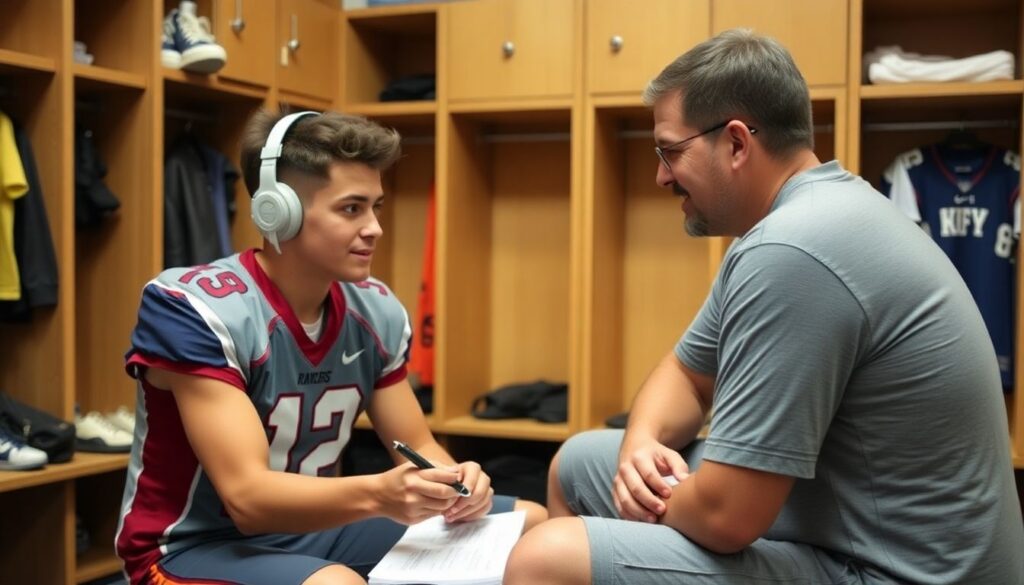
- Before training, ask a staff member or teammate to repeat your main tasks for that session in simple terms.
- After training, write three short notes: what went well, what confused you, and one question for staff.
- Discuss one point with an assistant coach once or twice per week to stay aligned and safe in your tasks.
Scouting Checklist for Integration Potential (Section 5)
- Does the player seek feedback and accept tactical adjustments calmly?
- Does the player show basic discipline in time-keeping, recovery and meeting behavior?
- Does the player interact with different teammates, not only those from the same background?
Measuring Progress: Performance KPIs and a Transition Roadmap
A structured roadmap helps scouts and coaches evaluate progress when scouting Turkish hybrid midfielders for European leagues and when supporting those already abroad. Not every player must jump immediately to a top club; some paths are safer and more realistic.
Alternative Development Paths and When They Fit
- Step-by-Step League Climb – Move first to a mid-level European league with similar culture and tempo, then progress to a top-5 league. This suits players who need time to adapt physically and tactically without excessive pressure.
- Loan Moves Focused on Minutes – Stay under contract with a big club but play on loan where you can start regularly. Ideal when training level is high but match experience in your hybrid role is still limited.
- Domestic Optimization Before Transfer – Spend one or two more seasons in Türkiye, using structured European football tactics training for Turkish players and local data tools, then move when you already perform at European tempo.
- Role Specialization Instead of Full Hybrid – For some players, becoming excellent in a narrower role (pure 6 or pure attacking fullback) is safer than forcing a complete hybrid profile.
Micro-Session: KPI Review and Planning (20 minutes)
- List three simple metrics you can track without advanced tools (for example, successful progressive passes, recoveries in your zone, runs supporting the box).
- Review one match and count each KPI honestly, or ask an analyst for help.
- Set one small target for the next match, adjust weekly and avoid chasing too many numbers at once.
Scouting Checklist for Roadmap Fit (Section 6)
- Does the player’s current level match the intended league in tempo and tactical discipline?
- Does the player have a clear next-step plan (loan, league type, role focus)?
- Is the player open to data-based feedback and realistic discussions about pathway options?
Practical Concerns, Short Answers and Immediate Fixes
How can a Turkish fullback start preparing for an inverted role safely?
Begin in low-intensity positional rondos where you step inside next to the 6 without heavy contact. Focus on scanning, body shape and simple passes. Add short sprints back to your fullback position so you learn the recovery path.
What if my coach’s tactics are different from what I trained for Europe?
Adapt to your current coach first; you must play well where you are. Use extra individual sessions to practice European-style rotations and tempo so you are ready when a move happens, but never ignore your club’s immediate demands.
How important is data and analytics for my development?
You do not need complex tools, but basic numbers help you stay objective. Use simple football analytics services for Turkish players in European leagues or club reports to track a few KPIs, then connect them to video clips and training tasks.
Can I develop a hybrid role if I am not a strong runner?
Yes, but you must build efficient running technique and smart positioning. Work with fitness staff to improve mechanics and use tactical intelligence to arrive early instead of sprinting late. If progress is slow, consider a slightly more static role.
How many positions should I learn at the same time?
For most players, mastering one main role and one closely related secondary role is enough, such as 6-8 or fullback-wingback. Adding more at once often creates confusion and increases tactical mistakes and injury risk.
What is the fastest safe way to adapt to a new league’s tempo?
Increase intensity gradually in training games rather than playing at maximum every session. Combine short, sharp drills with clear recovery, and always prioritize technical quality and decision-making over pure running volume.
Do I need to copy stars who play my position in top clubs?
Use them as references, not as exact models. Study one or two behaviors you can realistically copy and that fit your coach’s system. Forcing a style that does not match your body or role often leads to mistakes and frustration.