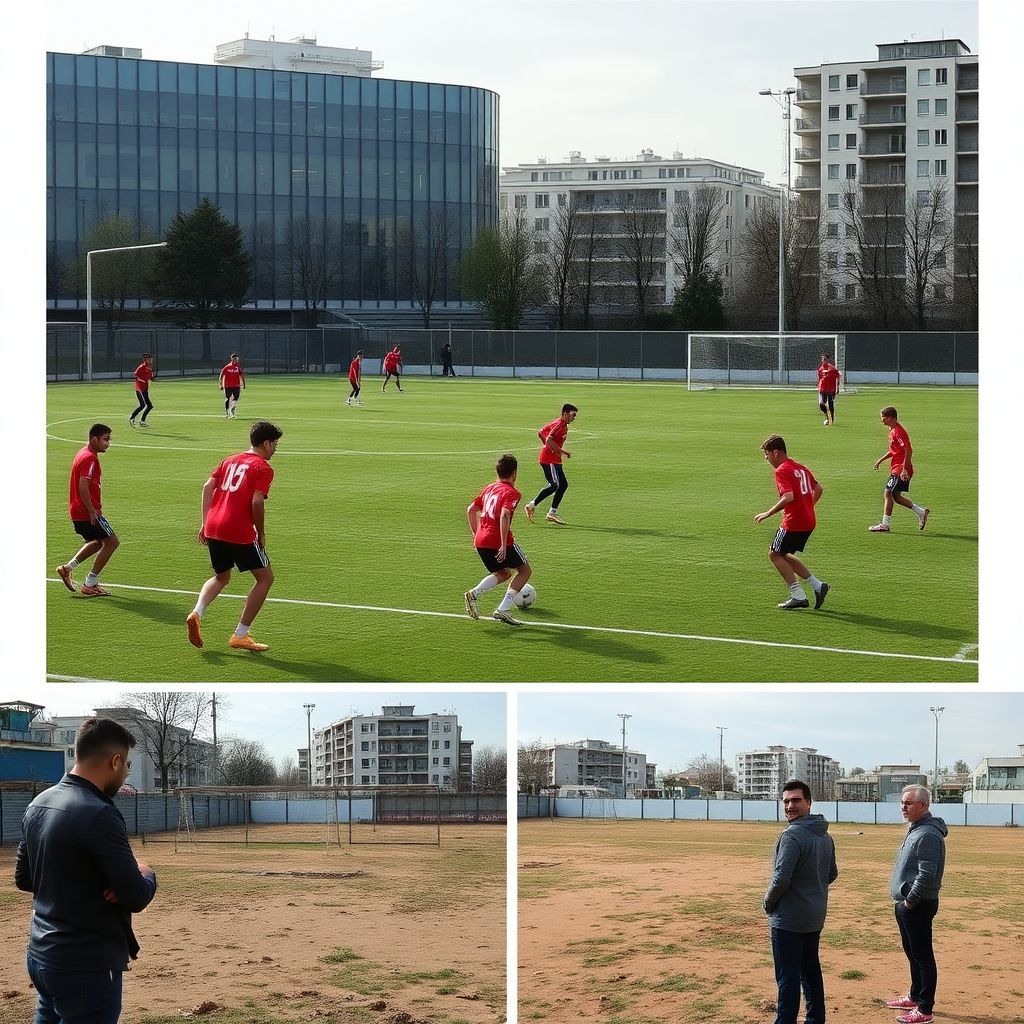
Turkish football academies can compete with many European youth systems in individual cases, especially at top Süper Lig clubs and well-run private centres in Istanbul, but structural gaps remain in facilities consistency, coaching education depth, and long-term planning. For players and investors, targeted selection of specific academies and clear development goals are essential.
Core Conclusions for Stakeholders
- Top-tier Süper Lig academies and selected private centres already match mid-level European youth standards in daily training quality and competition.
- The average Turkish academy, however, still trails European benchmarks in coaching stability, data use, and integrated education support.
- For families, the best Turkish football academy for youth development is usually tied to a stable Süper Lig club with a clear first-team pathway.
- Professional soccer academies in Istanbul with boarding offer a practical route for foreign players but vary widely in seriousness and links to clubs.
- Turkey football trials 2024 for European clubs are useful only when embedded in a broader, year-round training and scouting structure.
- Clubs, federations, and investors should prioritise long-term partnerships, transparent progression plans, and coach development over short-term transfer income.
- Foreign players must evaluate how to join a football academy in Turkey like European youth systems by checking curriculum, school integration, and real placement track record.
Historical Evolution of Turkish Football Academies
When comparing Turkey with European youth systems, evaluate academies against consistent criteria rather than their brand alone.
- Club integration: How clearly is the academy aligned with the first team in playing style, staffing, and promotion criteria?
- Coaching education: What proportion of coaches hold advanced licences, and how often do they receive internal training updates?
- Facilities depth, not just headlines: Beyond a main pitch, are there smaller fields, indoor halls, gym, rehab and analysis rooms available year-round?
- Age-group coverage: Does the academy provide a continuous pathway from early grassroots to professional transition, or only a few age bands?
- Competition level: Are youth teams regularly facing strong national and international opponents, or mostly local, uneven leagues?
- Education and welfare: Is there serious coordination with schools, language support for foreigners, nutrition guidance, and psychological mentoring?
- Scouting and retention: Does the academy actively scout nationwide and keep players long-term, or depend mainly on local volunteers and short-term selections?
- Data and analysis culture: Are GPS, video analysis, and physical testing used in a systematic way to guide training decisions?
- Exit routes: How many players are genuinely moving into first teams, loans, or transfers abroad, and how transparent is this history?
Infrastructure and Coaching: How Turkey Measures Up
The table below compares common academy models in Turkey against typical European-style expectations in terms of facilities, coach focus, exposure timing, and transfer outcomes.
| Variant | Best Suited For | Strengths | Weaknesses | When This Choice Makes Sense |
|---|---|---|---|---|
| Big Istanbul club academies (Galatasaray/Fenerbahçe/Beşiktaş type) | High-potential players who can handle pressure and competition for places | Strong facilities; experienced staff; regular matches vs top Turkish academies; clearer route to domestic top division and occasional moves to Europe | Very selective; limited individual attention; high expectations; less tolerance for late developers | Choose when the player already stands out nationally and seeks the most competitive environment available in Turkey. |
| Other Süper Lig and 1. Lig club academies | Talented players needing more minutes and slightly less pressure | Decent training conditions; more realistic chance of early first-team exposure; good stepping stone to higher-level clubs | Facilities and staffing consistency vary; fewer international tournaments; sometimes unstable club management | Choose when regular playing time and earlier senior debut are more important than brand name. |
| Professional soccer academies in Istanbul with boarding | Foreign players and out-of-city talents seeking structured daily training and schooling | Integrated boarding, language and school support; flexible entry; exposure to multiple clubs through friendly games and showcases | Quality depends heavily on ownership; not all have solid links to professional teams; risk of overpromising about trials abroad | Choose when relocation to Istanbul is possible and the academy can demonstrate real placements and references. |
| Regional and multi-club academies with European partnerships | Players targeting eventual moves to European clubs from a calmer base | Shared methodology with a partner club; regular remote or in-person visits from European staff; more structured development plans | Partnership strengths differ widely; local league quality may be modest; progress depends on club-to-club trust | Choose when long-term development and potential transfer abroad are preferred over immediate big-club status. |
Families researching football academies in Turkey for foreign players should compare not only glossy infrastructure photos but also coaching continuity, external partnerships, and genuine progression examples in each of these variants.
Talent Identification and Scouting Networks
Scouting structures in Turkey are improving but remain uneven across regions. Turning this into a decision tool helps clubs, federations, and investors act more strategically.
- If you are a big-city club and already receive many trial requests, then formalise your scouting: assign regional scouts, track player data, and reduce reliance on short, crowded open trials.
- If you are a provincial club with limited resources, then cooperate with local schools and amateur teams, building a shared talent pool instead of competing for the same few players.
- If you are the federation or regional association and notice that some areas rarely produce youth internationals, then invest in regional centres and coaching education there, not only in already-strong cities.
- If you are an investor or private academy owner seeking links with Europe, then prioritise transparent collaboration agreements, shared training content, and co-organised tournaments over one-off branding projects.
- If you run Turkey football trials 2024 for European clubs and similar events, then integrate them into a year-round process: pre-selection, preparation blocks, realistic feedback, and follow-up pathways for non-selected players.
- If you manage communication to families and agents, then publish clear scouting policies, age groups, and contact rules to limit false promises and uncontrolled trial invitations.
Player Development Pathways and Curriculum Comparison
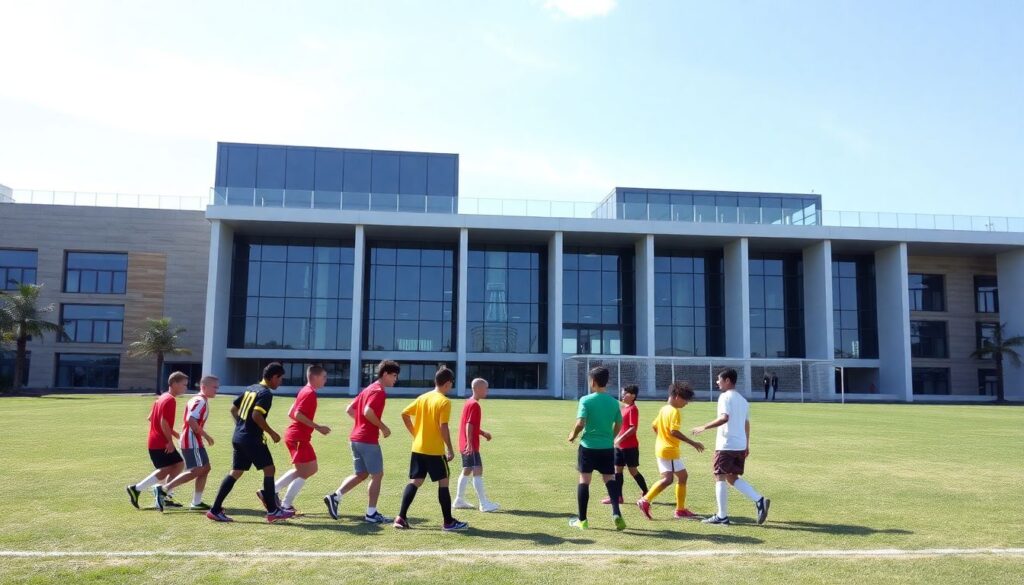
To choose or design an academy pathway that competes with European systems, follow this concise checklist.
- Define the target profile: clarify the age range, playing level, and realistic end-goals (domestic pro, move abroad, scholarship) for your academy or chosen club.
- Map the pathway stages: from entry to senior transition, detail training content, competition level, and education support for each age band, avoiding empty gaps.
- Compare curriculum content: ensure that technical, tactical, physical, and mental components are all planned, not only basic drills and match play.
- Align with playing philosophy: design age-group sessions so that the academy game model is visible from early years through to the reserve team.
- Secure education integration: for both local and foreign players, build strong partnerships with schools and, where needed, language programmes that resemble European standards.
- Monitor progression objectively: adopt simple data points such as training attendance, match minutes, and position history rather than relying purely on subjective impressions.
- Evaluate exit options yearly: review which players can move to the first team, loans, or European trials, and communicate honestly with families about realistic scenarios.
When considering how to join a football academy in Turkey like European youth systems, players and parents should ask to see this pathway and curriculum in concrete form, not just as marketing slogans.
Financial Models, Partnerships, and Transfer Outcomes
Financial incentives can support or damage youth development depending on how they are handled. The pitfalls below are common when stakeholders compare Turkey with Europe.
- Chasing quick transfer fees from a few standout talents instead of building a consistent, broad development base.
- Relying on informal agents and middlemen to arrange trials and moves abroad without clear contracts or shared responsibilities.
- Over-investing in visible facilities while under-investing in coach education, analysis staff, and long-term welfare structures.
- Signing symbolic partnerships with European clubs for publicity, with no shared curriculum, staff exchanges, or co-scouting projects behind the logos.
- Ignoring education and boarding costs, especially for foreign players, which leads to unstable living conditions and underperformance on the pitch.
- Offering free trials and scholarships without transparent selection criteria, creating unrealistic expectations and reputational damage.
- Failing to document and communicate success stories properly, so that parents cannot distinguish serious academies from marketing-driven ones.
- Copying European fee structures or scholarship models without adapting them to Turkish legal, economic, and cultural realities.
- Underestimating the time horizon: expecting immediate transfer income from new academies instead of planning for gradual returns over several age cycles.
- Neglecting female and futsal pathways that could diversify revenue and better align with modern European club models.
Case Studies: Clubs Bridging the Gap with Europe
A simple decision tree can help stakeholders choose the most suitable Turkish academy model relative to European systems.
- If the player is already at or near national youth-team level, choose a leading Süper Lig academy with a clear record of promoting to its first team and transferring players abroad.
- If the player is solid but still developing physically or tactically, choose a stable mid-level club academy where he or she can start regularly and grow with less pressure.
- If the player is foreign or from a distant Turkish region, and relocation is possible, choose a well-reviewed Istanbul boarding academy that offers schooling and has verifiable club links.
- If investors or local authorities aim to develop a region, choose a multi-club or partnership academy model with shared methodology and periodic input from European staff.
In summary, the best option for ambitious top talents is usually a strong Süper Lig academy with proven European connections, while balanced developers benefit from mid-tier club environments. Foreign players and those outside major cities often gain most from reputable boarding academies in Istanbul or structured regional projects tied into wider networks.
Practical Answers for Coaches and Administrators
Can Turkish academies realistically match European youth systems?
Yes, specific Turkish academies already deliver training and competition levels comparable to many European clubs, especially in major cities. The main challenge is consistency across the whole system, which requires better coach development, stable leadership, and stronger regional support.
Which type of academy is best for long-term youth development in Turkey?
A well-organised club academy with a stable first-team, clear playing philosophy, and integrated education support is generally the safest choice. Branding alone is not enough; look for evidence of players progressing year by year into senior football.
How can foreign players find serious football academies in Turkey?
Foreign players should target football academies in Turkey for foreign players that provide boarding, schooling, and language classes, plus transparent links to professional clubs. Independent reviews, past player references, and verifiable trial invitations are more reliable than online marketing claims.
How do Turkey football trials 2024 for European clubs usually work?
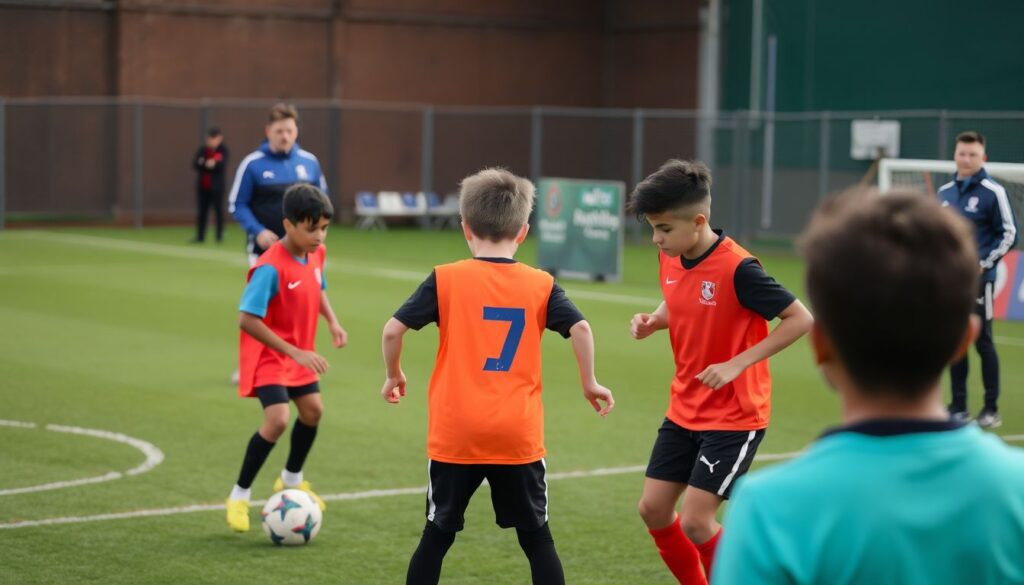
These events typically involve short showcase matches in front of visiting scouts or partner-club staff. They are most useful when players already train regularly in a serious academy, and when the organiser provides structured preparation, feedback, and follow-up options.
What should a Turkish club prioritise when upgrading its academy?
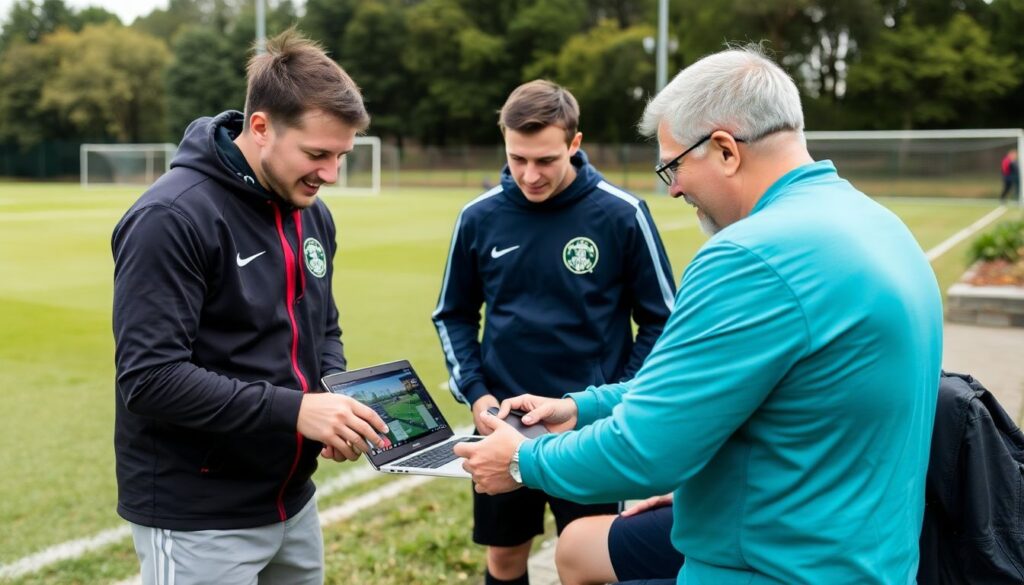
Priority areas include coach education, video and data analysis capacity, and stronger partnerships with local schools. Improving these elements raises daily training quality and helps the academy move closer to European standards without relying only on big infrastructure projects.
How can an academy build real European partnerships instead of cosmetic ones?
Focus on shared training content, staff exchanges, and coordinated scouting or tournaments. If both sides commit to regular work together, the partnership will have more impact than a simple logo or one-off visit.
What questions should parents ask before joining an academy in Turkey?
Parents should ask about curriculum, school integration, accommodation, injury support, and past graduates. Comparing answers across several academies makes it easier to identify the environment that most closely resembles organised European youth systems.