
Set pieces decide so many Süper Lig matches because they compress chaos into repeatable, coachable situations where small advantages in delivery, timing, and organisation create clear chances. Turkish teams face tight defensive blocks, heavy pitches, and emotional swings; rehearsed dead‑ball routines exploit these conditions better than open‑play patterns.
Why Dead-Balls Often Tip the Balance in Süper Lig Games
- Compact low blocks and conservative game plans make open‑play chances scarce, so each corner or free kick has outsized impact.
- Referee tendencies and intense atmospheres increase the number of fouls in dangerous zones around the box.
- Many squads have aerially dominant centre‑backs and physical forwards who are more dangerous on crosses than in combination play.
- Fixture congestion and travel reduce pressing intensity, so teams lean on rehearsed routines for consistent chance creation.
- Video access and tracking data make Super Lig set piece analysis easier, amplifying the edge for well‑coached sides.
- Psychological swings after scoring or conceding from a dead ball affect match tempo and risk‑taking more than typical open‑play goals.
Statistical Patterns: Measuring Set-Pieces’ Actual Impact
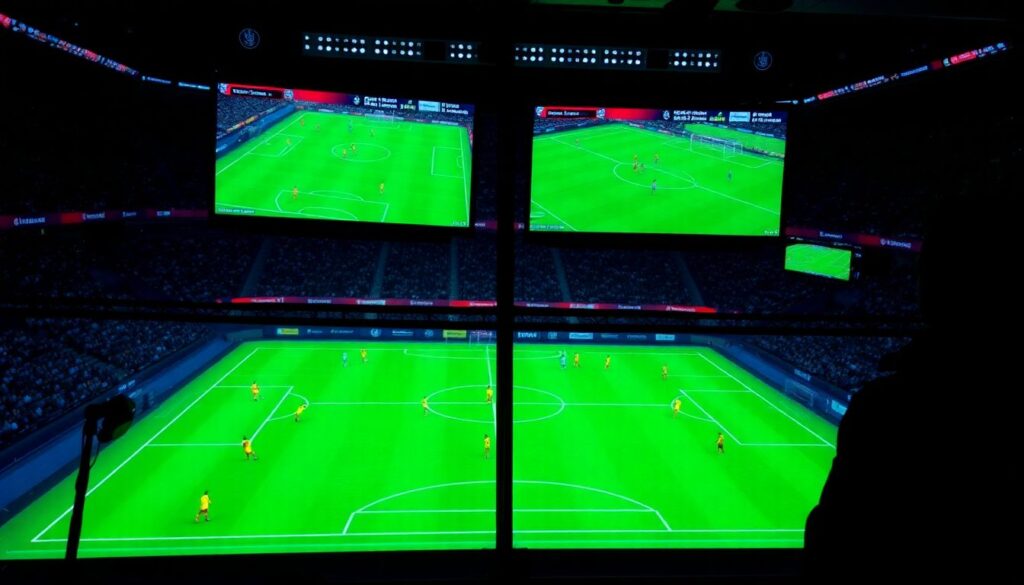
For an objective understanding of why set pieces decide matches, you need to treat them as a separate phase of the game and track them with their own metrics. This means going beyond simple counts of corners and free kicks to chance quality and repeatability.
Super Lig set piece analysis is most useful for:
- Coaches in Turkish clubs who already have baseline video workflows and can implement new routines within a few training weeks.
- Performance analysts able to tag events, maintain basic spreadsheets, and communicate insights visually to staff and players.
- Scouts evaluating the best set piece teams in Turkish Super Lig to understand which players and coaches drive repeatable value.
Situations where deep set‑piece focus is not ideal:
- Very short tournaments or relegation battles where personnel will completely change next season and long‑term routines bring limited carryover.
- Amateur or semi‑pro contexts without stable training attendance; rehearsed timing patterns will break if the lineup changes weekly.
- Squads lacking any reliable dead‑ball taker; without consistent delivery, complex routines add noise instead of clarity.
Interpreting Turkish Super Lig free kick statistics and tactics also requires caution:
- Small‑sample variance: a few deflected goals or missed sitters can distort conversion rates over one season.
- Referee influence: foul thresholds and wall management differ by crew, especially in high‑pressure derbies.
- Personnel limits: if your best aerial targets leave or are injured, historical numbers overestimate current potential.
Constructing Threat: Team Shapes and Routines That Work in Turkey
Effective routines start from clear structural choices that fit both your squad profile and common Süper Lig defensive behaviours. Before diving into patterns, secure the minimum tools and data needed for reliable Super Lig tactical analysis set pieces.
Core requirements before building routines
- Reliable video access: Full‑match footage from multiple angles if possible, with enough resolution to track runs and blocks inside the box.
- Event tagging capability: At least a simple tagging workflow in software or a spreadsheet tracking each corner and free kick outcome.
- Baseline categorisation: Separate inswingers, outswingers, short routines, second‑phase crosses, and quick restarts.
- Defensive scheme library: Clips of how league opponents defend corners and wide free kicks (pure zonal, pure man, or hybrid).
- Player role profiles: Notes on who can screen the keeper, who can win first contact, and who attacks second balls.
Shapes that commonly create problems in Süper Lig
- Crowded goalkeeper zone: One or two players pinning the keeper, plus a late runner attacking the front‑zone flick.
- Mixed stack and line runs: Starting 3-4 players in a vertical stack, then splitting towards front, central, and back zones.
- Short‑corner overloads: 2v1 wide to pull a full‑back out, then third‑man cross targeting the far‑side centre‑back.
- Edge‑of‑box shooters: Right/left‑footed players positioned for cut‑backs against teams overprotecting the six‑yard box.
For Super Lig corner kick tactics analysis, document which shapes repeatedly disrupt common league defences. Build a compact library of 4-6 core routines, each with:
- Clear primary target zone.
- Defined first‑contact attacker.
- Two pre‑planned second‑ball reactions.
- Defensive transition roles if the attack breaks down.
How Defences Collapse: Common Marking Errors and Spatial Failures
Before using the following step‑by‑step process, be clear about practical risks and limitations:
- Over‑fitting: designing routines only for one specific opponent structure can leave you exposed once they adjust.
- Time cost: heavy rehearsal steals minutes from pressing and build‑up work in tight weekly cycles.
- Player fatigue: excessive set‑piece drills with many jumps and sprints increase soft‑tissue and impact‑related fatigue.
- Predictability: repeating the same corner patterns without disguise lets analysts pre‑empt and neutralise your strengths.
Use these safe, structured steps to diagnose how defences in the league actually break under set‑piece pressure and to build routines that exploit real patterns rather than guesses.
-
Tag every conceded and created set piece by type and outcome
Start by building a small, reliable dataset from recent matches. Tag corners, wide free kicks, and central free kicks separately, and mark first contact, shot, and goal outcomes.
- Prioritise matches against direct rivals, where tactical detail is often clearest.
- Include both your team and opponent chances to reveal mirror weaknesses.
-
Map defensive starting shapes and responsibilities
For each opponent, take still frames at the moment of delivery. Note the number of zonal players, man‑markers, spare players, and the exact keeper position.
- Record which defenders protect front zone, penalty spot, and back post.
- Note if forwards stay high or drop into the box, affecting transition risk.
-
Identify recurring gaps, mismatches, and blind spots
Look across several matches for repeat vulnerabilities, not one‑off accidents. Typical Süper Lig patterns include small full‑backs marking tall attackers or poorly protected back‑post zones.
- Flag every time the same opponent loses the same duel type (front‑zone header, screen near keeper, back‑post run).
- Watch how they react to short corners; many lines over‑shift and open cut‑back lanes.
-
Design one simple routine to attack each identified weakness
Translate each recurring weakness into a clear, trainable pattern. Keep it simple enough to survive match stress and substitutions.
- For a weak back post: stack two attackers centrally, then split one late to the far side while the other screens his marker.
- For a vulnerable front zone: inswinging delivery targeting a strong header attacking across the near‑post defender.
-
Stress‑test routines under realistic pressure in training
Run each routine against your own first‑choice and second‑choice defensive units. Rotate markers to simulate different opponent profiles.
- Limit the number of repetitions per session to control fatigue and jumping load.
- Film training to check timing, spacing, and blocking legality.
-
Monitor in‑match performance and adjust between gameweeks
After each match, review all attacking and defensive set pieces within 24 hours. Adjust run timing, start positions, or delivery based on real outcomes.
- Focus on chance quality, not just goals; a free header wide still validates the routine concept.
- Phase out routines opponents clearly have prepared for and replace them with small variations.
Individual Components: Delivery, Timing, and Aerial Quality
Use this checklist to evaluate whether your current set‑piece execution is match‑ready and sustainable across a long Süper Lig season.
- Delivery pace and trajectory consistently reach the intended zone, not just the general penalty area.
- Your main taker has a stable, repeatable run‑up under pressure, with minimal mishit corners or over‑hit free kicks.
- Run timing creates separation: attackers arrive on the move as the ball travels, rather than standing and wrestling.
- Aerial targets attack the ball with clear body orientation towards goal, not backpedalling or jumping from a flat stance.
- At least one attacker is always positioned for second balls at the edge of the box for shots or recirculation.
- Transition structure is clear: two or three players in positions to delay counters after cleared balls.
- Players understand referee tolerance levels for blocking and screening in Turkish matches and avoid needless fouls.
- Alternative takers are competent enough that routines survive injuries or rotation to key specialists.
Coaching Practice: Designing Rehearsed Routines and Periodized Drills
Even strong concepts fail if your weekly coaching process is flawed. Avoid these common mistakes when embedding set‑piece work into your team culture.
- Overloading sessions with long, monotonous corner repetitions that damage concentration and increase injury risk.
- Introducing overly complex movements and hand signals that collapse under real match pressure.
- Ignoring opponent scouting and using the same routines regardless of whether rivals defend zonally or man‑to‑man.
- Failing to integrate set‑piece work into full tactical periodization, causing players to see it as a separate, optional add‑on.
- Neglecting communication scripts: players unsure who calls triggers or adjusts to wind, pitch, or referee conditions.
- Leaving substitutes under‑briefed, so replacements break timing chains when they enter late in the match.
- Evaluating staff success purely on goals scored, rather than on quality chances created and chances conceded from dead balls.
- Copying routines from the best set piece teams in Turkish Super Lig without adapting them to your own squad’s physical and technical profile.
Matchday Decisions: Tactical Choices, Subs and Situational Adjustments
On matchday, set‑piece value depends on live decisions as much as pre‑planned routines. When context changes, consider these practical alternatives and adjustments.
- Short‑corner and quick‑restart emphasis: When the referee is strict on contact or the box is heavily crowded, shift towards quick short routines to exploit unprepared defensive lines.
- Protective, low‑risk delivery: In matches where conceding a counterattack is more dangerous than scoring from a corner, favour safer back‑post or clipped deliveries with strong rest‑defence positions.
- Personnel‑driven variations: If your main aerial threat is substituted or injured, pivot to routines aimed at second‑phase shots instead of direct headers.
- Weather and surface‑based changes: On wet or uneven pitches, simplify delivery targets and reduce the number of players attacking the same zone to avoid collisions.
Consistent review of Super Lig corner kick tactics analysis and in‑game trends will help you decide when to deviate from the default plan and which low‑risk alternative offers the best trade‑off between control and goal threat.
Concise Practical Answers for Coaches and Analysts
How many core routines should a Süper Lig team maintain at once?
Maintain a small menu of four to six attacking routines and two or three defensive structures. This keeps training time manageable and players clear on responsibilities while still providing enough variation to prevent opponents from predicting every pattern.
How do I start Super Lig set piece analysis with limited staff and tools?
Begin with manual tagging in a simple spreadsheet: record each corner and wide free kick, delivery type, target zone, and outcome. Focus on trends over several matches rather than single games, and gradually add more detail as your workflow stabilises.
What if I do not have dominant aerial players in my squad?
Shift your emphasis towards short routines, quick restarts, cut‑backs, and edge‑of‑box shots. Build patterns that isolate your best technical players rather than forcing crosses that your forwards are unlikely to win consistently.
How should I balance attacking and defending set‑piece training time?
Link the balance to your game model and league context. Teams under sustained pressure need more defensive work, while high‑possession sides must ensure they convert a reasonable proportion of their corners and free kicks into quality chances.
Can I simply copy routines from elite European clubs into the Turkish Super Lig?
You can borrow ideas but must adapt them to local refereeing, pitch conditions, and your players’ physical profile. Many high‑block patterns or complex screens from other leagues are whistled differently or fail on heavier Turkish pitches.
How do referee tendencies in Turkey affect set‑piece tactics?
Track which referees are stricter on blocking, grappling, and goalkeeper contact. Adjust your screening intensity and delivery zones on matchday to reduce the risk of cheap fouls or disallowed goals.
Where do Turkish Super Lig free kick statistics and tactics fit into overall scouting?
Use them to complement open‑play metrics, not replace them. Set‑piece numbers highlight which players win first contacts, deliver high‑quality balls, or switch off defensively, informing recruitment and match preparation.
Комментарии