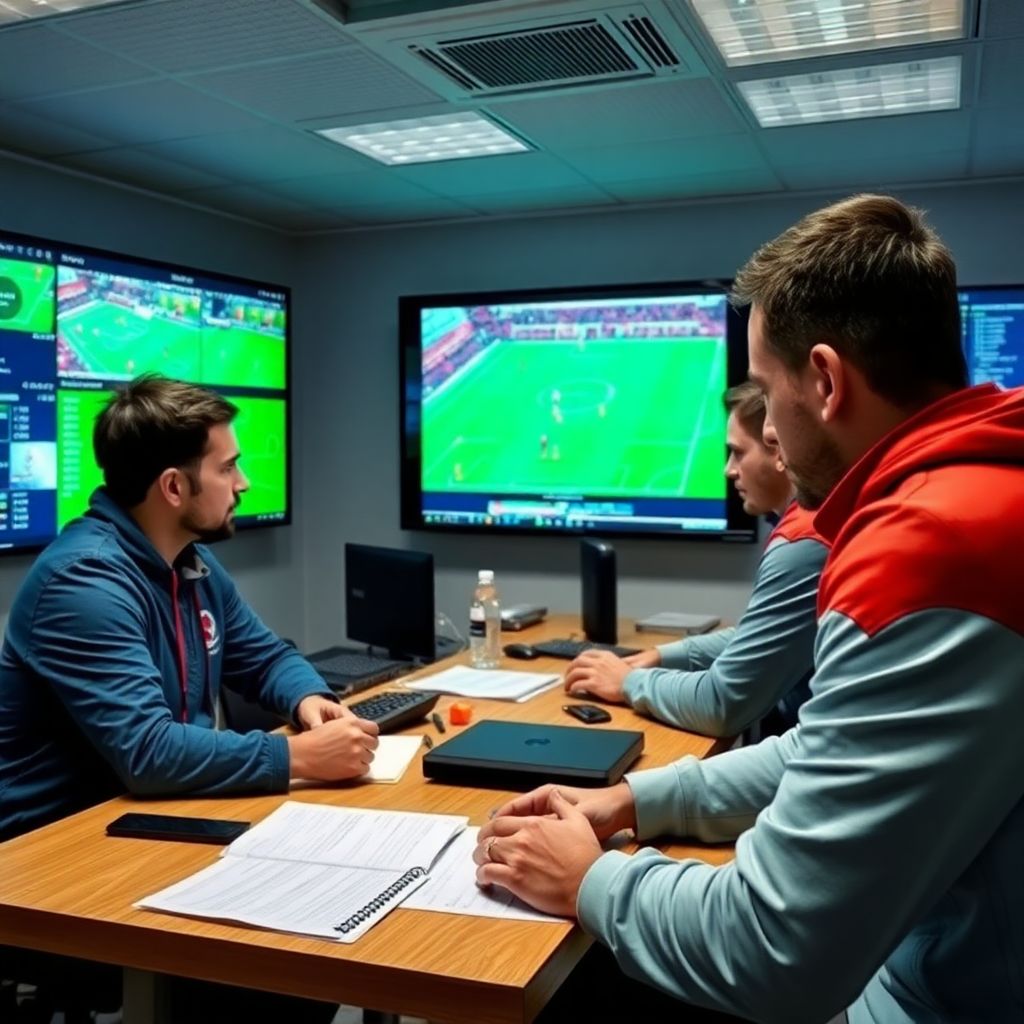
Data-driven football in Turkey means using advanced metrics from tracking, event data, and video to plan tactics before matches, not just reviewing highlights after. Coaches combine football performance analysis tools for coaches with staff expertise to design game plans, press triggers, and set-piece routines tailored to each opponent’s specific strengths and weaknesses.
Core Metrics That Drive Tactical Decisions in Turkey
- Expected goals and shot quality to judge how dangerous your attacks and defensive concessions actually are.
- Field tilt and final-third entries to measure territorial control beyond raw possession.
- Pressing intensity and pass height to tune when and where to press opponents.
- Progressive passes, carries, and receptions between lines to evaluate ball progression.
- Defensive line height, compactness, and rest-defense metrics for transition protection.
- Physical outputs (high-intensity runs, repeat sprints) linked directly to specific tactical roles.
Immediate Action Tips for Turkish Coaching Staff
- Start with one core platform: choose reliable football data analytics software Turkey clubs already use locally, then add extra tools only when staff can handle them.
- Define three tactical questions per week (for example, “How do we stop switches to their left winger?”) and request only the metrics that answer those questions.
- Standardise a simple pre-match pack: one page of numbers, one of video stills, one of clear coaching points for players.
- Work with sports analytics services for football clubs in Turkey to translate complex reports into training exercises and constraints in small-sided games.
- Limit meetings with players to two or three key messages supported by visuals; keep dashboards and detailed tables for staff only.
Myths First: Debunking Common Misconceptions About Analytics in Turkish Football
In Turkish football, “data-driven” is often misunderstood as replacing coaching intuition with computers. In practice, advanced metrics simply give coaches better information before they make tactical decisions. The most successful Süper Lig and 1. Lig setups use numbers to narrow options, then rely on football knowledge to select the final plan.
Another common myth is that analytics equals buying an expensive advanced football statistics platform subscription and waiting for automatic answers. These platforms are only tools; value comes from asking sharp questions, building repeatable workflows, and integrating outputs into training and matchday processes. Without that, dashboards become ignored decorations.
Many staff in Turkey also fear that metrics will expose or undermine them. In reality, well-run departments use data to support coaches: highlighting what already works, making individual instructions clearer, and backing decisions when results temporarily dip. When analytics teams stay close to the dressing room culture, trust tends to increase, not decrease.
Finally, data-driven tactics are sometimes seen as “foreign imports” that do not fit local styles. Yet Turkish clubs already track GPS, video, and opponent patterns; advanced analytics is simply the next step in using the same information more systematically for tactical preparation, scouting, and player development.
Which Advanced Metrics Turkish Coaches Actually Rely On (and Why)
- Expected Goals (xG) and Expected Threat (xT): Used to judge whether a game plan is creating genuinely dangerous chances or just low-quality shots from distance, and to see which zones generate threat against specific Süper Lig opponents.
- Pressing Metrics (PPDA, high regains, press success rate): Help decide suitable pressing heights and triggers, particularly against teams that build short from the goalkeeper. These metrics link directly to training on coordinated jumps and cover shadows.
- Field Tilt and Box Entries: Show whether territory is controlled in meaningful areas. Coaches check sustained possession in the final third and penalty-area entries to validate whether their attacking structure is pinning opponents back.
- Progressive Actions: Progressive passes, carries, and receptions between lines reveal who actually breaks pressure and advances the ball. This shapes role definitions for eights, full-backs, and wingers in build-up.
- Defensive Line and Compactness Indicators: Metrics for average line height, vertical and horizontal distances help balance aggressive pressing with protection against balls in behind, a frequent issue on Turkish pitches and in hot-weather fixtures.
- Load and Sprint Metrics Tied to Roles: Rather than generic distance totals, coaches monitor position-specific high-intensity efforts and repeated sprints to verify that tactical demands are realistic for the squad profile.
The Data Pipeline in Turkey: From GPS Trackers to Match-Event Tagging
Elite Turkish clubs increasingly follow a structured pipeline. During training and matches, GPS trackers and optical systems record physical and positional data, while broadcast or tactical cameras capture video. This raw material feeds into football performance analysis tools for coaches, where analysts tag actions and align everything to tactical contexts.
On matchday and immediately after, event data providers deliver pass, shot, duel, and pressure events. Analysts clean and verify this data, then combine it with tracking information to build richer views such as pressing traps, rest-defense positions, and running lanes for overlaps. Quality control at this step is critical for trust.
Next, pre-set scripts and models transform data into actionable outputs: shot maps, buildup chains, pressing maps, and physical profiles. These are filtered into compact reports for technical staff. Clubs using external sports analytics services for football clubs in Turkey often outsource this modelling layer to keep internal staffing lean.
Finally, coaching staff select what reaches players. Short video clips synced with key metrics go into pre-match presentations, while individual clips and numerical benchmarks are sent to players on mobile devices. Data that does not directly influence behaviour on the pitch remains in back-end databases for longer-term trend analysis.
Turning Numbers into Plans: How Metrics Shape Defensive and Offensive Tactics in the Süper Lig
- Benefits of integrating metrics into tactical design
- Aligns match plans with objective evidence about how opponents actually attack and defend, not reputation.
- Helps identify underused strengths, such as a full-back who quietly ranks highly for progressive passes.
- Improves set-piece design by revealing vulnerable zones and marking habits in opponent structures.
- Supports in-game adjustments with live or near-live feedback on pressing success and territorial control.
- Enables post-match debriefs to focus on causes (spacing, timing, structure) rather than just results.
- Limits and risks when over-relying on advanced metrics
- Context loss if staff read metrics without video and tactical understanding, leading to wrong conclusions.
- Small-sample noise, especially early in the season, can exaggerate trends and push overreactions.
- Model assumptions from global providers may not fully capture specific Süper Lig playing conditions.
- Information overload for coaches and players if reports are not prioritised and simplified.
- Cultural resistance in some dressing rooms when data is presented as absolute truth instead of support.
Recruitment and Youth Pathways: Statistical Profiles That Predict Long-Term Value
- Myth: “Good highlight videos mean good signing.” Relying on clips alone ignores consistency, decision-making under pressure, and off-ball work. Robust profiles look at actions per 90, repeatability across contexts, and how a player’s style fits your tactical model.
- Myth: “Physical monsters always translate to higher levels.” Raw speed and size help, but without metrics on positioning, scanning, and progressive contribution, many physically dominant youth players stall when the game becomes more tactical.
- Mistake: Copy-pasting foreign data templates. Importing models without adapting to Turkish league tempo, pressing intensity, and refereeing styles can misjudge both domestic and foreign players. Local calibration is essential.
- Mistake: Evaluating youth only by goals and assists. For academy forwards and attacking midfielders, expected contribution, shot locations, and involvement in high-value sequences are more predictive of future impact than raw box-score numbers.
- Myth: “Analytics is only for transfers, not development.” In reality, data can track whether specific training targets (weaker foot usage, pressing intensity, passing risk profile) are improving month by month in youth teams.
Step-by-Step Playbook: Building a Sustainable Data-Driven Tactical Cycle for Mid-Level Clubs
Mid-level Turkish clubs often cannot afford full in-house departments, but they can still run an effective data-driven cycle by combining lean internal staff with targeted external help such as data-driven tactics consulting for football teams. The key is to protect a simple, repeatable rhythm across the season.
- Define your core tactical identity. Decide your default defensive height, pressing triggers, and main attacking patterns. All analytics work should support these principles rather than chase every weekly trend.
- Choose a focused tool stack. Start with one main platform or an advanced football statistics platform subscription, add GPS tracking, and, if needed, partner with sports analytics services for football clubs in Turkey instead of hiring a large internal team immediately.
- Standardise the pre-match workflow.
- Day -4: Analysts prepare opponent metric overview and key video clips.
- Day -3: Staff meeting decides three main tactical priorities.
- Day -2 and -1: Training sessions reproduce opponent patterns and your planned responses.
- Link each metric to a drill. For example, if data shows poor control of crosses, design a positional game where wide overloads and box defending scenarios repeat the issue you want to fix.
- Review and refine after each match. Compare planned metrics (for example, press intensity and field tilt) with actual outputs. Adjust upcoming training, but avoid rewriting your whole game model after one bad result.
- Document and educate. Keep a shared playbook explaining how to read your main metrics and how they map to tactical choices. This reduces dependence on any single analyst and helps new staff integrate quickly.
Over a season, even a modest staff using well-chosen football data analytics software Turkey vendors provide can build a powerful loop: measure, understand, train, and measure again. The clubs that stick to this rhythm usually gain a structural edge in preparation, even without the largest budgets.
Targeted Clarifications on Deploying Analytics in Club Environments
How can a small Turkish club start with analytics on a low budget?
Begin by defining a narrow set of questions around tactics and recruitment, then use affordable public data or entry-level tools. Outsource deeper modelling and custom reports to external providers instead of hiring multiple full-time analysts immediately.
How often should coaches look at detailed metric reports?
Coaches do not need full dashboards every day. A concise pre-match pack, a targeted live or half-time snapshot, and a short post-match debrief are usually enough, with analysts handling deeper trend work in the background.
Do players in Turkey really accept data-based feedback?
Acceptance depends on delivery. When feedback is specific, linked to video, and clearly connected to improving contracts and careers, most players in Turkish squads respond positively, especially younger ones used to digital tools.
Is it necessary to buy multiple platforms and services?
No. One solid core system plus clear processes beats a pile of disconnected tools. Add extra platforms only when existing ones are fully integrated into tactical meetings, training design, and recruitment decisions.
How do we protect tactical data from leaking to rivals?
Limit access rights, centralise storage, and agree clear policies on sharing reports. Use anonymised views when working with external consultants and ensure staff contracts include confidentiality clauses related to club data.
Can analytics help during live matches in Turkey’s leagues?
Yes, if regulations and stadium infrastructure allow near-real-time data. Even basic live counts of pressing success, final-third entries, and crosses conceded can guide in-game adjustments and substitutions.
What skills should a first analytics hire at a Turkish club have?
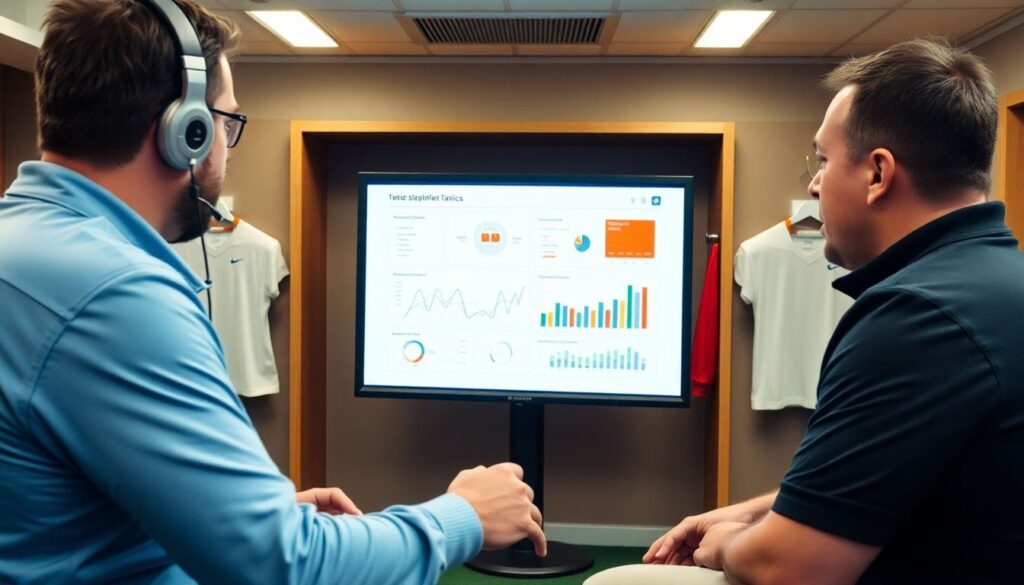
Look for a profile that combines basic coding and data handling with strong communication and tactical understanding. The ability to translate metrics into simple football language is more valuable than advanced modelling alone.