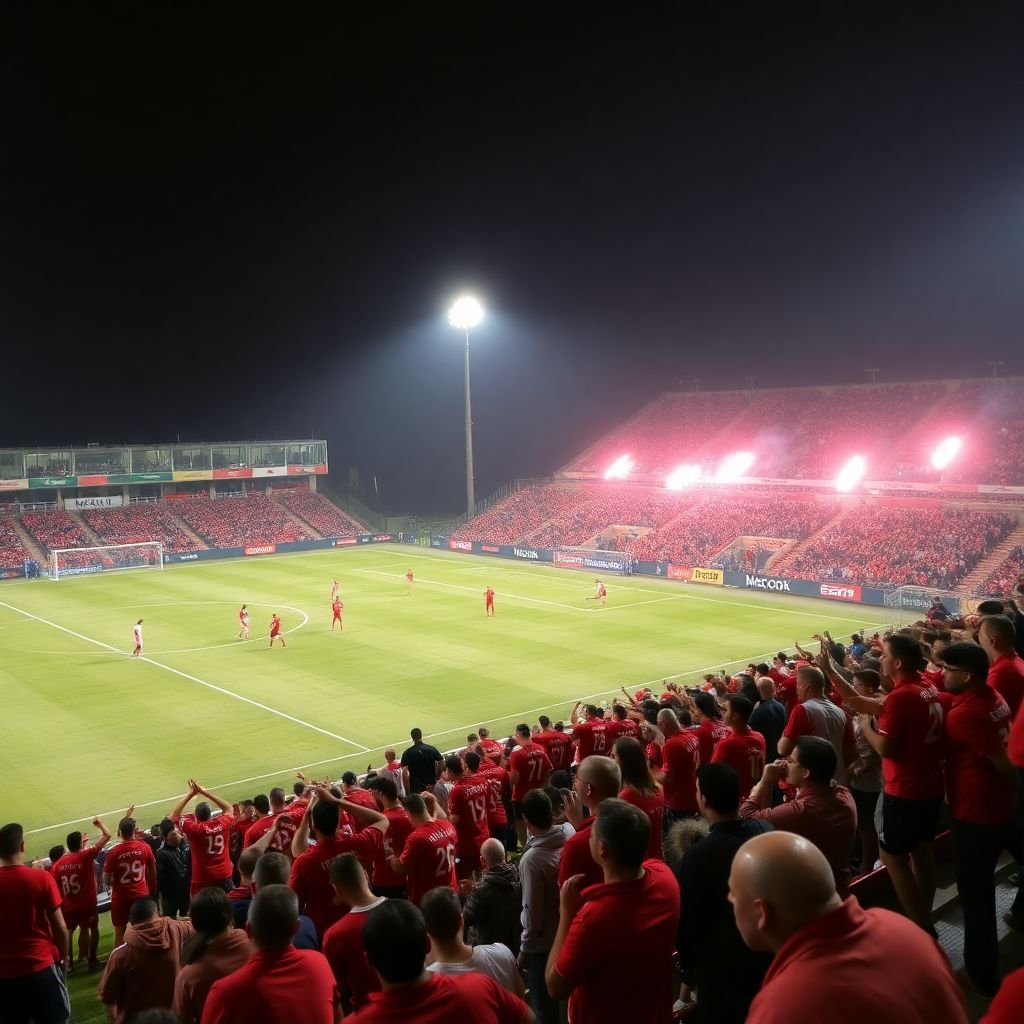
Some Turkish football teams excel in European competitions because they combine tight defensive organization, aggressive transitions, hostile home atmospheres and tailored match plans against specific opponents. The best Turkish clubs in UEFA Champions League and Europa League minimise space centrally, overload wings, exploit set-pieces, and avoid emotional, end‑to‑end games against technically superior sides.
Foundational Tactical Drivers of Turkish Clubs’ European Edge
- Compact defensive blocks that deny central progression and force low‑percentage crosses.
- Fast, rehearsed counterattacks launched the moment possession is regained.
- Disciplined pressing triggers instead of constant, chaotic pressing.
- Wing overloads using full‑backs and inverted wingers to isolate weak defenders.
- Detailed set‑piece menus adapted to each European opponent.
- Coaches willing to adjust shape between domestic league and Europe.
Defensive Organization and Rapid Transition
In European games, defensive organization for Turkish sides means maintaining a compact block, usually 4‑2‑3‑1 or 4‑1‑4‑1, with clear vertical and horizontal distances between lines. The priority is to protect the central channel, keep the back four narrow, and show opponents towards the wings where their attacks are more predictable.
A frequent mistake when analysing the history of Turkish teams success in European cups is to focus only on emotion or atmosphere and ignore structure. The real difference often lies in how the double pivot screens passing lanes, how the back line tracks third‑man runs, and how the team avoids being stretched by switches of play.
Rapid transition is the second pillar. Well‑prepared sides pre‑define outlets (usually wide forwards and a high “9”) before the game. Upon regaining the ball, the first pass is vertical or diagonal forward, not a safe backwards pass. Problems appear when central midfielders hesitate, or when wide players start too deep and cannot support the break.
In most successful cases in the tactical analysis of Turkish football clubs in Europe, the transition pattern is simple: win the ball in a side trap, play quickly into the feet or into space for the striker, then attack the weak‑side full‑back with the far winger arriving late.
- Define ideal vertical and horizontal distances between lines (and train them with constraints).
- Drill “win‑and‑play‑forward” habits for the first two passes after regains.
- Assign clear counter channels for each winger and for the centre‑forward.
- Review video to cut out unnecessary sideways passes after winning the ball.
Pressing Triggers, Zones and Midfield Compactness
Understanding why Turkish teams perform well in Europe analysis usually starts from pressing. Strong teams do not press all the time; they press on specific triggers and in pre‑defined zones, with midfield compactness preventing splits between the lines. When these elements are missing, teams get played through and chase shadows.
- Goalkeeper and back‑pass triggers: Press starts when the ball returns to the goalkeeper or a centre‑back facing his own goal. Frequent error: one forward sprints alone while the rest stay deep, leaving easy passing options open.
- Sideline traps: Many Turkish football teams in European competitions steer play to the touchline and then press aggressively. The mistake is allowing the opponent to switch play easily with no pressure on the ball carrier or on the pivot receiving inside.
- Pressing from cover shadows: Midfielders block vertical lanes with their body orientation. Common error: they chase the ball instead of holding positions that deny passes between the lines.
- Compactness between lines: The space between defensive and midfield lines must be small. Problems appear when the back four drops too early, leaving the “10” space open for opponents to receive on the half‑turn.
- Rest defence behind the press: While pressing, at least two defenders must be ready to deal with long balls. A recurring mistake is full‑backs pressing too high simultaneously, leaving both channels exposed.
- Intensity management: Intelligent teams press in waves, not continuously. Without this, energy drops after 60 minutes and the press becomes late and foul‑prone.
- Define 2-3 core pressing triggers and rehearse them repeatedly in training.
- Measure and correct distances between defence and midfield in video sessions.
- Keep at least two defenders plus one midfielder in rest‑defence positions when pressing.
- Plan substitution patterns to maintain pressing intensity for 90 minutes.
Wings: Full-back Overloads and Inverted Wide Forwards
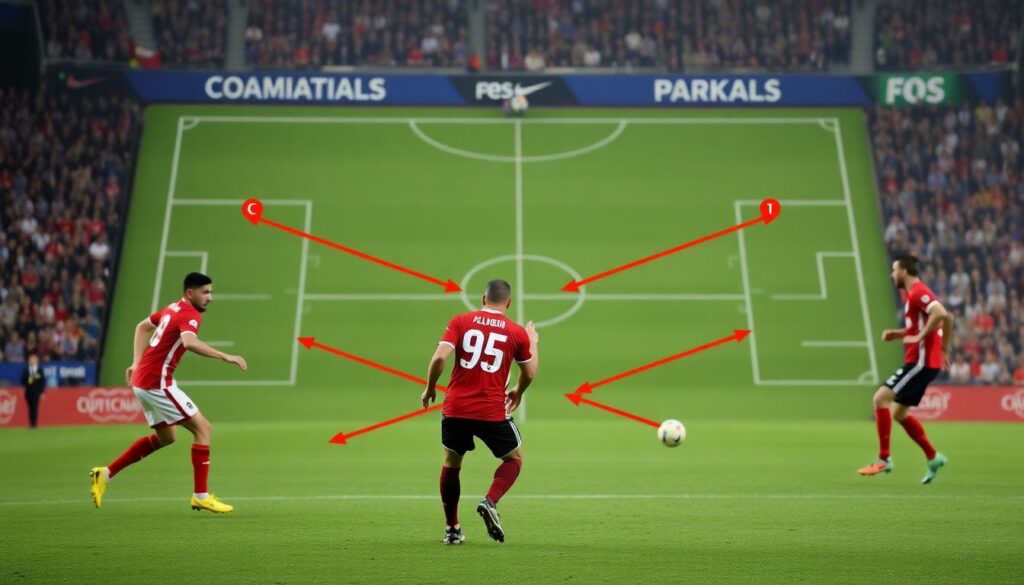
On the wings, many of the best Turkish clubs in UEFA Champions League and Europa League gain advantage by creating 2v1 or 3v2 overloads. Full‑backs push high to support inverted wingers, who move inside to receive between lines or attack half‑spaces, rather than staying glued to the touchline.
A first common error is poor timing of full‑back runs. If the full‑back goes too early, he is easily followed and the overload disappears; if he goes too late, the winger is isolated and forced backwards. The solution is to cue the run on the winger’s body shape or on a specific pass (for example, when the pivot opens up to play wide).
Another problem scenario occurs when inverted wingers drop too deep, ending up on the same line as their full‑backs. The team then loses presence in the box and transitions become slower. To fix this, coaches can set minimum starting heights for wide forwards and use constraints in rondos and positional games that reward receiving between lines.
Against European teams who defend compact centrally, wing overloads should end with quick changes of tempo: 2-3 short passes to attract defenders, then a fast switch to the opposite side or a diagonal ball behind the full‑back. Slow, predictable circulation lets opponents reset and kills the advantage.
- Define triggers for full‑back overlaps and underlaps relative to the winger’s actions.
- Set positional “zones” for inverted wingers to ensure presence between lines and in the box.
- Train patterns that finish wing overloads with fast switches or diagonal balls, not endless recycling.
- Review clips where wingers receive isolated and redesign support angles.
Set-piece Planning, Rehearsed Routines and Opponent Profiling
Set‑pieces are a major weapon in the tactical analysis of Turkish football clubs in Europe, especially away from home where open‑play chances are fewer. Well‑coached teams carry a small, well‑rehearsed playbook: near‑post blocks, far‑post screens, short‑corner variations, and specific marking assignments for defensive set‑plays.
Opponent profiling is central here: staff study how rivals defend corners (zonal, man‑to‑man, mixed), which players lose focus, and where space tends to appear. A frequent mistake is copying domestic routines without adjusting to European opponents with different physical profiles and defensive schemes.
Benefits of structured set-piece work
- Higher goal threat even in matches with low possession or few shots.
- Ability to change game momentum with rehearsed routines after periods of pressure.
- Greater clarity for players, reducing confusion and marking errors under stress.
- Opportunity to exploit specific mismatches (for example, weak zonal markers) repeatedly.
Constraints and typical limitations
- Overloading the playbook with too many variants players cannot remember.
- Neglecting the second ball and rest‑defence positions, leading to counters after own corners.
- Relying exclusively on high crosses, ignoring short routines when facing taller opponents.
- Failing to update routines across the season as opponents collect video and adapt.
- Limit the active set‑piece menu to a few well‑drilled routines per match.
- Assign clear individual roles (blockers, screeners, attackers, second‑ball cover).
- Prepare at least one opponent‑specific routine for corners and one for wide free‑kicks.
- Analyse every conceded chance from set‑plays and adjust zones or match‑ups promptly.
Managerial Structures: Roles, Instructions and In-game Adjustments
Success in Europe depends not only on tactics but on how staff structures decision‑making and communication. Problems often appear when domestic habits are copied directly into Europe without adaptation. The history of Turkish teams success in European cups shows that the most effective managers simplified roles and clarified responsibilities under pressure.
Common mistakes and myths
- Myth: “Europe requires all‑out attack” – Over‑committing numbers forward against organised sides leads to transitions conceded. Controlled aggression with rest‑defence is more effective.
- Unclear player roles – Midfielders unsure whether to press or screen, full‑backs unsure when to join attacks. This indecision creates gaps more dangerous than any single technical mistake.
- Late or cosmetic substitutions – Coaches wait too long to add an extra midfielder or adjust the press, making only like‑for‑like changes when the problem is structural.
- Overloading players with information – Long pre‑match meetings and complex diagrams confuse players. Better to highlight 2-3 key tactical cues and repeat them consistently.
- Ignoring staff specialisation – Strong European campaigns usually have a clear division: one assistant for set‑pieces, one for out‑of‑possession, one for opposition analysis.
- Define simple, role‑based instructions for Europe (for example, “6 screens, 8 presses on back‑pass”).
- Plan pre‑defined in‑game adjustments (extra midfielder, shape change) before the match.
- Use brief, focused video clips instead of long theoretical meetings.
- Clarify staff responsibilities for set‑pieces, pressing and opposition scouting.
Tactical Flexibility Against Possession and Counterattacking Systems
Different European opponents demand different approaches: high‑possession sides punish loose blocks; counterattacking teams exploit reckless pressing. Flexible Turkish football teams in European competitions switch smoothly between mid‑block, high press and deeper 4‑4‑2, often within one match, depending on scoreline and opponent behaviour.
Imagine a home match against a possession‑heavy opponent:
- First 15 minutes: 4‑2‑3‑1 mid‑block, pressing only on back‑passes to centre‑backs.
- Minutes 15-60: selective high press after goal kicks, aiming for regains near the box.
- Final 30 minutes with a lead: 4‑4‑2 with wide players deeper, focusing on protecting half‑spaces and countering through one side.
Away to a strong counterattacking team, the plan reverses: maintain secure rest‑defence, avoid risky central passes, and control tempo even when dominating the ball. A common error is trying to “dominate” with constant forward passes, instead of creating calculated overloads and then attacking spaces at the right moment.
- Prepare at least two out‑of‑possession shapes and train the switch during small‑sided games.
- Define clear principles for protecting against counters (number of players behind the ball).
- Use match‑state rules: for example, deeper block when leading by one goal after 70 minutes.
- Adjust ball circulation speed depending on opponent type (possession vs counterattacking).
Quick Self-Diagnostic Checklist for Coaches and Analysts
- Can every player explain in one sentence their role in pressing and in defensive transition?
- Do you have at least two rehearsed counterattack patterns and two set‑piece routines tailored to your next European opponent?
- Are wing overloads and full‑back runs clearly triggered, or based on improvisation?
- Can your team switch formation in‑game without losing compactness for more than 2-3 minutes?
- Do post‑match reviews focus on distances, triggers and roles, not just on effort and emotion?
Common Practical Questions About Applying These Tactical Approaches
How can a mid-level Turkish club start closing the gap in Europe quickly?
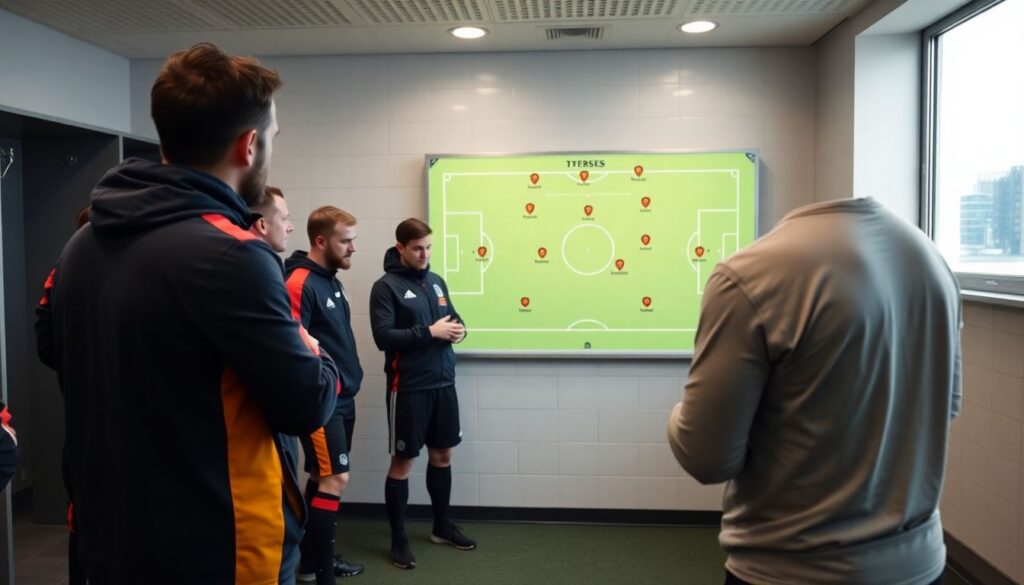
Begin with defensive compactness and set‑pieces. Define one main block shape, rehearse 2-3 pressing triggers, and build a small set‑piece playbook. These steps cost little, stabilise performances, and make your team harder to beat even against technically stronger opponents.
What is the fastest way to fix problems with counterattacks conceded?
Audit rest‑defence positions in video: count how many players are behind the ball when you lose it. Then impose rules for full‑backs and one midfielder always staying as cover, and reduce risky central passes when your structure is open.
How detailed should our European match plans be for players?
Keep the plan simple: no more than three key points for each phase (out of possession, in possession, set‑pieces). Use clear phrases and consistent terminology so players remember under pressure, and reinforce them with short clips instead of long talks.
Do we need to change formation from the domestic league for Europe?
Not always, but you often need different behaviours. You can keep the same base formation but adjust line heights, pressing triggers and player roles. Change formation only if it clearly solves a structural problem you cannot fix with role tweaks.
How much should we adapt to each European opponent?
Keep 70-80 percent of your core principles and adapt the rest. Focus adjustments on pressing zones, how you protect against their main threat, and which set‑piece routines best fit their weaknesses, rather than reinventing your entire style every match.
What if players resist a more controlled, less emotional style in Europe?
Explain the connection between control and winning, using clips of successful Turkish campaigns. Build habits gradually in training games with constraints, and reward smart decisions in reviews so players see that discipline is valued, not just effort.
How can analysts best support the head coach for European ties?
Provide concise opposition reports with three main threats and three exploitable weaknesses, plus clear visualisations of pressing and set‑piece patterns. During and after matches, focus feedback on how well agreed triggers and distances were respected.