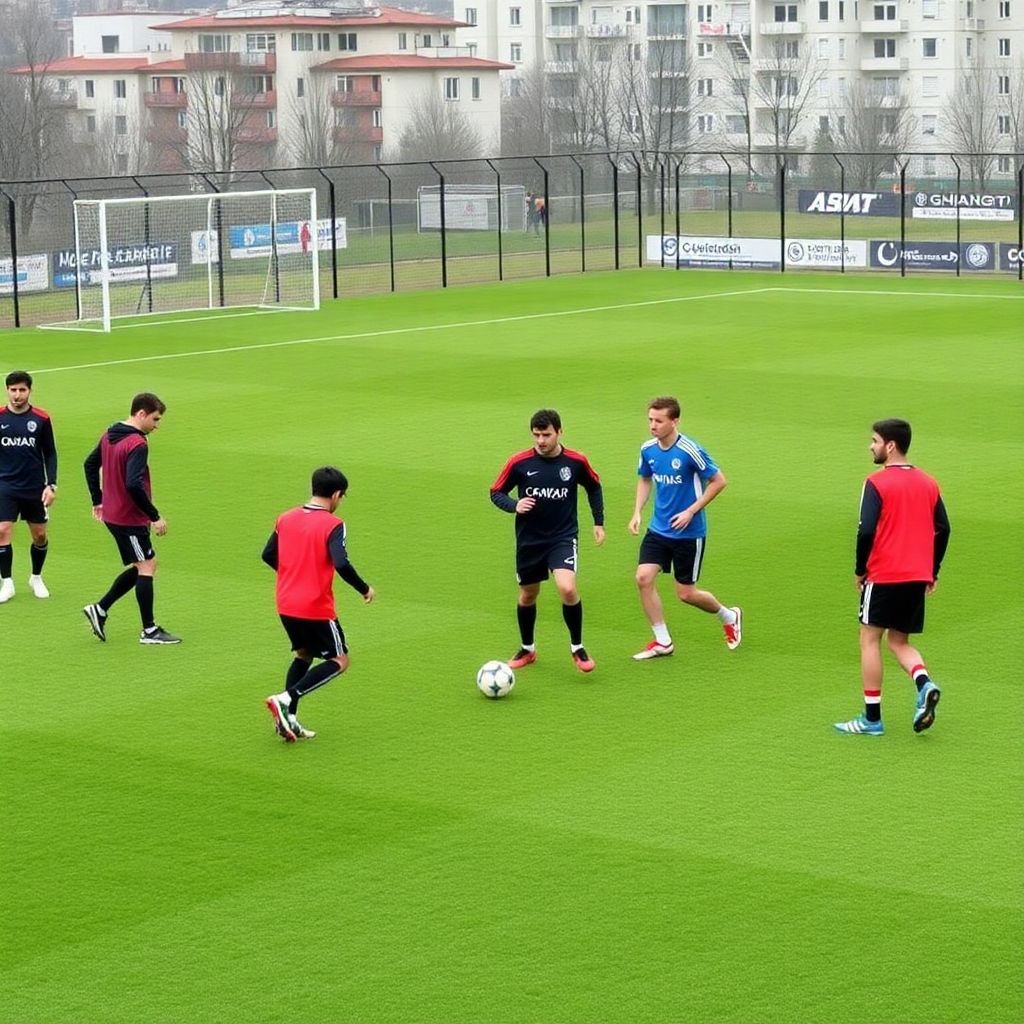
Big Turkish clubs develop young talent through structured scouting, long-term training plans, strict medical and physical protocols, strong school support, and controlled pathways into professional teams. This guide explains how Galatasaray, Fenerbahçe and Beşiktaş academies typically work and how you can design a safe, realistic model inspired by them for your own context.
Executive summary of youth development models
- Scouting is nationwide, multi-layered and starts early, but late developers are kept in the system through flexible entry points and regular reassessment.
- Training is built on periodisation, with clear technical progressions, limited weekly load and one rest day to reduce injuries and burnout.
- Medical and physical departments screen players, monitor growth and create individual prevention plans instead of copying first-team programs.
- Mental skills, education and safeguarding are now core: school-club cooperation, psychological support and strict protection policies.
- Bridging to pro level uses reserve teams, carefully chosen loans and gradually increasing exposure to first-team training.
- Success is measured with mixed KPIs: player graduation, wellbeing, minutes in pro football and financial return on developed players.
Scouting and recruitment: identifying talent across Turkey
Elite academies in Turkey use layered scouting networks combining regional scouts, school relationships and open turkish football academy trials. This model suits clubs, private academies and serious amateur setups that can guarantee education, transport and basic medical cover.
You should avoid copying big-club recruitment if you:
- Cannot provide safe travel, appropriate training surfaces and qualified coaching for children.
- Lack access to school coordination, making regular attendance and exams difficult.
- Plan to over-train kids to win youth leagues instead of developing long-term potential.
- Depend on aggressive selection and cutting players quickly without any welfare support.
To build a realistic scouting model inspired by the best football academies in turkey:
- Define target age groups and profiles: e.g. U10-U12 introductory, U13-U15 development, U16-U19 professional preparation.
- Use mixed entry channels: school tournaments, local club partnerships, periodic open days and invitations from regional scouts.
- Observe players in multiple environments: match play, small-sided games, physical tests and behaviour at school or dorms if relevant.
- Rate four areas consistently: game understanding, technical base, movement quality and mentality (coachability, resilience, respect).
- Re-open the door: schedule mid-season and end-of-season reviews so late developers or previously rejected players can be re-evaluated.
When families ask how to join turkish football club academy structures, explain that selection is usually based on club scouting plus trials, not payment, and that education and character matter alongside talent.
Training curriculum: periodisation, technical progressions and session design
To run a safe, professional-style curriculum similar to what you might see in a turkey professional football training camp, you need specific resources and structures.
Core requirements and infrastructure
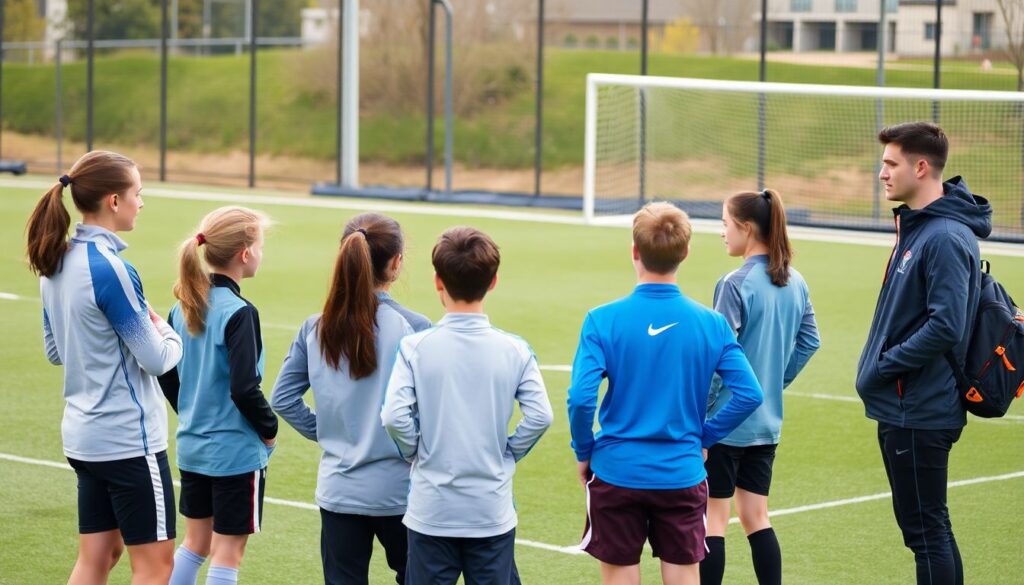
- Qualified staff
- Lead coaches with national licenses and experience in youth development, not only adult football.
- Goalkeeper coach, fitness coach and access to a physio or sports doctor where possible.
- Part-time psychologist or school counsellor for mental skills and safeguarding escalation.
- Facilities and equipment
- Safe pitches with shock-absorbing surfaces, adequate lighting and changing rooms.
- Basic fitness area, cones, poles, mini-goals, heart-rate or GPS (optional but useful at older ages).
- Video capture tools (even simple cameras) for analysis and feedback.
- Education and safeguarding framework
- Formal agreements with schools to coordinate schedules and exams.
- Written safeguarding policy, reporting procedure and staff background checks.
- Parental communication plan: meetings, progress reports, and emergency contacts.
- Curriculum and periodisation tools
- Long-term plan by age-group: technical, tactical, physical and mental objectives.
- Annual and monthly periodisation charts balancing load, recovery and exams.
- Session templates that include warm-up, main part, position-specific work and cool-down.
Example weekly microcycle for U15-U16 (in-season)
This is a safe, reproducible template you can adapt. It assumes one match per week and prioritises injury prevention and school balance.
| Day | Focus | Typical Content | Risk-control notes |
|---|---|---|---|
| Monday | Recovery + technique | Light rondos, mobility, individual ball work, small-sided games. | Keep intensity low after weekend match; 60-75 minutes max. |
| Tuesday | Strength + speed foundations | Bodyweight strength, core stability, short accelerations, coordination. | No heavy lifting; supervise all jumps and sprints carefully. |
| Wednesday | Tactical team training | Game model work, unit tactics, 8v8 or 11v11 on reduced pitch. | Manage volume of high-speed runs; monitor fatigue signs. |
| Thursday | Position-specific + finishing | Lines/units work, crossing-finishing, build-up under pressure. | Limit heading volume, especially for younger age groups. |
| Friday | Pre-match activation | Short, sharp session, set pieces, restarts, light tactical reminders. | Intensity moderate, volume low; finish early for mental freshness. |
| Saturday | Match | Official game or internal 11v11. | Hydration plan, warm-up protocol, post-match cooldown. |
| Sunday | Full rest | No organised training; optional light walk or stretching. | Communicate that rest is part of development, not laziness. |
Comparative training approaches: Galatasaray, Fenerbahçe, Beşiktaş
The following table summarises typical tendencies you might observe if you studied a galatasaray fenerbahce besiktas youth academy program, based on public information and widely discussed practices, not secret internal data.
| Aspect | Galatasaray | Fenerbahçe | Beşiktaş |
|---|---|---|---|
| Scouting emphasis | Strong Istanbul and Marmara focus with regional hubs. | Broader Anatolian outreach and school tournaments. | Urban centres plus targeted regional partnerships. |
| Game model | Possession with structured build-up. | High-intensity pressing and vertical play. | Balanced style, adaptable to opponent. |
| Physical development | Gradual strength with strong injury monitoring. | Emphasis on intensity and competitiveness. | Focus on movement quality and robustness. |
| School cooperation | Close links with selected schools. | Academy-school programs and tutoring. | Support for exams and alternative career paths. |
| Transition to pro | Reserve team + strategic loans. | Early exposure to first-team training. | Gradual integration and selective loans. |
Medical, physical conditioning and injury prevention protocols
Before applying medical and physical protocols inspired by the best football academies in turkey, recognise key risks and limits.
- Copying adult training can overload growing bodies and cause long-term damage.
- Ignoring growth spurts increases risk of muscle strains and overuse injuries.
- Poor communication between coach, physio and parents leads to players hiding pain.
- Over-competition (too many matches, tournaments or trials) accelerates burnout and drop-out.
- Lack of rest and sleep undermines both performance and injury prevention.
Use the following step-by-step structure as a safe blueprint. Always adapt to medical advice from qualified professionals.
- Set up basic medical screening
Every player should complete a pre-participation check with a doctor familiar with sports. Collect history of injuries, asthma, allergies and heart issues. Renew checks periodically, especially during puberty. - Monitor growth and maturation
Track height and body mass several times per year. When growth accelerates, reduce high-impact load (jumps, sprints, hard surfaces) and increase mobility and coordination work to protect joints and tendons. - Build age-appropriate strength foundations
Use bodyweight, bands and simple resistance exercises with strict technique and supervision. The goal is control and movement quality, not heavy lifting or bodybuilding. - Implement a structured warm-up protocol
Design a 10-15 minute routine before every session and match:- Light jogging and dynamic mobility (hips, ankles, shoulders).
- Activation (core, glutes, hamstrings) with controlled movements.
- Progressive runs and football actions (changes of direction, short accelerations).
This reduces muscle injuries and prepares players mentally.
- Plan weekly load and recovery
Use the microcycle example above as a guide. Avoid hard sessions on consecutive days for younger age groups and always include at least one full rest day. - Set clear return-to-play criteria
After injury, players should pass through stages: pain-free daily life, basic fitness, individual football drills, and finally full training. Do not rush them back for an important match. - Educate players and parents on health habits
Provide simple guidance on sleep, hydration and nutrition using non-technical language. Emphasise honest reporting of pain or discomfort instead of hiding injuries.
Mental skills, education and safeguarding in the academy environment
Use this checklist to evaluate whether your environment is safe, educational and mentally healthy.
- Every player is enrolled in school and attendance is monitored jointly by club and family.
- Training and match schedules avoid major exam periods wherever possible.
- There is a written safeguarding policy visible to staff, players and parents.
- All staff have clear behaviour standards, and players know how to report concerns.
- Basic mental skills (goal-setting, dealing with mistakes, communication) are introduced in age-appropriate workshops.
- Selection and deselection decisions are communicated respectfully, with explanation and next steps.
- Players have at least one trusted adult at the club (coach, tutor, psychologist) they can speak to confidentially.
- Criticism focuses on behaviours and actions, not personality or background.
- Psychological load is managed: no constant threats of being cut, no public humiliation.
- There is a plan for players who do not become professionals: education pathways and life skills training.
Bridging to pro level: reserve teams, loans and first-team integration
Clubs that successfully move teenagers into pro football while limiting burnout and psychological damage avoid certain common mistakes.
- Rushing players into first-team exposure to satisfy fan pressure or media hype.
- Sending players on random loans without checking playing style, coach, or minutes they are likely to receive.
- Ignoring physical readiness: big jump in intensity from academy to pro level without adapted strength work.
- Dropping education and life skills once a player signs a professional contract.
- Focusing only on one position too early, limiting tactical understanding and adaptability.
- Failing to communicate a clear individual plan: players do not know where they stand or what to improve.
- Overloading young talents with marketing, social media and commercial activities.
- Not protecting young players during difficult periods (injury, loss of form, coaching changes).
Measuring success: KPIs, data analytics and long-term return on investment
You can measure academy impact in different ways, and each approach suits different club realities.
- Player-centered development metrics
Track how many academy players reach the senior squad, how long they stay at professional level and their wellbeing indicators. This suits clubs that see themselves as community developers, not just talent sellers. - Financial and transfer-focused KPIs
Measure transfer income, savings on transfer fees and wage efficiency generated by academy graduates. This fits clubs that rely on player trading but must be balanced with welfare indicators to avoid exploitation. - Hybrid performance model
Combine playing minutes, match impact statistics, academic achievement and health data. This balanced approach mirrors large-club practice and should be the target for anyone modelling their setup on a galatasaray fenerbahce besiktas youth academy structure. - Regional development partnerships
For smaller clubs or schools feeding into bigger academies, success might be measured by how many players progress to higher levels or are invited to turkish football academy trials at leading clubs.
Practical questions from coaches, parents and academy managers
How can a parent safely support a child who wants to join a big-club academy?
Ensure school remains a priority, check safeguarding policies, and verify that training load is age-appropriate. Ask for clear communication channels with coaches and medical staff before committing.
What is the realistic pathway from a small local club into a top Turkish academy?
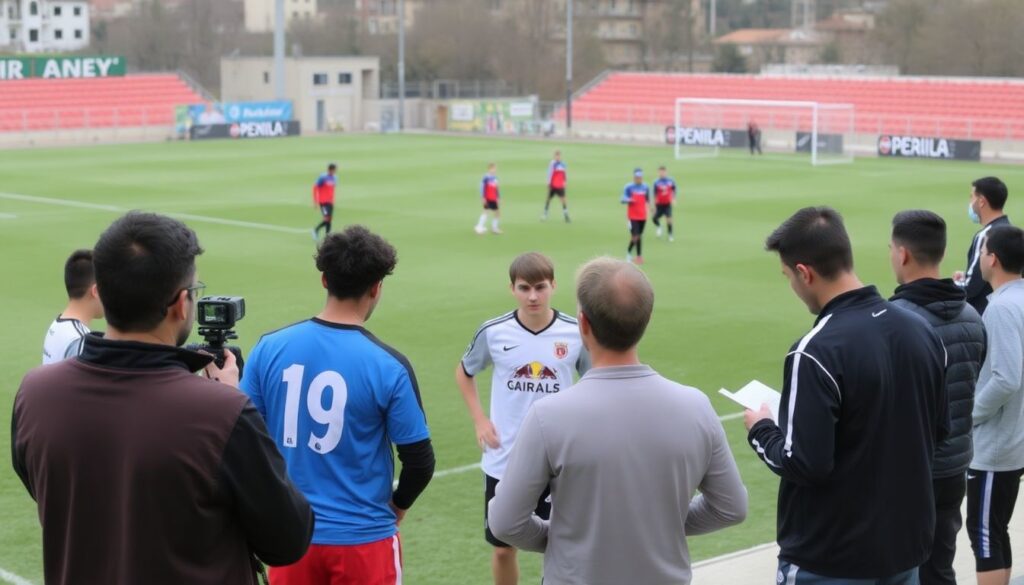
Most players are spotted via local leagues, school competitions and regional tournaments. Maintain high training standards, record matches when possible and keep contact with scouts; then target well-organised turkish football academy trials rather than random events.
How many training sessions per week are safe for teenagers?
It depends on maturation, school pressure and match load, but a balanced microcycle with at least one full rest day and varied intensity is essential. Avoid stacking hard sessions and additional private trainings without coordination.
Are professional-style training camps helpful for youth players?
A turkey professional football training camp can be useful if it respects age-appropriate load, includes education and recovery, and is supervised by qualified staff. Avoid camps that promise instant contracts or over-loaded daily schedules.
What should a coach do when a player is repeatedly injured?
Reduce load, involve a sports doctor or physio, and review growth data, sleep and stress. Adapt training to focus on safe technical and cognitive work until underlying causes are understood.
How do academies balance winning youth leagues with player development?
Leading academies prioritise learning objectives and minutes for potential talents over short-term trophies. Coaches are evaluated on development indicators as well as results.
Is it necessary to move to Istanbul to reach a top academy?
Not always. Many major clubs have regional centers and partnerships. It is often better to grow in a stable local environment and move only when a clear, supportable opportunity appears.