
For a Turkish player with a limited budget, the most realistic “best” European league is usually Poland’s Ekstraklasa or the Czech First League: solid net salaries, manageable taxes and living costs, plus real resale and promotion routes. Nordics, Austria, Balkans then become targeted steps once you prove yourself.
Practical summary for budget-minded Turkish players

- Start by shortlisting 3-4 underrated European leagues for young Turkish talents that match your position, age and language comfort.
- For overall balance of salary, exposure and stability, Poland and Czechia are currently the most reliable transfer destinations for Turkish footballers in Europe.
- Austria and the Nordic leagues suit players ready for higher physical intensity and stricter professionalism standards.
- Romania, Hungary, Slovenia and Croatia are better for maximum minutes and visibility than for pure salary.
- Always model your net income: taxes, rent, flights to Turkey, visa costs and realistic agent fees.
- Use leagues that are actively European leagues scouting Turkish players as launchpads rather than final destinations.
Poland’s Ekstraklasa: competitive wages, clear promotion routes
Ekstraklasa is often in the conversation when agents talk about the best European football leagues for Turkish players who are realistic about budget and playing time. It balances financial security with a strong shop window toward Germany, Italy and the Netherlands.
- Net salary realism: wages are competitive versus cost of living, but usually lower than Süper Lig top clubs; you trade headline numbers for payment reliability.
- Tax and cost structure: predictable taxation and generally affordable housing and daily expenses compared to Western Europe.
- Playing time probability: clubs often seek physically ready players from Turkey at reasonable salaries; rotation spots are achievable if you adapt quickly.
- Visibility and resale: regular scouting presence from Bundesliga, Serie A and MLS; Ekstraklasa is known as a selling league.
- Style of play and fit: high intensity, direct play, many transitions; suits athletic defenders, box-to-box midfielders and fast wide players.
- Visa and logistics: EU country with relatively straightforward residence permits for professional contracts; good flight connections to Istanbul and Ankara.
- Language and adaptation: English is widely used in football environments; cultural adjustment is easier than in some Eastern European markets.
- Club stability and payment discipline: top and mid-table clubs are generally more reliable on salaries than many smaller European leagues.
- Stepping-stone potential: one strong season in league and cup often triggers concrete interest from stronger European leagues scouting Turkish players.
Czech First League: technical development with low living costs
Czechia is ideal if you prioritise technical development and low expenses while targeting future moves. Compared to other transfer destinations for Turkish footballers in Europe, its main strength is value for money: coaching quality and tactical education are high relative to your total living and career cost.
| Variant | Best suited for | Pros | Cons | When to choose this |
|---|---|---|---|---|
| Czech First League (Fortuna Liga) | Technical players 19-25 needing tactics and minutes | Low living costs, disciplined coaching, reliable payments, regular European competition entries | Media exposure smaller than top-5 leagues, language barrier off the pitch | If you want stable net income, strong training and clear route to Central Europe |
| Poland’s Ekstraklasa | Physically strong players 21-27 seeking a selling league | Higher average wages than many neighbours, intense atmosphere, strong resale culture | Tax and weather conditions can be demanding; pressure from fans is high | If your profile matches a dynamic, high-intensity league and you accept pressure |
| Austria’s Bundesliga | Ambitious starters already near top-league level | Excellent visibility, modern training, frequent European group-stage football | Higher living costs, more competition for foreign spots | If you can handle stricter fitness/discipline and slightly higher relocation budget |
| Nordic Leagues (Norway, Sweden) | Balanced players with strong mentality and physical endurance | Solid net pay, professional environments, good pathway to larger markets | Climate, distance from Turkey and social adaptation can be challenging | If you value stability and are ready for lifestyle change and long travel |
| Romania & Hungary | Players prioritising immediate minutes and rebuilding their careers | High playing-time potential, entry-level contracts often accessible | Club stability varies, some risk of delayed payments | If you need to restart your career and can protect yourself contractually |
| Slovenia & Croatia | Young prospects targeting resale and tactical maturity | Strong youth focus, good coaching, regular transfers to stronger leagues | Initial salaries modest, foreigner spots limited at some clubs | If you are under 23 and ready to trade short-term money for future transfer upside |
Austria’s Bundesliga: stepping stone to Central Europe’s top clubs
Austria’s Bundesliga is a classic target for Turkish player transfers to smaller European leagues that still touch the top level. It mixes high-intensity football, strong sports science and constant scouting from Germany, Switzerland and Italy.
Use these scenario-based guidelines to decide:
- If you are 18-21 and not yet a Süper Lig starter, then a mid-to-lower Austrian club’s second team or a partner club can be your premium development option, but only if they guarantee a clear plan for first-team integration within one to two seasons.
- If you are 21-25 and already playing regularly in Turkey, then target mid-table Austrian sides as a balanced scenario: wages usually higher than Poland/Czechia, but also higher expectations and stricter professionalism.
- If your budget is tight and you need a budget-first solution, then use Austria as a medium-term goal, not the first step. Start in Ekstraklasa or Czech First League where relocation and living costs are lower, then move to Austria once you prove reliability and consistency.
- If you already speak German or are willing to learn quickly, then Austria becomes more attractive than some Balkan options, because language speeds up tactical understanding and off-pitch integration, justifying the higher cost of living.
- If you want a clearly premium but still realistic route, then target clubs known for selling to the Bundesliga. Accept a slightly lower starting salary in exchange for exposure, structured performance bonuses and a realistic buy-out clause.
- If you need regular European competition exposure, then look at clubs that often reach group stages. These situations suit players already comfortable with pressure and travel, and who see Austria as a two-three-year launchpad rather than a final destination.
Norwegian Eliteserien and Sweden’s Allsvenskan: salary balance and scouting windows
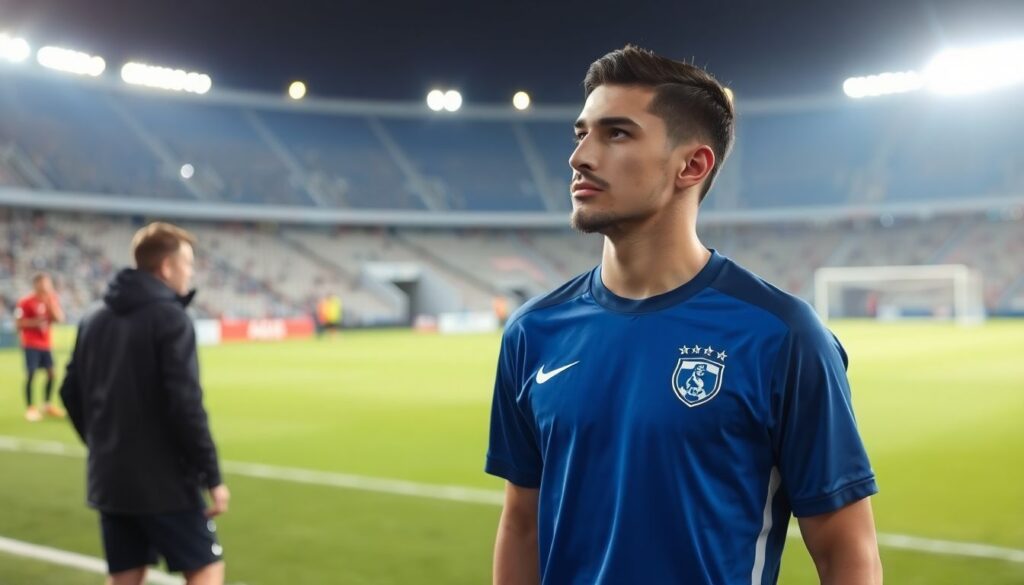
Norway and Sweden are underrated European leagues for young Turkish talents who value professionalism and long-term stability over immediate headline wages. They offer organised clubs, good facilities and consistent scouting from bigger European markets.
- Define your priority between net salary and playing time: if you need guaranteed minutes, target lower-pressure clubs; if you can fight for your spot, aim higher in the table.
- Compare total yearly costs: climate-related clothing, flights home, higher food and housing prices versus more predictable payment schedules.
- Check which clubs have a history of turkish player transfers to smaller european leagues and then on to the top-5 leagues, not just one-off signings without clear pathways.
- Evaluate style-of-play fit: Eliteserien often emphasises direct, physical transitions, whereas Allsvenskan can be slightly more controlled; match this with your strengths.
- Inspect foreign player rules and squad depth: ensure there is a realistic plan for you to enter the matchday squad within the first months.
- Clarify support off the pitch: language lessons, help with housing, family visas and local integration make or break your first year.
- Before signing, run a three-season plan: what is your target league after Norway/Sweden, and how can this club concretely help you reach it?
Romania and Hungary: maximum playing time for minimal transfer outlay
Romania and Hungary often attract Turkish players who need to rebuild confidence and statistics quickly. They can be smart transfer destinations for Turkish footballers in Europe when approached with realistic expectations and strong contract protections.
- Assuming that every foreigner will be an automatic starter; in many clubs, local competition is strong and coaches are under intense pressure.
- Ignoring club financial histories; some teams have a reputation for delayed payments that you must verify through trusted contacts and agents.
- Accepting verbal promises about bonuses, housing or flight tickets instead of demanding them clearly written in the contract.
- Underestimating language and cultural distance, which can isolate you from teammates and slow tactical learning.
- Signing for brand-name clubs that are currently unstable, rather than smaller but well-managed teams with a clear sporting project.
- Focusing only on base salary and forgetting tax rate, payment schedule and realistic agent commission.
- Skipping due diligence on training quality, medical staff and facilities; these directly influence your long-term value and injury risk.
- Choosing a league only because a teammate went there, without checking whether your position and style are in demand in that market.
- Failing to secure exit clauses or clear release conditions if salaries are delayed or if you receive offers from stronger leagues.
- Rushing into multi-year contracts instead of one-year deals with options that keep your flexibility if things go wrong.
Slovenia & Croatia: youth exposure, resale value and tactical fit
Croatia is usually best for technically gifted, brave young players aiming at high resale value through strong academies and tactically advanced coaching. Slovenia is often better for slightly later developers who need calmer environments, minutes and clear structures before stepping into bigger European markets.
Common player concerns and practical answers
Which underrated European league is the safest first move from Turkey?
For most intermediates, Poland or Czechia combine reasonable contracts, stable payments and strong shop windows. They are safer than jumping directly to high-pressure, unstable environments where delayed salaries are common.
How should I compare net salary between leagues without detailed numbers?
Focus on categories: low, medium or high salary versus low, medium or high living costs and taxes. Ask your agent to model best and worst cases for net income after rent, food, travel and tax, not just headline club offers.
Is it smarter to chase playing time or higher wages early in my career?
Before age 24-25, consistent minutes at a decent level usually create more long-term money than sitting on the bench for a higher salary. Use smaller or mid-table clubs that trust you, then leverage statistics and video for a better-paying move.
Do I really need a specialist agent for smaller European leagues?

Yes, because local knowledge matters. A good agent knows which clubs pay on time, how taxes work and which coaches value Turkish profiles, reducing risk and negotiation mistakes.
How long should my first contract in Europe be?
Often, one year plus a club or mutual option is enough for your first step. It gives you security to adapt but still keeps you flexible if the environment or playing time is not what was promised.
Can language barriers seriously limit my chances of playing?
They can. If you cannot follow tactical instructions or communicate with teammates, coaches may avoid taking risks with you. Basic English and willingness to learn the local language help you earn trust quickly.
When should I consider Nordic leagues instead of Central Europe?
If you value organisation, professional culture and stability more than proximity to Turkey, the Nordics are attractive. They are especially good for mentally strong players comfortable with climate changes and living far from home.