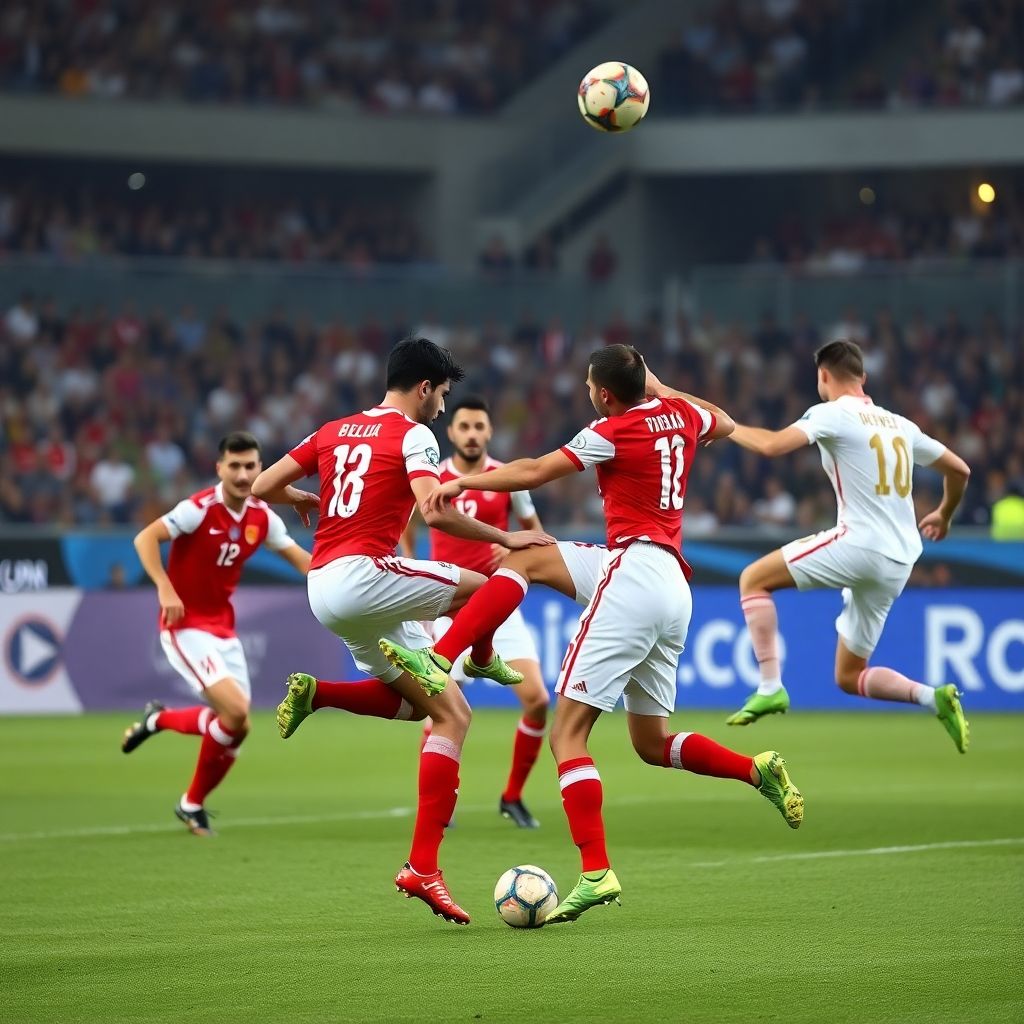
Set-piece mastery in the Süper Lig means repeatedly turning corners, wide free kicks and long throws into high‑quality chances, while conceding very little from similar situations. It is less about spectacular free‑kick goals and more about rehearsed movements, smart matchups, data‑driven routines and coaching discipline, even for clubs with limited resources.
What Defines Set-Piece Mastery in the Süper Lig
- Clear separation between direct free-kick skill and collective routines from corners and wide dead balls.
- Consistent chance creation measured by expected goals, not just highlight goals or Süper Lig corner and free kick goal records.
- Role clarity: blockers, screeners, runners, delivery specialists and second-ball hunters.
- Adaptation to opponent marking, referee line and wind/pitch conditions, not one static playbook.
- Use of Süper Lig set piece statistics and analysis to design, test and retire routines.
- Budget-aware solutions such as clever blocks and timing, when you cannot sign aerially dominant stars.
- Defensive organisation that prevents counters and reduces fouls in dangerous zones.
Common Myths About Dead-Ball Superiority
Many fans and even staff equate set-piece dominance with having one star who scores direct free kicks. In reality, over a full season most goals come from corners, indirect free kicks and second phases, so team structure outweighs a single technician for sustainable impact.
Another persistent myth is that only big clubs can be among the best Süper Lig teams for set piece goals because they buy the tallest centre-backs. Smaller sides in Turkey often outperform richer clubs through detailed planning, task clarity and constant refinement of routines tailored to their squad profile and opponent weaknesses.
A third misconception is that set pieces are mostly about height and heading power. Timing, screens, decoy runs and ball trajectory shape are usually more decisive. Well-rehearsed blocking patterns can free an average header for a clean finish, while a tall but static target can be neutralised by organised zonal coverage.
Finally, betting narratives and media angles can blur reality. Süper Lig betting tips set piece specialists often highlight one or two famous shooters. True specialists, from a coaching and analytics view, are clubs that generate stable expected goals from dead balls and concede significantly below league average, even if their goals come in sudden clusters rather than weekly.
Tactical Frameworks: How Top Süper Lig Sides Construct Set-Pieces
- Pre-plan routines by zone and footedness. Staff build a small menu of plays for each quadrant of the pitch, differentiating between inswingers and outswingers. This allows fast decisions: ball on left, right-footed taker, routine A or B depending on opponent scheme.
- Mix zonal and man-oriented concepts. Attacking teams design patterns that stress both zones and markers: one runner attacks the seam between two zonal defenders, another drags a marker, a third screens the main target. Defensively, compact zones plus 2-3 man-markers on key threats are common.
- Use layered runs and screens. Advanced tactical analysis of set pieces in Süper Lig shows successful routines often involve one early sacrificial run to clear space, a mid-timing runner to screen, and a late runner attacking the prime zone (usually between penalty spot and six-yard line).
- Prioritise second-ball structures. Elite set-piece sides avoid leaving transitions to chance. They position one or two players on the edge for cutbacks and rebounds, with at least two deeper security players ready to stop counters and recycle the ball for a new attack if needed.
- Vary delivery while preserving core shapes. To stay unpredictable, staff keep the same initial organisation but rotate: near-post flick, far-post isolation, flat ball to edge, or short routine. Opponents see familiar starting positions but must guess the final pattern.
- Integrate throw-ins and indirect free kicks. Consistent set-piece frameworks also cover long throws and wide free kicks taken quickly. The same triggers and roles apply, so players do not have to learn completely new scripts for each restart type.
- Embed opponent-specific adjustments. Before each match, analysts highlight 2-3 exploitable zones or mismatches. The routine menu is trimmed to those that best target individual defenders, keeper habits and line-depth tendencies.
Player Profiles and Recruitment Priorities for Dead-Ball Success
Set-piece mastery rests on complementary profiles, not just one aerially dominant striker. Even with modest budgets, clubs can recruit or repurpose players to fill specific roles inside a coherent dead-ball model.
- Delivery specialists. Wide players or full-backs with consistent, repeatable crossing mechanics are often more valuable than occasional spectacular takers. Scouting should track trajectory variety (driven, lofted, curled), consistency of hitting target zones, and composure under time pressure.
- Primary targets and decoys. The main aerial threats include centre-backs and physical forwards who can either attack balls or serve as decoys. Decoy targets drag the opponent's best markers out of optimal zones, creating gaps for late-arriving midfielders.
- Screeners and blockers. Usually defensive midfielders or robust attackers comfortable with contact. Their job is to set legal screens, impede runs subtly and protect the main target's pathway. Strong balance, timing and game intelligence matter more than pure height.
- Second-ball hunters. Aggressive midfielders who read deflections quickly and strike cleanly from the edge of the box. They also need counter-pressing instincts to delay or stop fast breaks if the ball is lost, protecting the team from transitions.
- Rest-defence anchors. 1-2 players (often a centre-back plus a holding midfielder or full-back) remain deeper to control opposition breakaways. Pace, anticipation and one-versus-one defending are key, especially against Süper Lig sides with fast wingers poised for counters.
- Budget-conscious adaptations. For clubs without funds to buy dominant targets, recruitment focuses on three traits: attacking timing, set-piece delivery and tactical discipline. Coaches then design routines that rely on crowding zones, front-post flicks and rehearsed screens rather than out-jumping everyone.
Training Design: Drills, Routines and Progressions for Reproducible Routines
Well-structured training converts whiteboard ideas into automatic behaviours under match stress. Sessions must balance repetition with freshness so players stay engaged while patterns become second nature, particularly in the long Süper Lig season.
Advantages Coaches Can Unlock Through Structured Work
- Sharpened timing and spacing thanks to rehearsed movements at match speed and under realistic contact.
- Clear role understanding, reducing confusion when changing sides or set-piece callers during games.
- Higher chance quality from fewer restarts, which matters for underdogs creating limited open-play opportunities.
- Fewer defensive breakdowns because triggers (e.g. who attacks the near post) are practised consistently.
- More efficient match preparation by reusing core templates adjusted for each opponent rather than inventing from scratch.
Limitations and Workarounds for Teams With Limited Resources
- Restricted analysis capacity can be offset by simple coding: staff manually tag corners and free kicks, then review 15-20 clips weekly instead of full data platforms.
- Lack of set-piece coaches can be mitigated by appointing an internal "unit leader" player who owns communication and standards for dead-ball work.
- Limited training time due to congested schedules suggests micro-doses: short 10-12 minute set-piece blocks in most sessions instead of one long weekly block.
- Stadium and travel constraints make video-based classroom sessions valuable: walk through 3-4 key routines using clips and simple magnets rather than full-pitch rehearsals.
- Squads with few tall players can prioritise near-post runs, quick short corners and rehearsed cutbacks, focusing on first-contact disruption, not aerial dominance.
Analytics That Matter: Metrics to Quantify Set-Piece Performance

Analysis prevents overreaction to short-term swings and keeps focus on repeatable processes. Clubs can build a lean measurement framework without full-time data departments, aligning with broader Süper Lig set piece statistics and analysis available publicly.
- Judging success only by goals scored. One month with several goals can hide declining chance quality, while a dry spell may still feature strong expected goals if the keeper excels. Tracking xG from corners and indirect free kicks gives a more stable picture than raw goals.
- Ignoring conceded set-piece chances. Some teams rank high in Süper Lig corner and free kick goal records but also concede heavily from dead balls. Net performance (created minus conceded xG) shows whether the overall strategy is profitable.
- Overvaluing direct free-kick specialists. A brilliant shooter can influence betting narratives and Süper Lig betting tips set piece specialists conversations, yet over a season, indirect routines typically produce more volume. Data should prevent overinvestment in low-frequency events.
- Not segmenting by routine type. Lumping all set pieces together hides which ideas work. Tagging near-post, far-post, crowd-the-keeper, short and edge-of-box plays allows staff to drop unproductive patterns and scale those that generate clean shots.
- Neglecting delivery quality metrics. Staff often blame "players not attacking the ball" when the real issue is poor service. Measuring balls that land in predefined hot zones, plus their pace and trajectory consistency, refines both taker selection and routine design.
- Forgetting about opponent context. Raw numbers do not reveal that some spikes came against weak aerial defences. Analysts should combine internal metrics with tactical analysis of set pieces in Süper Lig opponents to interpret trends accurately.
In-Game Application: Coaching Choices, Substitutions and Adaptive Signals
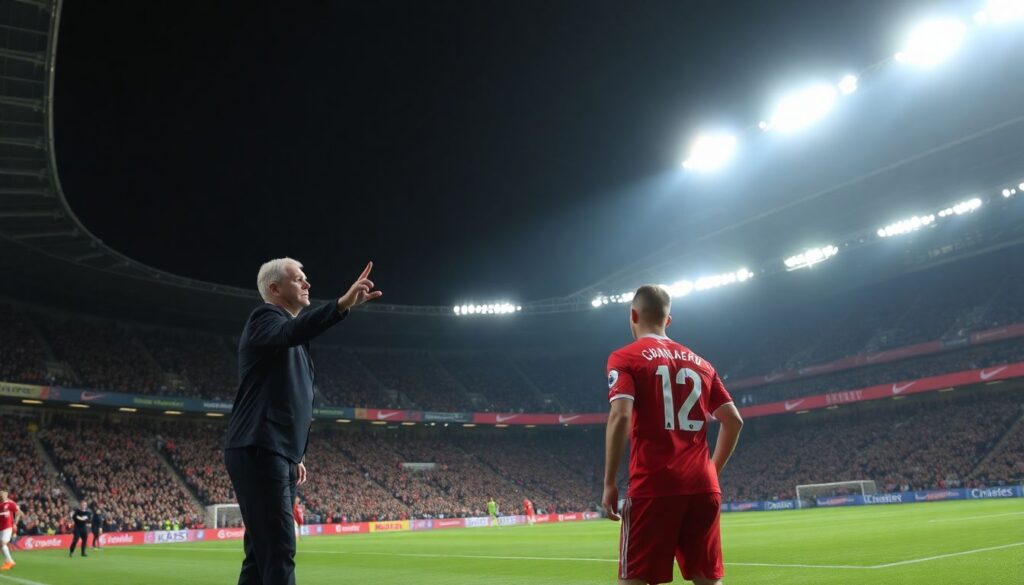
Match-day execution connects planning with outcomes. Coaches must read opponent adjustments, fatigue and referee tolerance, then tweak routines through simple signals, discussions with the set-piece taker and targeted substitutions when needed.
Consider a mid-table club in Istanbul chasing a late winner against a taller opponent. Staff know from pre-match work that the rival struggles with low, flat deliveries to the near post. During the first half, outswingers from the right create half-chances but no clear shots. At half-time, the assistant coach and analyst agree to switch the main corner-taker and use a rehearsed near-post flick routine.
The sideline signal shifts the team from "Routine 1" (lofted far-post ball) to "Routine 3" (driven near-post cross). A fresh attacking midfielder, subbed in for extra delivery quality, hits a flat inswinger; the near-post runner glances it on, and a late-arriving full-back arrives unmarked at the back post to score. The change is not random: it is the product of a small, well-practised menu, opponent-specific scouting and the courage to adjust under pressure.
Practical Queries Coaches and Analysts Face on Set-Pieces
How many core routines should a Süper Lig team maintain during a season?
Most squads function best with a compact menu: 3-4 main attacking corner routines per side, plus 2-3 wide free-kick patterns. Variations in starting positions and runs keep these ideas fresh without overwhelming players.
What can a small-budget club do without tall centre-backs?
Focus on delivery quality, near-post overloads, screens and rehearsed cutbacks to the edge of the box. Use quick short corners to create two-versus-one situations, and prioritise aggressive second-ball hunters and rest-defence organisation.
How often should we dedicate training time to set pieces?
Short, frequent blocks work better than rare long sessions. Integrate 10-15 minutes into most training days, alternating between attacking, defending and specific game-plan routines for the next opponent.
Which basic metrics should we track without advanced software?
Record number of corners and wide free kicks, shots and goals from them, plus whether each delivery hits the intended zone. Over time, you will see which routines and takers generate the cleanest chances.
How do we stop conceding from second balls after defending corners?
Assign clear roles for edge-of-box players and rest-defence anchors. Train clearing into planned zones rather than random clearances, and practise stepping out together after the first header to close down rebound shooters.
When is it worth bringing on a set-piece specialist as a substitute?
It makes sense when the game is tight, your team is winning many corners or free kicks, and the specialist offers a clear upgrade in delivery or aerial threat without destabilising the team's defensive balance.
How can we study the best Süper Lig teams for set piece goals effectively?
Select a few recent matches from set-piece-strong sides and create simple clips of all their corners and free kicks. Note repeated patterns, key roles and how they adapt to different opponents, then adapt those ideas to your squad profile.