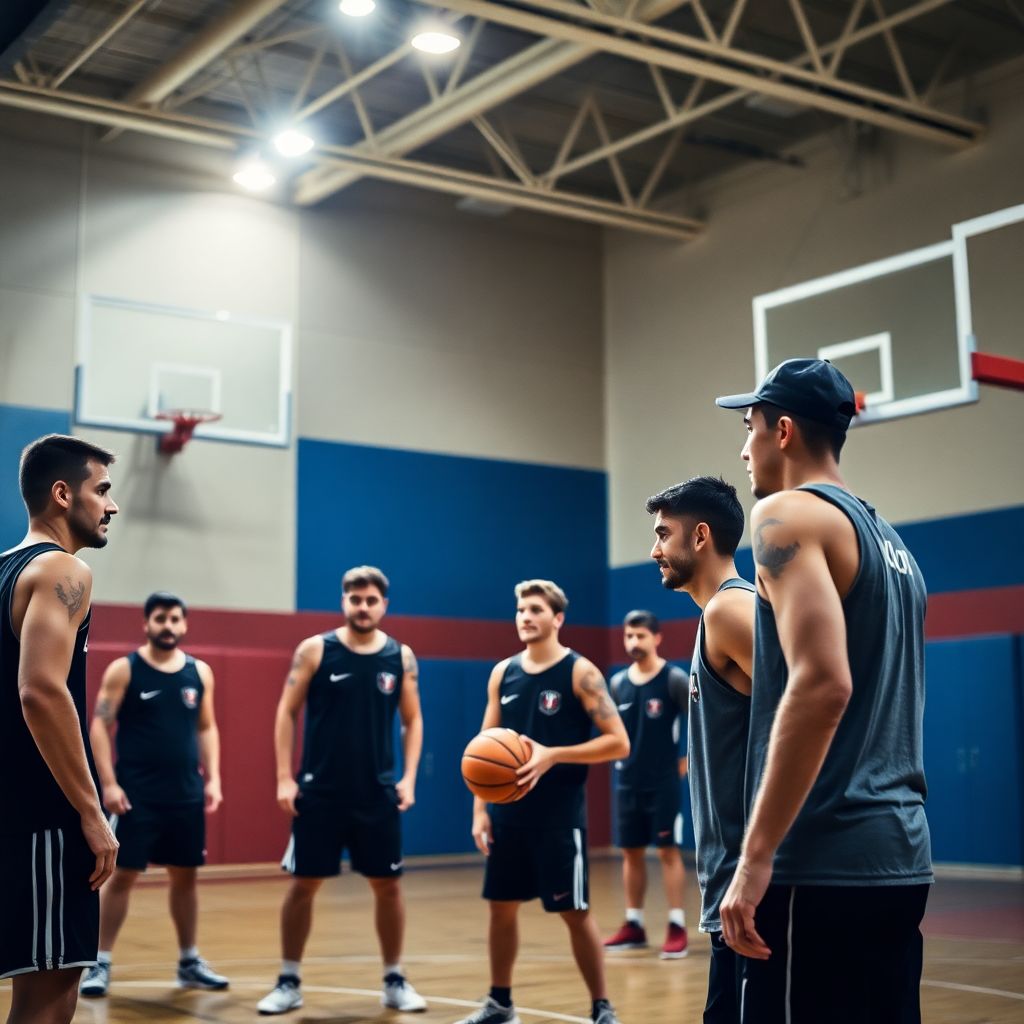
Hidden gem prospects from Anadolu basketball clubs are under‑scouted young players showing translatable skills, efficient production in limited minutes and steep development curves. Compared with signing finished stars, recruiting them is cheaper and more flexible but riskier, demanding better scouting, smarter role design, phased integration and patience from both coaching staff and club management.
Scout snapshot: essential identifiers
- Prioritise ≤22-year-old rotation players in the Turkish Super League and lower divisions with efficient per-minute impact, not just raw points.
- Cross-check youth national team exposure with club usage: who dominates U18/U20 but barely plays senior minutes?
- Use video to confirm footwork, decision-making speed and defensive habits against adult opposition.
- Compare role fit: what they actually do in their club scheme vs what you will ask them to do.
- Rate “coachability signals”: effort on non-glamour tasks, body language and in-game adjustments.
- Always benchmark against other hidden gem basketball prospects in Europe to estimate market and risk.
Profiles: High-upside forwards from Anadolu talent pools
In this context, “high-upside forwards from Anadolu talent pools” means wings and stretch forwards developed at clubs like Anadolu Efes and other Anadolu-region programs who show modern two-way profiles. They often oscillate between small-ball power forward and big wing, with enough mobility to guard multiple positions and enough skill to space the floor or attack closeouts.
Compared with the best young basketball talents in Turkey who already play major EuroLeague roles, these players usually live in smaller roles: spot-up shooting, secondary creation, energy defense. The scout’s job is to decide whether those narrow duties hide a broader ceiling. Typical markers are scalable skills (catch-and-shoot, low-turnover passing, versatile team defense) and frames that can still add functional strength.
When filtering anadolu efes young prospects and other regional forwards, focus on three production bands:
- Bench stretch-4s: 10-15 minutes, high three-point volume, low usage otherwise. Check if they can keep advantages alive with one or two dribbles instead of instantly swinging the ball.
- Slashing wings: living in transition and cuts. Look at free-throw rate, rim finishing and how often they create good shots for others after beating the first defender.
- Defensive specialists: guarding primary threats but with modest box-score stats. Evaluate screen navigation, closeout discipline and whether they can make the extra pass under pressure.
In terms of implementation, forwards are usually the easiest entry point for integrating future stars from anadolu basketball clubs. You can hide their playmaking weaknesses with simple off-ball actions, then gradually add responsibilities. Risk rises when a club expects them to become primary scorers too early; they may lose efficiency, confidence and defensive focus. A safer approach is to stabilise their defensive role first, then grow their offensive usage in defined sets (horns flare, staggered screens, corner ghost screens) where reads are simple and repeatable.
Midfield prospects blending creativity and tactical discipline
“Midfield prospects” here refers to combo guards and secondary ball-handlers who sit between pure point guards and pure wings. They must blend on-ball creativity with off-ball discipline so they can play next to another creator without clogging the offense or collapsing defensively.
To understand the mechanics of such guards in the Turkish Super League and in Anadolu systems, break their game into the following components:
- Advantage creation: How often do they beat their man or force rotations with pick-and-rolls, drives or post entries? Measure with drives per game, paint touches and potential assists.
- Decision speed: Time from catching the ball to shooting, driving or passing. Late decisions kill spacing and invite turnovers, especially against switching defenses.
- Off-ball gravity: When they are not handling, do they space properly, cut on time and punish help with catch-and-shoot threes?
- Defensive positioning: Can they execute weak-side tags, nail help and stunt-and-recover sequences without over-helping or getting back-cut?
- Tempo control: Do they understand when to push, when to pull the ball out and when to target mismatches?
- Physical resilience: Guard prospects take a pounding. Watch how they absorb contact, finish through it and maintain intensity across multiple games per week.
Mini-scenario 1: a young combo guard from an Anadolu BSL club gets 12 minutes per game as a second-unit handler. You track his pick-and-roll sequences: he regularly creates open corner threes but also commits live-ball turnovers when pressured full court. Implementation risk is moderate: consider a gradual role that emphasises early offense and simple reads while letting a veteran handle end-of-game possessions.
Mini-scenario 2: another guard prospect mainly plays off the ball beside a US import point guard. He posts elite spot-up percentages but rarely initiates. Hidden upside exists if film shows comfort handling the ball in secondary pick-and-rolls during broken plays. He is easier to integrate-low usage, good spacing-but his star outcome depends on whether you can stretch his role without breaking his efficiency.
Defenders developing elite positioning and ball progression
For perimeter stoppers and bigs, “elite positioning and ball progression” covers both sides of the ball: knowing where to be defensively at each step of an action and being able to advance the ball safely and quickly on offense. This combination is a consistent differentiator among Turkish Super League young players to watch, especially those outside the biggest clubs.
Typical application scenarios when scouting defenders from Anadolu clubs include:
- Point-of-attack stopper in switching schemes: You need a guard/wing who can switch onto multiple positions, contain the first dribble and funnel drives toward your help without reaching. The risk is mainly foul trouble and gambling; ease of implementation is high if your scheme already emphasises switching and strong-side help.
- Low-usage connective wing: This player relocates correctly, swings the ball on time and attacks long closeouts, while defending the opponent’s best scorer. Such profiles plug into almost any system with low risk, as long as you do not overload them with creation duties.
- Mobile rim protector: A young big who can play at the level in pick-and-rolls, recover to the paint and finish plays with verticality. Implementation is more complex and riskier, because timing mistakes create open layups; you must invest in detailed coverage teaching and live reps.
- Outlet and push big: A forward/center who secures rebounds and immediately ignites transition with accurate outlets or controlled dribbles. This is most valuable for teams that want to run; for slower, half-court oriented systems the value is lower and turnovers become a bigger concern.
- Press-break hub: Some defensive-minded wings double as safe outlets against full-court pressure. They may not be primary creators, but they can dribble out of traps and find the open man. These are high-utility, low-risk acquisitions, particularly in European competitions where pressing schemes are common.
Compared to offensive prospects, defender-first players are often cheaper and easier to integrate: you can assign focused tasks (defend X player, set Y screen, make Z rotation) while gradually expanding their offensive load. The main risk is overestimating their future shooting development. Mitigate this by demanding at least one bankable offensive skill-offensive rebounding, short-roll passing, dribble handoff execution or corner three competence-before committing serious minutes.
Goalkeepers showing composure, distribution and shot-stopping
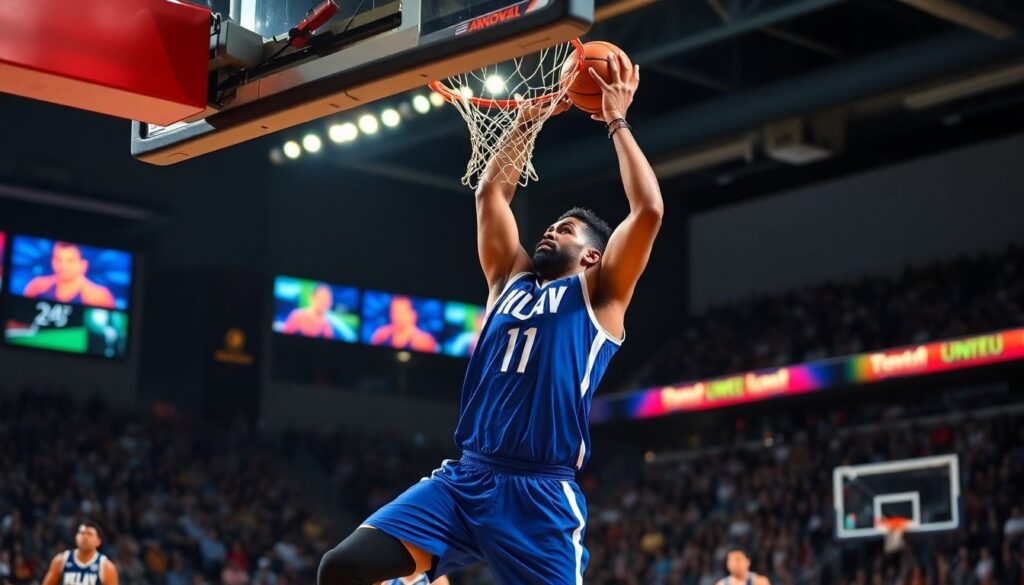
Borrowing a football analogy, “goalkeepers” here are your backline anchors in basketball: primary rim protectors and last-line communicators. For hidden gem bigs from Anadolu clubs, the three pillars are composure under pressure, reliable distribution and credible shot-stopping at the rim.
- Advantages of targeting such anchors
- They stabilise team defense even with mistakes in front of them, raising the floor of your rotation.
- Good outlet passing from the five spot accelerates transition and creates easy points for athletic wings.
- You can often buy them below market value compared with guards who produce obvious scoring numbers.
- They allow you to experiment with more aggressive perimeter schemes (traps, blitzes) because you trust their backline coverage.
- Limitations and risks to manage
- Rim protection that relies only on shot-blocking without positioning tends not to translate against better athletes.
- If their free-throw shooting is weak, they become targets in late-game situations, limiting coaching flexibility.
- Poor mobility makes them vulnerable in modern pick-and-roll coverages that demand switches, shows and recoveries.
- Overinvesting in a raw big blocks imports or veterans who could deliver reliable minutes now, raising opportunity cost.
When evaluating best young basketball talents in Turkey at the big positions, compare the ease of building schemes around “drop-only” bigs versus more mobile ones. Drop bigs are simpler to integrate in conservative systems but risk being schemed off the floor in playoffs. Mobile bigs are harder to teach and require better team communication but provide higher long-term upside.
Development pathways: academy structures, loans and breakout triggers
Anadolu clubs use varied development pathways-strong academies, internal promotion, B-team usage, and loans to lower-division sides. Misunderstanding these pathways leads to repeated mistakes when foreign clubs or agents try to sign or place hidden gem basketball prospects in Europe.
- Mistake: ignoring context of limited minutes
Clubs often misread low playing time as lack of trust. In reality, the local coach may simply be chasing results. Before judging, check practice reports, pre-season usage and youth competition roles. - Mistake: assuming any loan is good development
A loan to a team that does not run pick-and-rolls for your guard or three-point actions for your shooter can stall growth. Better a slightly lower level with a tailored role than a “bigger name” with misaligned usage. - Mistake: overvaluing box-score explosions
When a young player finally gets 25+ minutes due to injuries ahead of him, he may post big scoring nights. Look beyond totals: shot quality, defensive consistency and decision-making against scouting adjustments in later games. - Myth: top academies always produce the safest prospects
Being from a famous program like Anadolu Efes does not automatically mean low risk. Competition for minutes can hide weaknesses but also delay adaptation to big roles. Lesser-known Anadolu clubs sometimes provide better on-ball reps and leadership experiences. - Myth: older age at breakout means low ceiling
Some prospects from Turkish regional programs progress later because of physical maturation or late role changes (for example, a wing converted to a point forward). Do not discard 22-23-year-olds if film shows fast year-on-year improvement. - Mistake: underestimating integration off the court
English proficiency, willingness to move, family situation and agent sophistication all influence risk. Clubs that prepare support structures integrate prospects faster and reap value earlier.
Market-readiness: valuation signals and optimal transfer windows

Market-readiness describes when a young Anadolu prospect can handle a step up in league quality and pressure without collapsing in performance. You weigh internal indicators (physical development, skill reliability, mental resilience) and external signals (minutes in high-stakes games, market interest, contract status).
Mini-case contrasting two approaches for turkish super league young players to watch:
- Early, high-upside acquisition
You sign a 20-year-old wing from an Anadolu BSL club who plays 10 minutes per game but posts excellent per-minute impact and strong defensive tape. Implementation is harder: you must accept mistakes, design a sheltered role (corner spacing, defined defensive assignment) and invest coaching time. Risk: he may not adapt to higher expectations quickly, occupying a roster spot while contributing little short term. Reward: if he hits, his value multiplies and you control his prime years. - Later, lower-variance acquisition
You wait until he plays 20-25 minutes per game and proves himself as one of the turkish super league young players to watch. His strengths and weaknesses are clearer; you know he can handle a rotation role. Implementation is easier: plug-and-play 3&D wing. Risk: higher salary, stronger competition for his signature and less surplus value on resale.
Both paths can work. For clubs with strong scouting and patience, targeting earlier windows for future stars from anadolu basketball clubs generates better value. For clubs with limited development bandwidth, paying more for a later, clearer sample is safer. The right choice depends on roster age, coaching stability and budget flexibility.
Scouting questions addressed for recruiters and analysts
How do Anadolu clubs usually deploy their most promising young forwards?
They often start as low-usage role players-spot-up shooters, cutters and energy defenders-off the bench. Coaches minimise decision load while testing whether the player can maintain effort, spacing and defensive discipline against senior competition.
What makes an Anadolu guard prospect easier to integrate into a new team?
A guard is easier to integrate when he combines reliable spot-up shooting, basic pick-and-roll competence and defensive effort. This allows coaches to start him as an off-ball spacer, then gradually increase on-ball usage without overhauling the playbook.
Which defensive traits from young Turkish prospects tend to translate best abroad?
Positioning, screen navigation and willingness to execute team schemes translate more consistently than highlight shot-blocking or steals. Players who already communicate coverages and rotate on time usually adapt faster to new tactical systems.
How can clubs reduce risk when betting on raw bigs from Anadolu programs?
Limit expectations to well-defined roles early-rim running, drop coverage, rebounding-and pair them with a veteran frontcourt partner. Build a clear skill plan around conditioning, footwork and simple reads instead of assuming rapid three-point development.
When is the ideal moment to move for a hidden gem from a Turkish regional club?

Usually after he has proven he can handle a stable rotation role but before he becomes a focal point of the offense. At that stage, his skill set is visible, the price is still manageable and you can shape his next development step.
What data should analysts prioritise when comparing hidden gem basketball prospects in Europe?
Focus on age-adjusted production, per-possession impact metrics, usage rates, on/off splits and shot profile, combined with context on league strength and role. Numbers must always be cross-checked with film to avoid overvaluing system-driven stats.
How important is national team experience for evaluating Turkish young players?
Youth national team minutes provide useful benchmarks against peers but are not decisive alone. Strong club roles against adult competition are more predictive; lack of national call-ups should not automatically disqualify a prospect with convincing club film.