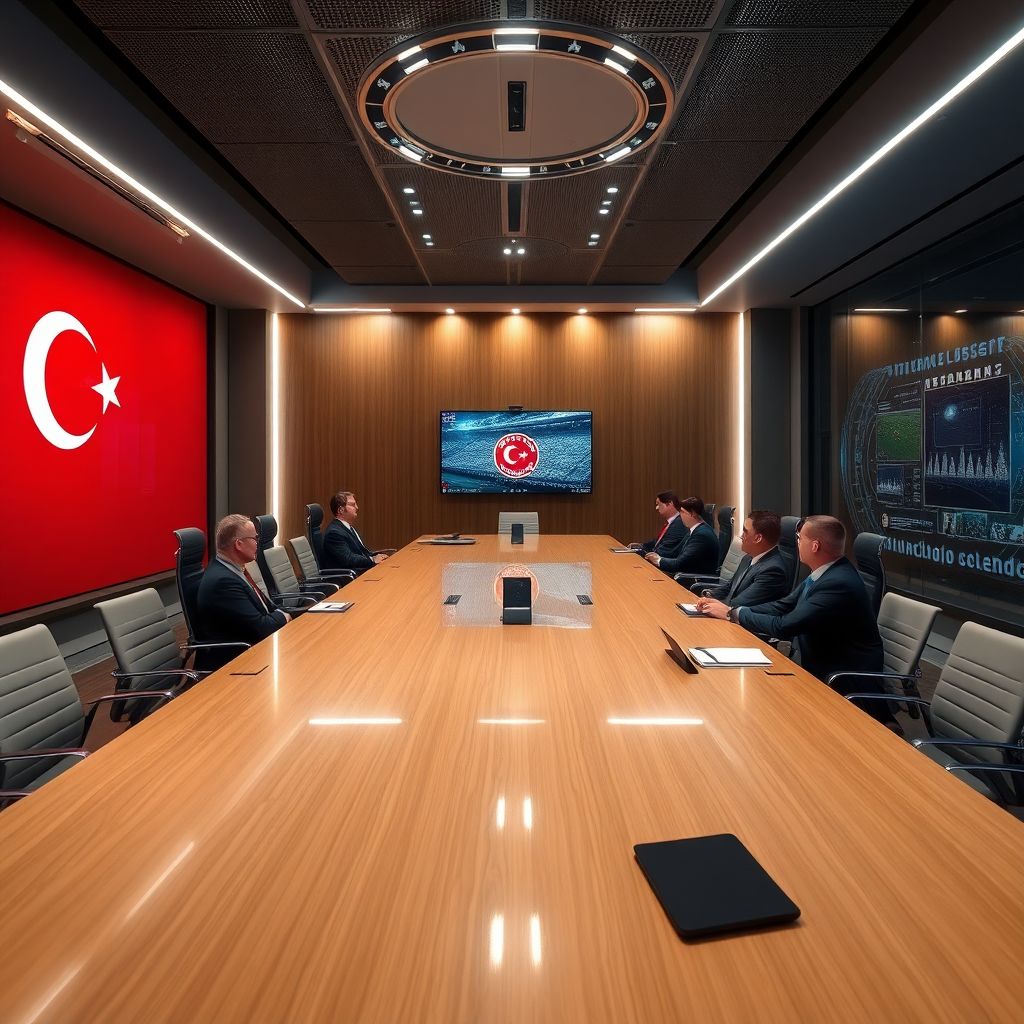
Turkish clubs are adapting to the modern European football economy by tightening financial control, restructuring debt, modernising transfer and academy policies, and aggressively growing commercial and digital revenues. Big Istanbul clubs move first, but smaller Anatolian sides copy with lighter, low-cost versions: data on a budget, smarter loans, fan-centric matchdays and better governance.
Core adaptations summarized
- Shifting from short-term borrowing to structured, audited financial plans aligned with UEFA licensing.
- Reducing dependence on turkish super lig tv rights revenue through matchday, sponsorship and digital income.
- Using data-informed scouting, clearer wage structures and youth integration instead of speculative transfers.
- Building commercial brands attractive for european football club investment opportunities turkey seekers.
- Improving transparency, board processes and stakeholder communication to regain creditor and fan trust.
- Investing in analytics, coaching and facilities to convert off-field reforms into on-field performance.
Financial restructuring and licensing compliance
In the Turkish context, financial restructuring means moving from crisis-driven borrowing to planned, supervised debt and cash-flow management that satisfies UEFA and Turkish Football Federation licensing rules.
Clubs now perform regular turkish football clubs financial analysis: cash flows, wage-to-income ratios, and scenario planning for European qualification or relegation. This helps boards decide wage budgets, transfer net spend, and stadium investments without breaching financial fair play thresholds.
Licensing compliance forces timely tax and social security payments, audited accounts, and transparent contracts. Istanbul giants have done large debt restructurings with banks, while smaller clubs often renegotiate with local municipalities and sponsors, focusing on short, clear contracts instead of long, complex deals.
Clubs with limited resources prioritise “must-fix” areas: basic accounting software, one part-time finance professional, and simple monthly cash reports to the board. Even this low-cost structure drastically reduces surprise debts and late salaries.
| Area | Old practice in many Turkish clubs | New adaptation in modern clubs |
|---|---|---|
| Budgeting | No formal budget; reacting to owner cash injections. | Season budget with stress tests for missing Europe or relegation. |
| Debt | Short-term, high-interest loans rolled over every year. | Structured bank agreements with longer maturities and covenants. |
| Licensing | Panic payments just before TFF/UEFA deadlines. | Quarterly compliance reviews and early negotiation if issues arise. |
| Reporting | Verbal updates; limited documentation. | Simple monthly financial dashboards shared with the board. |
Action checklist: financial restructuring

- Define a realistic 12‑month budget with three scenarios (best/base/worst) and link wage and transfer limits to it.
- Map all debts (amount, rate, maturity) and create a simple restructuring plan prioritising the most expensive ones.
- Schedule quarterly licensing reviews with finance and legal advisors, even if they are external and part-time.
Diversifying income: broadcast, matchday and digital revenue
For many years, turkish super lig tv rights revenue covered a big share of club budgets. As broadcast values fluctuate, clubs are pushed to build alternative income channels that are more stable and controllable.
- Matchday optimisation. Modern clubs re-think pricing, hospitality and fan experience. Instead of only selling season tickets, they experiment with dynamic pricing, family blocks, and bundled offers (ticket + scarf). Clear information and online options make it easier for fans to buy tickets turkish super lig matches in advance.
- Stadium usage outside matchdays. Many grounds now host small concerts, corporate events, and local tournaments. Smaller clubs may start with simple stadium tours and kids’ academies instead of large-scale events.
- Digital content and memberships. Clubs launch subscription-based content, behind-the-scenes videos, and international fan memberships using global payment platforms. Even low-budget sides can use free social channels and basic paywalled content to test demand.
- Retail and e-commerce. A professionalised merchandising operation with an online shop, clear sizes, and international shipping can attract diaspora fans who cannot attend matches.
- Local business partnerships. Outside global TV deals, provincial clubs create micro-sponsorship packages for restaurants, clinics, and schools, combining perimeter boards with social media promotion.
Clubs with limited funds typically prioritise low-tech, high-impact steps: simple online ticketing, one basic e-commerce page, and partnership packs designed in-house rather than expensive digital platforms.
Action checklist: revenue diversification
- Identify three quick wins to raise matchday income (pricing, food options, family offers) within the current stadium limits.
- Launch or improve an English-language ticketing and merchandise page to reach diaspora and foreigners.
- Create tiered sponsorship packages (gold/silver/bronze) that local businesses can easily understand and buy.
Optimizing transfers: scouting, youth academies and loan strategies
Transfer optimisation in Turkish clubs means buying fewer, better players while extracting more value from academies and the loan market. It is a shift from agent-led decisions to structured recruitment and development planning.
Modern Turkish clubs combine data, live scouting and clear squad planning. Even clubs that cannot build big analytics departments can subscribe to affordable video platforms and maintain simple shared databases of targets.
- Rebuild scouting processes. Instead of signing players from highlights or personal networks, clubs apply defined profiles: age range, salary ceiling, playing style and resale potential. Regional scouts focus on undervalued markets, including lower Turkish divisions and neighbouring countries.
- Strengthen youth pathways. Academy players are mapped with clear targets: minutes in U19, loans to 1. Lig or TFF 2. Lig, then integration into the first team. Smaller clubs often become specialists in developing and selling talent earlier.
- Strategic loan usage. Rather than short-term fixes, loans are used to test players before buying, reduce wage risk and build relationships with bigger European sides. This supports the narrative of best turkish football clubs for foreign investors by showing sustainable squad planning.
- Salary structure discipline. Wage ladders prevent overpaying new arrivals compared to existing leaders. This is crucial for keeping dressing room harmony and financial control.
- Exit planning. Before signing a player, clubs plan possible exit routes (target leagues, agents, timing) to avoid being stuck with big contracts.
Resource‑constrained clubs generally prioritise a small, disciplined recruitment cell with 2-3 people, basic video scouting, and strong cooperation with local amateur clubs to find affordable talent.
Action checklist: transfers and academy
- Define position-specific player profiles (age, style, wage limit) and reject targets that do not fit.
- Set individual 2‑year plans for top 10 academy prospects, including minutes targets and potential loans.
- Review all top-earning contracts and prepare at least two realistic exit options for each player.
Commercial growth: sponsorships, merchandising and international branding
Commercial growth is where Turkish clubs try to close the gap with Western Europe and attract european football club investment opportunities turkey interest. It covers shirt deals, secondary sponsors, merchandising, and how the club brand is positioned abroad.
Well-known Istanbul clubs use their history, European nights, and derby atmosphere to build premium packages. Provincial clubs focus on authenticity and local identity, which appeals strongly to regional businesses and some foreign investors looking for niche stories.
Advantages of modern commercial strategies
- More stable, long-term income that is not directly linked to league finish or TV contracts.
- Stronger, more professional image that reassures potential sponsors and investors.
- Better global visibility through English-language content and international partnerships.
- Cross-selling opportunities between tickets, merchandising and digital memberships.
Limits and practical constraints
- Overcrowded sponsorship space in major cities, with many clubs competing for the same brands.
- Limited retail and logistics capacity for smaller teams, making nationwide merchandising expensive.
- Brand value still strongly dependent on on-field performance and European participation.
- Regulatory and infrastructural limits on stadium advertising, naming rights and betting sponsors.
For clubs with little budget, basic steps such as a consistent visual identity, regular English social posts, and a simple online store can already make them more appealing to regional businesses and mid-sized foreign investors.
Action checklist: commercial and brand
- Audit current sponsors and identify two sectors (for example, healthcare, education) where the club has no presence yet.
- Standardise logo use, colours and fonts across all channels to raise perceived professionalism.
- Launch one low-cost international campaign aimed at diaspora fans, combining online store discounts and content.
Improving governance: transparency, debt management and stakeholder relations
Governance reforms are about how Turkish clubs are run: who decides, how decisions are documented, and how information flows to fans, creditors and potential investors.
Poor governance has historically led to hidden debts, political interference, and short-termism. This made serious investors shy, even when sporting potential was high. Modernisation focuses on clear roles, basic internal controls and more predictable decision-making.
Common governance mistakes and myths
- Myth: A strong president can solve everything. In reality, highly centralised power without checks increases financial and reputational risk.
- Mistake: No formal board committees. Finance, sporting and audit committees, even if small, improve quality of decisions.
- Mistake: Ignoring fan communication. Lack of transparent updates leads to protests and political pressure at the worst moments.
- Myth: Investors only care about trophies. Sustainable structures and clean accounts matter more to serious foreign investors.
- Mistake: Mixing club and personal expenses. This complicates audits, licensing and any future sale or partnership.
Clubs with fewer resources focus on “light governance”: simple written policies, regular open meetings with fans, and basic separation between club and personal business accounts.
Action checklist: governance and stakeholders
- Create written roles and responsibilities for president, CEO, sporting director and head coach.
- Publish at least an annual summary of financial and sporting performance for fans and partners.
- Hold scheduled meetings with key stakeholders (supporters, municipality, major sponsors) to align expectations.
On-field competitiveness: analytics, coaching methodologies and facilities investment
On-field adaptation connects all previously described changes to performance. Clubs invest in analytics, coaching education and facilities to sustain success against richer European opponents.
Larger Turkish clubs build performance departments: analysts, fitness coaches, nutritionists and psychologists. Smaller sides often choose a “minimum viable” model: one part-time analyst using accessible software, shared GPS devices, and clear training periodisation.
Example: A mid-table Super Lig club decides to reduce injury days and improve pressing intensity without increasing salary budget. It introduces a simple data loop:
// Weekly process
Collect: GPS and physical data from each session
Review: Analyst + fitness coach check high-load players
Decide: Coaching staff adjusts minutes and drills
Track: Compare injuries and sprint metrics month by month
Adjust: Update training loads based on trends
Over a season, this structured approach can deliver a more stable starting XI, better pressing numbers and improved player resale value, all without major transfers.
Action checklist: performance and facilities
- Define 5-7 key performance indicators (physical and tactical) and track them every matchday.
- Set an annual coaching education plan, including at least one external course or study visit.
- Prioritise low-cost facility upgrades that directly impact recovery and preparation (lighting, gym basics, treatment rooms).
Self-check: is your club truly adapting?
- Budgets, debts and licensing: Do you have a written, scenario-based financial plan and updated debt map?
- Revenue and brand: Can you point to at least three non-TV income sources growing year on year?
- Transfers and academy: Are recruitment decisions based on clear profiles and long-term squad planning?
- Governance: Are roles, processes and communications documented and followed in practice?
- Performance structures: Do data, coaching and facilities improvements translate into measurable on-field progress?
Practical implementation questions
How can a small Anatolian club start financial restructuring with almost no budget?
Begin with a simple annual budget in a spreadsheet, list every debt, and separate urgent from non-urgent payments. Appoint one person, even part-time, to update numbers monthly and report to the board. This alone reduces surprises and supports basic licensing compliance.
What is a realistic first step beyond TV money for extra income?
The fastest wins are often better ticketing and local sponsorships. Make it easy to buy tickets turkish super lig matches online and design clear, affordable packages for local businesses combining perimeter boards, social media posts and hospitality on matchdays.
How much data infrastructure is needed to improve transfers?
You do not need a big analytics team. One motivated staff member using video platforms, shared spreadsheets and basic statistics can already upgrade scouting. The key is consistent data use and clear player profiles rather than expensive software.
How can a club without a big brand attract foreign investors?
Focus on governance, transparency and talent development. Clean accounts, clear decision-making structures and a track record of developing and selling players make even lesser-known sides attractive among the best turkish football clubs for foreign investors in niche or growth markets.
What if existing fan culture resists commercialisation?
Involve supporters early, explaining that better revenues protect the club from bankruptcy and short-term owners. Keep core traditions on matchdays while adding optional hospitality and digital offers, so traditional fans do not feel priced out or ignored.
Which facility investments give the quickest performance impact?
Typically, improved gym space, recovery areas and pitch quality offer the best return. Better training surfaces and basic recovery tools reduce injuries and raise training intensity without big operational costs compared to major stadium redevelopments.
How should clubs balance short-term results with long-term adaptation?
Define non-negotiable principles (budget limits, wage structure, governance rules) and refuse to break them even under pressure. Adjust in flexible areas such as tactics or loan use, but keep financial and structural discipline intact.