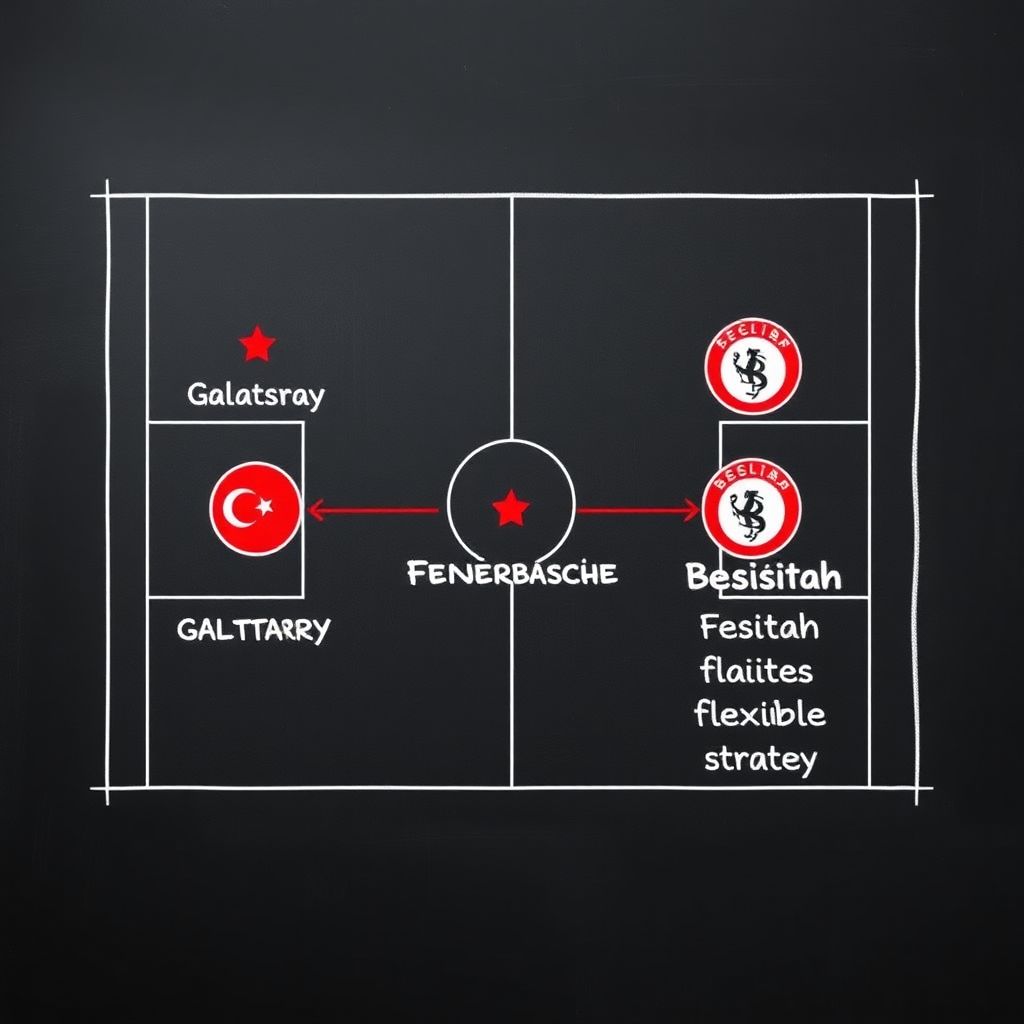
Galatasaray generally offers the most stable, possession-based structure, Fenerbahçe provides the most direct, high-tempo attacking threat, and Beşiktaş gives the most flexible, budget-adaptable mix. For a title-focused, ball-dominant plan pick Galatasaray; for aggressive vertical football pick Fenerbahçe; for pragmatic, cost-conscious rebuilding phases Beşiktaş is usually the best tactical fit.
Executive Tactical Summary
- For control, structured buildup and reliable spacing, Galatasaray are tactically strongest, especially when you can afford technically secure midfielders and creative full-backs.
- Fenerbahçe suit high-energy squads that thrive in transition, with quick forwards and box-arriving midfielders able to attack space repeatedly.
- Beşiktaş are tactically best when you need balance: compact mid-block, quick counters and flexible shape that can protect cheaper or younger defenders.
- If your priority is minimizing risk and avoiding chaos in big games, Galatasaray-style positional play is the safer model to copy.
- For chasing games or emotional home atmospheres, the Fenerbahçe approach of aggressive pressing and fast attacks is most effective.
- On tighter budgets, the Beşiktaş habit of integrating academy players into a simple, transitional system is the most sustainable blueprint.
- In a direct Süper Lig big three tactical analysis, Galatasaray edge control, Fenerbahçe edge intensity, while Beşiktaş edge cost-efficiency and adaptability.
Distinct tactical identities of Galatasaray, Fenerbahçe and Beşiktaş
This section focuses on how to judge which of the big three playing styles suits your goals and resources.
- Game model focus: Galatasaray prioritise structured possession, Fenerbahçe prioritise tempo and verticality, Beşiktaş prioritise balance and transitions.
- Risk tolerance: Fenerbahçe accept more defensive risk to create volume of chances; Galatasaray reduce chaos; Beşiktaş sit between both, adjusting by opponent.
- Squad technical level: Galatasaray Fenerbahce Besiktas playing style comparison shows Galatasaray need the tidiest passers, Beşiktaş cope better with technically average squads.
- Physical profile: Fenerbahçe’s model demands more repeated sprints and duels, while Galatasaray lean more on intelligence and positioning; Beşiktaş can go either way depending on coach.
- Youth integration: Beşiktaş are most comfortable building simple roles for academy products; Galatasaray and Fenerbahçe often plug youngsters into more demanding tactical structures.
- Stability under pressure: Galatasaray’s spacing and rest defence usually give more control in derbies; Fenerbahçe’s volatility can bring both spectacular comebacks and collapses.
- Budget sensitivity: On higher budgets, Galatasaray’s possession game scales best; on tighter budgets, Beşiktaş-style compactness and directness are cheaper to implement.
- Tactical ceiling: When the squad quality is elite, Fenerbahçe’s vertical attacking plus intense pressing can reach the highest attacking output, while Galatasaray’s ceiling lies in sustained dominance.
- Fan and club identity: Fenerbahçe supporters often demand front-foot football; Galatasaray fans tolerate more patient control; Beşiktaş fans value fight, work-rate and commitment in duels.
Preferred formations, in-game shape and role assignments
The following table compresses a Süper Lig big three football tactics detailed breakdown into practical options you can copy depending on your squad and budget.
| Variant | Who it suits | Pros | Cons | When to choose |
|---|---|---|---|---|
| Galatasaray-style 4-2-3-1 / 4-1-4-1 positional play | Teams with technically secure centre-backs, a strong pivot and at least one creative full-back. | Excellent control, easier rest defence, consistent chance creation through structured wide overloads and third-man runs. | Requires intelligent players; can look slow if you lack runners; more expensive to build due to quality needed in midfield. | Use when you want long-term dominance, title contention and can invest in good passers, mirroring the best tactics in Turkish Süper Lig big three clubs. |
| Fenerbahçe-style 4-3-3 / 4-2-3-1 high-tempo verticality | Squads with fast wingers, physically strong striker and energetic box-to-box midfielders. | Constant threat in transition, quick attacks after regains, emotionally powerful at home; easier to create shots without long buildup. | Can become stretched; defence exposed if first press is broken; needs good fitness and depth to maintain intensity. | Choose when crowd energy is high, you are chasing wins, and you can rotate to keep pressing intensity acceptable across the season. |
| Beşiktaş-style 4-1-4-1 / 4-2-3-1 flexible transitions | Balanced squads with a solid holding midfielder, willing runners and some but not elite technicians. | Good balance between compactness and attacking threat; easy to integrate academy players; adaptable from mid-block to pressing. | Identity can drift if coach is unclear; may not dominate the ball against strong opponents; reliant on one or two key outlets. | Pick this when budget is moderate, you expect many tight games, and you need a system that can quickly protect young centre-backs. |
| Big-three low-budget 4-4-2 compact block | Clubs or phases where the big three temporarily lack top technicians and must protect a fragile back line. | Very cheap to implement; roles are simple; compactness comes naturally; ideal for integrating tireless but limited players. | Limited central progression; relies heavily on set pieces and counter-attacks; less attractive style, can frustrate fans. | Use during injury crises, rebuilds or European away games when survival and efficiency matter more than style or possession share. |
In a Galatasaray vs Fenerbahce vs Besiktas who has better tactics discussion, the answer depends strongly on which of these variants best fits your current squad and financial reality.
Transitions: counter-attack versus controlled progression
Transition management is where budgets and player profiles most clearly separate the big three.
- If you have technical defenders and a secure pivot, favour Galatasaray’s controlled progression: short passes, full-backs inside or high, wingers attacking the half-spaces. This reduces transition chaos and suits teams that can pay for calm decision-makers.
- If you have raw pace but limited passing quality, mirror the Fenerbahçe approach: press in bursts, win the ball and go forward within a few touches. This is a budget-friendly way to maximise quick wingers and a strong target striker.
- If your midfield is mixed in quality, take the Beşiktaş path: alternate between slower, safer buildup and direct balls into channels. Train clear cues so players know when to go long versus recycle.
- If you face a stronger opponent away, shift to a compact, Beşiktaş-style mid-block, then attack through quick diagonals into the wide forwards. This costs less technically and protects defenders who are below elite level.
- Premium version of transitions: with bigger budgets, combine Galatasaray’s patient first phase with Fenerbahçe’s explosive counters by signing centre-backs who can both defend space and pass, plus a mobile striker able to attack depth.
- Budget version of transitions: with smaller budgets, simplify rules to two or three patterns (e.g. regain wide, immediate diagonal; regain central, switch and cross early), similar to how Beşiktaş often streamlines tasks for academy players.
Pressing triggers, defensive lines and compactness
Use this checklist to align pressing style with resources, inspired by a practical Süper Lig big three tactical analysis.
- Define your resting line: high (Fenerbahçe-like) only if your centre-backs are quick; otherwise use a medium Galatasaray/Beşiktaş depth and protect the space behind.
- Choose primary pressing triggers: for Galatasaray-style control, press on backward or square passes; for Fenerbahçe-style aggression, jump on heavy touches and sideline traps.
- Set compactness rules: decide maximum distance between defence and attack lines; Beşiktaş usually keep it shorter, which is cheaper to coach and suits less experienced players.
- Assign clear pressing leaders: usually the 9 or 10; Galatasaray often use the 10 to steer play, Fenerbahçe the 9 to sprint and push the line; Beşiktaş rely more on the 6 for balance.
- Plan fallback mode: when tired or defending a lead, all three clubs drop into a narrower block; coach this explicitly so pressing does not become random in the last 20 minutes.
- Adjust winger duties by budget: expensive, technical wingers can press inside then stay high like Galatasaray’s; cheaper runners should track back more, as seen in Beşiktaş’s conservative phases.
- Review post-press structure: ensure at least one midfielder and one full-back stay as safety; this is what prevents Fenerbahçe-style aggression from turning into end-to-end chaos without control.
Attacking mechanisms: wide play, overloads and set-piece routines
Choosing the wrong attacking focus is a frequent reason why an otherwise good Süper Lig big three football tactics detailed breakdown fails in practice. Avoid these mistakes:
- Copying Galatasaray’s wide overloads without having a creative full-back, leading to sterile possession and few clear chances.
- Trying Fenerbahçe’s fast crosses without a strong penalty-box striker; this produces many low-quality shots and easy clearances.
- Expecting Beşiktaş-style counters to work without runners from midfield; wingers get isolated and lose duels.
- Neglecting set-piece detail because big-club fans demand open-play dominance, instead of treating corners and free-kicks as cheap goals.
- Overloading one flank constantly while ignoring simple switches of play, which are vital against deep blocks used by mid-table Süper Lig teams.
- Using complicated rotations for academy players; Beşiktaş usually succeed by giving youngsters one or two simple attacking tasks.
- Failing to pair your main playmaker with complementary movements: Galatasaray often open half-spaces with decoy runs before their 10 receives.
- Not tailoring routines to stadium conditions; on heavier winter pitches in Turkey, direct deliveries and second-ball plans outperform intricate short combinations.
- Ignoring opponent weaknesses; adapt weekly: target small full-backs with crosses, slow centre-backs with depth runs, or zonal-marking teams with crowding the goalkeeper.
Managerial philosophy, squad composition and budget constraints
Galatasaray are tactically best for projects aiming at stable dominance with a budget to buy quality passers and full-backs. Fenerbahçe fit squads and managers who prioritise emotion, intensity and vertical attacking. Beşiktaş suit clubs seeking resilience, transitional balance and easier integration of cheaper or academy players, especially in rebuild phases.
Tactical clarifications and common practical questions
Which big three style is safest for a coach under pressure?
Galatasaray’s controlled, possession-first model is safest, because it reduces chaos and gives your team more predictable game states. You concede fewer transition situations and can manage momentum better, especially in derbies and tight title races.
Which style is easiest to implement on a limited budget?
Beşiktaş’s compact, transitional approach is easiest on a limited budget. It demands less pure technical quality, relies more on organisation and running power, and naturally accommodates academy players or low-cost signings in simple roles.
When does a Fenerbahçe-like vertical style make the most sense?
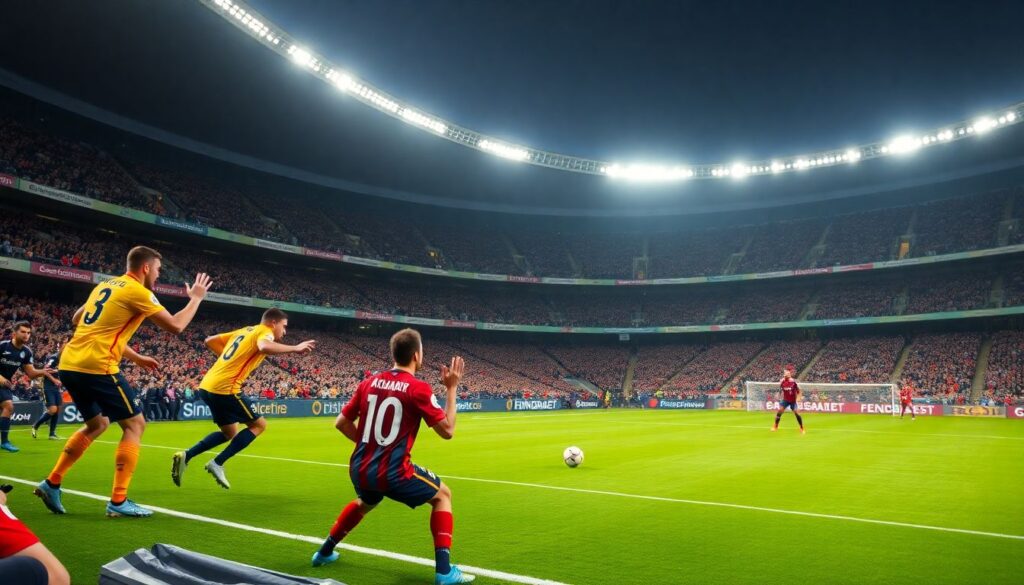
Use a Fenerbahçe-inspired style when you have fast wingers, a powerful striker, and fans who expect front-foot football. It is ideal for home matches, chasing games, and league contexts where opponents leave space in behind your front line.
Can a small club copy Galatasaray’s possession model successfully?
Yes, but only if you simplify it and recruit carefully. Focus on one or two buildup patterns, keep your pivot exceptionally secure in possession, and accept that you will not dominate the ball as completely as Galatasaray do against weaker Süper Lig opposition.
How important are set pieces for the big three compared to open play?
Set pieces are crucial, especially in tight matches where open-play dominance does not translate into goals. All three clubs have seasons where dead-ball situations decide titles, so investing training time into corners and free-kicks is a cheap, high-impact tactic.
Is there a clear tactical winner among the big three?
There is no absolute winner; the best choice depends on your squad and goals. For control, choose Galatasaray; for high-risk, high-reward attacking, choose Fenerbahçe; for balanced, budget-conscious stability, choose Beşiktaş as your reference model.
How often should a coach switch between these styles in one season?
Frequent full-style switches confuse players. Instead, pick one base model, then adjust intensity and risk levels weekly. For example, keep Galatasaray-like structure but add Fenerbahçe-like verticality only in specific game states like the last 20 minutes when chasing.