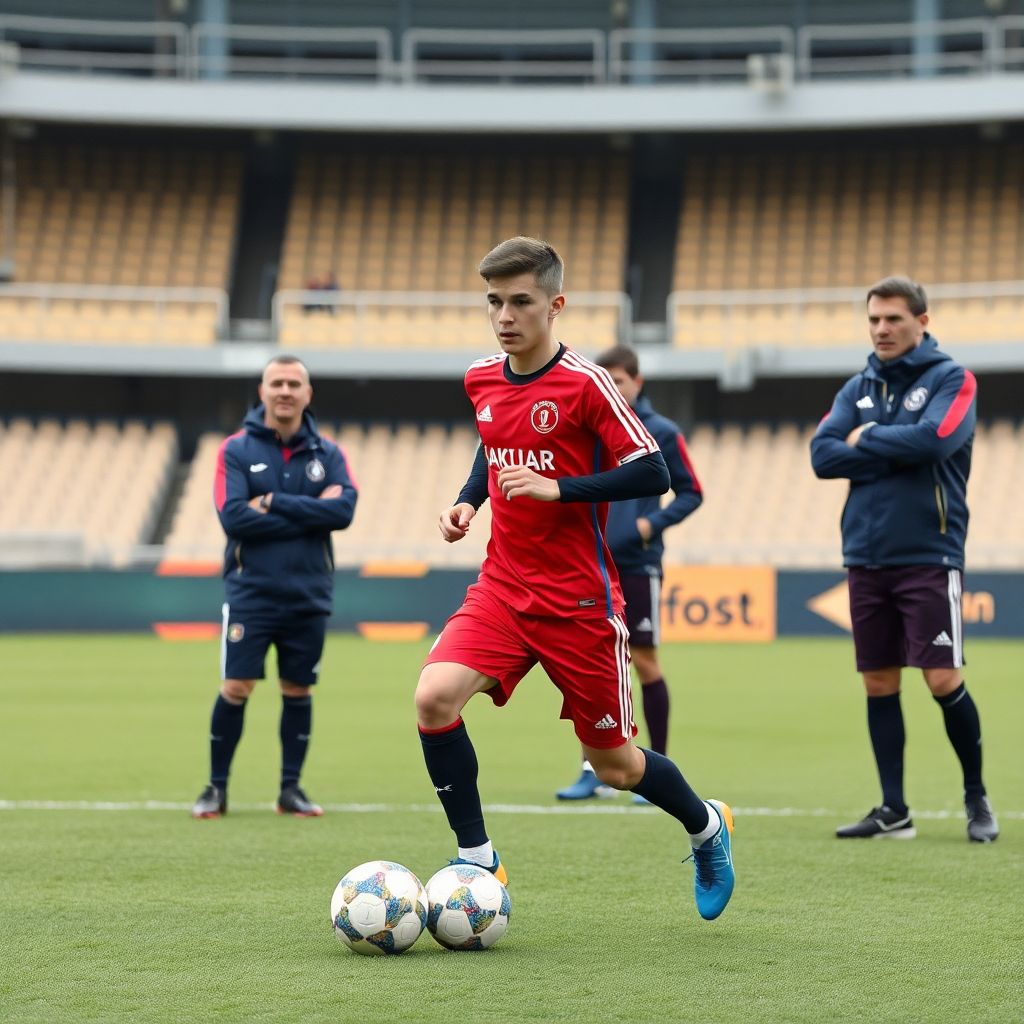
Turkey can produce a global superstar striker, but only if recurring mistakes in youth development, tactical training, and career management are fixed early. The priority is building complete forwards: technically sharp, tactically flexible, mentally resilient, and ready for European intensity. Fast prevention of common errors matters more than chasing short-term domestic goals.
Snapshot: Turkey’s striker outlook
- Technical ability is promising, but decision-making under pressure lags behind elite European standards.
- Youth coaching still over-rewards early physical maturity instead of game intelligence and off-ball movement.
- Club pressure for instant results slows integration of young number 9s into the Turkish Super Lig.
- Better planning of moves abroad is needed; many strikers transfer too early or to the wrong leagues.
- Video and data from the best Turkish football strikers highlights are underused as structured learning tools.
- With coordinated academies, tactical modernisation and smarter exports, a global-level Turkish striker is realistic.
Current generation: profile of Turkish forwards
The current crop of Turkish strikers and hybrid forwards combines strong finishing, aggressive mentality, and crowd-driven energy. Many grew up as classic penalty-box number 9s who rely on crosses, set pieces, and emotional momentum, especially in intense home stadium atmospheres across Turkey.
Compared with peers in leading European academies, Turkish forwards tend to be less complete outside the box. They often arrive in senior football with limited experience dropping between the lines, pressing in coordinated units, or linking play under pressure. This gap shows clearly when they move to higher-tempo leagues.
A typical pattern: a young striker explodes early in the league, appears regularly in Turkish Super Lig top scorers transfer news, then struggles when defences adapt. Without strong support in decision-making, body orientation, and movement against low blocks, progress stalls at a “good domestic scorer” level instead of a global superstar trajectory.
To reduce this ceiling effect, clubs and the federation should focus on three quick wins: systematically training strikers in different roles (target, runner, false 9), exposing them to high-intensity friendly matches against European teams, and using video sessions to break down best Turkish football strikers highlights into concrete, repeatable habits.
Youth systems: academies, scouting and talent ID
Youth systems in Turkey are capable of producing excellent strikers, but the mechanics of academies and scouting still contain several repeating errors that can be corrected quickly.
- Over-valuing early physical strength
Scouts often prioritise tall, strong boys who dominate U13-U15 games. Later-maturing players with better awareness and first touch get overlooked, even in leading Turkish football academies for youth strikers. - Short training blocks for finishing variety
Finishing drills are intense but short and repetitive. Players practise the same shot types instead of a catalogue of finishes (one-touch, across the keeper, chipped, far-post curls, weak-foot volleys). - Limited game-like decision-making
Training frequently isolates technique from context: volleys without defenders, shots without pressure, crossing drills without changing angles. The result: clean strikes in warm‑ups, rushed decisions in real matches. - Inconsistent individual development plans
Few academies run a documented, striker-specific plan from U14 to U19, with targets for pressing intensity, sprint metrics, link-up quality, and mental skills. - Weak communication between school, family and club
Sleep, nutrition, and emotional stability affect growth heavily. With poor coordination, even top talents arrive at evening sessions tired or unfocused, limiting progression. - Reactive, not proactive, scouting
Clubs sometimes discover strikers only after big youth tournaments instead of tracking them from earlier categories, which allows other clubs or agents to control the development path.
To prevent these issues fast, academies should: 1) rate U13-U16 strikers with a balanced scoring system (technique, game intelligence, mentality, physicality); 2) document simple individual plans; 3) weekly include game-realistic finishing games (small-sided with zones, touches, and time limits).
Applied scenarios: typical development pathways inside Turkey
Scenario 1: A 15-year-old late-maturing striker with great movement is ignored for lack of strength. Fix: keep him in a competitive group, add strength work and video analysis of elite movers, and delay final judgments on his ceiling by two seasons.
Scenario 2: A powerful U17 forward scores many academy goals from crosses but rarely from combinations. Fix: add mandatory wall-pass and lay-off drills before every finishing session, then track how many of his goals come after one- or two-touch link-up in match reports.
Tactical evolution: how modern striker roles shape development
Modern football demands strikers who do much more than finish chances. The role now blends pressing, link play, wide movements, and constant scanning, which must be built into youth training in Turkey from early ages.
- Pressing leader in high blocks
In many European teams, the striker sets pressing triggers, curves runs to block passing lanes, and coordinates with wingers. Turkish forwards often press with heart but not with collective timing, which top coaches quickly punish. - Connector between midfield and wide players
Elite strikers drop in to receive between lines, play one-touch passes wide, then attack the box. Without training these patterns, Turkish strikers can become invisible when opponents sit deep. - Wide-channel runner
Instead of waiting centrally, strikers increasingly attack half-spaces and channels, stretching back lines. Many local strikers prefer staying between centre-backs, reducing unpredictability and limiting their appeal abroad. - First defender in counter-press
Immediately after losing the ball, the number 9 must press intelligently, force play wide, and buy time. Youth training in Turkey often treats this as a bonus effort, not a core responsibility. - Set-piece specialist on both ends
Superstars are valuable on offensive and defensive set pieces. Timing runs, blocking, and attacking the ball need deliberate practice, not just “effort” during corners.
Quick prevention methods: add role-specific tasks into every game (e.g., “striker must initiate three coordinated presses per half”), use simple pressing cues (“when full-back receives facing own goal, sprint to lock him”), and assign every striker personal clips from best Turkish football strikers highlights that mirror his desired role.
Export pipeline: pathways to top European leagues
Pathways from Turkey to top European leagues exist, but mismanaged transfers, poor timing, and unrealistic expectations frequently block progress towards genuine world-class status. The export pipeline needs a structured view of benefits and risks for young forwards.
Upsides of moving from Turkey to major leagues
- Higher tempo and physical intensity accelerate adaptation to global standards.
- Daily training with elite defenders improves first touch, protection of the ball, and decision speed.
- Sports science and analysis support (GPS, video, data) make weaknesses visible earlier.
- Performance on big stages increases marketing value, shirt sales and fan base, influencing how many neutral fans want to buy turkey national team jersey 2024 or later editions.
- Success abroad raises the reputation of Turkish strikers, drawing more scouts to the domestic league.
Constraints and frequent export mistakes
- Transfers based only on goals or hype, not on style fit with the new league or coach.
- Moving to clubs where the striker is third or fourth choice, leading to limited minutes and stalled growth.
- Inadequate language and cultural preparation, creating isolation and confidence loss.
- Agents pushing short-term financial gain instead of long-term career architecture.
- National team pressure: expectations spike after strong games, especially around events linked to turkey national team tickets euro 2024, and can distort development priorities.
To reduce risks fast, clubs and families should demand two simple things before any move: 1) a clear sporting plan from the buying club (expected role, minutes, and development targets), and 2) a transition program (language tutor, physical preparation benchmarks, and realistic playing-time expectations).
Bottlenecks: technical, physical and institutional constraints
Several bottlenecks keep Turkish strikers from turning strong domestic form into global superstardom. Most are preventable if identified early and handled systematically by academies and clubs.
- Myth: “A natural finisher doesn’t need much coaching”
Reality: even elite finishers constantly refine timing, body shapes and deception. Prevention: build weekly micro-blocks of finishing with deliberate variation, not just free shooting. - Myth: “Strikers should conserve energy and wait for chances”
Reality: modern forwards are high-volume runners and pressing leaders. Prevention: track high-speed runs and presses for strikers in training and matches; reward work rate as much as goals in youth reports. - Error: Ignoring weak foot development
Many Turkish forwards avoid their weaker foot entirely until late. Prevention: 15-20 minutes per session where finishing or passing is allowed only with the weaker foot, with simple, positive feedback. - Error: Overloading young bodies without structured recovery
Playing for school, club and regional teams in the same week without recovery planning damages long-term power and availability. Prevention: centralise load monitoring across teams for registered academy players. - Institutional habit: Short-term bias in first teams
Coaches under pressure keep trusting experienced strikers, even in low-stakes games. Prevention: every club agrees internal minutes targets for U21 strikers in league and cup, with board-level protection for coaches who follow the plan. - Perception issue: Over-valuing local dominance
Big domestic games generate huge emotion, but the gap to elite European matches remains. Prevention: benchmark strikers not only against league rivals but also against age-matched peers abroad using objective metrics and case studies.
Clubs should also treat Turkish super lig top scorers transfer news with caution: scoring many domestic goals is not an automatic indicator of readiness for a top-5 league or Champions League intensity.
Roadmap: practical measures to cultivate a global superstar
A realistic roadmap combines technical detail, tactical education, mental preparation, and smart career decisions. Below is a simple, practice-oriented structure that Turkish clubs and the federation can adapt quickly.
Mini case study: Turkish prospect vs. European peer
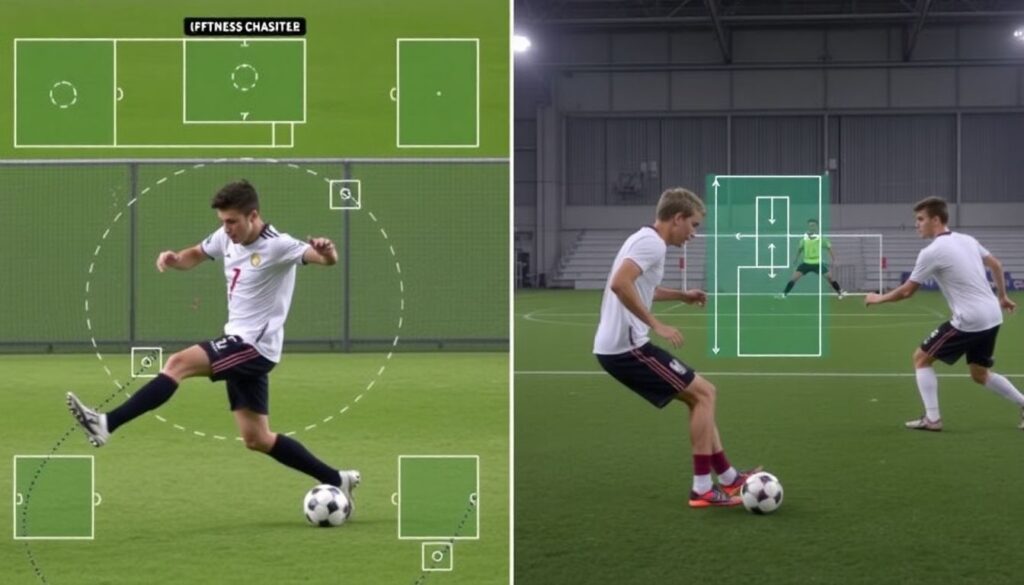
Imagine two 17-year-old strikers: one from a major Istanbul academy, one from a Bundesliga academy. Both score frequently. The European prospect, however, logs detailed data on pressing actions, sprints, and link-up contributions and reviews personal clips twice a week. The Turkish forward mostly sees only his goals in highlight edits.
After two years, the Bundesliga striker adapts easily to senior level because his game has been built to fit modern demands. The Turkish player might still score, but his pressing patterns, movement in tight spaces, and ability to combine under pressure remain underdeveloped. The difference is not talent; it is structure, repetition, and feedback.
Practical roadmap for clubs and federation
- Define a “modern Turkish striker” profile
Describe desired technical, tactical, physical and psychological attributes per age stage (U13, U15, U17, U19). Make this profile public across Turkish football academies for youth strikers so everyone works towards the same model. - Integrate video and data from early ages
For U15-U19, schedule one short video session per week. Use clips from domestic matches and best Turkish football strikers highlights plus international examples. Focus on one topic per week (pressing triggers, near-post runs, layoffs, second-post timing). - Standardise striker-specific drills nationally
Create a shared drill library emphasizing: 1v1 finishing under pressure, combination play at the edge of the box, pressing cues, and set-piece movements. Make it easy for smaller clubs to copy. - Guarantee structured minutes in senior football
Set minimum annual minutes for U21 strikers across league, cup, and reserve competitions. Track compliance at federation level and link incentives (e.g., solidarity payments, recognition) to clubs that hit targets. - Design safe “step ladders” for moves abroad
Before a big transfer, use a step approach: domestic breakthrough, then mid-tier European league, then top league. Ensure that every move includes a clear playing-time plan instead of only appearance bonuses. - Support national-team integration smartly
When a young striker debuts for the national team, manage expectations around major tournaments and qualifiers. Communication around turkey national team tickets euro 2024 and later events should highlight long-term development, not demand instant superstardom.
If these steps are executed consistently, the question will shift from “Can Turkey produce a global superstar striker?” to “Which of the current generation will get there first?”
Lingering questions from coaches and scouts
What is the single fastest change that can improve Turkish striker development?
Introduce weekly, game-realistic finishing and decision-making games at academy level. Small-sided formats with pressure, time limits, and specific movement tasks build habits that transfer directly from training to high-intensity matches.
How should clubs use highlight videos without creating “YouTube players”?
Use highlights as teaching tools, not marketing. Break clips into themes (pressing, movement, link-up) and ask players to identify behaviours they can copy. Compare their own actions to those in the clips instead of just celebrating spectacular goals.
When is the right time for a Turkish striker to move abroad?
When he is already dominating domestically in multiple dimensions: goals, pressing, link play and consistency. A move should happen only when a foreign club presents a clear role, realistic playing-time plan, and support structure, not just a transfer fee.
How can smaller clubs without big budgets still develop elite forwards?
Focus on organisation and repetition, not expensive technology. Use simple GPS or manual tracking for high-intensity runs, schedule regular video from one camera angle, and copy proven drill libraries and development plans from larger academies.
What should national-team staff prioritise to help young strikers?
Give them clear, simple roles and stable partnerships in attack, even in friendly matches. Use camps to work on modern striker behaviours-pressing and off-ball movement-rather than only short finishing drills before games.
How can fans indirectly support the rise of a superstar Turkish striker?
Value all-round contributions, not just goals. Support coaches who give minutes to young forwards and stay patient with learning mistakes. Buying tickets, shirts and merchandise, such as when people buy turkey national team jersey 2024, rewards clubs and the federation for investing in youth.