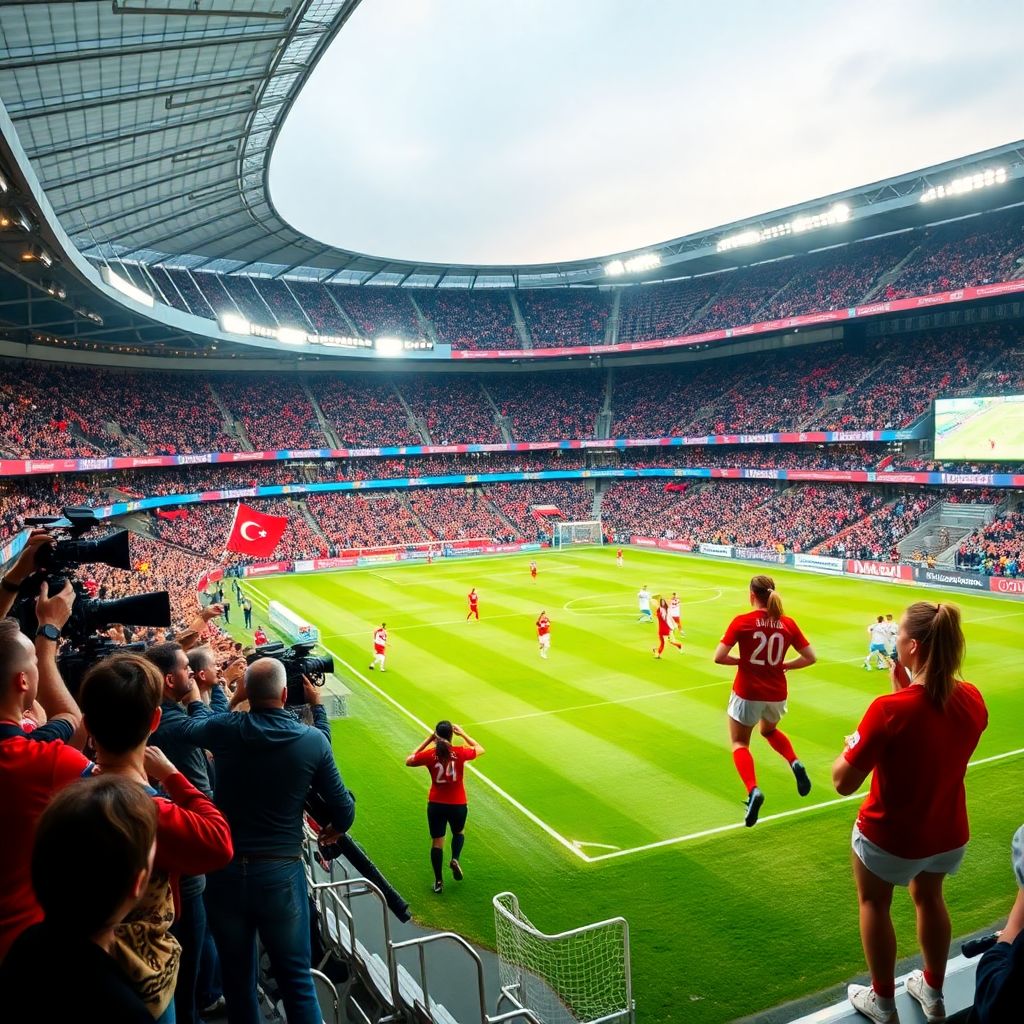
Women’s football in Turkey and Europe is no longer a niche side-project but an under-monetised growth market. If federations, clubs, brands and media treat it as a long-term asset, then it can deliver new fans, commercial value and social impact; if they ignore it, then they surrender audience, talent and credibility.
Debunking Myths That Mask the Sport’s Progress
- If you think there is “no audience” for women’s football, then you overlook growing matchday and streaming followings that respond quickly to targeted investment.
- If you assume sponsors are not interested, then you miss focused women's football Europe sponsorship opportunities where brands actively seek inclusive narratives.
- If you believe Turkey is “too far behind”, then you ignore how fast women's football academy and talent development programs Europe-style can be localised when big men's clubs engage.
- If you treat women’s soccer broadcasting rights Europe and Turkey as add-ons, then you undervalue bundled packages that can lift overall media deals.
- If you think professionalisation must copy men’s football exactly, then you risk over-spending on wages instead of community, content and game-day experience.
Current Landscape in Turkey: Clubs, Leagues, Participation Trends
Women’s football in Turkey sits at a transition point between amateur roots and a more structured, semi-professional ecosystem. Top men’s clubs adding women’s teams have increased visibility, but the depth of leagues, youth pathways and regional coverage is still uneven. The basic definition: a growing yet fragile market that requires planned, layered development.
If you are mapping the ecosystem, then think in three layers: elite clubs connected to big brands, semi-professional teams tied to municipalities or universities, and grassroots schools and community projects. The gaps between these layers limit upward movement for players, coaches and administrators, especially outside the largest cities.
Participation trends show more girls entering the game through schools and informal play, but many drop out in late teens when education, family pressure and lack of clear career paths collide. If federations and clubs ignore this transition phase, then they lose the most promising generation before it reaches senior level.
For international investors, the landscape means this: if you are interested in investing in women's football clubs in Turkey and Europe, then Turkey offers comparatively low entry costs but demands hands-on support in governance, marketing and infrastructure, not just financial input.
How European Markets Differ: Professionalisation, Investment, and Fan Growth
European women’s leagues offer a useful contrast in how to structure growth. The mechanics differ, but several patterns repeat.
- If national associations integrate women’s football into long-term strategic plans, then leagues gain stability through aligned calendars, licensing and youth development obligations.
- If top men’s clubs embed professional women’s sections (shared training centres, medical staff, digital channels), then women’s teams benefit from existing brands and fanbases instead of starting from zero.
- If leagues centralise part of their commercial rights, then they can negotiate stronger women's soccer broadcasting rights Europe-wide and reinvest revenues across all clubs.
- If governments and municipalities include women’s football in public sport and equality policies, then facilities, school access and safety standards improve more evenly across regions.
- If clubs see women’s football as a laboratory for innovation, then they experiment earlier with dynamic ticket pricing, family-oriented matchdays and digital fan engagement.
- If specialist agencies provide women's football marketing and branding services Europe-wide, then brand storytelling, sponsorship packaging and content production become more professional, attracting non-traditional sponsors.
This creates a ladder effect: if each layer (federation, league, clubs, media, grassroots) plays its role, then professionalisation looks less like isolated club success and more like a reliable system into which Turkey can plug via cross-border partnerships.
Structural Barriers: Funding Models, Facilities, and Governance Gaps
Several recurring structural issues slow the growth of women’s football in Turkey and parts of Europe.
- Short-term, donation-style funding – If clubs rely on one-off donations or a single municipal budget line, then any political or economic change can destabilise entire squads, leading to unpaid wages and withdrawn teams.
- Limited access to quality facilities – If women's teams always train at night on poor pitches and lack medical and performance support, then injury risk rises and the playing standard plateaus, regardless of coaching quality.
- Weak governance and unclear standards – If leagues do not enforce licensing criteria (minimum staff, youth teams, facilities), then ambitious clubs have little incentive to invest, because competitors can cut corners without consequence.
- Fragmented talent pathways – If there is no coherent ladder from school to club to national youth teams, then many talented players drift into futsal, other sports, or out of sport entirely after school.
- Lack of specialist staff – If clubs assign women's teams to part-time administrators without expertise in women's football marketing and branding services Europe-level, then sponsorship, fan engagement and community work remain underdeveloped.
- Opaque data and reporting – If stakeholders do not track attendance, participation and commercial revenue separately, then they cannot make the case for targeted investment in women’s football to boards or public authorities.
Socio‑cultural Constraints: Media Coverage, Stereotypes, and Community Pathways
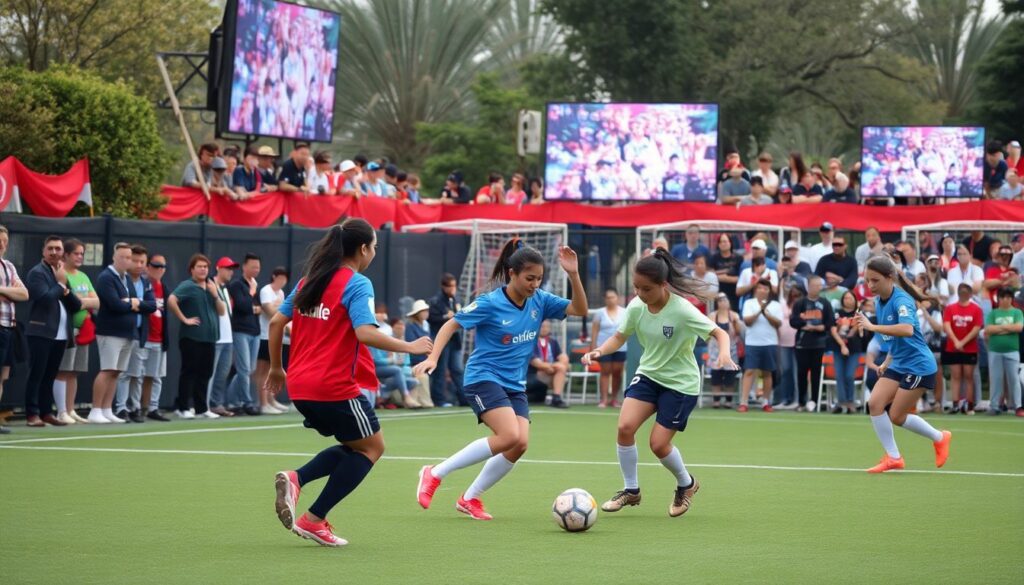
Social attitudes, media practices and local pathways shape how girls and women experience football. These can both help and hinder progress.
Positive drivers that can accelerate inclusion and growth
- If schools, municipalities and NGOs run mixed-gender football programs, then girls normalise playing from an early age and families become more supportive.
- If mainstream broadcasters treat women’s matches as regular content (not only on special days), then visibility grows and fans perceive women’s football as part of the standard calendar.
- If successful women players and coaches from Turkey and Europe are promoted as role models, then younger girls see realistic pathways and are more likely to persist through teenage years.
- If clubs connect women’s teams with community projects on education, employment and gender equality, then local authorities and sponsors have more reasons to back them.
Persistent constraints that still hold the game back
- If families worry about safety, late training hours or travel, then many girls are prevented from joining clubs even when they are motivated.
- If media focus on appearance, private life or stereotypes instead of performance, then they reinforce the idea that women’s football is entertainment, not serious sport.
- If informal community pathways (street football, schoolyard games) are dominated by boys who exclude girls, then many future players never even take their first step.
- If commentators and fans constantly compare women's matches to the men’s game, then expectations become unfair and appreciation for tactical and technical progress is diminished.
Hidden Opportunities: Talent Pipelines, Commercial Niches, and Cross‑border Partnerships
Behind the challenges lie under-exploited opportunities. Many are still invisible because stakeholders apply old assumptions.
- Myth: Women’s football cannot be commercially viable. If you design tailored packages around women's football Europe sponsorship opportunities (diversity campaigns, family products, education), then you unlock new budget lines beyond traditional football sponsors.
- Myth: Youth development is too expensive. If federations and clubs invest smartly in women's football academy and talent development programs Europe-style (regional hubs, shared coaches, school partnerships), then they raise standards while spreading costs across institutions.
- Myth: Broadcasting rights are worth almost nothing. If leagues negotiate women's soccer broadcasting rights Europe and Turkey as strategic assets (for streaming platforms, public broadcasters, and club-owned channels), then they gain both revenue and powerful marketing visibility.
- Myth: Only big clubs can build a fanbase. If smaller clubs focus on tight local communities, schools and social media storytelling, then they can develop loyal micro-fanbases that attract local sponsors and build strong match atmospheres.
- Myth: Marketing for women's football is the same as for men's. If clubs work with agencies providing women's football marketing and branding services Europe-wide, then campaigns better reflect the players’ stories, community roots and inclusive positioning, which resonates more with new audiences.
- Myth: Cross-border investment is too risky. If you are investing in women's football clubs in Turkey and Europe through phased partnerships (shared scouting, tours, coach exchanges, joint academies), then you spread risk and build value gradually instead of betting everything on quick glory.
Practical Roadmap: Concrete Measures for Federations, Clubs and Sponsors
Recommendations become more actionable when framed as clear if-then rules. The following roadmap translates strategic goals into practical next steps for key stakeholders in Turkey and in linked European markets.
If you are a federation or league organiser
- If you want predictable growth, then set a minimum multi-year budget line for women’s football and protect it from yearly political changes.
- If you license clubs into the top division, then require basic standards: youth teams, qualified coaches, medical support and guaranteed access to proper pitches.
- If you negotiate central media deals, then ring-fence a share of income linked to women's soccer broadcasting rights Europe and Turkey for reinvestment into academies and grassroots girls’ programs.
- If you seek faster progress, then benchmark against leading women's football academy and talent development programs Europe-wide and adapt their structures to Turkish realities rather than copying blindly.
If you are a club (men’s or women’s)
- If you operate a men’s club without a women’s section, then start with a realistic three-year plan: launch a women’s team, build two youth age groups, and appoint at least one full-time coordinator.
- If your women’s team lacks sponsors, then package assets differently: storytelling content, school visits, joint CSR projects and digital integrations instead of only shirt logos.
- If you want to attract international partners, then position your women’s team as a platform for investing in women's football clubs in Turkey and Europe via shared scouting, pre-season tours and exchange of best practices.
- If your fanbase is heavily male, then design matchday experiences focused on families and young girls (timing, pricing, activities) to build a more balanced crowd.
If you are a sponsor or brand
- If you seek authentic gender-equality storytelling, then prioritise women's football Europe sponsorship opportunities that include community projects, not only shirt exposure.
- If you are entering the Turkish market, then partner with clubs that integrate girls’ academies, education and career support into their women’s programs.
- If you care about measurable impact, then agree on clear KPIs: number of girls participating, coaching qualifications improved, content reach and sentiment – and report them annually.
If you are a broadcaster or digital platform
- If you want low-cost, high-engagement content, then produce shoulder programming around women’s leagues: documentaries, player diaries, tactical shows and youth tournaments.
- If you already hold rights to men’s competitions, then bundle women's soccer broadcasting rights Europe and Turkey into packages that encourage viewers to discover new teams and stories.
- If you aim to reach younger and more diverse audiences, then experiment with alternative formats: shorter highlights, live social streams and co-commentary with players and influencers.
Mini illustrative pathway: from pilot to sustainable program
If a mid-table Turkish club launches a women’s team with one local sponsor and school partnerships, then within two seasons it can grow a small but loyal fanbase. If it then links with a mid-tier European club for shared camps and content, then both sides gain: Turkish talent exposure, European club authenticity and sponsors reaching cross-border audiences.
Concise Answers to Practical Concerns and Implementation Questions
How can a Turkish club start a women’s program with limited resources?
If a club has little budget, then start with one senior team and a single youth age group, share facilities with men’s teams, and prioritise volunteer coaches while gradually adding paid roles as sponsorship grows.
Are women’s teams commercially interesting for sponsors in Turkey?
If sponsors target youth, families or gender-equality themes, then women’s teams offer cleaner branding space, lower entry costs and more flexible storytelling than many saturated men’s properties.
What makes investing in women's football clubs in Turkey and Europe less risky?
If investors use phased commitments, co-invest with local partners and focus on governance and youth systems, then they reduce risk compared with pure wage or transfer spending.
How important are dedicated academies for long-term success?
If a country wants sustainable national teams and competitive clubs, then dedicated women's football academy and talent development programs Europe-style are essential; relying only on converted players from other sports will not be enough.
Can smaller broadcasters benefit from women’s football rights?
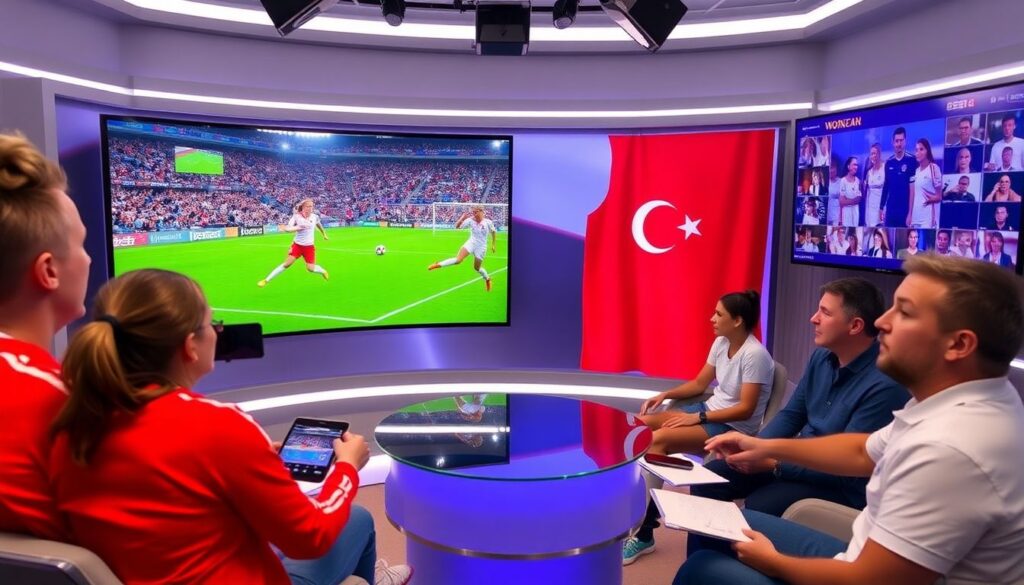
If smaller broadcasters or digital platforms package women's soccer broadcasting rights Europe and Turkey with creative formats and community outreach, then they can differentiate from larger competitors and build loyal niche audiences.
Do clubs need specialist marketing for women’s football?
If clubs rely only on generic football promotion, then they usually underperform; using women's football marketing and branding services Europe-focused helps align campaigns with the sport’s specific audience and values.
What first step should a national federation take to accelerate growth?
If a federation must choose one first move, then anchoring a protected multi-year budget and clear licensing criteria for women’s clubs will create the conditions for all other initiatives to succeed.