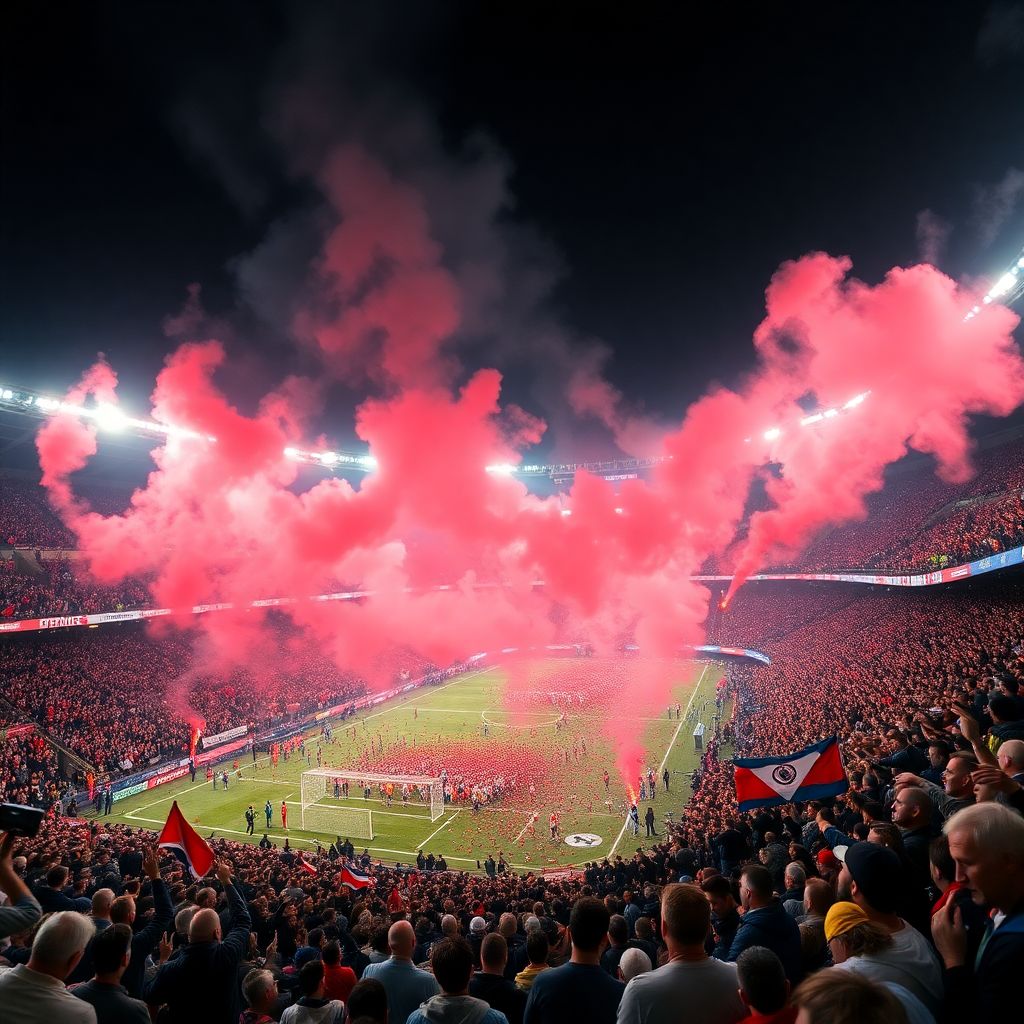
Istanbul derbies feel different because they mix deeply rooted club identities, territorial rivalry, intense sensory stimulation in the stadium, and extreme expectations from fans and media. These factors raise emotional arousal for players and supporters, distort risk perception, and make every incident look larger, louder, and more meaningful than in normal league games.
Core Psychological Drivers Behind Istanbul Derbies
- Historic club identities and memories of past clashes shape how fans and players interpret every moment.
- Territorial belonging splits the city into symbolic zones of influence and protection.
- Stadium acoustics and crowd density magnify emotions and narrow attention.
- Rituals, colors, and banners act as emotional triggers and group signals.
- Media and social media framing strengthen expectations of drama and conflict.
- Players face extreme pressure that alters decision‑making and tactical choices.
Historical Identity and Collective Memory in Istanbul Football
Historical identity in Istanbul football is the shared story that clubs and fans tell about who they are, whom they oppose, and what past victories or injustices still matter. Collective memory is not neutral history; it is a selective narrative that highlights specific matches, goals, and incidents.
In the Galatasaray-Fenerbahce rivalry, certain derbies become reference points: famous comebacks, controversial red cards, or title‑deciding games. Even when people buy Istanbul derby tickets Galatasaray Fenerbahce today, they do so with these past images in mind, expecting history to repeat or be corrected.
This identity defines psychological boundaries. Fans see their club as an extension of self, so insults or defeats feel personal. Players who arrive from abroad quickly learn that these games carry more than three points; they inherit stories about legendary captains, hostile away trips, and lines that must never be crossed.
For practitioners, this means:
- Coaches should reference history carefully, using positive memories to build confidence rather than reopening old traumas.
- Security teams must know the matches and incidents that still fuel anger to anticipate flashpoints.
- Journalists should differentiate between myth and fact, explaining why some memories are exaggerated but still powerful.
Territoriality, Group Identity and Rivalry Dynamics
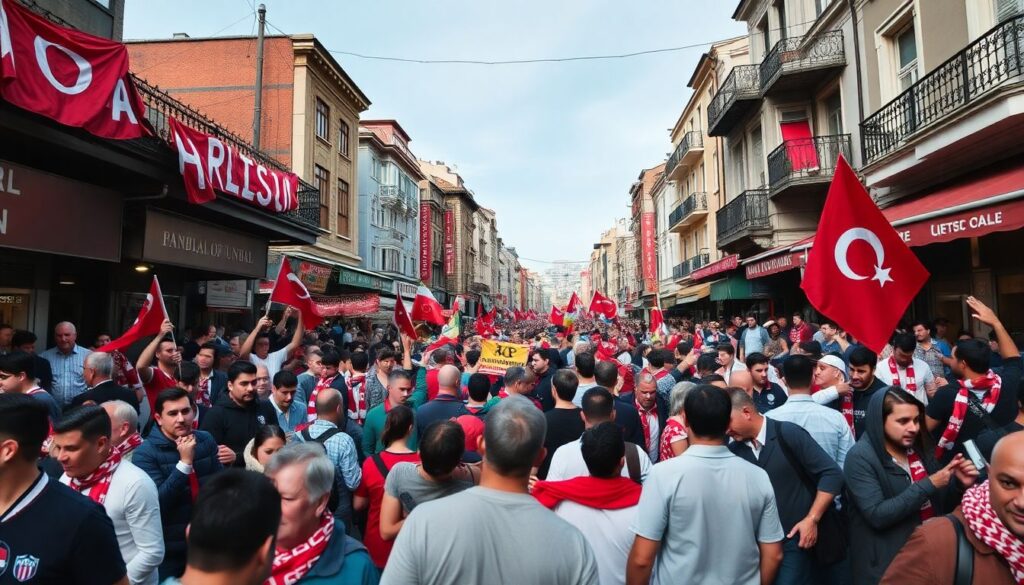
Territoriality is the psychological claim to space: neighborhoods, stands, routes to the stadium. In Istanbul, it interacts with group identity and rivalry in specific, predictable ways.
- In‑city spatial division – Fans associate certain districts, cafés, and even ferries with their club. Crossing into rival territory on derby day increases alertness, group cohesion, and readiness for confrontation.
- Home vs away sectors – The separation of fan sections turns the stadium into visible territories. Choreos and chants defend this space, and any incursion (e.g., a rival flag in the wrong stand) feels like a serious violation.
- Us vs them narratives – Group identity sharpens during derbies. Fans talk about fairness, passion, and authenticity as if one side owns these values and the other side lacks them, which can justify extreme behavior.
- Symbolic hierarchy – Every win or banner is interpreted as proof of superiority. Losing a derby feels like a temporary loss of status in the city, which can trigger anger or denial.
- Online territoriality – Social media threads, hashtags, and fan forums become virtual territories. Memes and clips circulate to defend honor or attack the rival community, keeping hostility alive long after the final whistle.
- Commercial extensions – Even the choice of where to buy from a Galatasaray Fenerbahce derby merchandise online store can feel like territorial loyalty, reinforcing the sense that every financial decision is a political act in the rivalry.
Stadium Atmosphere: Acoustics, Crowd Density and Sensory Cues
Stadium atmosphere is not only noise and color; it is a precise combination of acoustics, crowd density, visual cues, and bodily sensations that change how brains process information. In Istanbul, modern arenas and traditional supporter culture produce especially intense environments.
Typical psychological scenarios include:
- Sound pressure and timing – Chants timed around free kicks or penalties can disrupt an opponent's concentration. Home players can experience this as support, while away players may feel cognitive overload, leading to rushed or frozen decisions.
- Crowd density and perceived safety – Tightly packed stands create a sense of anonymity. Individuals feel less visible and more likely to follow group behavior, whether it is supportive singing or aggressive shouting.
- Visual choreography – Large tifos, flares, and coordinated colors turn the pitch into a stage. Players see massive symbols behind the goals, which unconsciously signal the importance of each action and increase performance pressure.
- Body sensations – Vibrations from jumping stands, the smell of flares, and cold or rainy weather all feed into emotional arousal. The body interprets this arousal as excitement or anxiety depending on prior expectations.
- Hospitality zones vs regular stands – People using Istanbul football derby VIP hospitality packages experience a different atmosphere: more comfort, less crowd stress, but also more distance from the raw emotional core. This can change how they interpret the same match events.
- Tourist perspective – Visitors on Istanbul derby football tours match day experience often focus on spectacle and novelty. Their lower emotional investment can make them more objective observers but also less sensitive to subtle tension spikes.
Coaches and staff can treat atmosphere as a controllable variable. Training with simulated noise, re‑framing the crowd as a source of energy rather than threat, and clear pre‑agreed communication signals all help players handle these sensory demands.
Rituals, Symbols and the Mobilization of Fan Emotion
Rituals and symbols are tools that mobilize and direct emotion. They help fans switch into "derby mode", feel part of something larger, and coordinate behavior without explicit instruction.
Emotional and tactical advantages of derby rituals
- Rituals (marches, songs, pre‑match gatherings) create predictability, which lowers anxiety for many supporters.
- Shared symbols (scarves, flags, colors) strengthen group identity and make social norms visible: who belongs where and how to act.
- Pre‑organized choreographies send strong signals to players that the group stands behind them, boosting perceived self‑efficacy.
- Routines for arrival, chants on specific minutes, and call‑and‑response songs help structure the emotional timeline of the match.
- Club traditions around victory or defeat help fans process results, making them feel less isolated in their joy or frustration.
Constraints and risks of symbolic escalation
- Highly provocative banners or chants can lock fans into an "honor defence" mindset, making it harder to de‑escalate conflicts.
- Some rituals may exclude newcomers, women, or younger fans, limiting diversity and creating internal tension.
- Overly aggressive symbolism makes it easier for outsiders to stereotype all supporters as violent, hurting the club's reputation.
- If symbols become more important than the actual game, small perceived "disrespect" (e.g., stepping on a flag) can trigger outsized reactions.
- Commercialization of rituals (e.g., expensive mandatory items) can split the fan base between "real" and "consumer" supporters.
Media Framing, Social Media Amplification and Expectation Effects
Media framing sets the mental script for how people expect a derby to unfold. Headlines, graphics, and studio debates highlight conflict, revenge, or "war" metaphors, which prime audiences for extreme interpretations of normal football events.
- Myth: "Derbies cannot be rationally analysed" – In reality, many tactical and psychological patterns repeat. Overfocus on "magic" hides preparation, game plans, and emotional regulation work done by staff and players.
- Myth: "Form does not matter at all" – While derbies can defy league form, existing strengths and weaknesses still count. Believing that form is irrelevant can mislead those who bet on Istanbul derby Galatasaray vs Fenerbahce odds, giving too much weight to emotion and too little to data.
- Myth: "Crowd always helps the home team" – Excessive pressure from home fans can turn into fear of failure. Sometimes the home side plays tighter and more anxious than the visitor.
- Myth: "Violence is inevitable" – Historical data from many derbies show that strong planning, fair policing, and responsible media tone can significantly reduce incidents. Treating violence as inevitable becomes a self‑fulfilling narrative.
- Myth: "Social media just reflects reality" – In practice, it amplifies extremes. The loudest, angriest voices get attention; moderate views disappear, shaping a distorted sense of what "everyone" thinks.
- Myth: "Players do not read or care" – Many players and their families consume media content. Harsh framing can increase pressure, especially for goalkeepers and referees who feel constantly under public review.
Player Psychology: Pressure, Arousal Regulation and Tactical Response
For players, a derby is a psychological stress test. They must regulate arousal (not too low, not too high), keep tactical discipline under emotional fire, and manage fear of failure in front of millions of observers.
Mini case: how a young defender experiences an Istanbul derby
Imagine a young centre‑back starting his first Galatasaray-Fenerbahce match. In the tunnel, noise from the stands shakes his chest. He thinks about past mistakes and potential headlines. His heart rate spikes, and his field of attention narrows: he tracks only the striker, forgetting communication with full‑backs.
Early in the match, a misjudged tackle brings a yellow card. Now fear of a second booking enters his mind. Instead of stepping in decisively, he starts to drop deeper, creating space between lines. The opponent exploits this gap to receive between midfield and defence, shifting the tactical pattern of the whole game.
Short mental algorithm for evaluating a derby result
Coaches, analysts, and even fans can use a simple check sequence to understand what they just watched instead of reacting only with emotion:
- Separate context from score – Note final result and key events (red cards, penalties, injuries) without judging them yet.
- Assess emotional control – Ask: which team managed pressure better in first 20 minutes, after goals, and after referee decisions?
- Check tactical adherence – List 2-3 planned principles (pressing height, build‑up pattern, transition shape). Did emotion push players away from these?
- Evaluate turning points – Identify 3-5 moments where psychology clearly influenced decisions (rash tackles, rushed shots, arguments with referee).
- Compare to "normal" games – Decide which behaviours were derby‑specific (over‑aggression, over‑caution) and which reflect deeper structural issues.
- Translate to next steps – Define 1-2 mental skills to train (breathing routines, communication scripts, "reset" phrases) before the next big match.
Using this algorithm shortly after a game helps clubs avoid overreacting to a single result while still respecting how unique derbies feel mentally and tactically.
Practical Questions About Interpreting Derby Behavior
Why do Istanbul derbies feel more intense than other big matches?
They combine long historical rivalry, city‑wide territorial identity, extremely loud stadiums, and strong media narratives. This mix raises emotional arousal, so every foul, chant, or referee call feels heavier and more personal than in most league fixtures.
How should a neutral visitor mentally prepare for a first Istanbul derby?
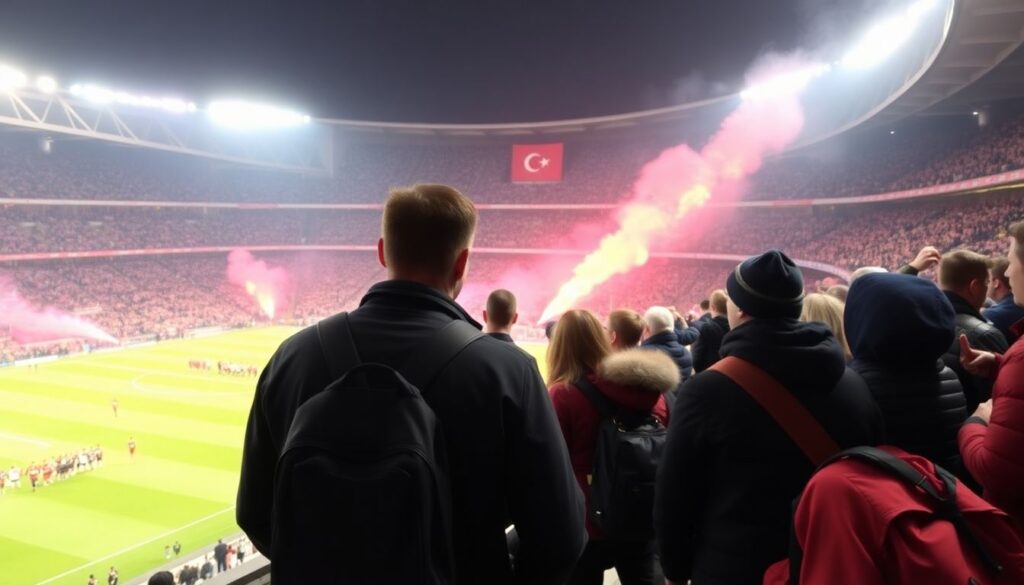
Arrive early, understand basic club histories, and expect high noise and emotional expressions that are not directed at you personally. If you join organised Istanbul derby football tours match day experience, follow guide instructions on routes and timing to stay in the safest, most enjoyable zones.
Does buying VIP hospitality change how you experience the psychology of the game?
Yes. Using Istanbul football derby VIP hospitality packages usually reduces crowd stress and physical discomfort, but it also distances you from ultra sections where emotional peaks are strongest. You will see the game more analytically, with slightly less raw immersion.
Is it rational to bet on Istanbul derbies, given their unpredictability?
Emotion and rivalry can distort odds and your own judgment. If you bet on Istanbul derby Galatasaray vs Fenerbahce odds, you should separate fan identity from analysis, look at injuries, tactics, and recent form, and only risk amounts you can completely afford to lose.
How can clubs help players cope with derby pressure?
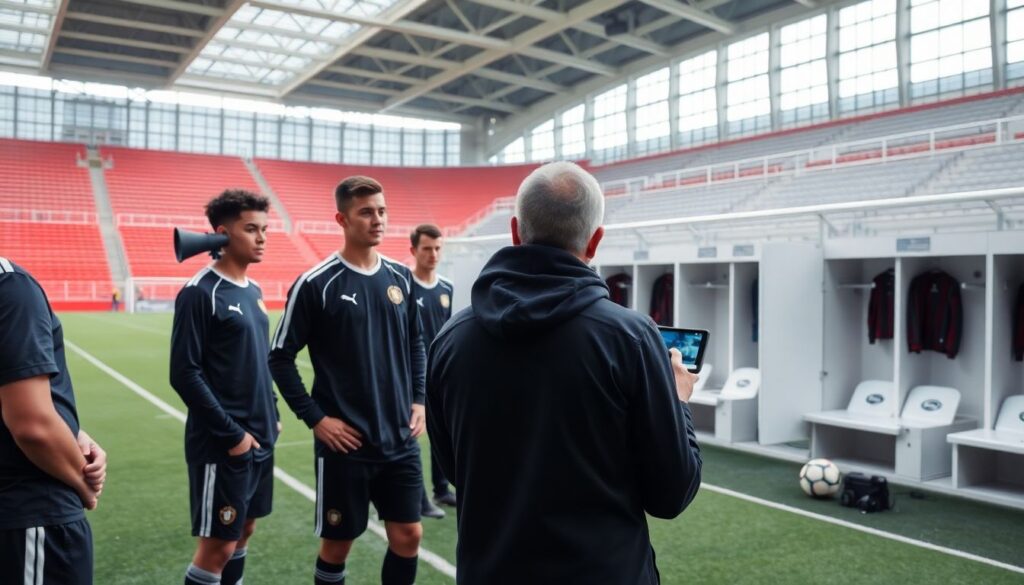
Clubs can practice with loudspeakers to simulate crowd noise, teach breathing and focus routines, and agree on simple communication codes. Reviewing video with psychological commentary after past derbies helps players recognize patterns of over‑aggression or fear and adjust before the next match.
Why do some fans feel "empty" the day after a derby?
They experience a rapid drop in adrenaline and emotional focus after a long build‑up. Whether the team wins or loses, the brain has to adjust from high intensity back to normal life, which can temporarily feel flat or meaningless.
Does buying official merchandise influence fan identity during derbies?
Yes. Choosing items from a Galatasaray Fenerbahce derby merchandise online store strengthens visible group belonging and often deepens emotional investment. Wearing colors in public before and after the game increases both pride and perceived risk of confrontation, so context awareness is important.