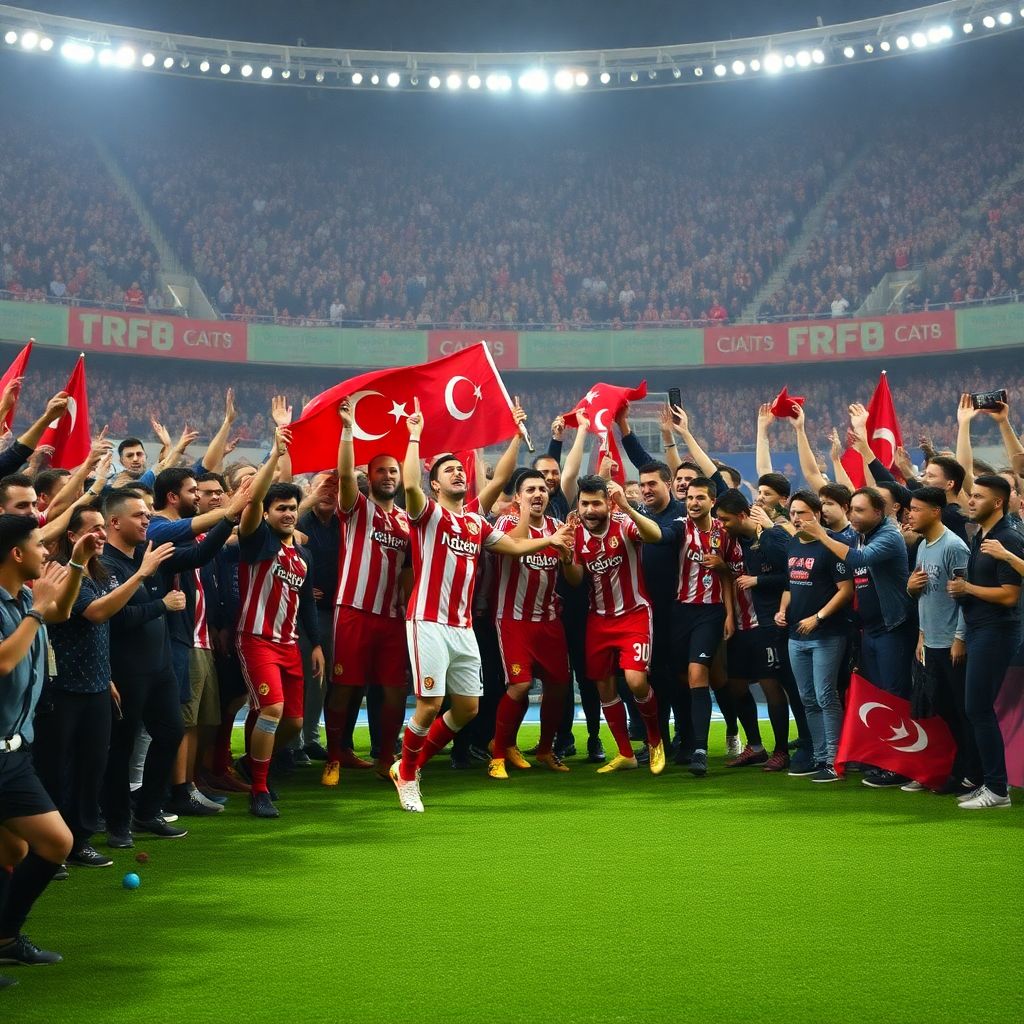
Lesser-known Turkish clubs are regional teams that rarely dominate headlines but occasionally reach the Turkish Super Lig or Europe and reshape Turkish football clubs history. They rely on local talent, tight budgets, and strong community identity. When conditions align, these underdogs beat giants, inspire fan bases nationwide, and even change league dynamics.
Quick Facts and Turning Points
- “Underdog” in Turkey usually means clubs outside Istanbul’s big three that punch above their weight for a season or a generation.
- Many breakthrough stories start in Anatolia, where economic hardship and strong local pride push clubs to be creative instead of rich.
- Pivotal matches against Istanbul giants often transform unknown sides into the best lesser known Turkish football teams in the public eye.
- Successful small clubs treat youth academies and local scouting as their main transfer market, not as a side project.
- Sustainable financial models focus on survival first, ambition second: avoiding risky loans and short-term transfer “splashes.”
- Regional identity turns modest stadiums into intimidating grounds, especially when results connect with local culture and history.
Debunking Myths: What Defines a Turkish Underdog Club
The common myth is that any club with a small stadium and budget automatically counts as an underdog. In reality, a Turkish underdog club is defined less by size and more by context: expectations, resources, and the scale of its achievements relative to those limits.
From the perspective of Turkish football clubs history, underdogs are clubs that temporarily disrupt the established hierarchy. They might be promoted from the second tier and immediately fight for Europe, or survive multiple Turkish Super Lig seasons despite minimal spending. Their “underdog” label is earned by overperforming, not by staying small.
Another misconception is that underdog success is pure luck. While luck in individual games matters, sustained overperformance usually combines three ingredients: a coherent sporting project, clever talent identification, and a clear club identity that keeps players and fans aligned. When those three converge, even outsiders can cause long-term shifts in the league storylines.
Anatolian Origins: Socioeconomic Roots of Regional Teams
Many fans assume Anatolian clubs are weak because they come from poorer, smaller cities. The reality is more complex: the same constraints that limit these clubs also force them to innovate and root themselves deeply in their communities.
- Industrial or agricultural base shapes funding. Cities built around factories, mines, or agriculture often have one main sponsor. When the local economy booms, the club can invest; when it slows, the team must improvise with loans and free transfers.
- Migration patterns influence fan bases. Large communities from Anatolian towns living in Istanbul, Ankara, or abroad still follow their “hometown team,” boosting away support and merchandise income even when stadium capacities are modest.
- Local government and municipal links. Some clubs historically depended on municipalities for stadiums and basic funding, creating both stability and vulnerability when political priorities change.
- Education and youth infrastructure. Regions with universities and strong school systems can support better academies and coaching education, turning limited budgets into competitive youth setups.
- Cultural cohesion and identity. Where regional identity is strong-language, traditions, or local pride-clubs become symbols of belonging, making supporters more patient during difficult seasons.
- Media visibility gap. Istanbul-based media often under-cover Anatolian sides, which keeps pressure lower and allows coaches to develop projects without daily drama, until a big result suddenly brings them to national attention.
Pivotal Matches That Altered Club Trajectories
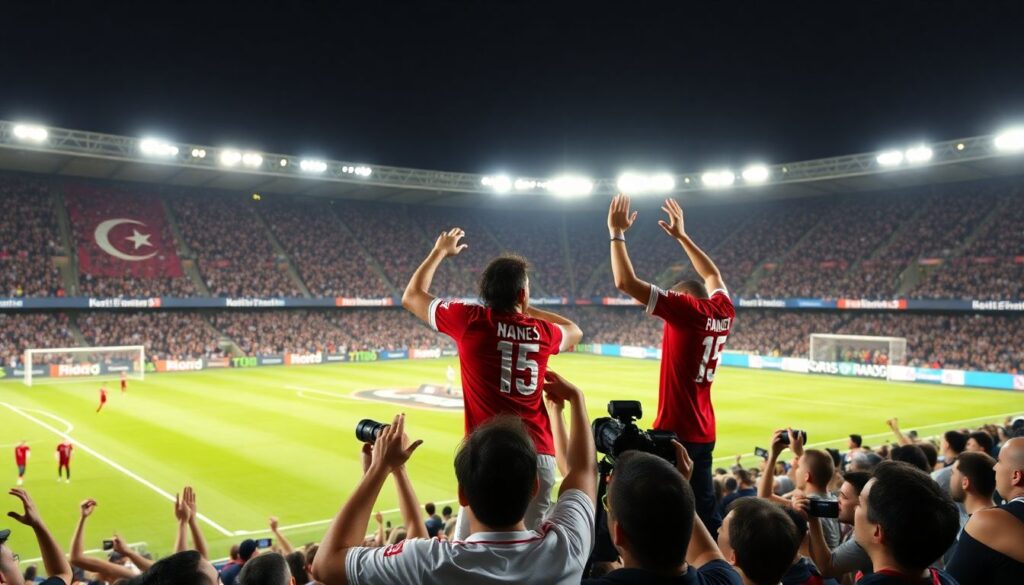
A popular myth says that “one game never changes anything.” For lesser-known Turkish clubs, single matches can be turning points that unlock new sponsorships, media attention, or player belief. These games do not guarantee long-term success, but they often open doors that were previously closed.
- Promotion play-off finals. Winning a tense promotion final can move a club from obscurity to the Turkish Super Lig, instantly multiplying TV revenue, ticket demand, and the attractiveness of the project to players and coaches.
- First upset against a giant. A shock win in Istanbul over a traditional powerhouse can redefine a team’s identity. Suddenly, they are not just survivors, but contenders-fans, local businesses, and media start treating them as one of the best lesser known Turkish football teams.
- European qualification deciders. Securing a European spot on the last day of the season often changes a club’s trajectory. Extra income and international exposure attract better players and foreign fans looking up Turkish football clubs history for hidden gems.
- Relegation escape “finals.” Matches that avoid relegation by a single goal or point preserve years of work. Staying up can be more financially decisive than any cup run, especially for clubs whose entire budget depends on top-flight TV money.
- Derbies with regional rivals. Victories in heated regional derbies tighten the bond between club and city. Even without trophies, such matches turn average seasons into legendary memories and can increase season-ticket renewals.
Talent Pipelines: Youth Academies and Local Scouting

The myth here is that small clubs cannot develop top players because they lack elite facilities. In reality, many underdog teams use high-quality coaching, smart scouting, and strong community ties to compete in talent development without matching the infrastructure or budget of the giants.
Advantages of the Underdog Talent Model
- Earlier first-team opportunities. Young players reach professional minutes sooner because squads are smaller and coaches are more willing to take calculated risks.
- Closer relationships with local schools and amateur clubs. Scouting networks are built on personal trust; coaches often know families and backgrounds, which helps with long-term development.
- Aligned incentives. Selling one or two academy graduates can finance the entire youth department, making everyone invested in proper development rather than quick results.
- Strong identity in playing style. Many small clubs adopt a clear philosophy-pressing, counter-attacking, or technical build-up-that allows academies to prepare players specifically for the first team.
Limitations and Structural Challenges

- Risk of losing talent too early. Bigger clubs can sign prospects before they reach full value, especially if contracts and legal protections are weak.
- Limited medical and sports science support. Injuries can derail prospects more easily when physio, nutrition, and data analysis resources are basic.
- Short-term pressure after promotion. When a club reaches the top division, survival pressure may push coaches to rely on experienced players instead of trusting academy graduates.
- Scouting coverage gaps. With few scouts, it is hard to compete nationally; some regions remain unexplored because there is simply no budget to send people there regularly.
Financial Models: Survival Strategies Beyond Big Budgets
There is a persistent myth that success requires matching the transfer spending of Istanbul clubs. For underdogs, copying big-club financial behaviour is the fastest way to collapse. Sustainable models focus on cash flow, risk control, and turning competitive disadvantages into practical strengths.
- Myth: “Big-name transfers guarantee safety.” Reality: Veteran stars with high salaries can unbalance wage structures, create dressing-room politics, and limit playing time for cheaper, resellable youngsters.
- Myth: “Debt is normal; everyone does it.” Reality: While big brands can refinance debt using their global fan base, smaller clubs often lack that leverage. For them, excessive loans can mean immediate transfer bans or forced sales.
- Myth: “Selling best players shows lack of ambition.” Reality: For many regional clubs, sales fund training grounds, academies, and scouting. Strategic selling is often the only way to remain competitive across multiple seasons.
- Myth: “Matchday income is irrelevant in the TV era.” Reality: Smart ticket pricing, hospitality, and fan engagement still matter. Fans who attend games also tend to buy Turkish football club jerseys and other merchandise, providing non-TV revenue.
- Myth: “Marketing is for big brands only.” Reality: Even small clubs can grow digital audiences through bilingual content, behind-the-scenes videos, and interaction with diaspora communities, especially when combined with live streaming Turkish football matches coverage.
Cultural Impact: How Small Clubs Shape Local Identity
The myth says that only trophy-winning clubs shape national culture. In Turkey, many cities find their collective voice not through titles, but through the weekly rituals around regional teams-chants, colours, and shared memories that pass from one generation to another.
Consider a hypothetical Anatolian club that has never won a major trophy but has spent decades oscillating between the top two divisions. Matchdays turn the city centre into a pedestrian zone of scarves and street vendors. Grandparents tell grandchildren about historic survival games and last-minute winners; local businesses decorate windows in club colours; musicians write songs that reference legendary players and coaches.
Over time, the club’s narrative-fighting bigger budgets, overcoming doubtful media, and occasionally upsetting giants-becomes a metaphor for the city itself. Even neutral fans discovering Turkish football clubs history online may adopt such a team as a “second club,” attracted by its authenticity and sense of belonging rather than by a record of silverware.
Practical Tips for Following Underdog Turkish Clubs
For fans in Turkey and abroad who want to connect with these stories, a few practical steps make it easier to follow lesser-known sides and support them in realistic, helpful ways.
- Research club backgrounds first. Read short histories, fan blogs, and local news to understand context, rivalries, and regional culture before picking a team to follow.
- Use official channels for match access. When possible, rely on licensed platforms for live streaming Turkish football matches that feature underdog clubs; this supports both the league and the teams financially.
- Plan stadium visits early. For trips to Turkey, check fixtures and look for Turkish Super Lig tickets online well in advance, especially for high-demand games against Istanbul giants.
- Support ethically through merchandise. Try to buy Turkish football club jerseys and scarves from official club shops or verified partners so that the revenue actually reaches the team.
- Engage with local supporters’ groups. Online communities, especially diaspora fan clubs, are valuable guides to chants, traditions, and away-day customs when exploring the best lesser known Turkish football teams.
- Track long-term narratives, not just big upsets. Keep an eye on promotion races, youth players, and financial news; underdog stories often build slowly over seasons before the wider world notices.
- Balance passion with realism. Understand that small clubs may yo-yo between divisions. Following them means embracing uncertainty as part of the emotional value.
Common Concerns and Clarifications
How do I choose a lesser-known Turkish club to follow?
Start by looking at city culture, playing style, and fan atmosphere rather than just league position. Read summaries of Turkish football clubs history, watch highlight compilations, and see which club’s story and colours resonate with you personally.
Are underdog clubs in Turkey financially safe to support long-term?
Stability varies widely. Some regional teams have sustainable models and strong local backers; others depend on short-term sponsors. Following local news and club statements helps you understand how risky a project looks before investing emotion and money.
Can smaller Turkish clubs realistically compete for titles?
Over long periods, consistent title challenges are rare due to budget gaps. However, underdog clubs can win domestic cups, qualify for Europe, or seriously influence title races, which is why they remain central to league narratives despite limited resources.
Is it easy for foreigners to attend underdog matches in Turkey?
It is usually easier than attending classic derbies. Many clubs sell Turkish Super Lig tickets online or at stadium ticket offices on matchday. Check for ID card requirements and kick-off time changes, and arrive early to enjoy the local pre-match atmosphere.
What is the best way to watch smaller Turkish clubs from abroad?
Use official broadcasters and licensed OTT platforms that offer live streaming Turkish football matches, including mid-table and relegation battles. Some clubs also stream friendlies or youth games on their own channels, which is useful for tracking prospects.
How can I support a club if I cannot travel to Turkey?
Follow their social media in Turkish and English where available, interact with posts to boost reach, and buy Turkish football club jerseys or other merchandise from official online stores. Sharing their stories in your own language also helps grow their international profile.
Do underdog success stories last, or are they usually temporary?
Many are cyclical: a golden generation or a clever coach sparks a few historic seasons before financial or sporting realities reset expectations. Even when form drops, the memories and cultural impact of that era usually remain central to the club’s identity.