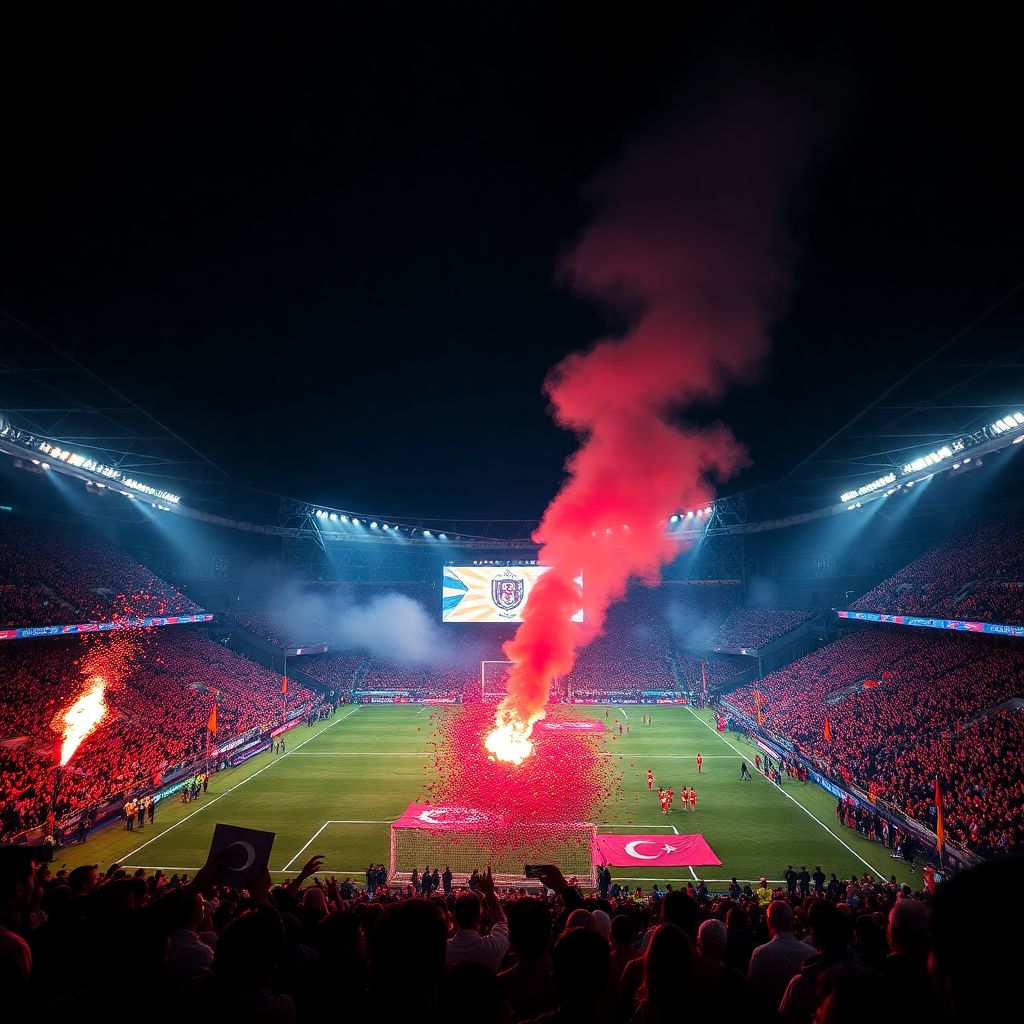
The Galatasaray-Fenerbahçe-Beşiktaş power dynamic is a shifting balance of institutional strength, sporting strategy, supporter energy and market forces, not a fixed hierarchy. Understanding how boards, academies, ultras, sponsors and media interact lets you read rivalries better, interpret form and Galatasaray Fenerbahçe Beşiktaş betting odds more intelligently, and plan smarter trips or investments.
Executive snapshot of shifting dominance among the Big Three
- Dominance moves in cycles; no club is permanently “on top”, because boards, coaches, and financial policies reset the balance every few seasons.
- Historical identity shapes expectations: Galatasaray as Europe-focused, Fenerbahçe as mass-power club, Beşiktaş as community-driven challenger.
- Real leverage comes from governance quality, debt management, scouting and academy productivity rather than single big-name transfers.
- Ultras and stadium atmosphere can swing tight games, but they amplify structures; they do not replace sound institutional planning.
- Media, sponsors and digital reach now influence which club monetises success fastest, recycling money into squads and facilities.
- For visitors planning an Istanbul derby football tour Galatasaray Fenerbahçe Beşiktaş, timing, fixture choice and ticket strategy matter more than club stereotypes.
Myths and misconceptions that distort the Galatasaray-Fenerbahçe-Beşiktaş narrative
The rivalry is often reduced to simple clichés: one club is “the people’s team”, another is “Europe’s team”, the third is “always suffering yet pure”. These labels ignore how each club constantly adjusts strategy, finances and leadership to chase advantage in a changing football and business environment.
Another common myth is that history alone explains current form. Past trophies help reputation, but current dominance depends more on recent governance cycles: how a board handles debt, recruitment, coaching stability and commercial deals. Fans who base expectations only on old stories misread where power actually sits in a given season.
There is also a misconception that ultras and stadium noise are the primary source of power. Atmosphere matters, especially in derbies, but it is a force multiplier riding on top of squad quality and tactical preparation. Treating passion as a substitute for planning leads to disappointment on the pitch and in the boardroom.
Finally, many neutral supporters think these clubs are interchangeable brands that only differ in shirt colour when they browse Galatasaray Fenerbahçe Beşiktaş jerseys online shop offers. In reality, each club has distinct governance culture, risk appetite and talent pathways. Understanding those differences is essential for analysing results, transfer policy and long-term outlook.
Historical roots: how origins shaped early power balances
- Founding contexts and social circles – Galatasaray emerged from an elite school network; Fenerbahçe grew from a more populist Kadıköy base; Beşiktaş’s roots were closer to a community and multi-sport tradition. These origins still colour club cultures and the types of members who win elections.
- Geography inside Istanbul – European side vs Asian side vs central Beşiktaş shaped fan recruitment, municipal relationships and access to facilities. The local environment influenced early stadium construction, training grounds and political partnerships that crystallised into long-term advantages.
- Early adoption of modern training and tactics – Access to foreign-educated coaches and school-based organisation allowed some clubs to professionalise training earlier. Those early technical gains built reputations that later helped attract better players and more ambitious presidents.
- Relationship with state power – Different clubs, at different times, aligned more closely with political or bureaucratic elites. Access to public land, infrastructure and favourable regulations affected everything from stadium projects to sponsorship possibilities.
- European competition breakthroughs – Historic runs in Europe changed how each club saw itself and how fans ranked the Big Three. International prestige later influenced sponsor interest, fan growth abroad and even how neutrals choose which Istanbul derby to attend or which team to back when they watch Galatasaray vs Fenerbahçe vs Beşiktaş live stream options.
Institutional power: ownership structures, finance and board politics
Institutional power in the Big Three is member-based rather than private-owner based. That means presidents and boards are elected, not appointed by a single billionaire. This democratic structure can energise clubs with new ideas, but it can also encourage short-termism if candidates promise unsustainable spending to win votes.
Understanding this governance model helps explain sudden shifts in strategy. A new president might sack a successful coach to impose a preferred style or to reward allies, altering on-pitch power overnight. For analysts or fans trying to forecast performance, board election calendars are as important as transfer rumours.
Debt and cash-flow management are another central pillar of power. Clubs that roll over debt without a clear plan lose flexibility: they become forced sellers or miss key squad upgrades. Observers following Galatasaray Fenerbahçe Beşiktaş betting odds should track financial reports, wage levels and delayed payments, not just recent match scores.
Finally, institutional power is expressed through negotiation strength: with sponsors, broadcasters, municipalities and even fan groups. Clubs that maintain transparent processes and professional management teams negotiate better deals and avoid crises. For anyone planning long-term partnerships, such as travel agencies organising Istanbul derby packages, board stability is a key risk indicator.
Sporting apparatus: academies, scouting pipelines and tactical identity
Sporting structures transform institutional intent into football reality. Academies, scouting departments and coaching philosophies decide whether the club produces its own stars, buys high and sells higher, or repeatedly overpays for fading names. Each of the Big Three combines these tools differently according to board priorities and financial pressure.
From a practical standpoint, following academy graduates and recurring scouting markets (for example, specific regions or leagues) gives a better sense of medium-term prospects than any single marquee signing. Fans who invest time in understanding these pipelines usually anticipate tactical shifts, coaching choices and even jersey sales trends before the wider public.
Advantages of strong sporting structures
- Lower net transfer spending over time by promoting academy players into key roles.
- Clear tactical identity that survives coaching changes, helping the club maintain competitiveness during transitions.
- Better resale value on players due to coherent scouting criteria and development plans.
- More stable squad composition, reducing dressing-room conflict and adaptation issues.
- Enhanced appeal for young talents who see a proven pathway from youth teams to full stadiums in derby matches.
Limitations and risks of relying on the sporting apparatus
- Overconfidence in academies can lead to underinvestment in experienced leaders, weakening performance in high-pressure derbies.
- Rigidity in tactical identity may cause problems when the league’s overall style or refereeing standard changes.
- Scouting networks can become politically captured, with agents or insiders pushing unsuitable signings.
- Short presidential terms might interrupt long-term development projects, wasting academy potential.
- Fans and media may pressure boards into impatient signings that disrupt carefully built squad balance.
Supporter power: stadiums, ultras, mobilization and local politics
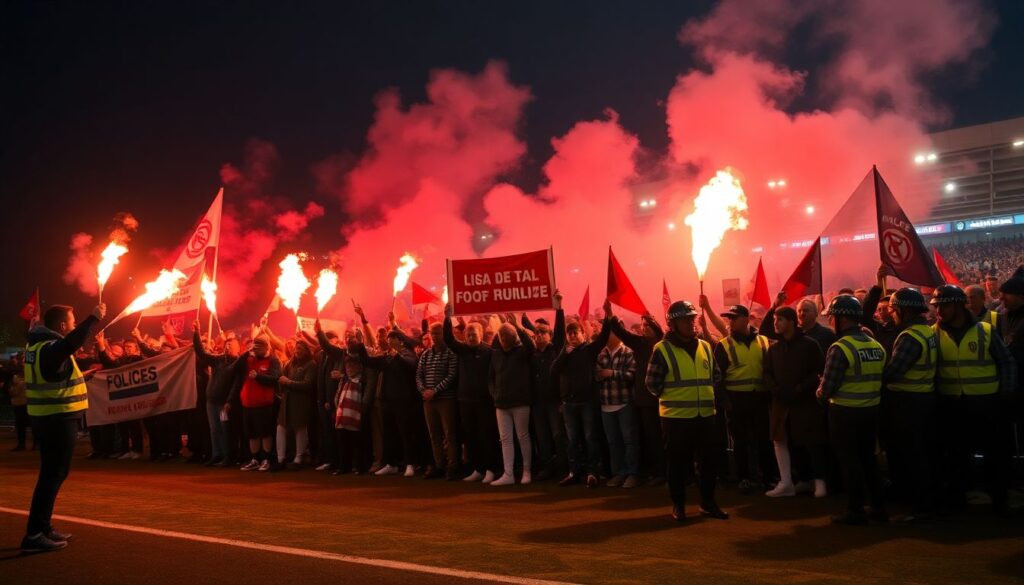
Supporters are often described as the “12th man”, but their real power runs deeper than noise on match day. Stadium location, season-ticket policy and relationships between ultras, club security and local authorities all shape how fan energy is channelled, especially around high-risk derbies and title run-ins.
- Myth: Bigger stadium automatically equals bigger power. In reality, consistently full and engaged stadiums matter more than capacity. Ticket pricing, membership rules and away-fan policies decide how intimidating a ground feels for opponents.
- Myth: Ultras control the club. Ultras can influence choreography, atmosphere and sometimes decisions, but sustained overreach usually triggers pushback from boards, sponsors or authorities. The balance of power shifts with each crisis or scandal.
- Myth: All fan groups are the same. Each club’s ultras have their own internal politics, rules and alliances. Treating them as identical blinds you to how they will react to poor results, political events or controversial signings.
- Myth: Local politics do not matter. Municipal decisions on transport, policing and zoning affect derby-day logistics and even stadium renovation timelines. For visitors buying Galatasaray Fenerbahçe Beşiktaş tickets, these factors can quietly change kick-off times or access routes.
- Myth: Online fan culture is just noise. Social media storms can affect sponsor behaviour, player morale and board decisions. Clubs that manage digital narratives well often stabilise crises faster than those relying only on traditional media.
Media, sponsorship and market forces driving modern dominance
Modern power among the Big Three is increasingly decided by who converts popularity into sustainable revenue and narrative control. Broadcast deals, shirt sponsorships, digital content and international fan engagement feed directly into transfer budgets and wage capacity, influencing who can build a squad for domestic and European success.
This is where practical decisions by fans and tourists intersect with club strategies. When supporters choose official merchandise instead of fakes, or when international viewers pick a paid platform to watch Galatasaray vs Fenerbahçe vs Beşiktaş live stream coverage, they reinforce the club’s commercial leverage. This, in turn, shapes future signings and competitiveness.
Consider a simple mini-case. A European travel group designs a season-long Istanbul derby football tour Galatasaray Fenerbahçe Beşiktaş, with hospitality seats bought directly from clubs, bundled museum visits, and official store vouchers. The club that offers the best package of match access, safe transport and seamless shopping at a Galatasaray Fenerbahçe Beşiktaş jerseys online shop captures more tourist revenue, strengthens sponsor arguments with concrete sales data, and gains an edge in negotiations with broadcasters. Over time, these seemingly small commercial wins compound into greater financial resilience and, ultimately, more stable on-pitch power. For fans tracking long-term strength or even planning Galatasaray Fenerbahçe Beşiktaş betting odds strategies, following such off-pitch moves is as important as reading recent scorelines.
Targeted clarifications and practical tactical questions
How can a neutral fan choose which Big Three match to attend first?
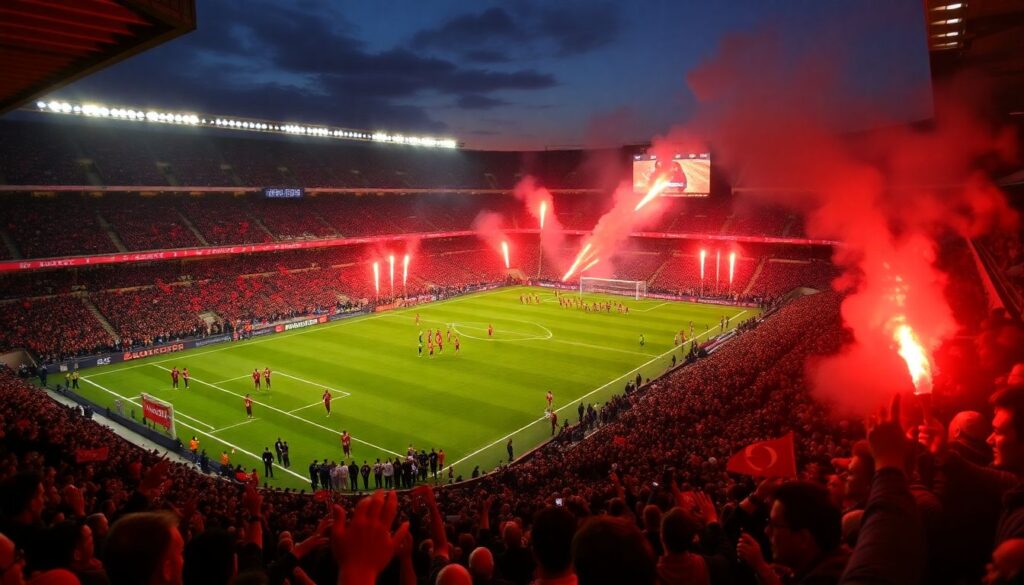
Look at the fixture list for high-stakes games where at least one club is chasing a title or European spot. Then check stadium accessibility, security guidance and official Galatasaray Fenerbahçe Beşiktaş tickets channels. Prioritise evening derbies or top-four clashes, as the atmosphere and choreography are usually at their peak.
What should I monitor to anticipate a power shift between the clubs?
Track board elections, coaching changes, financial disclosures and major sponsorship announcements. Consistent investment in infrastructure and academies is a stronger indicator of future dominance than one or two big-name transfers or short winning streaks.
How do academy policies affect short-term results for the Big Three?
Heavier reliance on academy players can temporarily reduce stability but often leads to a cohesive, energetic squad after an adaptation period. If the club complements youth with a few experienced leaders, it can create a competitive advantage against rivals focused only on short-term signings.
Is it safer to buy derby tickets from resellers or only from official sources?
Use official channels whenever possible, especially for derbies with high security classification. Unregulated resellers may offer invalid or cancelled tickets and can expose you to scams. Clubs and leagues increasingly crack down on unauthorised resale around major Istanbul derbies.
How should I interpret media narratives before big matches?
Separate emotional headlines from structural information. Focus on confirmed injuries, tactical hints from coaches, and reliable reports on dressing-room atmosphere. Be cautious with sensational transfer rumours or exaggerated crisis stories, especially if you are deciding whether to travel or to place bets.
Does buying official jerseys or tours really impact sporting success?
Indirectly, yes. Revenue from official merchandise, tours and hospitality strengthens the club’s financial base, allowing better contracts for key players, improved facilities and more competitive squads. Individual purchases are small, but together they influence how quickly a club converts popularity into sustainable power.
What is the best way to follow all three clubs if I cannot attend in person?
Combine legal streaming services, club social media channels and trusted local news outlets. When you watch Galatasaray vs Fenerbahçe vs Beşiktaş live stream broadcasts, pay attention not only to goals but also to tactical patterns, pressing intensity and crowd reactions, which reveal deeper power trends.