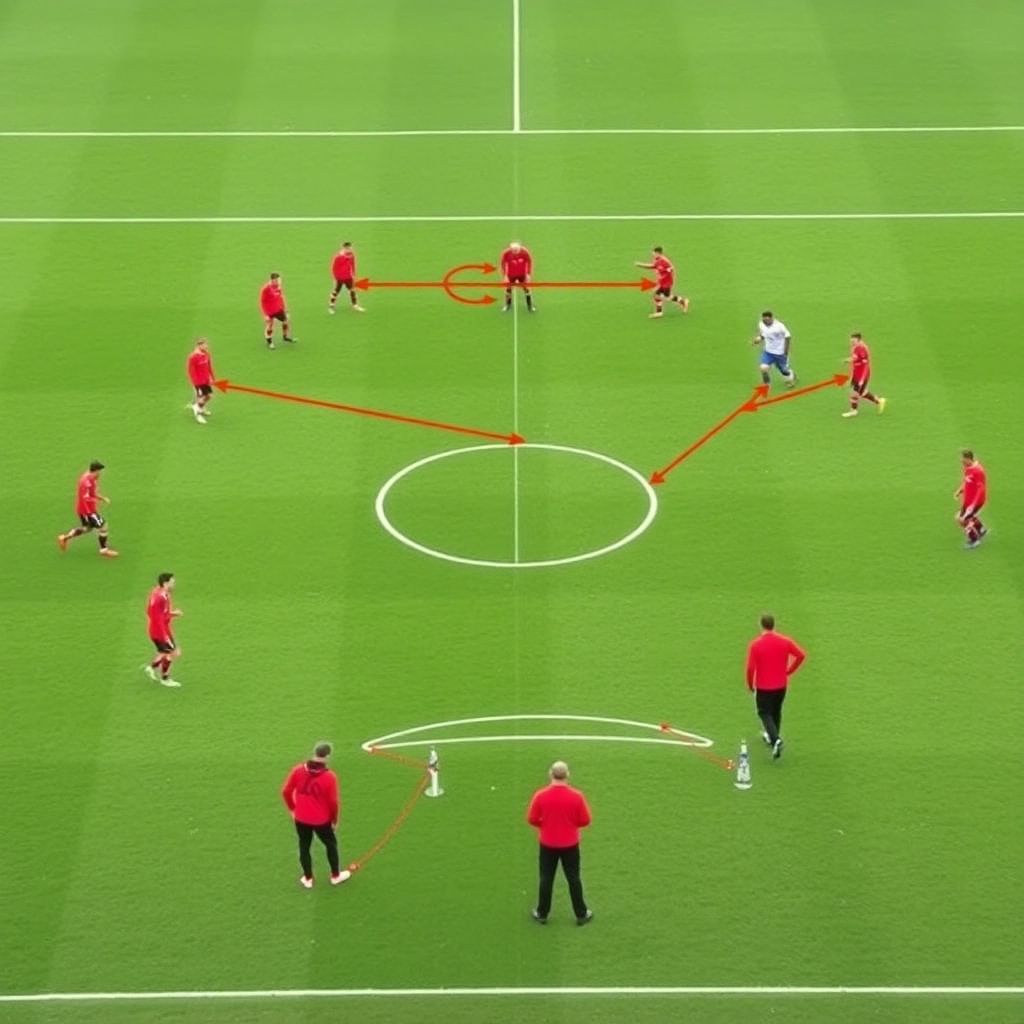
Set-piece science in the Süper Lig means using corners, wide free-kicks and long throws as systematic, repeatable chances, especially valuable for mid-table clubs with limited budgets. The safest path is to focus on clear roles, simple patterns and measurable outcomes, while accepting limits around player quality, referee decisions and transition risks.
Set-Piece Essentials for Mid‑Table Süper Lig Sides
- Treat corners and free-kicks as planned attacking phases, not restarts to improvise from.
- Prioritise delivery quality, timing of runs and blocking techniques over complex whiteboard designs.
- Use basic Super Lig set piece analysis to decide where to target and which routines to keep.
- Allocate fixed weekly training time but avoid overload that harms open-play sharpness.
- Track outcomes with simple metrics so you can drop ineffective routines quickly.
Why Set‑Pieces Level the Playing Field in the Süper Lig
In the Turkish Süper Lig, budget gaps between big clubs and mid-table sides are significant, yet every team receives similar numbers of corners and set-pieces. This makes dead-ball situations a relatively equal resource where organisation, rehearsal and data-driven detail can partially offset technical and physical disadvantages.
Set-piece science is the structured process of designing, testing and refining routines for corners, wide free-kicks and throw-ins. It connects training design, video work and basic data to improve chance quality while reducing counter-attacking risk. For mid-table clubs, this often offers more reliable gains than chasing expensive attackers.
However, there are limits. No routine turns average crossers into elite deliverers, and refereeing variability in the Süper Lig affects blocking, grappling and goalkeeper protection. Safe progress means accepting these constraints, iterating slowly and anchoring decisions in evidence from your own games and from neutral Super Lig set piece analysis services.
- Define set-piece science in your club handbook in one clear paragraph.
- Ring-fence weekly minutes for corners and free-kicks and protect that slot.
- Agree three non-negotiables: delivery zone, first contact target and transition shape.
Recent Liga Patterns: Risk‑Reward of Corners and Free‑Kicks (2018-2025)
Over recent Süper Lig seasons, video and data platforms show that most goals from corners come from second phases and rebounds rather than the first header. That shifts the focus from spectacular near-post flicks to simply winning first contact and keeping numbers around the ball for quick finishing.
- Inswingers vs outswingers: Many Turkish stadiums have tight crowds and variable wind; inswingers increase chaos near the goal, while outswingers are safer for preventing counters. Clubs should choose a default per side, not change every week.
- Short corners: Short routines in the Süper Lig tend to be effective only when they create a clear 2v1 on a weak defender. Random short corners with no overload often just lose height and delay the cross.
- Blocked runners: Referees in Turkey tolerate some blocking but penalise obvious screens near the goalkeeper. Safer practice is to block markers in traffic zones rather than standing still and setting explicit picks.
- Fast breaks conceded: Mid-table teams often overcommit on corners when chasing results against bigger clubs. A more conservative rest-defence with two players staying high and two securing the edge drastically reduces counter threat.
- Wide free-kicks: Deeper, floated deliveries are easier to defend; flat, fast balls towards the penalty spot make clear contact harder but reduce goalkeeper claims and second-ball chaos more favourable.
Use a Super Lig stats and analytics subscription, even a basic one, to check how your corner types compare to league averages on shots and counters conceded before overhauling your approach.
- Fix one default corner type and one backup, instead of five lightly trained ideas.
- Set a maximum number of players allowed to enter the box on attacking corners.
- Review every conceded counter from set-pieces in monthly video meetings.
Player Archetypes: Deliverers, Targets and Decoy Runners
Effective routines start with fitting roles to the squad you actually have. Instead of designing fantasy plays, identify which players are realistic deliverers, which are aerial targets and which can act as decoys or blockers under Süper Lig refereeing standards.
Primary Deliverer
The key deliverer needs consistent technique, not highlight-reel swings. Among the best set piece specialists in Super Lig, the common traits are repeatable ball-striking, calm decision-making and the ability to disguise delivery type without changing body shape too much.
- Analyse your last 30-40 corners and free-kicks to see who already delivers best under pressure.
- Fix a depth chart: first-choice, backup and emergency deliverer for each side.
- Limit in-game improvisation; allow the deliverer two pre-agreed variants per zone.
Main Aerial Targets
Aerial targets are not only tall centre-backs. Aggressive timing, bravery and ability to separate in tight spaces matter just as much. In the Süper Lig, many successful targets are mobile forwards or box-to-box midfielders attacking from deeper positions.
- Rank players by heading aggression and timing, not height alone.
- Assign each target a clear starting spot and run pattern on every routine.
- Practice finishing from messy rebounds, not only clean headers.
Screeners and Blockers
Screeners create traffic and micro-delays. The safest approach is moving blocks: players run across markers rather than holding wrestling positions the referee can easily punish. Intelligent screens also free the main target to attack an uncontested channel.
- Teach players to block by running through lanes, never by grabbing shirts.
- Pair smaller, agile players as screeners; they navigate crowded zones better.
- Review clips of fouls given against your club to refine what is tolerated.
Decoy and Second-Ball Hunters
Decoy runners drag the line deeper or wider, creating pockets for late arrivals. Second-ball hunters position just outside the main duels to finish knock-downs and clearances. In many mid-table successes, these roles generate as many goals as the first header.
- Assign two players to permanently hunt second balls, one central and one half-space.
- Rehearse fake runs that pull markers away from true target zones.
- Measure how many shots come from second balls and adjust positions accordingly.
Blueprints for Low‑Budget Routines: Reproducible Designs and Training Drills
Resource-limited Süper Lig clubs need routines that are simple, repeatable and robust against opponent scouting. The goal is not constant novelty but high execution quality on a small menu of carefully chosen plays that can survive staff changes and busy schedules.
Basic blueprints that work well for mid-table teams include near-post crowding with a deeper second wave, back-post overloads against smaller full-backs and flat deliveries to the penalty spot with heavy second-ball focus. Each should have minor variants rather than complete redesigns.
Sample Attacking Blueprints
- Near-post crash: Three players attack front zones at staggered heights; one peels toward the keeper, one goes front post, one hangs for flick-ons.
- Back-post mismatch: Best aerial target isolated 1v1 at back post, supported by a late runner from the edge.
- Edge-of-box strike: One decoy run into the box, cut-back to a waiting shooter at the D for controlled finishing.
Core Training Drills
- Unopposed walk-throughs: Slow-speed reps to fix timing and routes before adding defenders.
- 7v5 contested corners: Attackers versus reduced defenders to build confidence and clarity.
- Transition race: After each corner, coach serves a ball for defenders to counter and attackers to recover.
Practical Limits and Safe Progression
Low-budget clubs cannot copy complex elite routines that require long camps and large analysis teams. Safe progression means upgrading detail slowly, ensuring players fully master one pattern before adding another and using external expertise selectively, such as short set piece coaching courses for football clubs in Turkey or online.
- Cap your active corner routines to a small number rather than constant re-designs.
- Use simple naming and diagrams players can recall under pressure.
- Review and retire one routine each international break if evidence is poor.
Defensive Countermeasures: Zonal, Man‑Marking and Hybrid Responses
Defending set-pieces safely in the Süper Lig means balancing first-contact protection with counter-attack readiness. Three broad systems appear: zonal, man-marking and hybrid, each with strengths and weaknesses that mid-table coaches must understand clearly.
| Approach | Main Strength | Main Risk | Best Use Case |
|---|---|---|---|
| Zonal | Strong coverage of key spaces and rebounds | Struggles against great delivery and dynamic runners | When your team lacks individual aerial dominance |
| Man-marking | Direct control of main opposition targets | Easily blocked or picked by screens | When you trust 1v1 duels and physicality |
| Hybrid | Combines space protection with target control | More complex; role confusion if under-trained | Most common choice for mid-table Süper Lig clubs |
Common Defensive Mistakes
- Static zonal lines: Players planted on the six-yard line never attack the ball, letting aggressive runners win uncontested headers.
- Mis-matched marking: Smaller full-backs marking dominant centre-backs purely through habit, not planned assignments.
- Ignoring blockers: Defenders focus only on the ball, allowing screens to pin them and create free runs.
- Empty edge of box: No player ready for clearances, giving opponents second shots or safe recycles.
Building a Safe Defensive Framework
A hybrid structure, with 3-4 zonal players plus man-markers on main threats, is usually safest for mid-table sides. Clear rules on who attacks which zone, who tracks blockers and who protects the edge minimise chaos and avoid over-dependence on any single defender.
- Assign your best header to attack deliveries, not just wrestle with the main target.
- Keep at least one quick player high to discourage opponents from committing everyone.
- Rehearse defending your own attacking corners to sharpen transition habits both ways.
Quantifying Impact: Metrics, Expected Goals and Value‑Per‑Training‑Hour
Even clubs without big data departments can build a lightweight measurement system. The aim is to connect time spent on routines with actual returns in goals, shots, and reduced counters conceded, so you can justify training choices and pitch ideas to management with evidence.
Simple Tracking Framework
Any football analytics service for mid table clubs or even an intern with spreadsheets can log a few core indicators from each match: corners won, shots from set-pieces, goals scored, goals conceded and counters given away. From there, you can approximate expected goals using public models or benchmarks from Super Lig set piece analysis articles.
Match-level checklist:
- Number of corners and wide free-kicks taken
- Shots and goals from your routines
- Shots and goals conceded after your own attacking set-pieces
Value‑Per‑Training‑Hour Logic
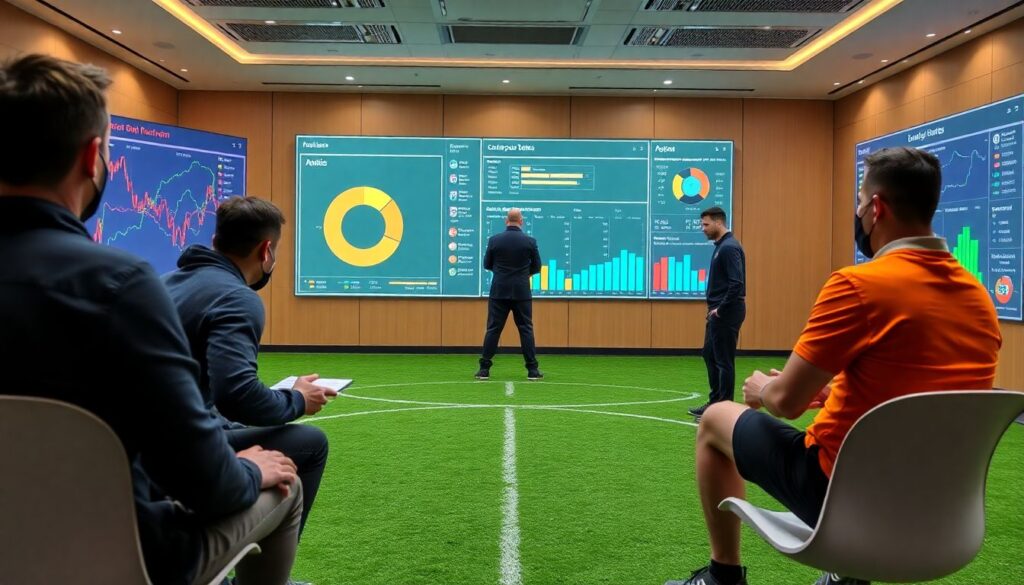
Safe planning ties set-piece work to opportunity cost: any hour on corners is an hour not spent on pressing, build-up or fitness. By tracking how new routines impact chance quality over several games, staff can decide whether to increase or reduce the block of time dedicated to dead-ball work.
- Define a minimal match log template and complete it within 24 hours of every game.
- Review data in short monthly meetings, not only at season end.
- Use insights to decide which routines deserve more, less or zero training time.
Practical Clarifications on Implementing Set‑Piece Programs
How much weekly training time should mid-table Süper Lig clubs allocate to set-pieces?
Allocate a fixed, modest block every week, then adjust gradually based on results. The key is consistency: a smaller but regular slot is more effective than occasional marathon sessions that players quickly forget.
Do we need a dedicated set-piece coach to benefit from this approach?
A dedicated specialist helps, but is not mandatory. Many clubs instead assign clear responsibility to one assistant and support them with a basic Super Lig stats and analytics subscription or external consultancy when needed.
How can smaller clubs access expertise without hiring extra full-time staff?
Options include short-term consultancy, online set piece coaching courses for football clubs and part-time analysts. The safest route is starting with low-cost video and data tools, then scaling up only when you see concrete impact.
How many attacking routines should we maintain at any one time?
Most mid-table squads execute a small, well-rehearsed menu far better than a complex playbook. Focus on a handful of core ideas with minor tweaks instead of chasing constant novelty.
What if our deliverers are technically limited compared to bigger Süper Lig clubs?
Design routines around what they can reliably execute: flatter deliveries, shorter zones and heavy second-ball focus. It is safer to maximise consistency than to chase spectacular deliveries your players cannot repeat.
Can public Super Lig set piece analysis replace internal tracking?
External studies and platforms are useful benchmarks but cannot fully reflect your squad, opponents and match context. Combine league-wide insights with a simple internal database for the most reliable decisions.
How do we convince players that set-piece detail is worth the effort?
Show them clips of real goals your club scores from rehearsed routines and compare them to improvised restarts. Visual evidence plus clear, concise coaching messages usually wins buy-in quickly.
End-of-Article Self-Check for Your Club
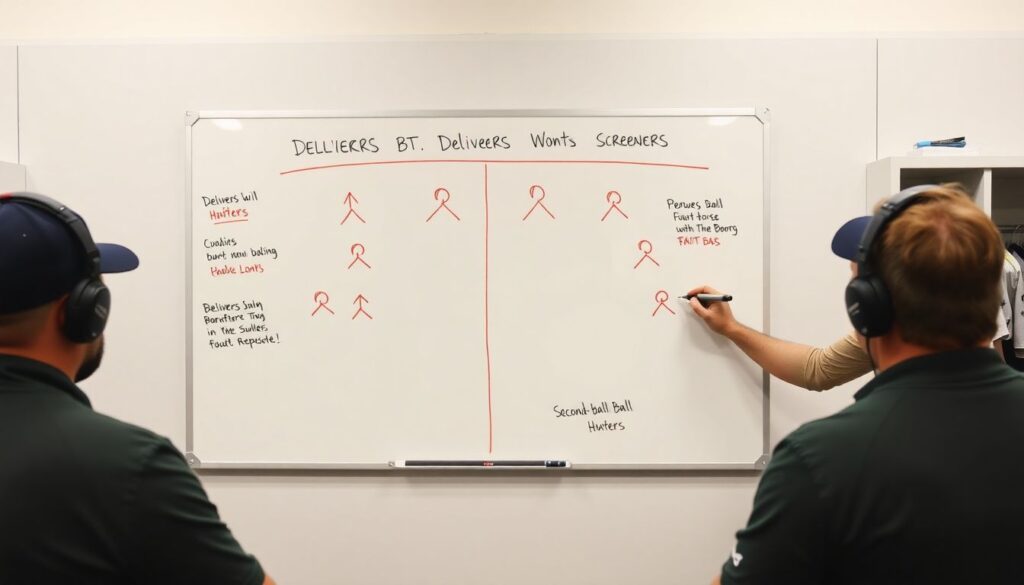
- Have you clearly defined set-piece roles for deliverers, targets, screeners and second-ball hunters?
- Do you track at least basic set-piece outcomes after every match and review them monthly?
- Is your routine menu intentionally limited and fully rehearsed, rather than a collection of ideas?
- Does your defensive structure combine space protection, target control and counter-attack readiness?
- Have you explored at least one external football analytics service for mid table clubs to support your staff?