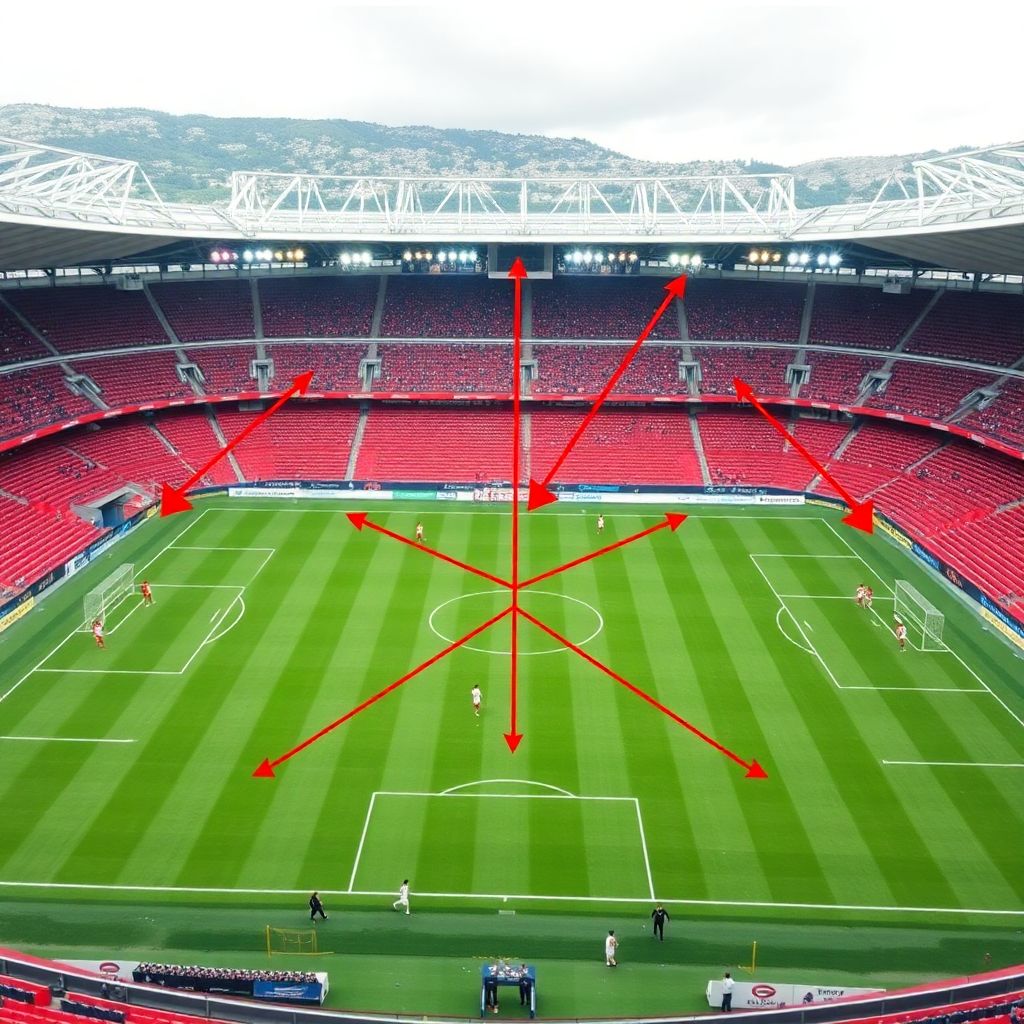
Süper Lig pressing is shifting from chaotic running to coordinated, European-style structures built on compactness, clear triggers and role-specific tasks. Teams borrow ideas like PPDA-based intensity targets, pressing traps and synchronized counter-press, but adapt them to Turkish tempo, climate, squad profiles and fixture rhythm rather than copying blindly.
Debunking Myths About Süper Lig Pressing
- Myth: High pressing cannot work in Turkey because of heat and travel. Reality: It works when built around short, intense waves, smart rotations and deeper blocks in specific game phases.
- Myth: Pressing is only about physical running. Reality: The core is spacing, cover shadows and timing; fitness simply supports the tactical idea.
- Myth: European models can be copied session by session. Reality: They must be adapted to Süper Lig refereeing, pitch quality and player technical level.
- Myth: Pressing dies after the 60th minute. Reality: Teams that manage substitutes, rest-defence and possession control can sustain pressing in shorter, controlled bursts.
- Myth: Only big clubs with expensive squads can press. Reality: Clear rules plus targeted recruitment for a few key roles already transform mid-table teams.
- Myth: More pressure always means more success. Reality: Uncoordinated pressure increases gaps; quality of press is more important than quantity.
Why Süper Lig Needed a Pressing Revolution
Pressing in the Süper Lig for years meant emotional intensity rather than structured collective behaviour: big clubs dominating with the ball, mid-table sides dropping into passive low blocks and many teams relying on transition chaos instead of a repeatable way to regain possession.
As Turkish coaches consumed more European football coaching tactics books and video platforms, they recognised that European clubs were using pressing as their primary defensive system, not just an emergency reaction. This exposed a gap: Turkish teams could match tempo in big European ties for 20-30 minutes, but could not sustain organised pressure across a full season.
Modern Süper Lig pressing is therefore defined as a coordinated team effort to constrain build-up, win the ball in pre-planned zones and launch controlled transitions. It is not necessarily constant high pressing; it includes mid-block pressure, situational counter-pressing and flexible height depending on opponent quality and game-state.
In practice, this revolution shifts focus from man-marking and individual duels to collective spacing, rest-defence behind the ball and measurable behaviours such as how many high regains you achieve and how many passes you allow per defensive action (PPDA) in each third of the pitch.
How European Pressing Structures Were Translated Locally
The influence of top European clubs arrived via Super Lig tactics analysis, UEFA courses and staff exchanges, but local coaches had to adapt structures to Turkish realities. The translation process typically followed these steps:
- Clarifying a primary pressing height
Coaches defined whether their default was high, medium or low block, then built pressing triggers for that height. For example, some Süper Lig teams now press high only after a back-pass to the goalkeeper or a slow lateral pass by the centre-back. - Using directional pressing instead of man-hunting
Instead of chasing men, forwards now press to block central lanes and steer play into wide traps, where touchline and cover shadows compress time and space. Wide forwards angle runs to show the ball towards the weaker-foot full-back. - Creating zonal responsibility maps
Staff design simple zone maps where each line of the team knows which areas they must protect first. This shifts the language from marking players to closing spaces and passing lanes, a key concept in any modern football pressing tactics course. - Building clear counter-press rules
On losing the ball, nearest three or four players now attack specific reference points: the ball carrier, his closest options and the central passing lane forward. Others secure rest-defence by marking depth and protecting half-spaces instead of diving into the duel. - Linking pressing to attacking structure
Coaches organise their attacking shape so that, if possession is lost, the team is already positioned to counter-press or immediately fall into a mid-block. The 2-3-5 or 3-2-5 attacking structures are chosen with defensive transitions in mind. - Using simple metrics to track adaptation
Staff track high regains per match, average PPDA and the number of shots created within seconds of a regained ball to confirm that pressing structures are not just visually aggressive but truly effective.
Roles, Profiles and Recruitment for High-Intensity Press
To press like top European sides, Süper Lig clubs have had to rethink squad building and role definitions, often supported by football tactics software for coaches that links video to data. Typical implementation scenarios include the following:
- Press-leader centre-forward
The striker becomes the first defender and pressing leader. Ideal profile: can sprint repeatedly, angle runs intelligently and communicate triggers. Recruitment focuses less on pure finishing and more on work-rate, pressing IQ and ability to screen the pivot. - Two-way number 8s as engine of the press
Box-to-box midfielders must cover wide and central lanes, step high to press centre-backs and instantly recover if beaten. They need stamina, ability to defend on the half-turn and enough technical quality to keep the ball after regains. - Wide forwards as trap creators
Wingers no longer wait for transitions; they start in narrow positions to close half-spaces, then explode wide when the team wins the ball. Coaches recruit them for intensity in backwards pressing and the ability to lock full-backs against the line. - Ball-playing, mobile centre-backs
Defenders must defend large spaces behind a high line and be comfortable stepping into midfield to compress play. Acceleration over long sprints and anticipation matter more than pure strength. - Goalkeeper as extra defender and outlet
Modern Süper Lig pressing also relies on the goalkeeper to sweep depth and calmly play through the first line when opponents press back. This dual role requires decisions about whether to prioritise shot-stopping or build-up quality in transfer targets. - Bench players tailored for pressing phases
Some coaches now keep specific high-intensity pressers on the bench to lift PPDA and high-regain counts in the last 20-25 minutes rather than relying on tired starters.
Training Methods and Drills to Build Collective Pressing
On the training ground, modern Süper Lig coaches design sessions where every exercise reinforces pressing rules, distances and communication. They also use external tools like Super Lig match analysis subscription platforms to bring training and match reality closer together.
Positive effects and advantages of structured pressing work
- Faster ball recoveries in advanced zones – leading to more short attacks starting within seconds of regaining the ball.
- Better control of match tempo – the team can choose when to accelerate into high press or drop into a conserving mid-block.
- Clearer reference points for players – decisions become automatic, reducing hesitation and late reactions.
- Improved squad fitness specific to game demands – conditioning integrated into high-intensity tactical games, not isolated running.
- Stronger rest-defence structure – fewer counter-attacks conceded because pressing and balance are trained together.
Limitations, risks and what to watch for
- Risk of physical overload – if volume and intensity are not managed across three-match weeks, muscular injuries and late-game fatigue rise.
- Dependence on key runners – when 1-2 pressing leaders are absent, the whole system may collapse without robust automatisms.
- Vulnerability to direct balls – poorly timed stepping from the back line leaves big spaces behind against target strikers.
- Misaligned youth development – if academy teams do not train similar pressing ideas, first-team integration becomes slower.
- Cognitive overload – too many rules at once confuse players; principles must be layered gradually.
Example drills to operationalise pressing principles
- 4v4+3 rondo for cover shadows – four defenders press four attackers plus three neutrals, aiming to block central lanes while forcing play wide; staff measure regains inside a set time window.
- 6v6 high-press wave – one team builds up from the back, the other presses high for short, intense 10-15 second waves; coaches count successful traps leading to shots.
- Transition counter-press game – two teams alternate attacks in a half-pitch; on loss, the rule is “three seconds to the ball” with points awarded for immediate regains.
- Pressing ladder with finishing – players sprint in co-ordinated pressing patterns (curved runs, screen pivot, force wide) before finishing a quick attack, linking physical load with tactical movements.
Fast Practical Tips for Coaches in Turkey
- Limit full-throttle pressing to defined phases (for example, first 10 minutes of each half) and switch to a mid-block in hot conditions.
- Use post-game Super Lig tactics analysis to pick one pressing mistake and correct only that in the next week instead of overloading players with theory.
- Set one simple metric target, such as increasing high regains or reducing PPDA in the middle third, and display it in the dressing room.
- Design every small-sided game with a clear pressing objective and scoring bonus for goals immediately after regains.
- Study one chapter a week from reputable European football coaching tactics books and convert it into a single, clear rule for your team.
Measuring Success: Metrics and Tactical Indicators Used
Süper Lig staffs increasingly rely on simple indicators to judge whether pressing is working. These can be tracked with spreadsheets, video tags or integrated football tactics software for coaches. Misunderstanding these numbers often leads to poor decisions, so clarifying myths is essential.
- Myth: PPDA alone tells you if you pressed well.
Reality: PPDA (passes allowed per defensive action) must be read with context: block height, game-state and opponent quality. A lower number is not always better if it forces reckless high pressing. - Myth: More sprints mean better pressing.
Reality: Chaotic running increases sprint count but often opens central gaps. Quality pressing shows good synchronisation, fewer big emergencies and more controlled accelerations. - Myth: Possession percentage is irrelevant for pressing teams.
Reality: If you never rest with the ball, your press burns out. Successful pressing sides often use calm possession phases to reset structure and energy levels. - Myth: All high regains are equal.
Reality: Regains near the box with forward-facing body shape are far more valuable than regains on the touchline under immediate pressure. - Myth: Video is enough; you do not need numbers.
Reality: Combining event data (high regains, PPDA, shots after regains) with clips, for example via a Super Lig match analysis subscription, helps separate emotion from reality.
At staff level, the most common practical indicators are: number of high regains per half, PPDA by thirds, shots and goals created within a few seconds of regains, and the number of successful pressing traps forced into wide zones or backward passes.
Club Case Studies: Tactical Changes and Practical Outcomes
Consider a mid-table Süper Lig club that traditionally defended deep and countered only with long balls. New staff arrived, armed with a modern football pressing tactics course and basic data support, aiming to evolve towards a mid-block with aggressive pressing triggers.
Across pre-season they implemented three simple rules: the striker curves his run to block the pivot, wingers start narrow to protect half-spaces, and the nearest three players counter-press immediately after every turnover. They tracked high regains and shots after regains as their key performance indicators.
Within weeks, video and simple metrics showed fewer deep defensive phases, more regains in the middle third and a rise in chances created shortly after winning the ball. Without copying any single European club, the team adapted modern ideas to local conditions, proving that structured pressing is achievable in the Süper Lig with clear roles, realistic metrics and consistent training.
Practical Concerns and Clear Answers on Implementation
How many pressing rules can players realistically remember?
Most squads handle three or four core principles plus a few game-specific details. Start with basic triggers and distances, then add layers only when the first behaviours are automatic in matches.
Do I need advanced data tools to measure pressing quality?
No. While football tactics software for coaches helps, you can begin with manual counts of high regains, shots after regains and simple PPDA estimates using match video and basic spreadsheets.
How can I prevent fatigue from destroying our pressing late in games?
Use shorter pressing waves, rotate one or two high-intensity players early and plan in-possession rest phases where the team keeps the ball calmly instead of constantly attacking at maximum speed.
Is a high defensive line mandatory for modern pressing?
Not always. Many Süper Lig teams press aggressively in a mid-block with a slightly deeper line, as long as their lines move together and central spaces stay protected.
What is the best way to teach cover shadows to players?
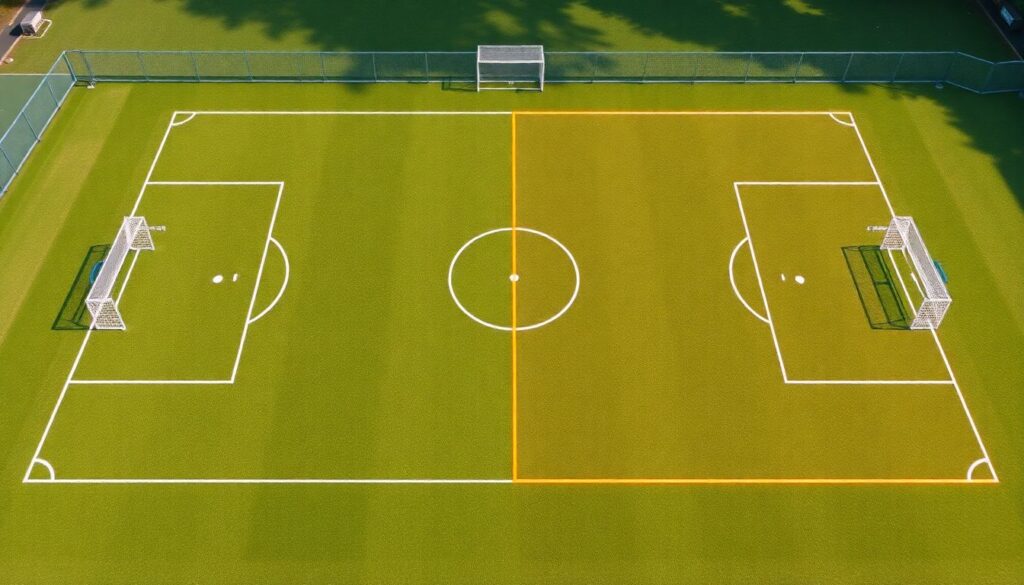
Use small rondos and positional games where the only rule is that passes through the central lane count double, then coach body orientation and positioning to remove that lane.
How quickly can a team change its pressing identity?
Minor improvements appear within a few weeks, but a full identity shift usually takes at least one full pre-season and the arrival of a few profiles that fit the new approach.
Should academy teams copy the first-team pressing model?
They should share the same principles and language, even if the structures are simpler, so that young players can step into first-team pressing schemes with minimal adaptation.