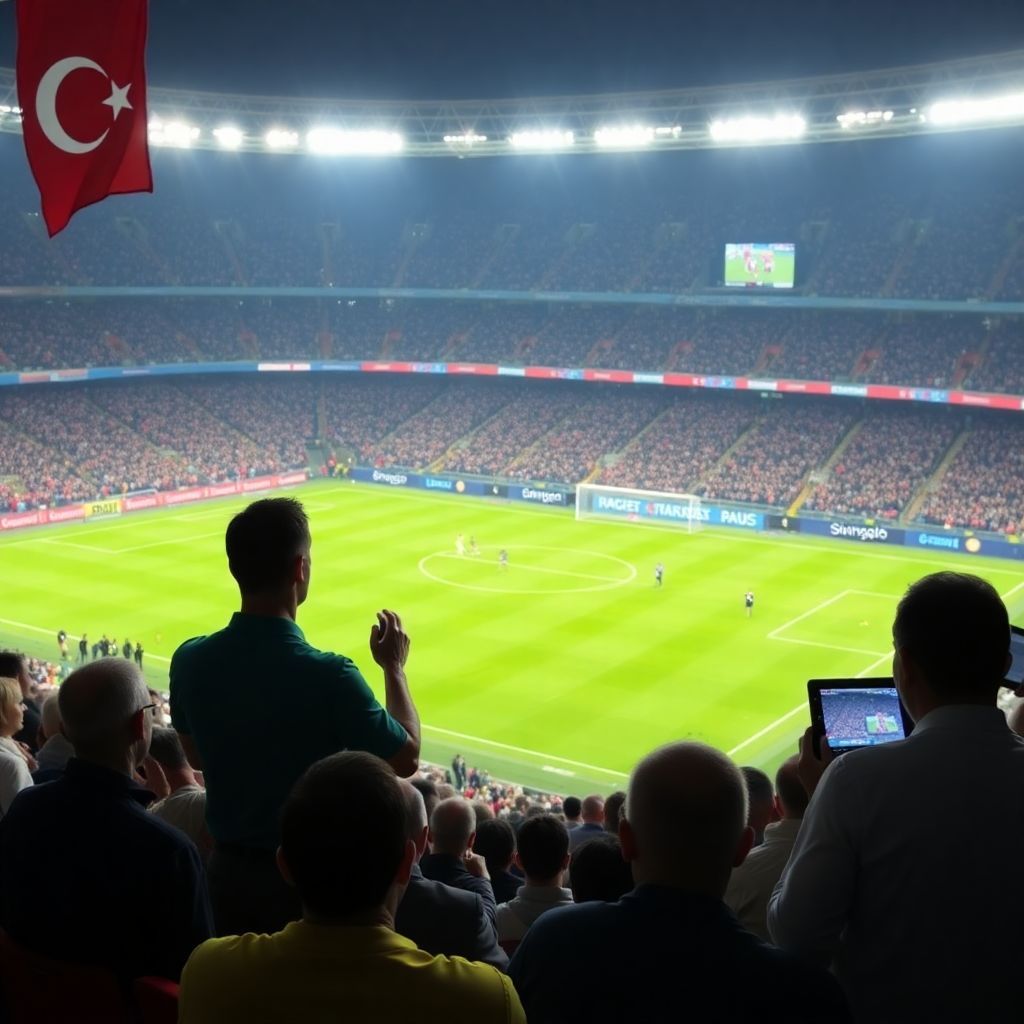
Video Assistant Referee (VAR) has reshaped football culture in Turkey and across Europe by changing how goals are celebrated, how referees are judged, and how clubs plan tactics and media strategies. It adds new pauses, new arguments and new expectations of fairness, affecting stadium rituals, broadcasting, betting, coaching and youth development.
Essential shifts introduced by VAR in Turkish and European football
- Goal celebrations are delayed and more cautious, especially in Turkey’s Super Lig and major European derbies.
- Trust in referees shifted from individual authority to a shared human‑technology system that is still contested.
- Match tempo now includes predictable “VAR rhythms” that coaches and broadcasters plan around.
- Fan chants, banners and protests increasingly target VAR rooms and protocols, not only on‑pitch referees.
- Media coverage, betting discussions and data analytics revolve around VAR incidents and re‑refereed key moments.
- Refereeing education and youth coaching now integrate video review habits from grassroots level upwards.
From introduction to integration: VAR’s rollout across leagues
VAR is a system where a team of video officials supports the on‑field referee by reviewing specific game‑changing situations using broadcast and dedicated camera angles. It does not re‑referee every action; it intervenes only in clearly defined situations such as goals, penalties, straight red cards and mistaken identity.
In Turkey, the Super Lig adopted VAR in line with IFAB protocols but with its own operational culture, local media pressure and intense club rivalries. Fans buying tickets for VAR-era football matches in Turkey Super Lig now expect both high drama and long replays on stadium screens, especially in Istanbul derbies.
Across Europe, major leagues integrated VAR at different speeds and with slightly different communication styles. Some leagues emphasize minimal intervention and short checks; others accept longer reviews to achieve higher perceived accuracy. This diversity created cross‑league comparisons, influencing how Turkish supporters, club directors and pundits judge their own implementation.
Integration goes beyond referees. Broadcasters, club analysts, betting companies and sponsors have updated workflows. For instance, VAR controversies in European football betting triggered new in‑play risk models and more detailed incident logs, while football analytics software with VAR data for clubs and scouts became standard in many recruitment and performance departments.
Refereeing standards and decision-making: transparency versus discretion
VAR operates on a “minimal interference, maximum benefit” principle, but the way it shapes refereeing culture depends on concrete decision‑making steps and how visible they are to fans and teams.
- On‑field decision first: The referee keeps full responsibility and must make an initial decision. VAR checks this silently, which means stadiums in Turkey and Europe often react to body language more than to any official signal.
- Check versus review: Most situations are “checked” in the background. Only “clear and obvious” possible errors lead to an on‑field review, which fans recognize when the referee draws the TV rectangle.
- Communication style: Leagues differ in how much they explain. Some publish post‑match audio or written explanations; others, including many Turkish matches, rely mainly on TV pundits interpreting silent footage.
- Threshold for intervention: A tight offside line might be corrected in one European league but left as “on‑field decision stands” in another. This threshold shapes how aggressive defenders can play and how much risk attackers take.
- Consistency across competitions: Players move between Super Lig, European competitions and national teams. Different VAR habits create confusion, impacting how captains argue, when they appeal and how coaches prepare video briefings.
- Psychology of referees: Knowing that every critical decision will be replayed from multiple angles changes whistle timing. Some referees delay marginal offsides or penalties, trusting VAR to tidy up, which in turn alters how fans judge courage and authority.
In practice, this balance between transparency and discretion drives much of the cultural debate. Online courses on VAR rules and football refereeing in Europe increasingly focus not only on laws of the game but also on communication ethics, body language and how to explain borderline calls without undermining colleagues.
Match tempo and tactical adjustments driven by VAR interventions
VAR affects where, when and how the game pauses. Coaches, analysts and players in Turkey and across Europe now design tactical details around these new rhythms, treating VAR breaks almost like extra mini time‑outs.
- Set‑piece routines under the VAR microscope: In crowded penalty areas, holding and blocking are more likely to be punished via VAR. Super Lig clubs and European sides adjust marking systems, with more “hands visible” defending and rehearsed reactions if a whistle follows a corner.
- Timing of long balls and runs in behind: Forwards now risk tighter offsides, knowing marginal calls may be corrected. Backlines in Turkey, the Premier League or Serie A often hold a higher line, banking on semi‑automated offside tools where they exist, or on VAR lines where they do not.
- Emotional energy during checks: When the referee goes to the monitor, benches come alive. Staff pass fresh instructions; captains gather players. Some teams use the pause to reset pressing triggers or remind specific match‑ups.
- In‑game management of yellow cards and discipline: Knowing that VAR usually intervenes only on straight reds, players and coaches adjust what they consider “safe aggression”. Patterns of tactical fouling change, particularly in leagues with intense pressing cultures.
- Broadcast-driven pacing: Broadcasters, including the best streaming services to watch VAR football matches in Europe, plan replays, graphics and sponsor messages into expected VAR pauses. This subtly standardizes the tempo experience for home viewers compared with stadium fans.
Quick practical tips for watching and analysing VAR matches
- When watching at home, replay the first contact or offside line in your head before the slow‑motion comes; this trains your feel for how VAR judges “clear and obvious”.
- If you analyse your local club, tag every VAR incident separately in your video software to study how your team emotionally reacts after checks.
- When buying tickets for VAR-era football matches in Turkey Super Lig, choose areas with a good view of big screens; it improves your understanding of what the VAR is reviewing.
- Clubs and scouts should ensure their football analytics software with VAR data for clubs and scouts clearly marks overturned versus confirmed decisions to avoid misreading performance metrics.
Fan culture and stadium atmosphere: acceptance, protest and new rituals
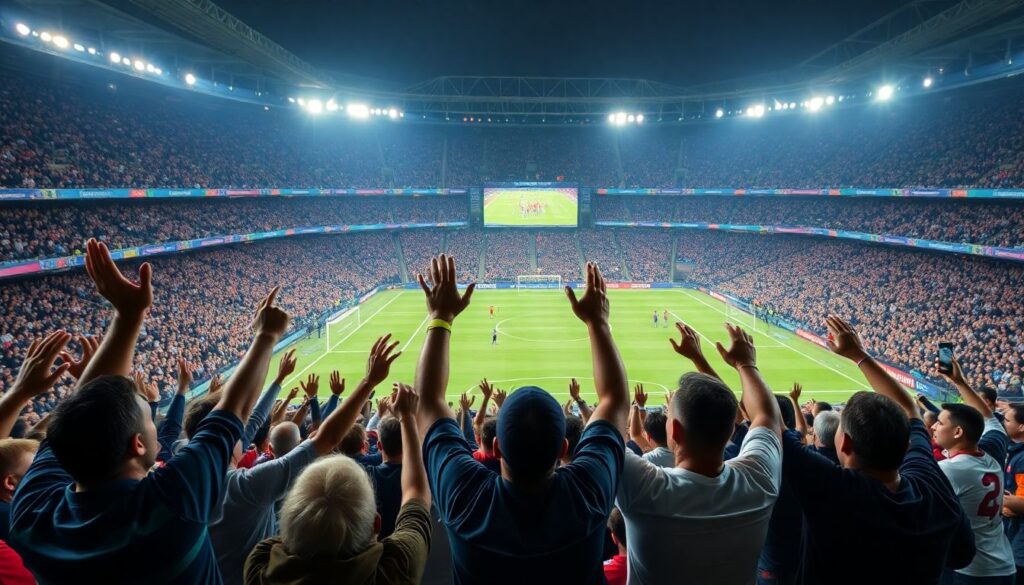
VAR transformed how supporters feel and behave during key moments. It introduced fresh rituals, but also new frustrations, especially in emotionally charged stadiums across Turkey and Europe.
Cultural benefits and new possibilities for supporters
- More perceived fairness in decisive matches, particularly where fans felt referees historically favoured big clubs.
- New collective moments during checks, such as chants aimed at the VAR room or humorous songs while waiting for decisions.
- Greater tactical understanding among fans, who rewatch incidents on screens and social media, learning subtle offside and handball nuances.
- Opportunities for supporter groups to create banners, tifo and social media memes around specific VAR calls, adding a fresh creative layer.
- More structured post‑match debates, with freeze‑frames and angle‑by‑angle breakdowns becoming part of fan identity and club media channels.
Limitations, tensions and risks introduced into fan culture
- Delayed, less spontaneous goal celebrations, especially frustrating in stadiums where screen replays lag behind TV broadcasts.
- Perception that technology “belongs” to bigger or richer clubs, deepening mistrust when decisions repeatedly go against the same teams.
- Chants and protests shifting from referees to “the room in Istanbul” or “Europe”, framing disputes as institutional rather than individual.
- Fragmented stadium atmosphere during long checks, with some fans checking phones and others arguing, breaking the continuous noise traditional in Turkish football.
- Risk of increased aggression outside stadiums when controversial decisions are repeatedly replayed on TV and social media, extending anger beyond 90 minutes.
Media narratives, broadcasting innovations and commercial consequences
For media, VAR is content. It adds extra video packages, talking points and data layers, but also fuels myths about conspiracies and bias, especially when narrative sells better than nuance.
- Myth: VAR eliminates all mistakes
In reality, VAR reduces some types of errors but introduces new grey areas, especially handball and subjective fouls. Media that promise “zero mistakes” encourage unrealistic expectations in Turkish and European audiences. - Myth: Technology is neutral and cannot be questioned
Camera placement, frame selection and line‑drawing standards are human choices. Over‑trusting graphics on screen, including in coverage built for VAR controversies in European football betting, can hide these subjective steps. - Myth: VAR always favours big clubs
While big clubs are involved in more televised controversies, data usually show mixed patterns. Narratives focusing only on famous incidents make local fans feel structurally victimized, even when decisions statistically balance out over time. - Myth: Longer checks always mean higher accuracy
Beyond a certain point, extra replays add confusion, not clarity. Broadcasters benefit from more footage, but coaches and referees often push for time limits to protect match flow and player focus. - Myth: Home viewing now fully replaces stadium experience
High‑quality replays, multiple angles and expert commentary on the best streaming services to watch VAR football matches in Europe improve understanding, but they also create a split: stadium fans live through uncertainty, while TV audiences feel more informed. - Myth: Only elite professionals need to understand VAR
Grassroots coaches, youth players and amateur referees are affected by cultural norms formed on TV. If they learn warped lessons from sensationalist coverage, local football culture suffers.
Youth coaching, grassroots refereeing and long-term development
VAR has indirect but powerful effects on youth systems and grassroots refereeing. The habits and expectations young players and referees acquire today will determine whether future professionals work with technology calmly or constantly argue with screens.
Consider a regional academy in Turkey partnering with a European club. They decide to mimic elite culture without expensive hardware:
- They record all youth matches from a fixed camera position.
- After each game, coaches and referees sit with players to review two or three “VAR‑like” incidents: offside, penalty appeals, possible violent conduct.
- Coaches ask players to explain what they thought happened in real time, then compare it with the video and the Laws of the Game.
- Referees practice signalling what they saw and what they would ask a future VAR to check, building clear communication routines.
- Clubs store these clips in simple databases or in football analytics software with VAR data for clubs and scouts, tagging themes such as “impulsive reactions”, “simulation” or “delayed flag”.
- Youth players learn that emotional reactions rarely change decisions; instead they focus on tactical reset after breaks, mirroring elite behaviour.
Over time, such practices align grassroots culture with professional standards, even without official VAR systems. Referees arriving in the Super Lig or European competitions will then treat VAR as a natural extension of their decision‑making, not as a threat to their authority.
Practical concerns fans and clubs raise about VAR
Why do some VAR decisions feel inconsistent between Turkey and other European leagues?
Each competition applies the same core laws but sets its own intervention threshold and communication style. Turkish fans may see stricter or looser interpretations than in, say, England or Germany, which creates a sense of inconsistency even though the written protocol is similar.
Is it still worth going to the stadium if TV viewers see more angles?
Stadium fans lose some informational clarity but gain emotion, noise and shared tension during checks. If you care most about tactical detail and replays, TV is better; if you value collective experience and live pressure on referees, stadium tickets remain meaningful.
How can clubs reduce emotional chaos during long VAR checks?

Clubs can rehearse “check routines”: captains lead players to specific positions, benches send one simple message and emotional leaders calm teammates. Clear internal rules about who speaks to the referee and who keeps others focused help contain chaos.
Does VAR change how betting companies and fans approach live odds?
Yes. Live odds now factor in the probability of VAR overturns, especially after goals or penalty incidents. Bettors following VAR controversies in European football betting pay close attention to stadium reactions, referee behaviour and previous decisions by the same VAR team.
How can a casual fan better understand VAR without reading full rulebooks?
Short video explainers from national associations, club media and online courses on VAR rules and football refereeing in Europe can help. Focus on four areas: goals, penalties, red cards and mistaken identity; most checks fall into these categories.
What practical steps can small clubs take if they cannot afford full VAR setups?
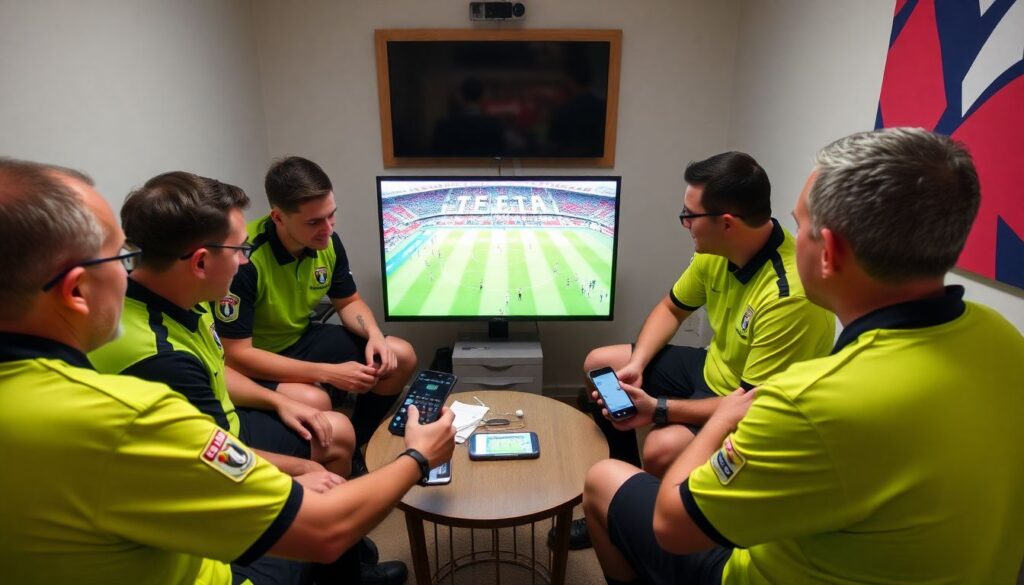
They can still build a “review culture” by filming matches, running post‑game video sessions and teaching referees to explain key decisions calmly. Simple phone or single‑camera recordings already create habits that translate well if technology arrives later.
Are young players becoming too dependent on VAR to save them from mistakes?
This risk exists if coaches tolerate lazy defending or risky challenges because “VAR will fix it”. Good coaching uses video to highlight responsibility, not to excuse errors, stressing that most decisions still rely on the first on‑field call.