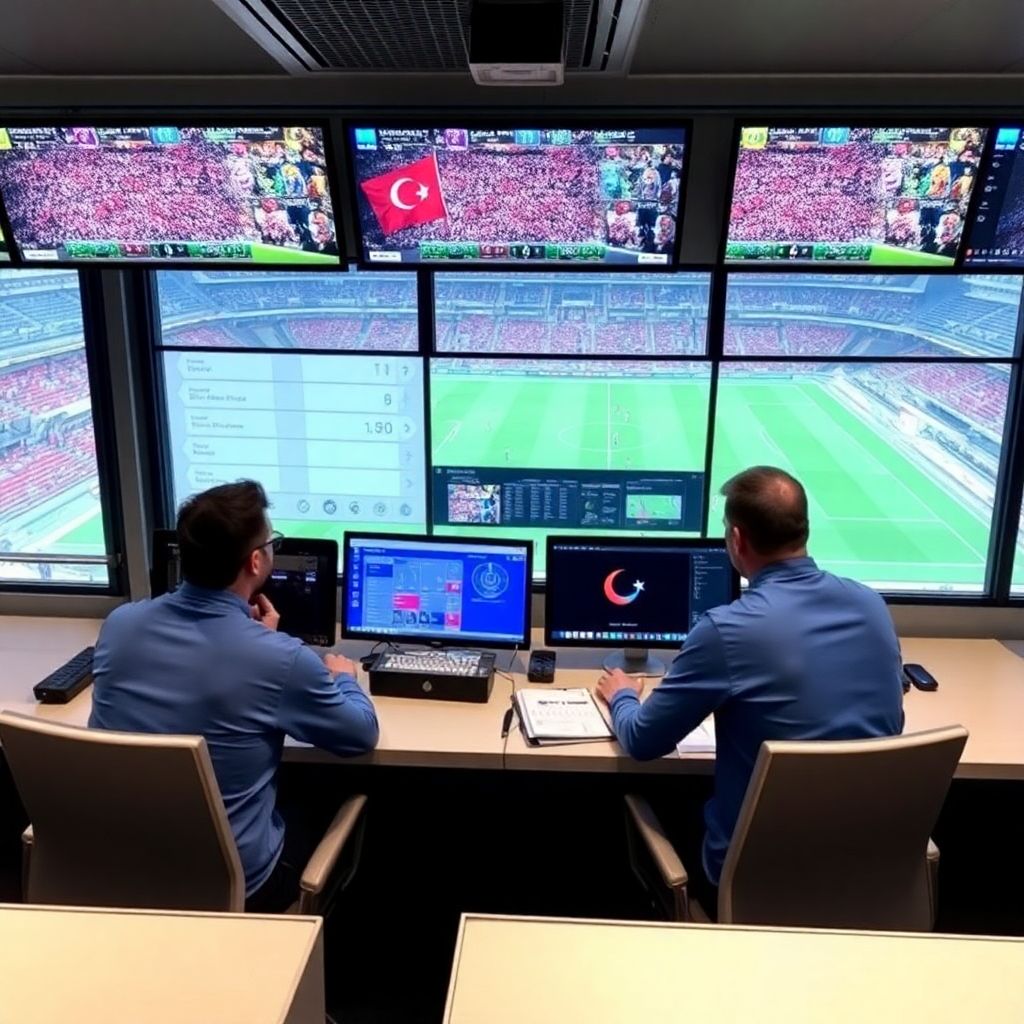
Data-driven football in Turkey means using structured data, video and sports science to support, not replace, the judgment of coaches and executives. For Turkish clubs, it starts with basic infrastructure, simple repeatable reports and clear questions about recruitment, tactics and injuries, then gradually expands towards integrated analytics across the whole club.
Core Insights on Analytics Adoption in Turkish Football
- Start with one or two clear use cases (recruitment or set pieces) instead of trying to transform the whole club at once.
- Invest first in data quality and simple workflows before advanced models or custom sports analytics software for football clubs.
- Combine local knowledge of Turkish leagues with structured outputs from football performance data providers.
- Use data-driven scouting solutions for football clubs to reduce risk in foreign signings and U23 recruitment.
- Work with football data analytics services or a football analytics consulting firm when in-house skills are limited.
- Protect player privacy and comply with Turkish and UEFA regulations when using GPS, wearables and medical data.
- Educate coaches and sporting directors so analytics becomes a routine part of decision-making, not a separate department.
Current Landscape: Data Teams and Infrastructure in the Süper Lig
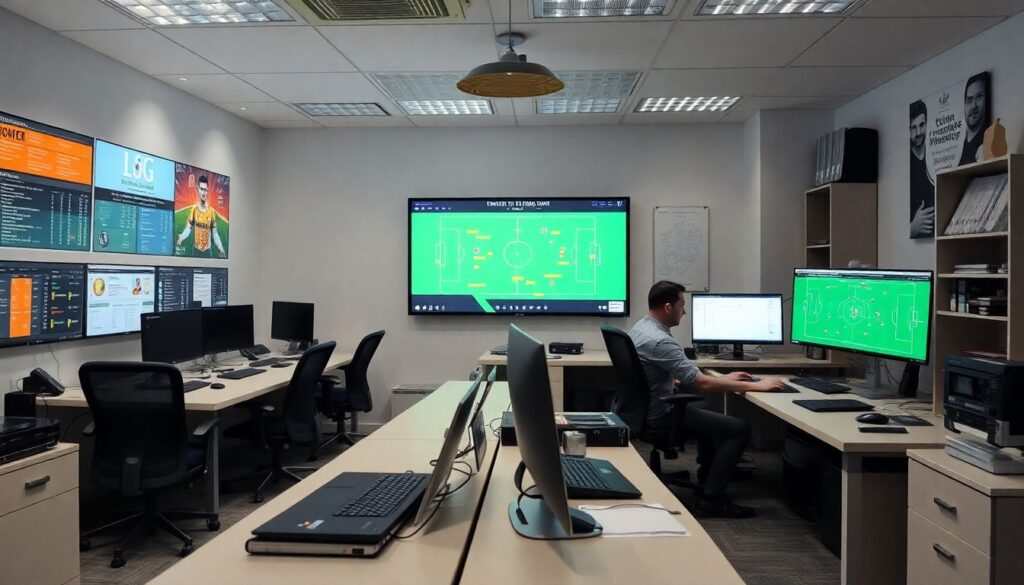
Analytics adoption in the Süper Lig is uneven. A few clubs have small multidisciplinary teams combining analysts, video staff and sports scientists; many operate with one analyst or an intern who also handles opposition analysis and basic reporting.
This approach suits clubs that:
- Already collect event and tracking data from reliable football performance data providers or league partners.
- Have at least one technically minded staff member who can manage data, basic coding or advanced Excel.
- Are willing to align recruitment, coaching and medical staff around shared metrics and definitions.
Analytics is not yet a good fit if your club:
- Lacks consistent video and match data even for its own games and training sessions.
- Changes head coaches so frequently that no medium-term playing model or KPIs can be defined.
- Has no budget for minimal tools or external football data analytics services and cannot allocate staff time.
In these cases, start very small: standardize post-match reports, centralize video in one platform and define 5-10 key indicators agreed by the head coach and sporting director.
Recruitment Intelligence: Modeling Scouting and Talent Identification
To build data-augmented scouting, you need a clear technical setup and realistic expectations. The goal is to screen and prioritize players, not to buy based on a spreadsheet alone.
Core requirements and tools
- Data sources
- Event data (passes, shots, duels) from football performance data providers or league feeds.
- Physical and medical history where allowed by regulations and privacy constraints.
- Contract and salary estimations from agents, internal records or a trusted football analytics consulting firm.
- Software environment
- Spreadsheet tools for staff who are not coders (Excel, Google Sheets).
- At least one database or simple data warehouse; even cloud spreadsheets can work at small clubs.
- Optional: sports analytics software for football clubs that integrates video, data and custom tags.
- Human skills
- One analyst who can clean data, run basic models and create readable dashboards.
- Scouts who are comfortable with simple filters and who record structured reports consistently.
- Club processes
- A standard scouting template (roles, strengths, weaknesses, off-field factors).
- Fixed weekly or bi-weekly recruitment meetings where data and live scouting are discussed together.
- A clear approval chain for shortlists, video checks and live viewing.
Practical uses of data in scouting
- Identify undervalued leagues (e.g., nearby Balkan or Central Asian competitions) that match Süper Lig intensity.
- Filter players by age, contract length, injury record and playing style to support data-driven scouting solutions for football clubs.
- Benchmark current squad players against realistic external options before any sale or renewal.
Tactical Analytics: Translating Event Data into Match Plans
Before implementing tactical analytics workflows, be aware of these risks and limitations:
- Overfitting to small samples (few matches), especially in playoffs or knockout ties.
- Misinterpreting metrics without context, for example pressing intensity against very weak opponents.
- Relying on data from different providers with inconsistent definitions or tagging standards.
- Sharing overly complex visuals that confuse coaches and players instead of clarifying ideas.
- Breaching competition rules or broadcast agreements when using unofficial tracking sources.
Use this safe, step-by-step framework to turn raw event data into actionable input for match plans in a Turkish club environment.
- Define one or two tactical questions per match
Agree with the head coach which decisions need support: pressing height, build-up routes, set-piece routines or substitutions. Limit the scope so your analysis is ready within the local matchweek rhythm.
- Collect reliable event and video data
Use official league providers or contracted football data analytics services to avoid inconsistent tagging. Cross-check key events (shots, big chances, press triggers) with video to validate accuracy.
- Store clips and data in one shared platform used by analysts and coaches.
- Avoid unofficial tracking feeds that might violate rights or provide noisy signals.
- Build simple, repeatable metrics
Create a small tactical KPI set that your staff understands, for example zones of ball recovery, passes into the box, or pressing actions in the final third. Keep definitions stable across matches to allow trustworthy trend analysis.
- Document each metric in a short glossary and share with staff.
- Test metrics on past matches where you already know the tactical story.
- Turn insights into specific game-plan options
Translate patterns into 2-3 concrete coaching options, not abstract numbers. For example, identify a weak channel in the opponent back line or set-piece routines where they concede chances.
- Link each analytic finding to a proposed training drill or walkthrough.
- Prioritize ideas that fit your existing playing model and player profiles.
- Present findings in coach-friendly formats
Use short videos, clear pitch maps and minimal text instead of complex tables. Aim to explain each key point in under one minute, so staff can integrate it into pre-match meetings without disrupting routines.
- Close the loop after the match
Review which analytic recommendations were used and whether they helped. Adjust your metrics and workflows based on feedback from coaching staff and the reality of Süper Lig match tempo and refereeing.
- Archive each report and clip package for future opponent cycles.
- Track a small set of season-long tactical indicators to support strategic decisions.
Sports Science Integration: Wearables, Load Forecasting and Injury Risk
Use this checklist to verify that your sports science and analytics integration is working safely and effectively in a Turkish club context.
- Player monitoring with wearables is approved by club management and complies with Turkish privacy laws and league rules.
- All GPS and heart-rate devices are calibrated regularly and used consistently in training and friendly matches.
- Medical, fitness and analytics staff share one central database or dashboard for player load and wellness data.
- Daily wellness questionnaires and RPE (perceived exertion) are recorded in a structured, time-stamped way.
- Training plans are adjusted based on both data indicators and the coach's technical objectives, not data alone.
- Return-to-play protocols are documented, with clear load progression steps for each injury type.
- High-risk patterns, such as repeated spikes in workload after international breaks, are flagged and discussed weekly.
- Communication with players is transparent, explaining why data is collected and how it protects their careers.
- External sports analytics software for football clubs, if used, stores data securely and respects data ownership agreements.
- End-of-season review compares injury days, soft-tissue injury trends and player availability with previous seasons.
Transfer Valuation and Risk Management for Turkish Clubs
These are frequent mistakes Turkish clubs make when using analytics for transfers, and should be actively avoided.
- Valuing players solely on highlight metrics (goals, assists) without considering role, league strength or playing style fit.
- Ignoring foreign player quotas and local registration rules when building valuation models and squad plans.
- Relying on one data source instead of cross-checking different football performance data providers and live scouting.
- Underestimating adaptation risk for players moving from very different tactical and cultural environments.
- Over-projecting young players based on limited minutes, without realistic pathways to playing time in the Süper Lig.
- Failing to account for salary, bonuses, tax factors and agent fees alongside transfer fee in total cost calculations.
- Not modeling downside scenarios such as relegation, European qualification failure or coaching changes.
- Allowing last-minute pressure from agents or media to override structured, data-informed shortlists.
- Using a public dashboard from a generic football data analytics services provider as the only decision tool.
- Not tracking post-transfer performance versus projections, so the club never learns which models actually work.
Change Management: Embedding Analysts into Club Governance and Coaching
When full in-house analytics teams are not yet realistic, these alternative models can still move your club towards data-driven football safely and affordably.
- Part-time or shared analyst model
Two or three neighboring clubs share one analyst who focuses on standard reports and recruitment screening. Works well in lower leagues or for academies with limited budgets.
- External consulting partnership
Engage a specialized football analytics consulting firm on a seasonal retainer for recruitment support, opposition analysis templates and staff training. Suitable when you lack internal expertise but can define clear deliverables.
- Hybrid video analyst plus data role
Upskill an existing video analyst with basic data skills and support them with external football data analytics services. This reduces hiring risk and keeps tactical understanding close to the coaching staff.
- Academy-first analytics rollout
Start data workflows in the academy where time horizons are longer and media pressure is lower. Once processes are stable, extend to the first team with proven tools and routines.
Common Implementation Challenges and Practical Solutions
How can a small Turkish club start with analytics on a limited budget?
Begin with free or low-cost tools and focus on standardizing data from your own matches. Use spreadsheets and basic video tagging, then gradually test external sports analytics software for football clubs when you can prove internal value.
What skills should the first hire in a data team have?
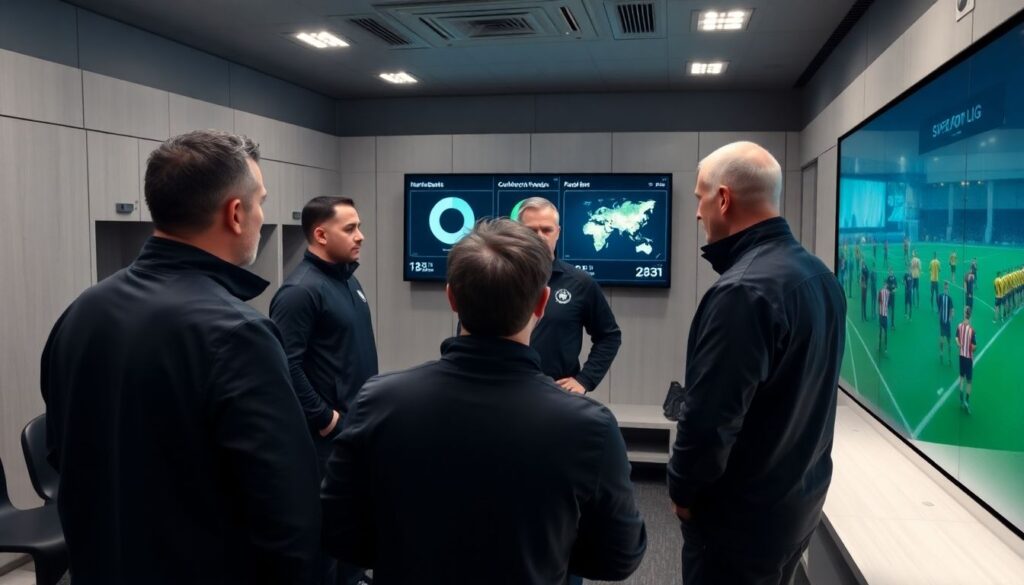
Look for someone who can communicate clearly with coaches, handle data cleaning and create simple dashboards. Technical depth is useful, but the ability to translate numbers into football language is critical in the Süper Lig environment.
How do we convince coaches who are skeptical of analytics?
Start with one concrete problem they care about, such as set-piece defense or injury reduction. Deliver quick, practical insights, show video evidence and avoid jargon. Build trust over time rather than pushing a complete transformation immediately.
Which areas of the club benefit first from data-driven approaches?
Recruitment, set pieces and injury prevention usually show the fastest and safest returns. These areas have clear metrics, repeatable decisions and direct financial or performance impact, making them ideal pilots for data-driven football in Turkey.
How should we choose between different external data providers and services?
Test data quality on matches you know well, check how quickly they support Turkish competitions and verify integration options. Compare not only price but also reliability, documentation and how well their tools fit your existing workflows.
How can we protect player privacy when using GPS and wellness data?
Limit access to medical and wellness data to authorized staff, store information securely and inform players how their data is used. Align internal policies with national laws, league guidance and UEFA recommendations on data protection.
What is a realistic timeline to see results from analytics adoption?
Basic reporting improvements may appear within weeks; recruitment and injury risk projects often need at least one transfer window or half-season. Set expectations early so the board and coaching staff allow enough time for stable implementation.
Комментарии