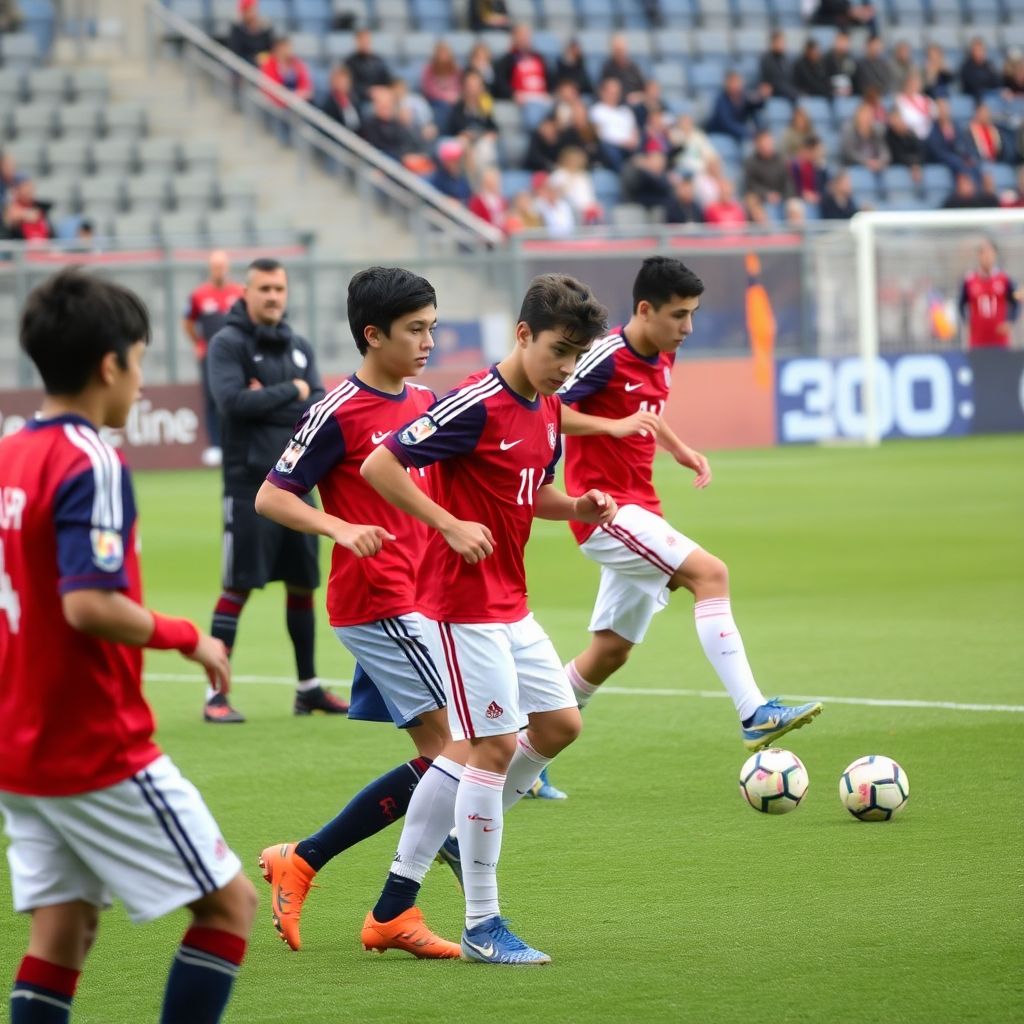
Turkish talent is reshaping European football through technically skilled, tactically flexible players emerging from improved academies in Turkey and strong diaspora communities. For clubs, the safest path is structured scouting, gradual integration and realistic valuation. Limitations include adaptation risk, regulatory constraints and occasionally inflated expectations around “next big star” narratives.
Core insights on Turkey’s contribution to European football
- There is now a stable two-way pipeline: domestic Süper Lig academies and diaspora systems both feed Turkish football players in European clubs.
- Typical profiles mix strong ball control, creative passing and high tactical discipline, especially in midfield and full-back roles.
- Over-optimistic fees and media hype around the best Turkish talent in European football 2024 can hide adaptation and consistency risks.
- Safe strategy for scouting Turkish players for European leagues is multi-season data tracking plus staged integration (loan paths, rotation roles).
- Regulations on non-EU spots, homegrown quotas and dual-nationality decisions strongly shape top Turkish football transfers to Europe.
- Young Turkish football prospects in Europe benefit from bilingual upbringing and multicultural dressing rooms but still need structured off-pitch support.
Historical pipelines: how Turkish players reached European leagues
Historically, the flow of Turkish football players in European clubs started mainly through individual standouts rather than systematic planning. Early examples were attackers and playmakers moving from big Istanbul clubs to Germany, Italy or Spain, often after proving themselves in European competitions with their Turkish teams.
Over time, a second, equally important pipeline developed: players born or raised in Germany, the Netherlands, France and other countries with large Turkish communities. Many of these players progressed through Western European academies, then chose between representing Turkey or their birth nation at international level, but club careers were already fully “Europeanised”.
In the last decade, a third route has grown: direct exports from Turkish academies at earlier ages to mid-tier European clubs, especially in Belgium, the Netherlands and Scandinavia. These clubs act as stepping stones, polishing tactical understanding and physical habits before potential moves to top-five leagues.
For scouts and sporting directors, understanding which of these three pipelines a player comes from is a safe first step. It clarifies coaching background, cultural expectations and typical adaptation curves before committing to a transfer plan.
Playing profile: technical and tactical characteristics of Turkish prospects
Coaches and analysts who focus on scouting Turkish players for European leagues generally see recurring technical and tactical patterns. Recognising these helps build realistic roles and progression paths, rather than forcing a player into unsuited systems.
- Ball control and close-touch dribbling: Many Turkish midfielders and wingers are comfortable receiving under pressure, using quick touches rather than long carries. Safe usage: as connectors in tight spaces, not isolated sprinters in large open areas.
- Creative passing and set-piece quality: From number 10s to deep playmakers, vision and delivery are often strengths. Safe usage: structured routines around corners and free kicks; limitation: do not overbuild a game model around a single specialist.
- Tactical discipline in compact blocks: Players raised in Süper Lig environments are used to low or medium blocks and transitional football. Safe step: plug them first into familiar defensive shapes, then extend pressing responsibilities gradually.
- High emotional intensity: Supporter culture and derby environments in Turkey produce competitive, emotionally driven players. Advantage: big-match mentality; limitation: occasional over-reactions under provocation or refereeing pressure.
- Versatile full-backs and wide midfielders: A notable share of young Turkish football prospects in Europe come as wide players who can operate both defensively and offensively. Safe step: start them in role-sharing systems (e.g., back five) before moving to strict back four responsibilities.
- Finishing streaks, but streaky form: For attacking talent, hot scoring patches often alternate with quieter periods. Clubs should judge underlying chance quality and movement, not just short-term goal numbers.
- Work rate over pure speed: Many profiles combine good endurance and willingness to press with only average straight-line pace. Tactical fit is crucial; do not recruit them as primary transition sprinters.
For clubs assessing the best Turkish talent in European football 2024, the safest approach is to map each player to specific game tasks (pressing triggers, set-piece roles, zones of reception) before any fee negotiation. This keeps expectations aligned with actual on-pitch habits.
Development systems: academies, coaching and domestic talent production
Modern Turkish academies increasingly mirror European structures: position-specific coaching, periodised physical work and integrated video analysis. Big Süper Lig clubs run satellite centres nationwide, helping detect regional prospects that would previously remain unseen. The improvement is gradual and uneven, but the direction is clearly professionalising.
In parallel, academy systems in Germany, the Netherlands and France keep producing Turkish-background players through their own national coaching curricula. Many of the most polished Turkish football players in European clubs actually developed in these systems, then chose Turkish nationality later. Their tactical education follows local standards, which can be an advantage when changing clubs inside Europe.
Beyond elite academies, smaller Turkish clubs and regional training centres also play a role. They often provide first-team minutes earlier than major clubs, giving teenagers valuable exposure to adult football. The trade-off is less advanced sports science and infrastructure, so European clubs must carefully check training loads and injury history.
For safe recruitment from Turkey’s domestic system, clubs should build long-term relationships with a few trusted academies, track players for multiple seasons and invest in shared methodology (coaching clinics, data exchanges) instead of relying on one-off tournament impressions.
Club-level approaches: scouting, transfers and strategic partnerships
The bridge between Turkish talent and European clubs is built at front-office level. Strategies differ widely, but the safest ones combine deep local knowledge, cautious financial structures and clear integration plans rather than chasing headlines about top Turkish football transfers to Europe.
Structured advantages of working the Turkish market
- Early access to a large talent pool: Turkey’s population and football culture create many potential professionals. Well-organised clubs that invest in regional scouts and data coverage can identify value before broader market attention.
- Flexible deal structures: Turkish clubs are often open to sell-on clauses, buy-back options and performance bonuses. This lets European buyers limit immediate risk while keeping upside if a player breaks through.
- Synergy with diaspora pathways: Partnerships with clubs in Germany, the Netherlands or Belgium can create a safe ladder: Turkish academy → stepping-stone club → bigger league. This staged model protects both sporting and financial risk.
- Brand growth in Turkey: Signing successful Turkish players can grow a European club’s fan base and commercial reach in Turkey, which is attractive for sponsorships and pre-season tours.
Key limitations and risk factors to manage
- Overpaying for hype: Media and fan excitement around “the next big talent” can inflate fees. Safe step: use independent performance data and cross-league benchmarks instead of press-driven valuations.
- Insufficient adaptation planning: Without language help, cultural mentoring and family support, even elite players can struggle. Clubs should budget off-field support as seriously as transfer fees.
- Regulatory friction: Non-EU rules, work permits and squad registration quotas can limit minutes. Before finalising transfers, clubs must scenario-plan multiple seasons of roster composition.
- One-off transactions without relationship capital: Treating Turkey as a source of occasional bargains leads to information gaps. Strategic partnerships with a few key clubs reduce uncertainty and negotiation friction.
Clubs that approach Turkish talent as a long-term network project, not a one-time deal, reduce the main risks and turn the market into a repeatable source of value.
Economic dynamics: transfer fees, market valuation and commercial impact
Conversation about Turkish players in Europe often focuses on headline prices and quick resale profits. This hides both common mistakes and persistent myths about the economic side of recruitment, especially when evaluating young Turkish football prospects in Europe versus more proven names.
- Mistake: confusing potential with guaranteed resale
Many clubs pay as if every prospect will become a star. Safe step: build models around conservative outcomes and accept that only a minority will generate large resale profits. - Mistake: ignoring wage-to-impact ratio
Transfer fee is visible; wages and bonuses quietly compound over contracts. Financially prudent clubs track total cost per minute played and per expected contribution to results. - Mistake: overrating short tournament performances
Strong youth tournament or single-season spikes can mislead. Better to judge three-season trends, role stability and injury robustness before agreeing on long contracts. - Myth: Turkish players are always “cheap”
Top-tier prospects from big Istanbul clubs or established European academies are no longer discount options. Real bargains are more often in overlooked regional clubs or B teams. - Myth: commercial value automatically follows nationality
Signing a Turkish player does not guarantee shirt sales or TV deals. Commercial impact appears when sporting performance, media presence and club marketing work together.
Clubs that price Turkish signings on realistic performance scenarios, not nationality-driven stories, avoid financial strain and keep budgets available for squad balance.
Integration challenges: cultural adaptation, regulations and dual-nationality
After the transfer is complete, a different set of constraints becomes visible: daily life, dressing-room dynamics and international eligibility decisions. These are often underestimated, yet they shape whether Turkish football players in European clubs actually reach their ceiling.
Culturally, language and family separation are the first tests. Younger players moving abroad from Turkey may be away from support networks for the first time. Diaspora players face another set of questions: identity, expectations from both Turkish and local communities, and media narratives around national-team choice.
Regulations add complexity. Non-EU limits, homegrown rules and international call-up schedules affect training rhythm and availability. Dual nationals must also decide which country to represent, usually at youth or early senior level, which then influences how they are perceived by fans and the federation.
Mini-case: A young left-back born in Germany to Turkish parents progresses through a Bundesliga academy. As he nears first-team debut, both federations approach him. The safest club response is neutrality: provide information on calendar impacts, travel loads and media attention, but avoid steering the decision. Meanwhile, the club builds a support circle: language support for relatives, a mentor from similar background and a clear minute-management plan so international duty does not overload the player.
Clubs that treat integration and dual-nationality as long-term planning topics, not last-minute issues, give Turkish signings a much better chance of becoming stable contributors rather than short-lived experiments.
Practical queries about Turkish talent in European competitions
What is the safest way to start scouting Turkish players for European leagues?

Begin by focusing on a few leagues and academies you can monitor consistently, rather than trying to cover the whole market. Combine live reports with video and data, and track players for at least a full season before serious contact. This filters out short-term form spikes.
How should clubs judge the best Turkish talent in European football 2024 without getting carried away?
Ignore media labels and build role-specific benchmarks: compare each player only to others in the same position, age range and league strength. Check repeatable strengths such as decision making and off-ball movement instead of one viral performance.
Are top Turkish football transfers to Europe better done at youth level or after first-team breakout?
Both routes can work if risk is priced correctly. Younger signings should be cheaper and come with clear loan or B-team pathways, while older signings can justify higher fees only if they already deliver consistent minutes in a competitive league.
What roles do young Turkish football prospects in Europe typically succeed in first?
They often adapt fastest as full-backs, wide midfielders, or flexible number 8s, where energy and tactical discipline are prioritised over star status. Starting them in rotation roles or cup matches is usually safer than immediate automatic starter status.
How can smaller clubs benefit from Turkish talent without overextending budgets?
Target undervalued segments: secondary Turkish leagues, regional academies and diaspora players leaving big academies on free transfers. Structure deals with performance bonuses and sell-on clauses instead of high fixed fees, and invest proportionally more in adaptation support than in marketing.
What are the main off-field risks when signing Turkish players and how to limit them?
Main risks are cultural isolation, language barriers and pressure from external expectations (family, media, fan groups). Mitigate them with pre-arrival orientation, language lessons, access to culturally aware staff and a clear plan for gradual on-pitch responsibility.
Do Turkish football players in European clubs face specific regulatory issues?
They may be affected by non-EU quotas, homegrown definitions and work-permit rules, depending on the country. Clubs should check long-term eligibility and registration status before signing, to avoid situations where the player is fit but blocked from matchday squads.
Комментарии