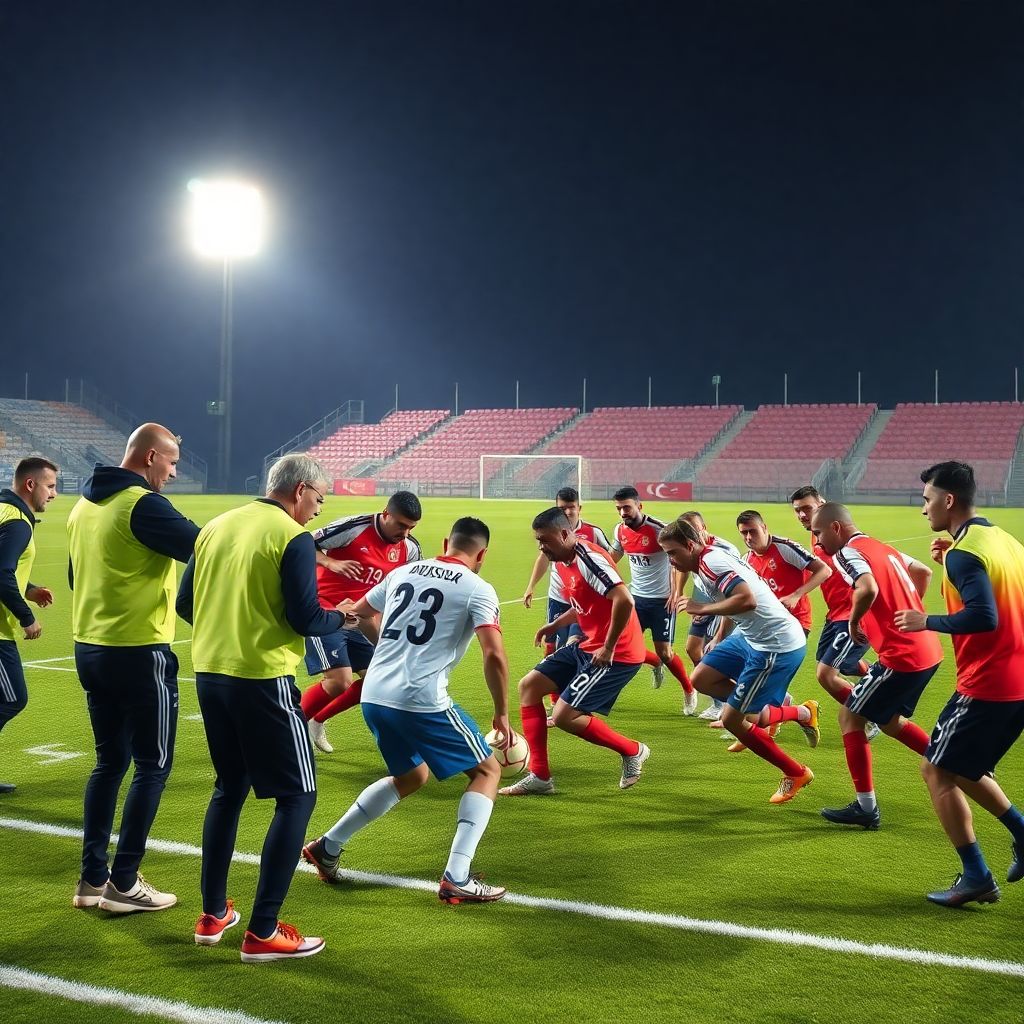
Gegenpressing in Turkey works when you compress space around the ball, defend forward together and train short, intense reactions after loss. Turkish coaches adapt it by simplifying the structure, using clear triggers, adjusting for local player profiles and relying more on video plus small‑sided games than on complex theory.
Essential Principles of Gegenpressing for Turkish Teams
- Win the ball back within the first seconds after losing it, especially in central zones.
- Defend forward as a unit: nearest three to five players react, the rest squeeze space behind.
- Use simple, repeatable pressing triggers that fit Turkish player habits and local conditions.
- Train with short, high‑intensity games instead of long tactical lectures.
- Link your game model with realistic Süper Lig profiles, not with idealised European squads.
- Support the pitch work with basic video and football analytics services for pressing and gegenpressing in Turkey.
How Gegenpressing Reached Turkish Football: Trends and Catalysts
Gegenpressing entered Turkish football through European influences, UEFA courses and the success of clubs using high pressing in European competitions. Many staff now follow gegenpressing coaching courses in Turkey or abroad and bring back simplified versions that fit domestic realities, budgets and the intensity of the Süper Lig calendar.
This approach suits coaches who want to dominate with and without the ball, have the authority to shape training habits and can demand high fitness and concentration. It is risky when your squad is very old, tactically undisciplined, has poor depth or must play twice a week with long travel and limited rotation options.
It is also a bad idea to copy what the best Turkish coaches using gegenpressing tactics do without adaptation. Instead, start with one or two clear pressing zones, basic cues and simple patterns that your players can execute under pressure in real Süper Lig and 1. Lig environments.
Tactical Anatomy: Shapes, Triggers and Defensive Coordination
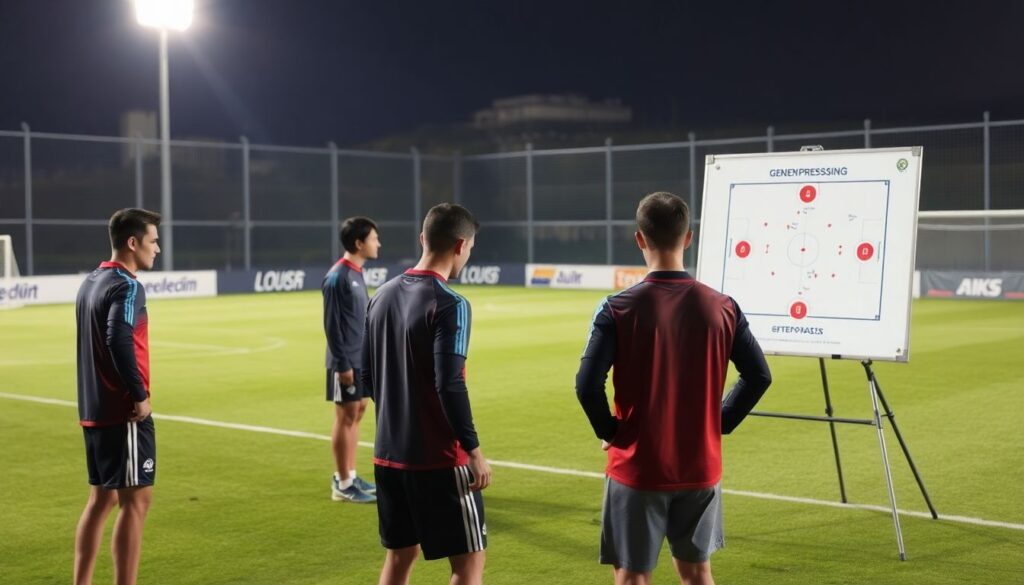
To organise safe, effective gegenpressing, you need clarity in four areas: team shapes, pressing triggers, roles by line and communication rules. The aim is to remove chaos after ball loss and replace it with automatic, coordinated reactions.
Preferred shapes for Turkish squads
- Base formations: 4‑2‑3‑1 or 4‑3‑3 are usually easiest for Turkish players already exposed to them in Turkish football coaching licenses high press tactics modules.
- Rest‑defence shape: at the moment you attack, you still keep at least two centre‑backs plus one midfielder ready behind the ball.
- Wide positioning: wingers stay inside half‑spaces when attacking so they can press immediately on loss.
Safe pressing triggers
- Bad first touch by opponent in central areas.
- Back pass from full‑back to centre‑back near the touchline.
- Vertical pass into opponent’s pivot with back to goal.
- Loose ball after aerial duel your team contests.
Defensive coordination rules
- Nearest player presses the ball; second closes the nearest passing lane; third protects depth.
- Back line moves up 5-10 metres together when the press starts instead of dropping off.
- Goalkeeper holds an aggressive starting position to sweep long balls behind the line.
- Assistant coach or analyst tracks distances between lines and the number of players around the ball in each press.
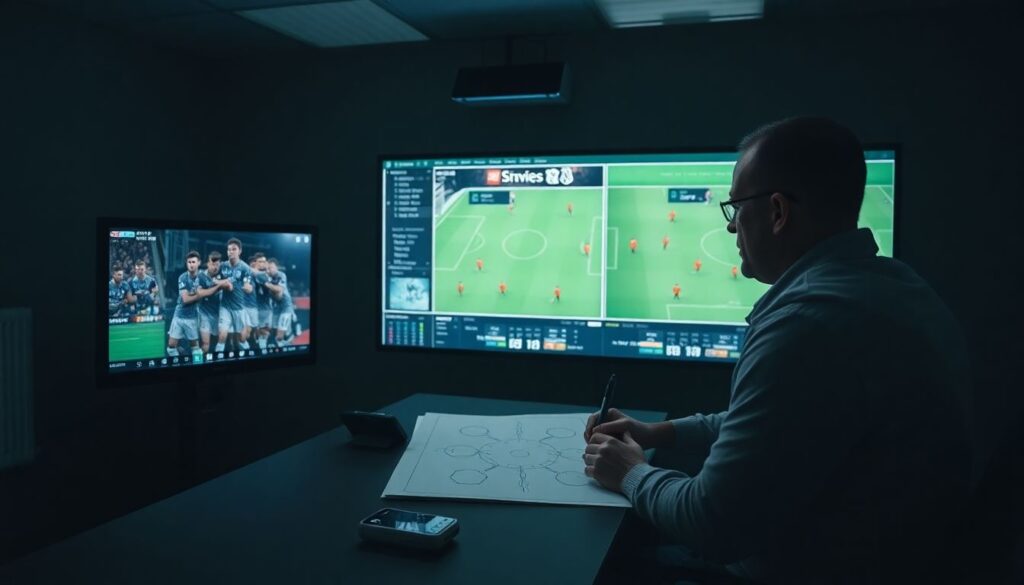
Many staff use simple video cut‑ups or cooperate with football analytics services for pressing and gegenpressing in Turkey to visualise those rules after games, but the basic on‑field cues must always stay simple and repeatable.
Tailoring the System to Süper Lig Player Profiles and Club Cultures
-
Profile your current squad honestly
Assess age, running capacity, aggression, and tactical discipline of each line instead of assuming European standards. Use GPS if you have it, but even basic match clips and staff notes can show who repeatedly sprints, who reacts late and who switches off after ball loss.
-
Define your pressing zones and risk level
Choose where you want to win the ball most often: very high (on their build‑up), middle third, or mostly after long balls. For many Turkish squads, starting with middle‑third presses is safer before moving the line higher as conditioning and understanding improve.
-
Assign simple, role‑based tasks
Translate theory into one clear sentence per player group.
- Strikers: force play to one side and block back passes inside.
- Wingers: jump to full‑back on bad touch, protect inside lane first.
- Central midfielders: step forward on vertical passes, never both vacate the same zone.
- Defenders: squeeze up together but one centre‑back always covers depth.
-
Connect against‑press with your attacking patterns
Design your positional play so that losing the ball naturally leaves players close enough to attack it. For example, keep your number 10 and opposite winger central when the ball is wide so they are available to collapse around the ball if possession is lost.
-
Build a progressive training microcycle
Across the week go from simple, closed exercises to chaotic game‑like situations. Reserve the highest‑intensity pressing work for days when recovery time allows, and protect older or key players with reduced minutes in the most demanding games.
-
Align staff communication and match‑day language
Agree on two or three keywords for each pressing trigger and for switching off the press. Use the same words in all drills, team talks and video sessions so players can react instantly to short, loud commands rather than to long explanations during matches.
-
Use accessible education and online resources
Complement field work with structured learning that fits your context. An online gegenpressing training program for coaches can give you session ideas, but always adapt constraints, pitch size and duration to Turkish conditions, your league level and available facilities.
Fast-Track Mode for Busy Turkish Coaches
- Pick one main pressing zone (usually middle third) and two simple triggers you will use this month.
- Define one clear role sentence for each line: forwards, midfielders, defenders, goalkeeper.
- Run 2-3 short, high‑intensity pressing games each week, always repeating the same cues and keywords.
- After every match, clip five pressing actions (good or bad) and review them with the team in a brief, focused session.
Practical Training: Fast-Track Drills, Session Plans and Progressions
Use this checklist to verify that your gegenpressing training is safe, realistic and understandable for players at intermediate level in Turkey.
- You start most sessions with a simple activation game that includes changes of direction and quick reactions after loss.
- Your main drills are short (2-4 minutes), with full focus on sprinting, pressing and recovering, followed by sufficient rest.
- Pressing triggers are clearly demonstrated at walking speed before adding intensity or opposition.
- Small‑sided games (4v4+3, 5v5+2, etc.) always include a clear reward for winning the ball back quickly (for example, immediate mini‑goal).
- You use limited touches or directional constraints so the ball is lost often enough to rehearse gegenpressing reactions.
- Older or less fit players have modified distances or shorter work periods to reduce injury risk.
- At least once per week, you run 11v11 or 10v10 with your real match shape, focusing only on pressing triggers and rest‑defence.
- Players can repeat your three main gegenpressing rules in their own words when asked individually.
- Assistants or analysts record at least parts of the session to check distances, compactness and timing afterwards.
Match-Day Implementation: Press Triggers, Substitutions and Tactical Tweaks
When you move from training to match‑day, common mistakes usually come from trying to do too much, too soon. Use this list to avoid the typical tactical and management errors.
- Starting the game with an extreme high press that your squad cannot physically sustain for 90 minutes.
- Changing pressing triggers every week instead of repeating the same core cues until they become automatic.
- Ignoring opponent strengths and pressing blindly, for example leaving their best passer free behind your first line.
- Using late substitutions and keeping tired forwards on the pitch even when they can no longer sprint to press.
- Letting the team press in broken units, with strikers going alone and the midfield or defence not stepping up.
- Failing to adjust to the referee’s line, leading to unnecessary fouls and yellow cards in aggressive pressing zones.
- Abandoning gegenpressing completely after one goal conceded instead of adjusting line height and compactness first.
- Delivering long, emotional half‑time talks instead of one or two precise, tactical corrections linked to your triggers.
Evaluation Framework: Metrics, Video Cues and Scouting Indicators
Not every team can or should play full gegenpressing all season. Here are alternative approaches and when they are more suitable for Turkish clubs.
- Compact mid‑block with selective pressing – Ideal for older squads or teams fighting relegation. You defend deeper, stay compact in the middle third and press only on clear cues like backward passes or loose touches near the touchline.
- Hybrid approach with situational high press – Useful for clubs with mixed fitness levels. You press high only on goal kicks or set patterns while using a mid‑block during open play; this limits the physical burden while still giving you aggressive moments.
- Low block plus counterattack – Fits small budgets or teams built around one or two fast forwards. Instead of gegenpressing, you focus on blocking central spaces and breaking quickly after regains, reducing the need for constant high‑intensity pressing.
- Development‑focused pressing in youth teams – In academies or amateur sides, you may use simplified pressing only as a teaching tool. The goal becomes developing habits and fitness rather than a full tactical identity like elite clubs.
Whatever model you choose, you can still benefit from concepts and tools shown in gegenpressing coaching courses in Turkey, adapting them to your technical level, budget, player profiles and club culture.
Coaching Concerns and Practical Solutions
How can I introduce gegenpressing safely with limited squad depth?
Start with a mid‑block and limited pressing windows, for example the first 15 minutes of each half. Reduce the number of triggers and avoid asking for full‑game high press until you have proven that players can sustain the physical and mental load.
Do I need advanced data tools to coach effective pressing in Turkey?
No. Basic video, manual event notes and simple heat maps are enough at first. If your budget allows, you can gradually add external football analytics services for pressing and gegenpressing in Turkey to track trends and refine your training design.
How do Turkish football coaching licenses cover high press tactics?
UEFA‑aligned Turkish licenses introduce pressing principles, but practical depth varies by course and instructor. Treat them as a foundation, then build your own library of exercises, opponent analyses and match clips to create a pressing style suited to your club’s reality.
What if my attacking players resist defensive work after losing the ball?
Connect pressing success directly to their attacking benefits: more chances, closer to goal, fewer long runs back. Design competitive games where goals count double after a quick regain so attackers see immediate rewards for their defensive reactions.
Can I learn gegenpressing methods without travelling abroad?
Yes. There are domestic workshops and online gegenpressing training program for coaches options, plus match analyses of the best Turkish coaches using gegenpressing tactics. Combine these with your own game footage and gradually test ideas in low‑risk phases of the season.
How do I protect players from overload when adding pressing to an already busy schedule?
Replace some existing running work with ball‑based pressing games instead of simply adding more volume. Monitor player fatigue, shorten games when necessary and rotate roles so that key players are not exposed to maximum pressing minutes every session and match.
What is the quickest way to check if our press is improving over time?
Track how often you win the ball back within a few seconds of losing it and where those regains happen on the pitch. Combine that with short video reviews of five to ten pressing situations per match to see if your triggers, distances and compactness are more consistent.