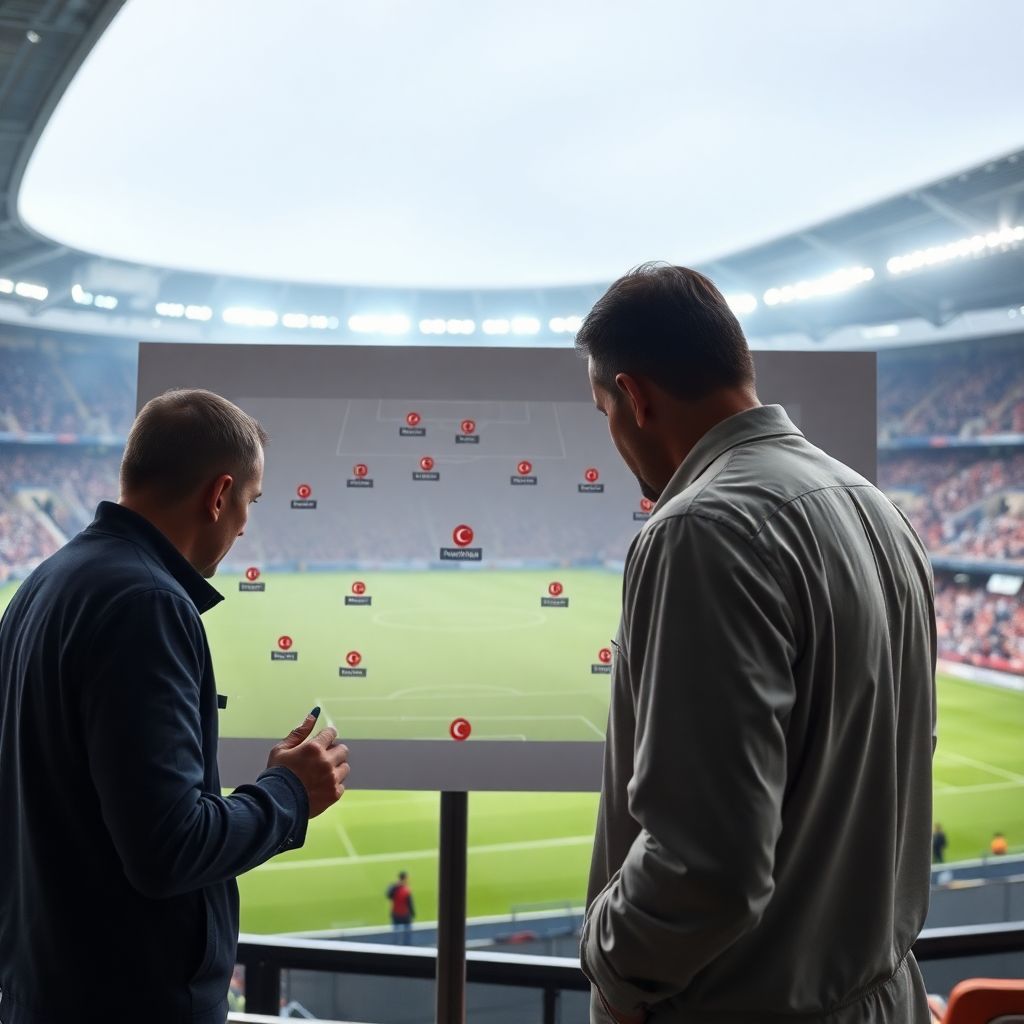
The modern Turkish national team is neither purely defensive nor relentlessly attacking. It is a flexible, transition‑oriented side that changes block height and risk level by game state, opponent and tournament context. If you treat Turkey as a one‑dimensional team in analysis or preparation, then you will consistently misread their real threats.
Myths vs. Immediate Conclusions about Turkey’s Playing Style
- If you assume Turkey is always a deep, reactive team, then you will be surprised by their high pressing and aggressive full-backs against equal or weaker opponents.
- If you assume Turkey is a reckless attacking side, then you will overlook how often they sit in a compact mid‑block and protect central zones.
- If you think Turkey’s identity is random from coach to coach, then you will miss the recurring themes: emotional intensity, vertical transitions and strong wing usage.
- If you judge only by one bad tournament or one heavy defeat, then you ignore the long‑term shift since around 2018 toward more structured pressing and build‑up.
- If you see only highlight goals from distance, then you underestimate the role of coordinated overloads and wide combinations in chance creation.
How the Modern Tactical Identity Emerged
The identity of the modern Turkish national team is best defined as controlled aggression in transitions, with flexible defensive blocks and wing‑focused attacks. It is not a pure defence-first system or a constant high-possession approach. Instead, it balances risk: pressing when the moment is right, absorbing pressure when necessary.
From roughly 2018 onward, as the squad refreshed with technically cleaner defenders and versatile midfielders, Turkey moved away from a stereotype of chaotic emotion and individual brilliance. Euro 2020 qualifying, Nations League campaigns and especially the road to Euro 2024 showed the same pattern: more coordinated pressing triggers, clearer roles for the #6 and interior midfielders, and better spacing in possession.
Different coaches emphasised different aspects – some preferring a higher line and more aggressive press, others choosing a conservative mid‑block against elite opponents. Yet several constants appeared:
- Compact central shape, forcing rivals wide before engaging.
- Quick vertical passes after regain rather than long spells of sterile possession.
- Heavy use of wide overloads and overlapping full‑backs for crossing or cut‑backs.
- Reliance on emotionally charged game phases – momentum swings, crowd influence, and fast starts after half‑time.
If you analyse Turkey’s evolution as a simple switch from defensive to attacking football, then you miss the core idea: the team is built to thrive in transitional chaos but within an increasingly clear tactical structure. For supporters and analysts in Turkey or abroad, any serious turkey football tactics analysis subscription should track that balance between structure and emotional intensity, not label the team in binary terms.
Defensive Blueprint: Shape, Press and Vulnerabilities
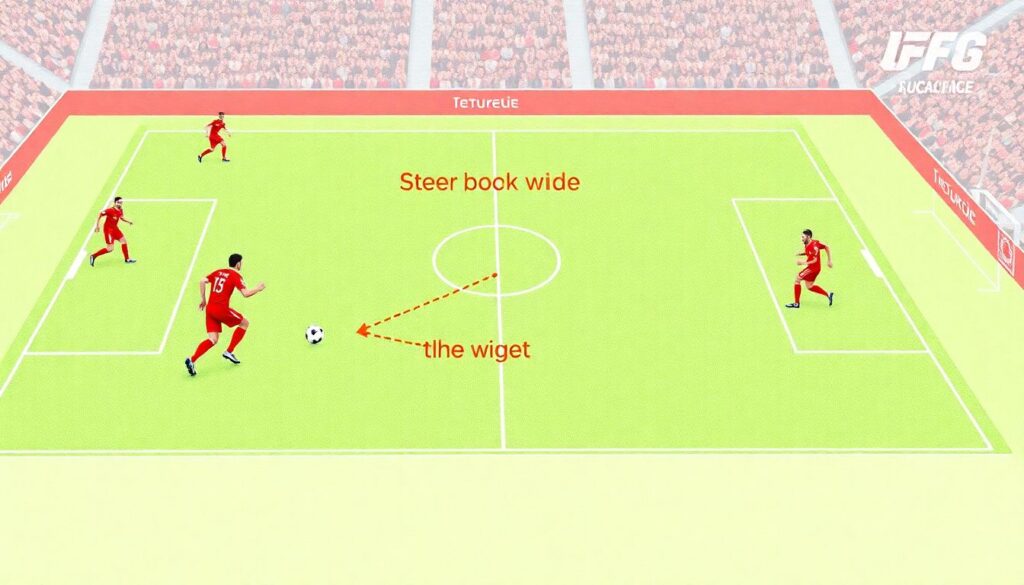
Defensively, Turkey’s blueprint mixes a compact 4‑1‑4‑1 / 4‑2‑3‑1 mid‑block with situational high pressing. The goal is to protect the central corridor, steer play wide, then spring forward once possession is won. If you expect a passive low block for ninety minutes, then your game plan will be naïve.
- Base Shape and Line Height
Usually a back four with a screening pivot in front. The line height adapts to opponent:- If the opponent is technically weaker, then Turkey often defends higher, compressing the pitch and backing an aggressive press.
- If the opponent is elite in build‑up, then Turkey tends to shift into a mid‑block, prioritising compactness over pressure on the keeper.
- Pressing Triggers
Pressing is not constant; it’s situational:- If the ball is played to an isolated full‑back, then the near winger and full‑back jump together, with the #8 covering inside.
- If a centre‑back receives on the weaker foot, then the striker curves the run to cut off the pivot, forcing a long or risky pass.
- Central Protection
The holding midfielder is key. He screens passes into the #10 space and supports the centre‑backs on cut‑backs. If that pivot is dragged wide or out of position, then Turkey can be exposed to diagonal runs between full‑back and centre‑back. - Wide Defence and Full‑Back Behaviour
Full‑backs step out aggressively, trusting the near centre‑back to cover. If the far side full‑back pushes up too early in a press, then counters into the far channel can be dangerous. - Set‑Piece Defending
Marking is usually a hybrid of zonal and man‑oriented. If Turkey concedes territory and too many corners, then this area becomes a major stress point, especially late in games when focus can drop. - Main Vulnerabilities
The same aggression that produces ball recoveries can create issues:- If the press is broken, then the back line can be left exposed to 3v3 or 4v4 transitions.
- If the double pivot loses its compactness, then elite #10s can receive between the lines and dictate play.
Transition Mechanics: Counters, Midfield Recovery and Verticality
Transitions are the bridge between any defensive or attacking label. Turkey’s identity becomes clearest precisely in these moments. The team seeks to turn regains into fast, vertical attacks instead of slow circulation. If you treat every regain as a chance to reset, then you are not coaching a truly modern Turkish style.
- Counter‑pressing after Loss
After losing the ball, the nearest 3-4 players often swarm the zone:- If the ball is lost centrally, then the idea is to win it back within a few seconds and hit an immediate through ball or diagonal to the weak side.
- If the ball is lost wide high up, then the winger and full‑back lead the chase while the pivot blocks the inside lane.
- Fast Counters from Mid‑Block
When sitting deeper, Turkey’s first pass after a regain is rarely backwards:- If the #6 or #8 intercepts, then the next action is usually to find the forward between the lines or a winger running in behind, not a sideway pass.
- If the striker drops to link play, then wide runners immediately attack the half‑spaces to receive the third‑man pass.
- Exploiting Opponent Wing Backs
Against back‑three systems, Turkey often targets spaces behind wing‑backs:- If the opponent’s wing‑back pushes high, then Turkey’s winger stays narrow, ready to run into the vacant corridor on regain.
- If the opponent’s wide centre‑back steps out to press, then Turkey looks for diagonal balls into the channel he leaves.
- Game‑State‑Driven Risk
The aggressiveness of transitions changes with the score:- If Turkey is leading late, then counters may slow slightly into controlled possessions near the corner and safer passing.
- If Turkey is chasing the game, then counters become more direct, with earlier shots and more bodies flooding the box.
- Psychological Surges
Emotional momentum matters. After big tackles, crowd roars, or near‑misses, Turkey often increases transition speed. If you are an opponent analyst, then you must plan for 5-10 minute surges where Turkey’s pressing and countering intensity spikes.
Attacking Patterns: Build-up, Wing Play and Set-Piece Design
Attacking play for Turkey is built on structured wide overloads, diagonal runs and set‑piece routines more than on long, patient possession. The team can keep the ball, but its most dangerous phases come from quick switches of play and smart use of the half‑spaces.
Advantages of the Current Attacking Approach
- If the opponent defends narrow, then Turkey can stretch them with aggressive full‑backs and wingers hugging the line, opening half‑spaces for under‑lapping runs.
- If central build‑up is blocked, then the centre‑backs will often use clipped diagonals to the winger, creating immediate 1v1s or 2v2s on the flank.
- If the #10 drops alongside the pivot in build‑up, then Turkey gains an extra passing line to beat the first press and reach wide players faster.
- If Turkey wins a corner or wide free‑kick, then rehearsed routines – near‑post flicks, late runs from the edge – allow them to threaten even when open play is blocked.
- If you watch a live stream turkey national football team matches focusing on the ball only, then you will miss the key off‑ball actions: blind‑side runs and rotations between winger, #10 and full‑back.
Limitations and Trade-offs in Possession
- If the opponent presses with high intensity and good compactness, then Turkey can struggle to progress through the thirds purely with short passes.
- If the wide players are forced backwards repeatedly, then crosses may come from deeper, less dangerous zones rather than from the by‑line.
- If the #6 is tightly marked or physically overmatched, then links between defence and attack may rely too heavily on long balls.
- If Turkey chases early goals and overloads the wings too aggressively, then central protection may weaken, leading to counter‑attacks through midfield.
- If set‑pieces do not produce chances in a given match, then Turkey can look short of variety, especially against low blocks that refuse to open spaces.
People and Philosophy: Coaches, Key Players and National Traits
The personalities of coaches and leading players shape how far Turkey leans defensive or attacking within the same underlying identity. Yet many public narratives remain simplistic or outdated.
- Myth: Turkey is only emotional, not tactical.
If you reduce Turkey to passion and crowd influence, then you underestimate the detailed work on pressing triggers, rest‑defence and set‑pieces that modern staff implement. - Myth: One star playmaker defines everything.
If you expect a single #10 to run the show, then you will misread how responsibility is shared: centre‑backs start build‑up, pivots manage tempo, wingers provide final-third creativity. - Myth: Coaching changes reset the style completely.
If you think each new coach is a total reboot, then you ignore continuity: a similar core of players, familiar 4‑3‑3 / 4‑2‑3‑1 structures, and recurring habits in pressing and transitions. - Myth: Domestic league culture makes the team reckless.
If you assume the national team mirrors only the highest‑scoring domestic sides, then you miss the growing influence of European club experience on Turkish internationals. - Myth: Tactical growth is visible only in big tournaments.
If you judge purely on Euros or World Cups, then you miss vital evidence in qualifiers and Nations League games, where many of the tactical experiments happen.
For local fans choosing a turkey national team jersey 2024, it is worth seeing that the shirt now represents a team evolving tactically, not just emotionally. Likewise, when people buy turkey national football team tickets or premium turkey euro 2024 match hospitality packages, they are increasingly paying to watch a structured, modern side capable of adjusting its approach mid‑game.
If you are a coach or analyst, then build your scouting reports around which coach is in charge, which pivot pair is selected and which wide combinations start. Those choices shift Turkey one step more defensive or one step more attacking, while preserving the same core identity.
Quantifying Identity: Metrics, Trends and Match-by-Match Evidence
Match numbers and video from roughly 2018-2025 show one clear theme: Turkey varies possession share and block height depending on opponent quality, while keeping a consistent emphasis on transitions and wing play. To understand whether Turkey is acting more defensive or attacking, you must look at patterns across several games, not one isolated result.
As a simplified analytical routine, you can think in terms of “if…, then…” checks for each match:
// Pseudo-framework for analysing Turkey game identity
if (possession_share >= 50% && high_regains_count is high) then
    label_phase = "attacking-tilted with active press"
else if (possession_share < 50% && shots_from_counters is high) then
    label_phase = "defensive-tilted, transition-focused"
else
    label_phase = "balanced, mixed control"

// Then cross-check
if (attacks_via_wings > attacks_through_centre) then
    note "wing-dominant patterns preserved"
To apply this in practice, imagine rewatching Turkey’s Euro 2024 group matches one by one. In games where Turkey had more of the ball and pressed high, you would tick the “attacking‑tilted” line in the pseudo‑code. In matches where Turkey accepted less possession but created their best chances through fast counters, you would tick the “defensive‑tilted, transition‑focused” line.
If you are subscribing to a turkey football tactics analysis subscription, then look for this type of match‑by‑match framework rather than simple labels. If you stream replays or a live stream turkey national football team matches, then pause every 10-15 minutes to ask: “Where is the defensive line? Who initiates transitions? From which zones do we attack?” Over several games, you will see the same identity expressed in slightly different, opponent‑specific ways.
Common Misconceptions Addressed with Short Answers
Is the modern Turkish national team primarily defensive or attacking?
It is best described as a balanced, transition‑oriented side. Turkey can look defensive against stronger opponents and attacking against weaker ones, but the core idea is controlled aggression and strong wing usage rather than a fixed extreme style.
Why does Turkey sometimes press high and sometimes sit deeper?
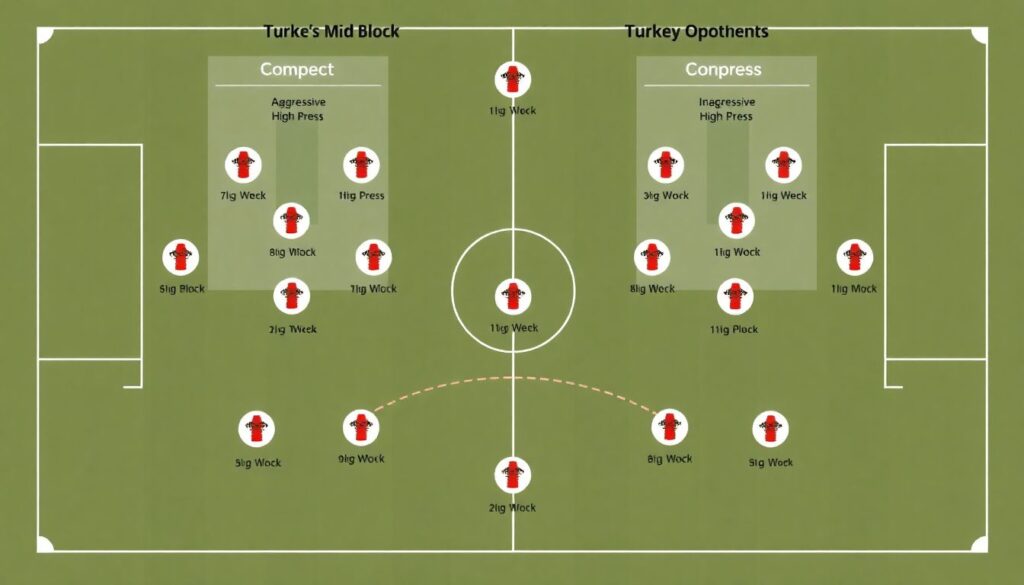
The block height is a strategic choice. Against elite build‑up teams, Turkey prefers a compact mid‑block; against technically weaker opponents, they press higher to force mistakes and create short‑field attacks.
How important are wide players to Turkey’s identity?
Very important. Many attacks flow through wingers and overlapping full‑backs, with diagonal runs into the box. Wide overloads are a key reason Turkey can threaten even without dominating central possession.
Does one or two bad tournaments mean the tactical project has failed?
No. Tournament samples are small and affected by injuries, form and luck. The underlying tactical identity should be judged across cycles of qualifiers, Nations League games and friendlies.
What should analysts focus on when scouting Turkey?
Prioritise block height, the role of the pivot(s), and how wingers combine with full‑backs. These elements reveal whether Turkey will behave more defensively or attacking in a given match while keeping the same core principles.
How can fans connect what they see on the pitch with things like tickets and jerseys?
If you buy turkey national football team tickets or a turkey national team jersey 2024, then expect a team that mixes emotional intensity with growing tactical structure. The match‑day experience, including some turkey euro 2024 match hospitality packages, is increasingly built around that modern identity.
Комментарии