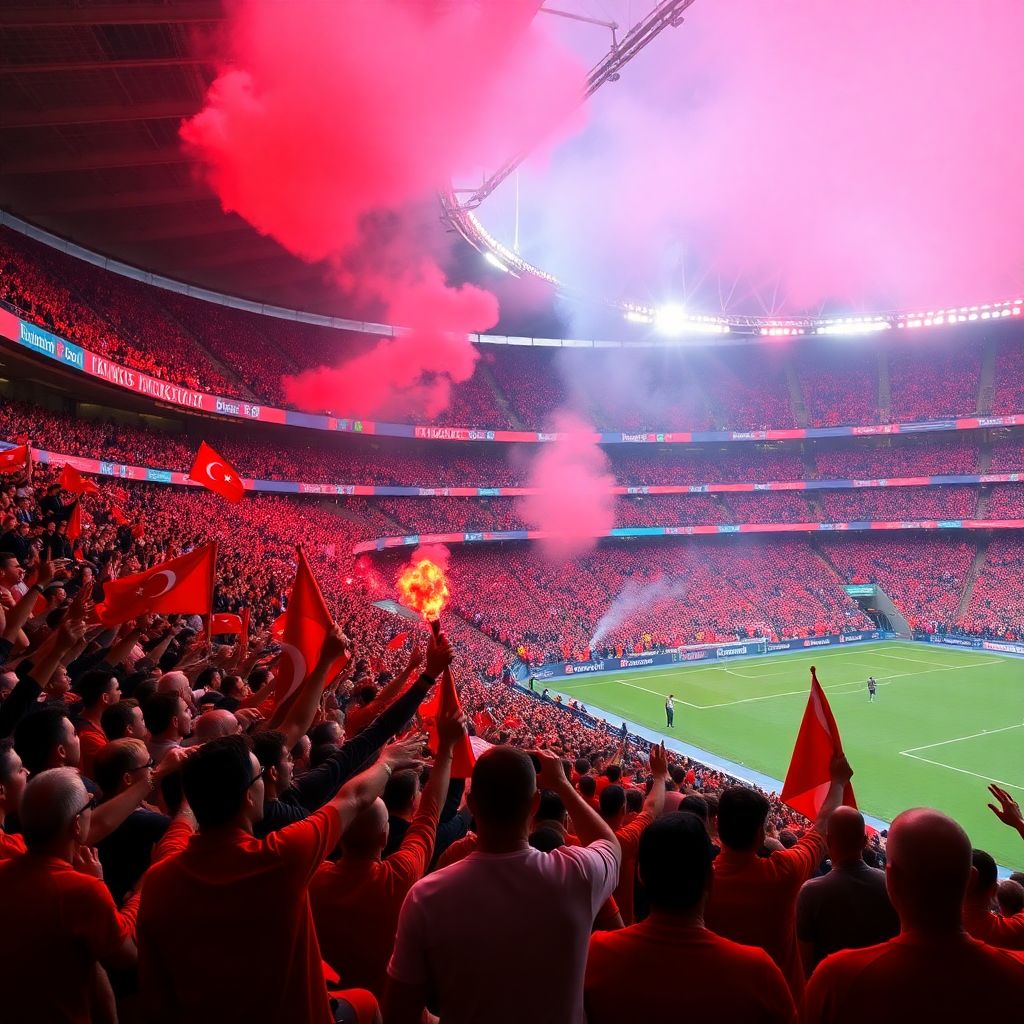
Turkish ultras culture is more emotionally intense, politically tinged and improvisational than most European fan traditions, which are generally more regulated and commercially integrated. For matchday atmosphere and raw passion, Turkey stands out; for safer, predictable and tourist-friendly experiences, central and western European leagues usually fit better, especially if you are planning structured groundhopping trips.
Core Contrasts Between Turkish Ultras and European Fan Cultures
- Turkish ultras emphasise collective emotion, pyrotechnics and confrontational chants; many European groups operate under tighter safety and legal controls.
- Club-supporter relations in Turkey are more personal but also more volatile than in most western European leagues.
- Political and social identity is more visible on Turkish terraces than in many European stadiums.
- Stadium infrastructure in top European leagues is generally more modern and comfortable, while Turkish stands prioritise noise and density over amenities.
- For visitors, Turkey offers intense derby atmospheres; Europe offers a wider range from family-friendly stands to ultra ends.
- Travel logistics and policing styles differ strongly, shaping how safe and accessible away days and derbies feel.
Historical Roots and Political Context of Supporter Movements
When comparing football fan culture in turkey vs europe, use clear criteria so you can match countries, cities and clubs to your expectations and risk tolerance.
- Origins of supporter groups: Whether groups emerged from student movements, neighbourhood networks, worker circles or explicitly political organisations. Turkish groups often grew from city districts and universities, while many European ultras trace roots to post-1968 youth and subcultural scenes.
- Role of national politics: How strongly fan identities intersect with national ideology, secular-religious divides, or minority politics. In Turkey, ultras have frequently expressed positions on democracy, civil rights and local governance; in Europe, this varies widely between, for example, German civic activism and apolitical English supporter clubs.
- Local city culture: The weight of Istanbul’s urban rivalries differs from Rome, Milan or London. Consider whether club culture is tied to districts, social class, or ethnic and linguistic communities.
- Era of professionalisation: The pace at which leagues turned into global entertainment products. Earlier commercialisation in England and Germany pushed some traditional fan scenes to adapt, split or professionalise, while parts of the Turkish Super Lig retained more grassroots, informal structures for longer.
- Legal and policing history: Historical experience with hooliganism and state repression shapes current ultras behaviour. Past clashes in both Turkey and Europe led to different legal frameworks, ID systems and away fan restrictions.
- Media narratives: How local media framed ultras: as civic actors, violent fringe, or colourful backdrop. This influences public legitimacy and the space groups have to organise choreographies or protests.
- Club ownership models: Member-owned clubs, municipal backing or private investors each create different leverage for ultras. Turkish member-based structures can both empower and polarise fans; European cases range from German 50+1 to fully corporate clubs.
- International links: Some groups in Turkey and Europe borrow symbols, songs and styles from Italian, Balkan or South American scenes, creating transnational reference points that affect how matchdays feel.
Persona Notes for Historical and Political Context
- Researcher: Focus on how supporter narratives and banners reflect shifting political climates; Turkey is particularly rich for studying protest in stadiums.
- Club practitioner: Map historical flashpoints with ultras before experimenting with new ticketing or security policies.
- Dedicated fan traveller: Read local history of rivalries before buying turkish super lig derby match tickets so you understand symbols, chants and sensitive topics.
Matchday Choreography, Chants and Visual Identity
Matchday style is where differences between Turkish ultras and major European scenes are most visible, especially if you compare Istanbul derbies, German safe-standing blocks and Italian or English ultra ends.
Compact Comparison: Turkey vs Three European Countries
| Aspect | Turkey | Germany | Italy | England |
|---|---|---|---|---|
| Noise level and emotional intensity | Very high, sustained chanting and whistling, especially in derbies | High in safe-standing, more mixed in seated areas | High in curva, variable elsewhere | Moderate; strong for certain clubs and fixtures |
| Use of pyrotechnics | Common in big games despite restrictions | Present but more strictly controlled | Embedded in ultra tradition, often negotiated | Heavily restricted and rare inside stadiums |
| Choreography scale | Large tifos, crowd-driven, often last-minute organised | Well-planned displays, strong coordination | Iconic, tradition-rich banners and flags | More banners and scarves, fewer full-stand tifos |
| Tourist friendliness | Intense, limited English signage in ultra ends | Generally accessible, clear systems | Can be closed to outsiders in curva sectors | Very tourist-friendly in most stadium areas |
Choosing a Matchday Style: Variants Compared
| Variant | Best for | Pros | Cons | When to choose |
|---|---|---|---|---|
| Turkish ultra curva experience | Travellers seeking maximum noise, colour and emotional release | Intense chanting, large tifos, strong sense of belonging, unique derby tension | Higher perceived risk, heavy policing, limited comfort; language barrier for visitors | If you want to feel core Turkish ultras culture and can handle crowded, loud conditions |
| German safe-standing fan block | Fans wanting passionate but regulated atmospheres | Great coordinated chants, standing terraces, strong supporter organisations | Tickets can be hard to obtain; strict rules on pyros and behaviour | If you value balance between security, choreography and inclusive fan culture |
| Italian ultra curva experience | Supporters interested in classic European ultra traditions | Iconic visual identity, long-standing groups, strong local identity | Access to curva may be restricted to locals; political tensions in some stands | If you prioritise heritage and symbolic choreography over comfort |
| English all-seater singing section | Visitors wanting safe, controlled environments with club legends and history | Good visibility, family-friendly, extensive services, clear safety protocols | Less continuous chanting; ultras-style displays rare; higher ticket prices | If you prefer comfort, easy logistics and lower perceived risk |
| Mixed tourist-and-local stand in big city clubs | First-time travellers and families | Access to atmosphere without full ultra intensity, better support services | Chants and visual displays less coordinated than in core ultra sectors | If you want a safe introduction before trying hardcore ultras sections |
Matchday Takeaways by Persona
- Researcher: Use contrasts between Turkish tifos and German or Italian choreography to study how regulation shapes creative expression.
- Club practitioner: Observe how Turkish groups co-create atmosphere with clubs despite tension; adapt safe versions of these practices for your own stadium.
- Dedicated fan: Combine turkey football ultras tickets and tours with one or two German or Italian ultra ends to feel different matchday logics in a single trip.
Organizational Structures, Financing and Leadership
Different organisational models in Turkey and Europe suit different risk profiles and strategic interests. Think through scenarios instead of searching for one universally “better” structure.
- If you are a traveller comparing football ultras travel packages turkey and europe, then prioritise clubs where supporter groups are formally registered associations; they tend to communicate clearer rules for visitors and handle away allocations with more transparency.
- If you are a club official in Turkey facing fragmented ultra groups, then invest time in a structured liaison committee with rotating representatives, rather than empowering a single leader who may not speak for the wider terrace.
- If you manage a European club in a league with strong member culture, then treat Turkish models as a warning about over-personalised leadership; distribute influence between fan projects, ultras, family stands and disabled supporters.
- If your priority is financial stability for tifos and away travel, then encourage mixed funding: member dues and merchandising on the fan side, small but predictable club subsidies tied to transparent budgets and safety agreements.
- If you research governance of supporter movements, then compare how informal Turkish capo-based leadership copes with repression versus more committee-based German and English supporter trusts.
- If you are a dedicated away fan planning trips, then prefer clubs whose ultras publish clear travel info, meeting points and codes of conduct; these are common in Germany and increasingly present in bigger Turkish groups.
Rituals, Rivalries and Community Role
Choosing where to experience ultras culture is essentially choosing which rituals, rivalries and community roles you want to see up close.
- Clarify your tolerance for rivalry intensity: decide whether you want neighbourhood-level hostility like in some Istanbul or Rome derbies, or broader but less personalised rivalries such as many German clashes.
- Identify how central religion, politics or local identity can be in your ideal experience; Turkish scenes often foreground these themes more than some western European leagues.
- Check whether you want pre-match marches, corteos and pyros; Turkey and Italy often provide this, while English fixtures lean more toward pub culture and songs.
- Assess community work: if you want to study or support social projects, look for groups running food drives, charity events or anti-discrimination campaigns and contact them before travelling.
- Map the derby calendar and international breaks so you can align your visit with high-stakes matches without piling into the most risky fixtures.
- Balance big-name rivalries with local derbies: a Turkish Super Lig city derby feels very different from a mid-table German or Italian clash, even if both are “derbies” on paper.
- Plan travel chains that connect different ritual styles: for example, start in Istanbul, then visit some of the best european cities for ultras football experience such as Dortmund or Naples to compare atmospheres within one tour.
Relations with Clubs, Media and State Institutions
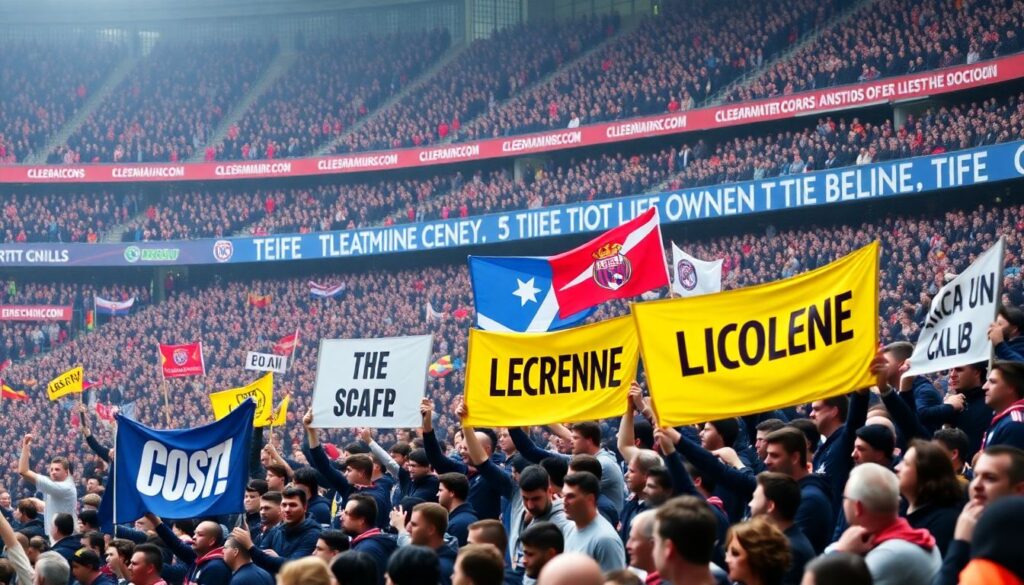
Misreading stakeholder relations is one of the main reasons visitors, researchers and even clubs themselves misjudge risk or cooperation potential.
- Assuming all ultras are anti-club by default: In both Turkey and Europe, some groups are deeply loyal yet highly critical; they may protest owners while fiercely supporting players.
- Ignoring local media framing: Sensationalist coverage of Turkish ultras or certain European fan scenes can exaggerate risks; always cross-check with supporter liaison officers or independent fan groups.
- Underestimating political sensitivities: Displaying party colours, national symbols or controversial slogans without context can cause serious misunderstandings on Turkish terraces and in parts of Europe.
- Over-trusting official club tourism offers: Club-organised tours rarely show real ultras culture; supplement them with independent research and local contacts before choosing game sectors.
- Neglecting supporter liaison structures: Many European clubs have formal fan liaison officers, while in Turkey communication may rely more on informal networks; choosing not to use these channels is a missed opportunity.
- Expecting policing styles to match home country norms: Crowd control in Turkey can be more forceful and visible than in some European leagues; assuming identical approaches leads to bad planning.
- Over-generalising from one city: Istanbul is not all of Turkey, and London or Munich are not all of Europe. Provincial clubs can have very different relationships with authorities.
- Forgetting ticketing politics: Rival clubs may block or limit away support. When you buy turkey football ultras tickets and tours or local packages in Europe, confirm what sector and which fan base you will actually join.
Safety Practices, Policing and Stadium Infrastructure
For raw, emotionally overwhelming atmospheres, Turkish ultra curves and big derbies are often the best choice; for balanced passion and structured safety, leading German and some Italian or Spanish clubs stand out; for comfort-first trips with family or casual friends, English and many central European stadiums offer the most predictable experience.
Concise Clarifications for Comparative Readers
Is Turkish ultras culture more dangerous than European fan traditions?
It is often more intense and heavily policed, especially at derbies, but risk varies by city, fixture and sector. In both Turkey and Europe, choosing official away allocations and central stands usually keeps risk moderate for visitors.
Where should a first-time visitor sit to experience ultras safely?
Avoid the core ultra end on your very first visit. Choose a nearby side stand or mixed section that overlooks the curva or fan block so you see the choreography and hear chants without being inside the most compressed area.
How do ticket logistics differ between Turkey and Europe?
Turkey relies on nationwide electronic card systems and ID-linked sales, which can be confusing for foreigners. Western European leagues use club accounts and memberships more; some derbies anywhere may be restricted to locals or members only.
Can I combine Turkey and Europe in a single ultras-focused trip?
Yes, many fans design football ultras travel packages turkey and europe themselves, chaining Istanbul with one or two central European cities. Align domestic calendars and European competition fixtures, and leave buffer days for travel and potential match rescheduling.
Are political banners common in all European ultra scenes?
No. They are more common in some Italian, Spanish, German and Turkish groups than in most English stands. Always avoid inserting yourself into local political displays unless you fully understand their meaning and implications.
Which regions are best for family-friendly yet passionate games?
All-seater English and many German stadiums balance atmosphere and safety well. In Turkey, family stands and upper tiers at major clubs provide passion with more distance from intense ultra curves.
How should researchers approach fieldwork with ultras?
Build trust slowly through repeated visits, respecting anonymity and internal dynamics. Combining Istanbul or Ankara groups with German, Italian or English case studies offers rich contrasts in governance, repression and media representation.
Комментарии