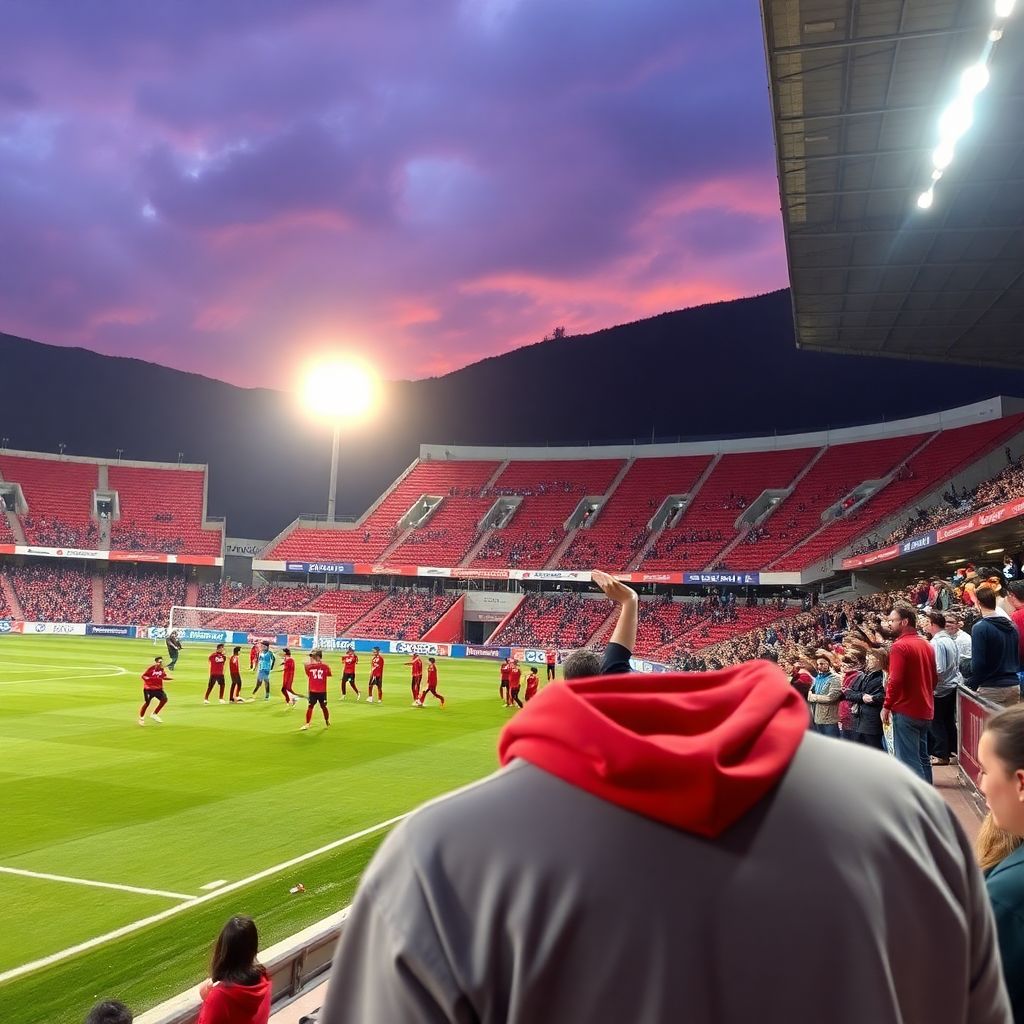
Anatolian football clubs in Turkey act as the real engine of Turkey football talent development by discovering, training and exporting players from outside Istanbul’s big three. Their local scouting, community-based financing and focused Turkish football academies create sustainable talent pipelines that feed the Süper Lig and European leagues while keeping football rooted in provincial cities.
Core Arguments: Why Anatolian Clubs Drive Turkish Football Progress
- Anatolian football clubs Turkey widen the scouting map beyond major cities, giving late developers and lower-income players a realistic entry into professional pathways.
- Provincial clubs build cost-effective Turkish football academies that prioritise development over short-term results.
- Local identity and fan ownership structures align financial discipline with long-term youth investment.
- Partnerships with bigger clubs turn regional teams into stepping stones toward the Süper Lig and Europe.
- Regular professional football trials in Turkey, run by Anatolian sides, convert grassroots enthusiasm into structured opportunities.
- Consistent player sales from Anatolia stabilise club finances and recycle money into facilities, coaching and scouting.
How Anatolian Clubs Create Local Talent Pipelines
Anatolian clubs are professional or semi-professional teams located outside Istanbul, Ankara and Izmir that compete across Turkey’s league pyramid. Their “local talent pipeline” is a structured process that turns school and amateur players into professionals through scouting, academy training, and gradual exposure to senior football.
Unlike some of the best Turkish football clubs for youth development in big cities, Anatolian sides rely heavily on local schools, municipal pitches and neighbourhood tournaments. Coaches know families personally, so commitment, behaviour and school performance are visible alongside football skills. This creates a more holistic evaluation of potential.
In practice, a typical pipeline looks like this: local coaches identify talent in school leagues; players are invited to club-run Turkish football academies; the best move into U17-U19 squads; then a small group receives chances in the first team or is loaned to nearby lower-division sides. Throughout, proximity to home keeps costs low and reduces drop-out rates.
For practitioners, the key takeaway is structure: clearly defined stages, transparent selection criteria and regular re-assessment. Even a small provincial club can formalise this ladder using local networks, simple data tracking (appearances, training attendance, position history) and regular feedback to families.
Financial and Organizational Models Sustaining Provincial Teams
Anatolian clubs stay alive and competitive through lean, locally anchored financial and organisational setups. Instead of constant big-name transfers, they focus on developing and selling players, shared use of facilities, and community-based sponsorships. Several recurring models support this approach.
- Development-first budgeting: Budgets allocate a clear, protected share to youth and scouting (coaches, transport, equipment), even when first-team resources are tight.
- Local sponsorship clusters: Rather than one large sponsor, clubs build a cluster of small-to-medium local companies, reducing dependence on any single partner.
- Municipal and university partnerships: Shared access to stadiums, training grounds and sports science services lowers infrastructure costs.
- Lean staffing structures: Staff wear multiple hats (academy + analysis, scouting + team management), keeping payroll aligned with realistic income.
- Player trading as a revenue pillar: Youth graduates are sold with sell-on clauses, making each successful transfer an investment in the next generation.
- Transparent governance and local boards: Decision-makers are embedded in the community, which encourages responsible spending and long-term thinking.
Applied correctly, these models make Anatolian clubs robust during poor seasons or relegation. Financial predictability allows them to continue investing in youth rather than cutting academy budgets at the first sign of trouble. For administrators, the action point is to formalise youth spending as a non-negotiable strategic line, not a “nice-to-have”.
Coaching, Youth Academies and Facility Strategies in Anatolia
On the pitch, Anatolian clubs translate their philosophy into concrete academy and coaching practices. Even with modest resources, they prioritise game understanding, physical robustness and position-specific skills, making their players attractive to larger clubs.
Regional satellite academies linked to the main club
Many Anatolian football clubs Turkey operate satellite centres in neighbouring towns. Weekly sessions follow a shared curriculum, with periodic talent days at the main facility. This widens the catchment area without expensive scouting trips.
Integrated coaching pathways from U13 to first team
Coaches share a unified playing model and terminology, so a player moving from U15 to U17 does not have to relearn basic principles. Senior staff attend academy games and invite promising players to train occasionally with the first team.
Targeted facility upgrades instead of full complexes
Instead of building full-scale modern campuses, clubs upgrade what matters most: quality natural or artificial pitches, basic gym equipment, video recording for matches and a small analysis room. This delivers most of the performance benefit without elite-complex costs.
Blending school schedules and training loads
Because many prospects live locally, training times are adjusted around schooling. Morning or late-evening sessions plus weekend double sessions prevent burnout and keep families supportive.
Technical focus areas demanded by larger clubs
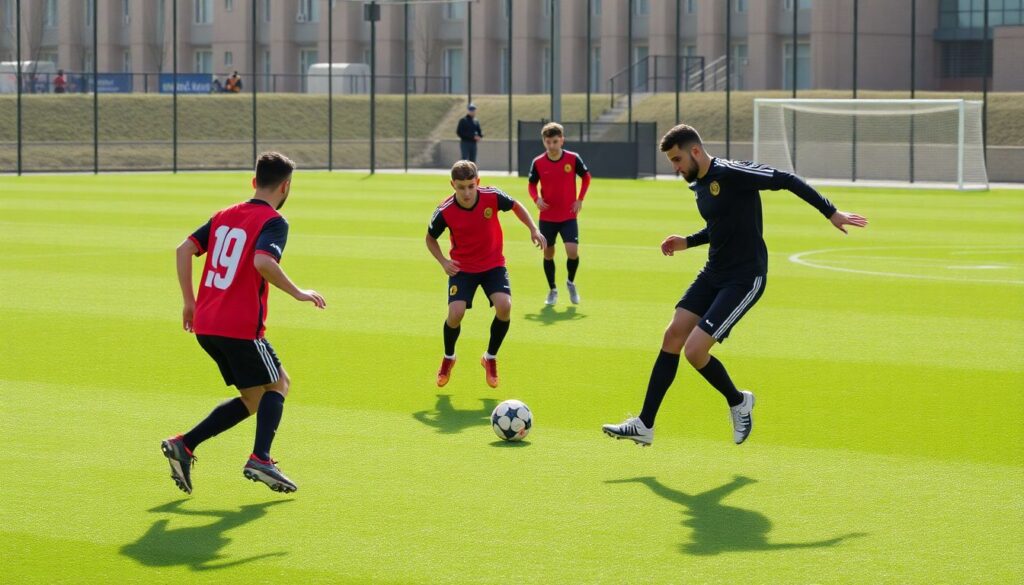
Academy programmes often emphasise roles that are historically scarce, such as modern full-backs, ball-playing centre-backs or box-to-box midfielders. By specialising, Anatolian academies increase transfer value and make their graduates easier to place in bigger teams.
For coaches and academy directors, the practical step is to map a clear “club game model” and align every age group to it, then invest selectively in the two or three facility improvements that most directly support that model.
Community Engagement, Identity and Talent Retention
Community connection is a competitive advantage for Anatolian clubs. Strong identity keeps fans, local businesses and families engaged even when results fluctuate, which in turn helps retain young talent who might otherwise leave for big-city sides too early.
Benefits of strong community anchoring
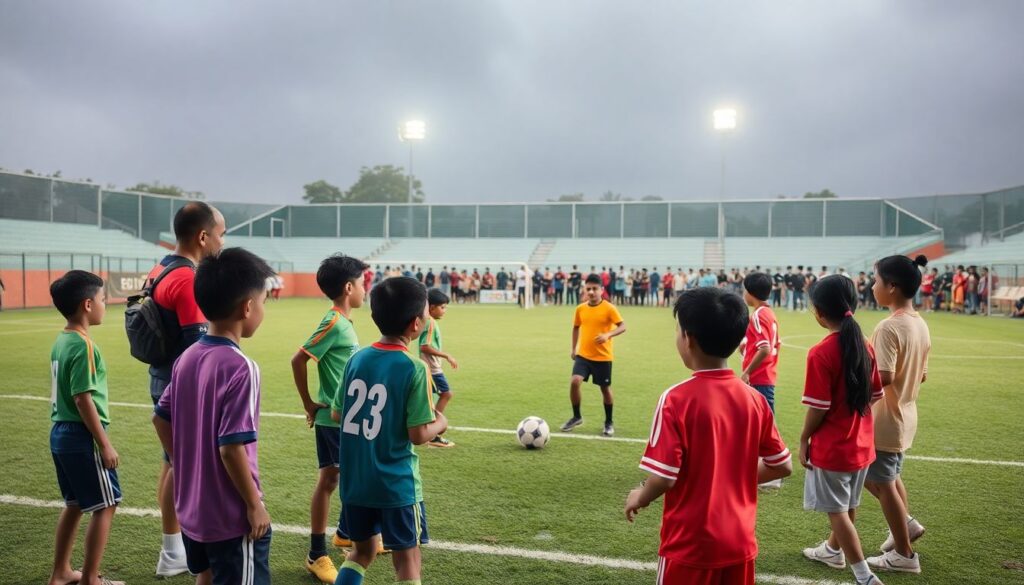
- Families trust the club with their children because leaders and coaches are visible in schools and local events.
- Local pride makes youngsters more willing to stay an extra year or two before jumping to a giant club, allowing fuller development.
- Fan culture supports patience with young squads, giving coaches room to play academy graduates.
- Businesses see sponsorship as both marketing and civic duty, stabilising income.
- Local government is more inclined to help with facilities and logistics for a club that visibly serves youth.
Limitations and typical pain points
- Strong emotional ties can pressure the club to overuse favourite local players instead of the most promising ones.
- Dependence on regional sponsors exposes the club to local economic downturns.
- Ambitious talents may still leave early if the club cannot offer clear progression to higher leagues.
- Volunteer-heavy structures can struggle with professional standards in sports science, nutrition and analysis.
- Local politics may interfere with long-term planning if leadership changes frequently.
Practitioners should channel community energy into structured programmes: school visits, open training sessions, fan forums and youth tournaments co-branded with the club. This turns emotional support into predictable participation and sponsorship.
Scouting, Partnerships and Pathways to the Süper Lig and Europe
Scouting and external partnerships turn local talent into tangible careers. Anatolian clubs act as stepping stones, using smart talent ID and collaboration with larger sides to move players up the ladder of Turkey football talent development.
Frequent misconceptions and mistakes
- Myth: Only big-city trials matter. Reality: Many successful professionals started at low-profile professional football trials in Turkey organised by provincial clubs, then moved upward step by step.
- Mistake: Over-relying on highlight videos. Clubs that recruit mainly via social media clips often miss context like off-ball work, decision-making and physical resilience. Live or full-match scouting remains essential.
- Myth: Partnerships always favour the big club. When structured with clear loan rules, coaching exchanges and shared scouting, deals with larger teams can secure both talent and income for provincial clubs.
- Mistake: Ignoring non-traditional sources. Futsal, university leagues and workplace tournaments can reveal technically strong late bloomers; many Anatolian clubs profit by scouting these spaces deliberately.
- Myth: European pathways are unreachable. Consistent performance in domestic leagues and youth national teams, combined with good agent and club relations, can move Anatolian-developed players to mid-tier European leagues.
- Mistake: No clear exit roadmap for players. If a club cannot explain how a 17-year-old might realistically reach the Süper Lig, that player is more likely to leave early. Roadmaps and case studies help retention.
To avoid these traps, clubs should formalise scouting zones, minimum live-view standards and clear partnership templates that explain who benefits, how and when.
Evaluating Impact: Metrics, Success Stories and Transfer Outcomes
Measuring the real contribution of Anatolian clubs requires looking beyond league tables. Effectiveness is visible in the number of academy graduates in first teams, the quality of transfers and the sustainability of budgets.
Consider a simplified example: a mid-table Anatolian side builds structured youth teams from U13 to U19 and runs local outreach with schools. Within a few years, several academy products become regular starters. The club sells one player to a bigger Süper Lig team, adds a sell-on clause, and uses that income to upgrade training pitches and hire a full-time fitness coach.
Over time, more graduates earn minutes, and the club becomes known among scouts as one of the best Turkish football clubs for youth development in its region. Even if the team’s league position fluctuates, its reputation for producing players ensures continued interest from domestic and foreign clubs, reinforcing the development-and-sale cycle.
Practically, directors should track simple development metrics: portion of squad minutes played by club-trained players, number of trials requested by bigger teams, and the stability of academy staffing. Clear tracking makes it easier to argue for continued or increased investment in youth.
Practitioner Questions About Implementing Anatolian Club Practices
How can a small club start building a local talent pipeline with limited resources?
Begin with structured relationships with nearby schools and amateur teams, scheduling regular open sessions and talent days. Use simple criteria for selection, focus on one or two age groups first, and grow slowly as coaching capacity improves.
What makes Anatolian-style Turkish football academies different from big-city academies?
They are typically more embedded in the community, with shorter travel times, closer family engagement and more flexible schedules around schooling. They rely less on expensive facilities and more on consistent coaching and local scouting networks.
How should provincial clubs approach professional football trials in Turkey?
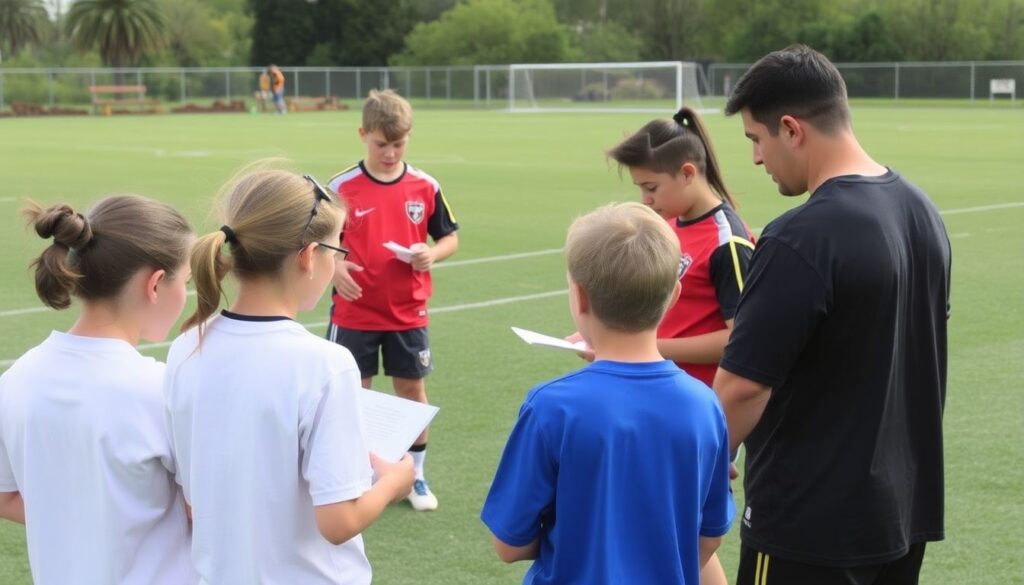
Trials should be carefully planned, with clear age ranges, positional needs and evaluation criteria. Follow-up communication is crucial: even rejected players should receive feedback, as this builds reputation and increases turnout for future events.
What organisational change is most urgent for clubs that want to copy Anatolian models?
Protect a dedicated budget line and decision-making authority for youth development. Without formal priority, academy projects are usually the first to be cut when short-term pressures appear.
How can a club convince families to keep talented players locally for longer?
Show a credible pathway: examples of past graduates, clear progression between age groups and regular exposure to senior training. Transparent communication and educational support programmes also reassure parents.
Which partnerships matter most for Turkey football talent development in provincial areas?
Three stand out: local schools and universities, a nearby higher-division club willing to cooperate on loans and training, and municipal authorities that can help with facilities and transport.
How do Anatolian clubs balance results with youth development in competitive leagues?
They plan squads so that experienced players occupy key spine positions, while selected academy graduates rotate in around them. Clear season targets and communication with fans help maintain patience when young players make inevitable mistakes.