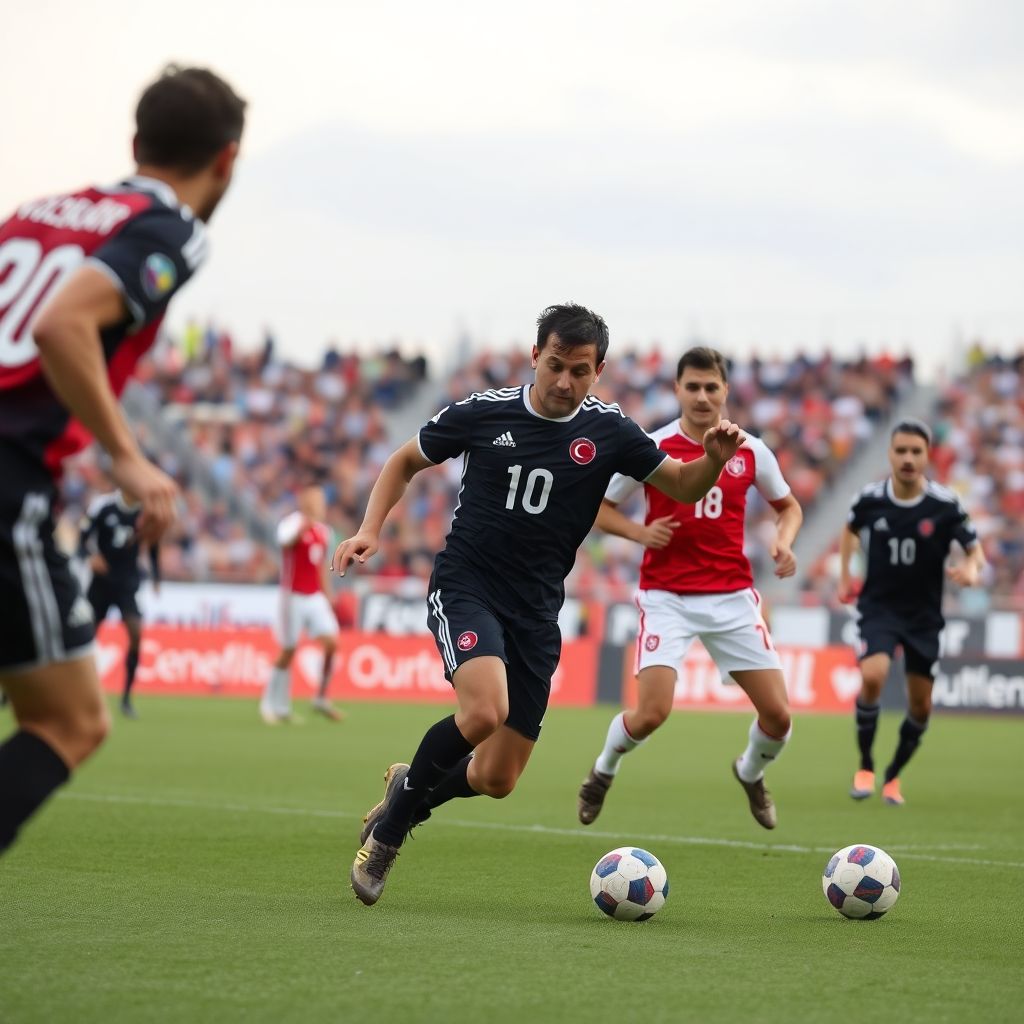
Turkish number 10s evolved from free, slow-paced classic playmakers into tactically disciplined creators who press, run in behind, and share responsibility with wingers and central midfielders. The shirt still signals imagination, but in modern Turkish football it blends creativity with work rate, defensive contribution, and flexible positioning between the lines.
Myths and Realities about Turkey’s Number 10s
- Myth: Turkish number 10s are luxury players who do not defend. Reality: modern Turkish playmakers are judged as much on pressing and counter-pressing as on through balls.
- Myth: Creativity always comes from the classic central pocket. Reality: wide number 10s and inverted forwards now carry much of the creative load in Turkey.
- Myth: The role is disappearing in the Süper Lig. Reality: the position is transforming; creativity is spread across several players instead of one star.
- Myth: Only foreign imports can be true turkey number 10 football legends. Reality: the best Turkish number 10 players in history shaped both domestic success and the national team identity.
- Myth: Old-school 10s were technically better than today’s players. Reality: modern training and tempo demand more complete skill sets, just expressed differently on the pitch.
- Myth: Statistics kill fantasy players. Reality: smart data use highlights hidden creative impact and helps protect gifted talents from unfair criticism.
Origins: Ottoman and Early Republic Playmaking Traditions
In Turkish football culture, the number 10 shirt quickly became shorthand for the main thinker of the team: the player who slows the game down, sees passes others cannot, and acts as the offensive brain. Early on, this did not always require the literal number 10 on the back, but the function already existed.
During late Ottoman and early Republic years, playmakers were often inside forwards or central attackers who dropped into midfield to link play. The game was less structured, so the creator wandered freely between lines, receiving the ball to feet and orchestrating attacks without strict defensive duties.
As tactical systems formalised-WM, 4‑2‑4, then 4‑3‑3-the Turkish playmaker gradually settled into the classic “10 space” between opposition midfield and defence. This is where the foundations were laid for what later became the iconic role discussed in every evolution of number 10 role in turkish football analysis.
Even in that early period, the creator’s role had clear boundaries: he was expected to dictate tempo, run set-pieces, and link midfield to attack. Yet, compared with modern demands, he remained protected from pressing and physical work, a theme that would be challenged in the decades to come.
Golden Era: Classic Number 10s in Turkish Domestic Football
When people discuss top turkish attacking midfielders all time, they usually refer to the domestic golden era of the classic 10. The mechanics of the role in that period can be broken down into several recurring patterns.
- Central pocket occupation: The number 10 stayed mainly in the zone between lines, demanding the ball to feet, rarely making runs in behind. Teammates were coached to “find the 10” as soon as possible in build-up.
- Rhythm control through touches: Possession flowed through the playmaker. Multiple touches were acceptable; slowing the game intentionally to draw fouls, earn set-pieces, and rest the team was considered a skill.
- Set-piece command: Corners, free-kicks, and often penalties were assigned to the 10, reinforcing status and giving him a direct impact on goals and assists.
- Limited defensive responsibility: The rest of the team shifted to cover his lack of defensive output. Midfielders did extra running, while the 10 conserved energy for decisive moments.
- Close partnerships with the striker: The main passing lane was vertical: number 10 into centre-forward. Channel runs and diagonal balls were used, but the central “wall pass + through ball” combination was primary.
- Protection by coaches and media: Domestic narratives often framed the 10 as a genius who should not be overburdened with “dirty work”, reinforcing the luxury image that still affects discussions today.
Tactical Shift: How Global Trends Recast the Turkish Creator
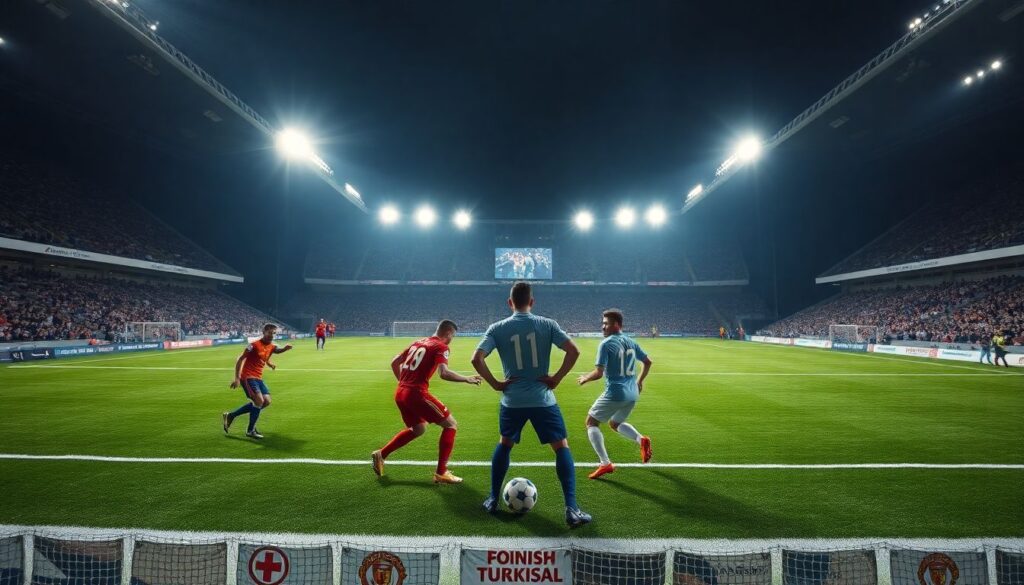
As global football’s tempo and pressing intensity increased, Turkish teams could no longer carry a passive 10, especially in European competitions. Coaches imported modern ideas: compact pressing, zonal defending, and higher defensive lines, forcing the traditional playmaker to adapt or move wide.
In a common modern scenario, a Turkish 10 plays as a left-sided “inverted” attacking midfielder in a 4‑2‑3‑1. Out of possession, he presses full-backs and screens the pivot; in possession, he drifts inside to combine, effectively acting as a half‑10, half‑winger. This is central to any serious modern turkish playmakers number 10 role analysis.
Another scenario is the double 10 or “twin creators” behind a striker. Here, creativity is shared: one drops deeper to help the build-up, the other attacks the box. Turkish coaches often prefer this in matches against low blocks, so the team has two players between lines instead of one surrounded by defenders.
In transition-focused teams, the 10 is selected less for pure artistry and more for vertical speed and pressing. He times counter-attacking runs, attacks space behind midfield, and plays early forward passes. This redefined role means some modern creators are not labelled as turkey number 10 football legends, even though their impact is comparable.
Finally, several teams in Turkey now use a “no fixed 10” model, rotating creative duties between winger, deep playmaker, and striker. The shirt may still be worn, but the function is spread-changing how fans perceive the position without eliminating it.
Profiles: Case Studies of Influential Turkish No.10s
Discussions about the best turkish number 10 players in history often mix nostalgia with tactical misunderstanding. To understand the role’s pros and cons, it helps to group profiles rather than focus only on individual names.
Advantages brought by Turkish-style number 10s
- High-level vision in tight spaces: Ability to receive under pressure, turn, and find difficult passing angles around deep defences.
- Game-tempo manipulation: Knowing when to slow down and draw fouls or when to accelerate with a first-time pass or shot.
- Technical leadership: Young teammates look to the 10 for courage on the ball, which stabilises possession under pressure.
- Set-piece and final-third expertise: Consistent delivery from corners and free-kicks, plus accurate shots from the edge of the box.
- Clutch mentality in big games: Many turkish number 10 football legends built reputations by deciding derbies and European nights with single actions.
Constraints and vulnerabilities of the traditional role
- Pressing weaknesses: Classic 10s can be targeted by high-pressing opponents, forcing turnovers in central areas.
- Out-of-possession gaps: If the 10 does not track back, central midfield is overloaded and defenders are exposed.
- Dependence on team structure: A playmaker without passing options or coordinated movements around him can be neutralised easily.
- Physical mismatch in Europe: In high-intensity European fixtures, slower or less athletic 10s struggle to cope with tempo.
- Media pressure on “fantasy” players: Creative players are quickly blamed when results dip, even if structural issues are the true cause.
Statistical Signs: Metrics That Redefine Creativity

Modern data use in Turkey has changed how clubs scout and evaluate attacking midfielders, often challenging myths around flair and effort.
- Only counting goals and assists: This ignores shot-creating actions, expected assists, progressive passes, and secondary key passes that reveal how often the 10 starts dangerous moves.
- Overrating dribble success: High dribble numbers can mask poor decision-making if they slow attacks or ignore better passing options in the final third.
- Misreading defensive metrics: Tackle and interception counts must be weighed against pressing intensity, counter-press triggers, and team shape; raw numbers alone can underrate hard-working creators.
- Ignoring off-ball runs: Data on receptions in the box and “runs beyond” show which 10s threaten the goal directly instead of staying static in midfield.
- Not separating set-piece impact: Clubs increasingly isolate open-play output versus dead-ball output to understand a player’s true creative value.
- Comparing eras without context: When ranking top turkish attacking midfielders all time, pace of the game, defensive organisation, and data coverage differ so much that raw stat comparisons can mislead.
Future Trajectories: Youth Development and Tactical Innovation
Turkish academies now train creators as multi-role players: comfortable as 8, 10, or wide playmaker. This shift aims to produce adaptable talents who can survive in high-intensity systems while still offering the imagination traditionally linked to the number 10 shirt.
Consider a mini-scenario from an academy match in Istanbul. The U17 “10” starts as an attacking midfielder in a 4‑2‑3‑1. Against a deep, compact opponent, he drops next to the double pivot during build-up, helping progress the ball with simple passes. When the ball reaches the full-back, he sprints into the right half-space, receives on the turn, and finds a diagonal through ball into the striker’s run-combining classic playmaking with modern movement.
In a different scenario versus a pressing opponent, the same player lines up nominally on the left wing. Out of possession, he presses the full-back and traps play towards the touchline. In possession, he moves inside to occupy central zones, effectively becoming the 10 again. These role-switches capture the evolution of number 10 role in turkish football and shape how future turkey number 10 football legends might look: less static artists, more complete, positionally flexible creators.
Common Doubts and Short Answers about Turkish Number 10s
Is the traditional Turkish number 10 role dead?
No, it has evolved. The pure luxury 10 is rare, but the creative responsibilities still exist, now shared with wingers and deeper midfielders. The shirt remains symbolic, but the job description is broader and more physical.
Why do some teams in Turkey play without a clear number 10?
Coaches sometimes remove the classic 10 to strengthen pressing and midfield solidity. Creativity is then distributed among a box-to-box midfielder, wide playmaker, and striker, which can improve balance against strong opponents.
How should youth coaches develop modern Turkish playmakers?
They should train them in multiple positions-8, 10, and wide-while focusing on scanning, first touch under pressure, pressing triggers, and decision-making in transition, not only on long-range passing and dribbling.
Can a physically small player still succeed as a Turkish 10?
Yes, if he compensates with awareness, quick decisions, and smart body positioning. Modern systems protect smaller creators through team pressing and compactness, reducing long isolated duels.
Which statistics are most useful for evaluating a Turkish attacking midfielder?
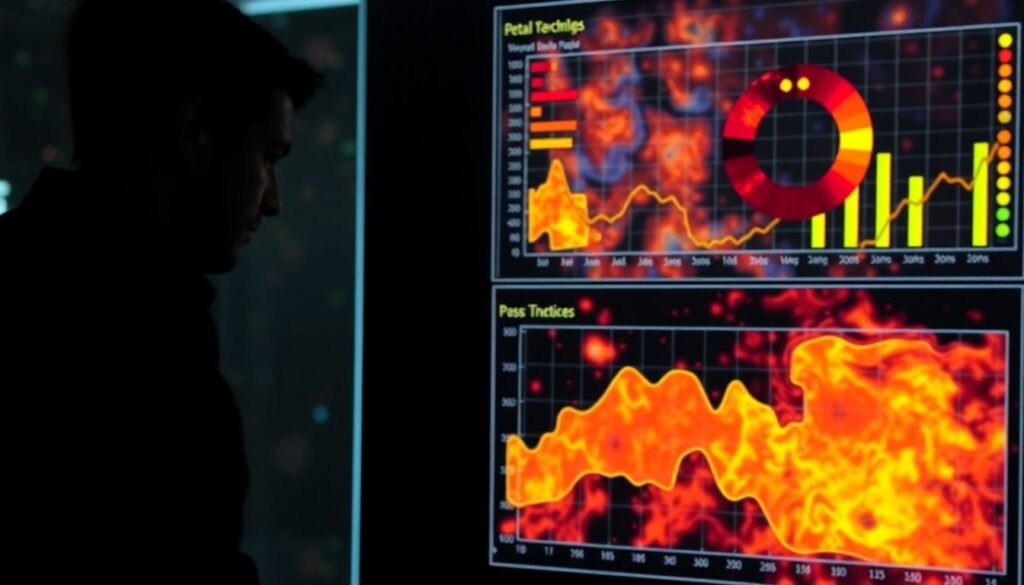
Look beyond goals and assists to progressive passes, chance creation, touches in the box, pressures in the final third, and turnovers under pressure. Together, they reveal both creative influence and work rate.
How do Turkish number 10s differ from similar roles in other leagues?
They often carry heavy emotional and symbolic expectations from fans and media. This can lead to more freedom in domestic games but also intense scrutiny, especially when compared with foreign creators in European competitions.
Are wingers now more important creators than number 10s in Turkey?
In many systems, yes. Inverted wingers and wide playmakers handle more one‑v‑one situations and crossing. However, a smart 10 connecting these wide threats with central runners remains crucial for top-level Turkish sides.