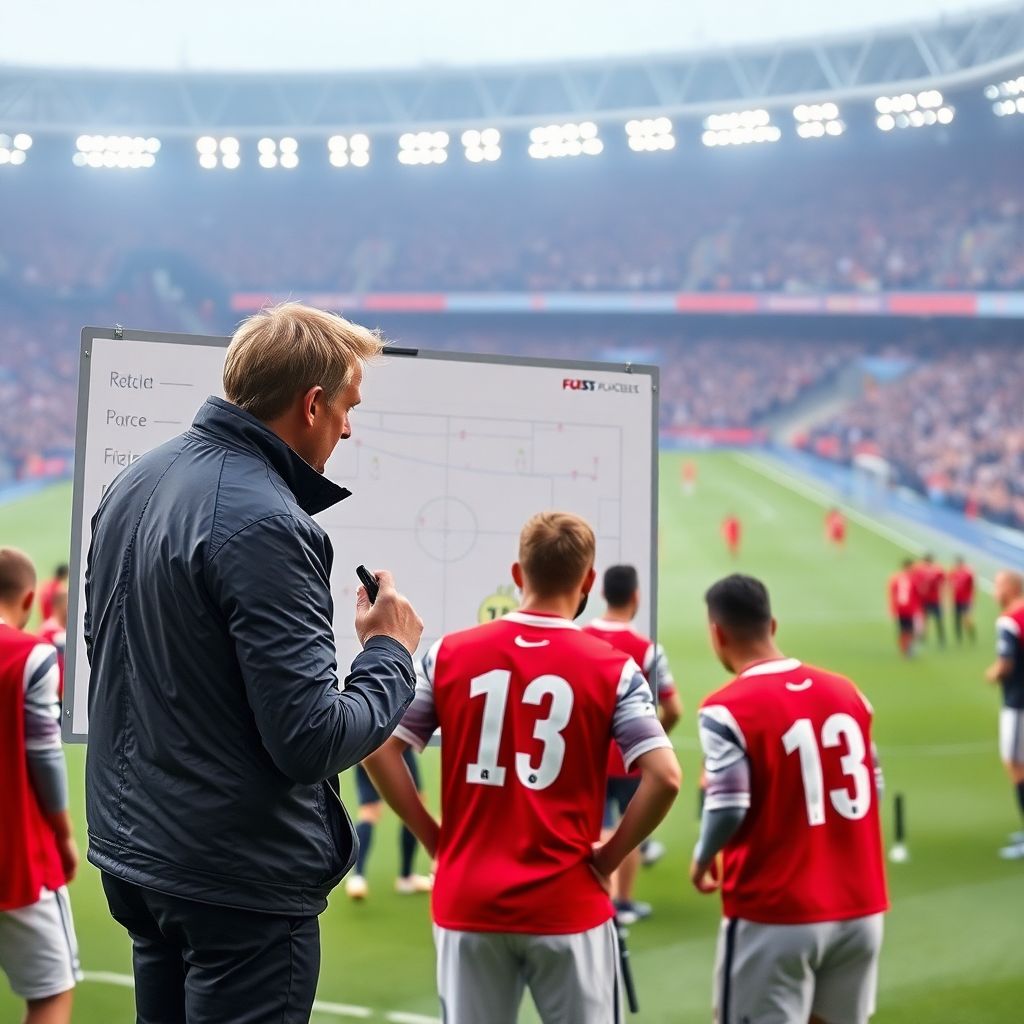
Set-piece strategies decide titles in Turkey and across Europe because they convert low-margin matches into points through repeatable routines in both boxes. For intermediate coaches, the priority is clear: define target zones, assign precise micro-tasks, standardise delivery mechanics, and track outcomes with simple analytics suited to your level and budget.
Essentials of Set-Piece Planning
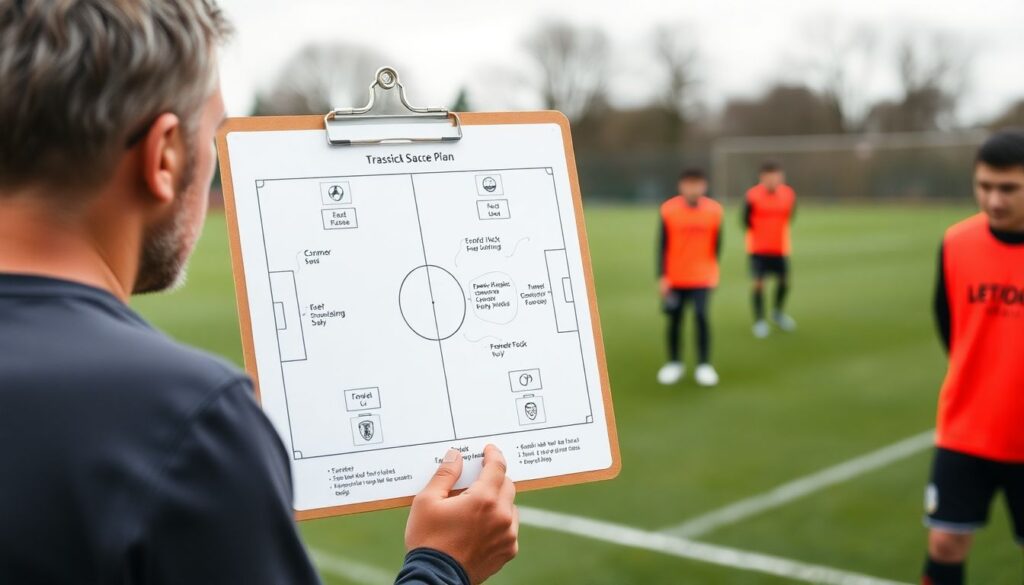
- Link every set-piece plan to match state: you need different options when defending a lead, chasing a goal, or protecting players on yellow cards.
- Design three to five reliable corner and wide free-kick patterns instead of many poorly trained ideas.
- Assign micro-tasks to each player (block, screen, near-post run, second ball) and rehearse them under pressure.
- Use basic data or football analytics software for set pieces to track where your chances and conceded goals actually come from.
- Prepare both attacking and defensive schemes, since conceding from set pieces can cost as many points as failing to score.
- Adapt drills and load to the Turkish calendar, travel, and weather so that repetition never becomes injury risk.
Analyzing Target Zones: Starting Points for Corners and Free Kicks
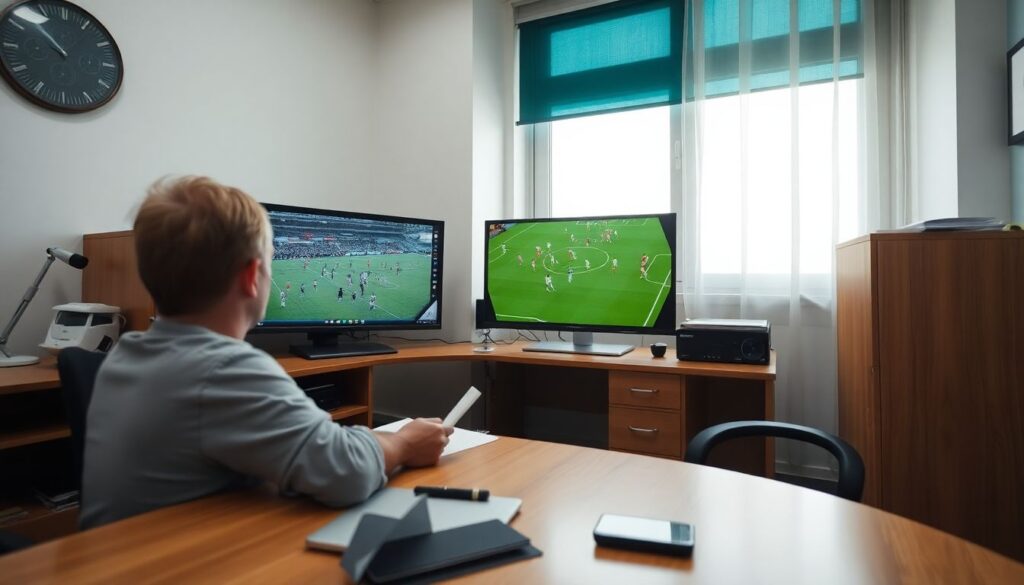
Target zone planning suits semi-professional to professional teams in Turkey who can commit weekly time to video and on-field repetition. It is ideal for clubs that already capture basic match footage, even from a single elevated camera, and can assign one staff member to tag set pieces.
You should avoid overcomplicated zoning when your squad changes weekly, when you have no tall aerial threats, or when pitch quality and wind make precise delivery unrealistic. In that case, start with robust second-ball structures and simple flat deliveries instead of complex choreographies stolen from a football set piece coaching course.
For Süper Lig and 1. Lig sides, a practical attacking starting template is:
- One near-post runner attacking between the 6-yard line and penalty spot.
- One far-post target starting central, then curving to the back post.
- One screen/blocker starting on the keeper line, then moving across traffic.
- Two edge-of-box players for cut-backs and second balls.
- Two safety players (one full-back plus a 6) against counters.
Defensively, first decide which zones you can realistically protect given your players’ profiles. In windy Anatolian stadiums, you may prioritise central 6-yard coverage and aggressive goalkeeper zones, while in calmer European away games you might protect the penalty spot channel and far-post overloads more carefully.
Player Roles and Micro-Tasks: Assignments That Win Dead Balls
To implement high-quality set-piece routines, you need clarity on roles, communication, and minimal tools. At intermediate level, this means three core resources: video, a simple data log, and clear role language used consistently across staff and players.
Recommended requirements:
- Video capture: one elevated wide-angle camera per home match; away matches via broadcast recordings or opposition exchange.
- Tagging method: a spreadsheet or light football analytics software for set pieces to register “type, target zone, outcome, opponent scheme”.
- Role dictionary: shared terms such as “screen”, “decoy”, “block”, “first contact”, “protector”, “box-out”, “clear the six”.
- Leadership structure: one set-piece coach, plus a captain or senior defender who leads on-field adjustments.
- Reference materials: 1-2 of the best football coaching books on set pieces, adapted to Turkish match rhythms and squad profiles.
Once infrastructure is in place, break assignments into micro-tasks. Instead of telling a centre-back “attack the ball”, define: initial starting spot, timing of run, body orientation, primary duel, and fallback job if the ball goes over. Train these micro-tasks with constraints (time, pressure, fatigue) that reflect real Süper Lig tempo.
Delivery Mechanics: How Cross Quality Shapes Outcomes
Before changing your delivery patterns, recognise specific constraints. Poorly managed risk around set pieces can produce goals against, cards, or injuries that decide titles. Use the following risk checklist as a filter before you implement new delivery ideas.
Risk Constraints Before You Change Deliveries
- Card and foul risk: avoid rehearsed blocks and crowding when the referee is strict on holding or pushing in the box.
- Counter-attack exposure: ensure at least two players with pace and defensive mindset stay behind the ball.
- Keeper collision risk: protect your main aerial threats by clarifying who challenges high balls and who screens.
- Pitch and wind variation: do not rely on flat, near-post whipped balls on poor winter surfaces in central Turkey.
- Injury and fatigue management: limit full-speed aerial duels in training volume; emphasise timing and body shape instead.
- Define your main delivery types – inswing, outswing, and flat driven balls.
Start from your takers’ dominant foot and comfort zones. For a right-footed inswinger from the left side, set a standard: “ball starts outside the far post and finishes between the penalty spot and 6-yard line”. Document 2-3 such standards per taker. - Fix height and speed windows – remove randomness.
In training, ask your takers to hit 10 balls into the same corridor, then review:- Too low: blocked at the first defender.
- Optimal: clears the first defender but reachable for your targets.
- Too high/long: easy catch for the goalkeeper.
Track consistency rather than individual “world-class” deliveries.
- Synchronise runs with the flight of the ball – timing over power.
Teach a simple three-count rhythm: “1 – start movement, 2 – accelerate, 3 – attack zone”. In Turkey’s crowded penalty areas, players must learn to curve runs to keep sight of both ball and opponent. Reset any pattern where the near-post runner arrives too early and stops. - Plan second-ball structures – titles are often decided by rebounds.
Assign:- One player to attack cleared balls central (D-top).
- One player to cover the far side for long clearances.
- One player to press the first receiver and stop counters.
Practice with live clearances rather than static finishing to mirror Süper Lig chaos.
- Review with combined video and data – close the loop.
After each match block, tag where deliveries actually landed and who attacked them. A basic soccer tactics analysis subscription can help you identify patterns such as “outswingers from the right produce more shots but fewer clean contacts”. Adjust delivery type and target zones accordingly, not by instinct alone.
Defensive Schemes: Preventing Set-Piece Goals in the Box
Use this defensive checklist to test whether your scheme is robust enough to survive title-deciding pressure in Turkey and European competition.
- Marking choice is clear (zonal, mixed, or man-oriented), and every player can explain his job in one sentence.
- Your strongest aerial defender protects the main danger zone (penalty spot area), not the short option.
- You have one designated blocker to prevent opponents’ best header from gaining a free run.
- The goalkeeper has an uncluttered lane to attack balls into the 6-yard box, with teammates trained to shield but not foul.
- At least two players are positioned to stop short routines and cut-backs on the edge of the box.
- Counter-attack protection includes one ball-winner plus one fast outlet to turn clearances into possession, not panic.
- Assignments versus screens and picks are rehearsed; defenders know whether to switch or stay with their man.
- Late-game adjustments (protecting a narrow lead) are predefined: you know which striker comes back to add height, and who stays up.
- Discipline under pressure is tested in training with referees or strict foul criteria to avoid soft penalties and bookings.
- Communication triggers are clear: one word from the keeper or captain can switch from zonal shape to full man-marking when needed.
Data-Driven Variations: Applying Analytics from Süper Lig to Europe
Common mistakes appear when teams copy European trends without matching them to their own squad and opponents. Avoid these pitfalls when applying data or following a soccer tactics analysis subscription.
- Copying famous routines without checking if you have the same profile of tall, aggressive headers or elite set-piece takers.
- Overreacting to one conceded goal or one missed chance and abandoning a structurally strong routine too quickly.
- Using complex dashboards or football analytics software for set pieces but failing to convert insights into one concrete weekly adjustment.
- Ignoring league-specific refereeing: using heavy blocking schemes in Europe that are more likely to draw fouls than in Turkey, or vice versa.
- Focusing on total shots from set pieces instead of shot quality and second-ball situations in the six- to twelve-yard corridor.
- Designing too many “trick” routines that rely on perfect timing, which break down under fatigue in congested fixture periods.
- Chasing trends seen in sports betting tips set piece goals Europe content, instead of grounding your decisions in your club’s actual strengths and weaknesses.
- Failing to tailor away-game routines to pitch dimensions and surfaces commonly found in certain Turkish stadiums or smaller European grounds.
- Not tagging defensive set pieces, which hides how often you are actually conceding chances even if goals against are still low.
- Judging players only on goals or clearances from set pieces, rather than their micro-tasks like blocking, screening, or securing rebounds.
Training Drills and Periodisation for Reliable Matchday Execution
When time, staff, or player profiles limit full-scale set-piece work, use these alternative approaches. They are especially useful for Turkish clubs facing long travel, tight schedules, or squad rotation across league and European matches.
- Micro-group technical sessions – Instead of full-team rehearsals, work 15-20 minutes with takers and two or three key targets on delivery, timing, and communication. This reduces physical load while keeping technical quality high.
- Classroom and video walk-throughs – Use meeting-room sessions to show 3-4 critical clips and define micro-tasks. Players then walk through patterns at low speed on the pitch, saving jumps and collisions for one condensed high-intensity block.
- Mixed drills inside positional games – Attach set-piece restarts to the end of small-sided games: every foul or out-ball in the attacking third becomes a quick routine. This blends realism, fatigue, and decision-making without standalone long set-piece blocks.
- Template library per match state – Create a small playbook: two routines when leading, two when level, two when chasing. Even if you cannot train them heavily, the structure helps players choose safer options under late-game pressure.
For self-education and staff alignment, combine a concise football set piece coaching course with 1-2 of the best football coaching books on set pieces, then adapt the concepts to Turkish conditions rather than importing them unchanged from other European leagues.
Common Tactical Clarifications and Edge Cases
How many set-piece routines should an intermediate-level Turkish club use per phase of play?
For most squads, three to five attacking corner routines and two to three wide free-kick patterns are enough. The key is depth of rehearsal, not quantity. Add or remove one variation at a time based on performance over several matches, not single outcomes.
Should I prioritise new attacking routines or tighten defensive set-piece structure first?
If your team regularly concedes chances from dead balls, stabilise defensive structure first. Preventing soft goals protects confidence and league position, and gives you more time to refine attacking patterns without the pressure of constantly chasing games.
Can shorter teams still dominate set pieces against taller European opponents?
Yes, by emphasising speed of movement, blocks and screens within the laws, and low cut-back deliveries to the edge of the box. Use crowding around the goalkeeper only when refereeing tendencies permit and always maintain two players to secure second balls and counters.
How often should I review set-piece data and video with the squad?
Weekly is usually enough: one short block to show two to four clips on what worked and what failed. Keep deeper analysis within staff meetings, so players see clear action points rather than long theory sessions that dilute focus before important fixtures.
Do I need professional analytics tools to benefit from set-piece data?
No. A basic spreadsheet and consistent tagging of location, delivery type, and outcome already give you strong guidance. Dedicated football analytics software for set pieces or a broader soccer tactics analysis subscription can add value later, once your basic processes are stable.
How should I factor in referee tendencies for blocks and contact in the box?
Track how each referee in your league treats holding, pushing, and goalkeeper protection. Adjust your blocking intensity and crowding according to that profile, and coach players to use body positioning and screens rather than grabbing, especially in European competitions.
Is it safe to use betting-oriented insights for set-piece planning?
Content labelled as sports betting tips set piece goals Europe may surface trends, but it is not designed for coaching reality. Use it, if at all, only as a prompt for questions, then validate ideas with your own video, data, and medical and performance staff.